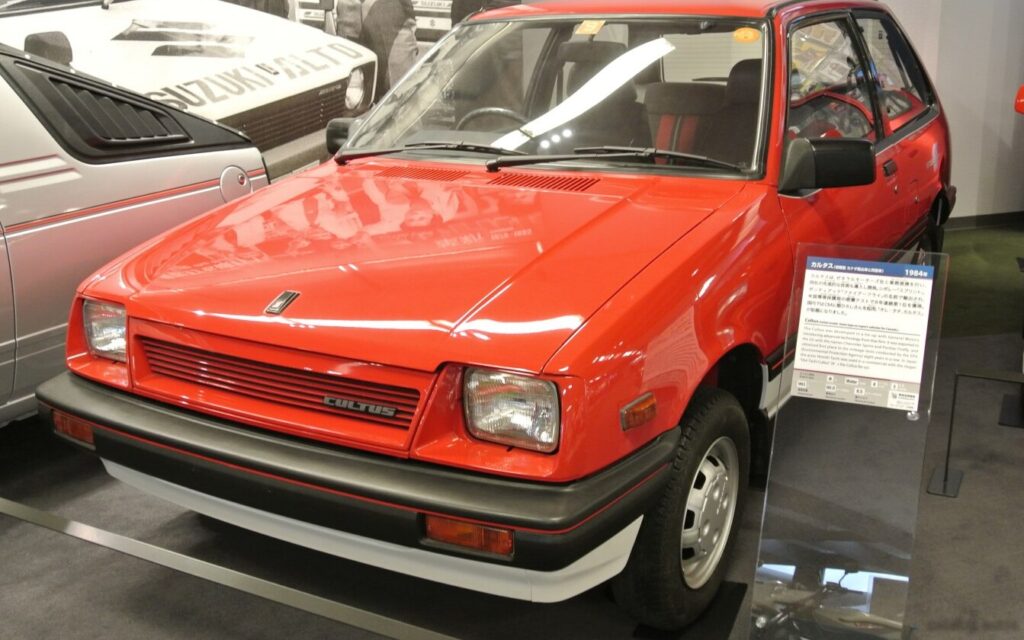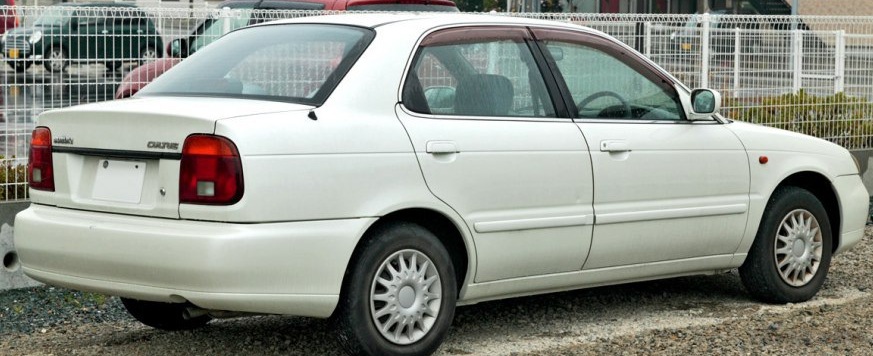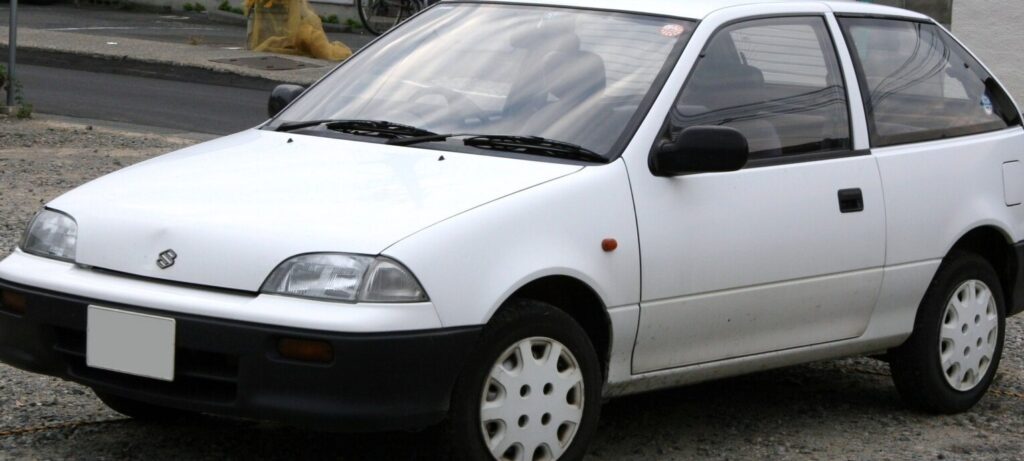
The Suzuki Cultus II, known as the Geo Metro in North America and the Suzuki Swift in some other markets, was a supermini car produced by Suzuki from 1989 to 2003. The 1.0 i (3-door) variant, producing 53 horsepower, was a key part of the Cultus II lineup, particularly from 1991 onwards. This model represented an entry-level offering, focused on fuel efficiency and affordability, and was a common sight in both European and Asian markets. It was positioned below the slightly larger and more powerful 1.3L variants, and served as a direct competitor to vehicles like the Fiat Uno and Peugeot 205.
Suzuki Cultus II 1.0 i: Powertrain & Engine Architecture
The heart of the 1.0 i Cultus II was the G10A engine, a 993cc inline-three cylinder gasoline engine. This engine was a significant departure from the four-cylinder engines found in earlier Cultus models. The G10A featured a single overhead camshaft (OHC) valvetrain with two valves per cylinder. Fuel delivery was handled by a single-point fuel injection system, a relatively simple and cost-effective technology for the time. This system, while not as sophisticated as multi-point injection, contributed to the engine’s fuel efficiency. The engine’s bore and stroke measured 74mm x 77mm, resulting in a compression ratio of 9.5:1. Lubrication required 3.3 liters of engine oil, typically specified to API standards. The engine was transversely mounted in the front of the vehicle, driving the front wheels.
While a five-speed manual transmission was standard, an optional three-speed automatic transmission was available. This automatic, while improving ease of use, came at the cost of performance and fuel economy. The automatic transmission featured relatively tall gear ratios, prioritizing fuel efficiency over acceleration. The first gear was geared for smooth take-offs, while the higher gears were designed for relaxed cruising. The automatic transmission was not known for its responsiveness, and often required significant throttle input to downshift.
Engine Specifications (G10A)
- Displacement: 993 cm³ (60.6 cu. in.)
- Configuration: Inline-3
- Valvetrain: OHC, 2 valves per cylinder
- Fuel Injection: Single-point
- Compression Ratio: 9.5:1
- Maximum Power: 53 hp @ 5700 rpm
- Maximum Torque: 76 Nm (56.05 lb-ft) @ 3300 rpm
Driving Characteristics
The 1.0 i Cultus II with the manual transmission offered a surprisingly nimble driving experience, given its modest power output. The lightweight nature of the vehicle (approximately 730 kg or 1609 lbs) contributed to its agility. Acceleration from 0 to 100 km/h (0-62 mph) took around 16 seconds, making it unsuitable for rapid overtaking. However, in urban environments, the Cultus II was perfectly adequate. The automatic transmission version significantly hampered performance, extending the 0-60 mph time to approximately 15.2 seconds. The automatic’s tall gearing meant that the engine often felt strained when accelerating, and uphill climbs required careful planning. The steering was light and precise, making it easy to maneuver in tight spaces. The suspension, while basic, provided a reasonably comfortable ride on smooth roads.
Equipment & Trim Levels
The 1.0 i Cultus II was typically offered with a fairly basic level of equipment, reflecting its entry-level positioning. Standard features generally included cloth upholstery, a basic instrument cluster, and manual windows and door locks. The interior was functional and utilitarian, prioritizing practicality over luxury. Optional extras included power steering, air conditioning, and a radio/cassette player. Higher trim levels, though rare on the 1.0 i, might have included features like upgraded seat fabrics and a more comprehensive instrument panel. The three-door body style emphasized practicality and ease of parking, but at the expense of rear passenger access. The interior offered seating for five, although rear legroom was limited.
Chassis & Braking
The Cultus II 1.0 i utilized a front-engine, front-wheel-drive layout. The front suspension consisted of a wishbone setup, while the rear suspension employed a coil spring arrangement. This suspension configuration provided a reasonable balance between ride comfort and handling. The braking system featured disc brakes on the front wheels and drum brakes on the rear wheels. Anti-lock braking system (ABS) was not standard on all models, and was often an optional extra. The steering system was a rack and pinion type, providing precise and responsive steering. The vehicle rode on 155/70 R13 tires mounted on 13-inch steel wheels.
Market Reception & Comparison
The Suzuki Cultus II 1.0 i was generally well-received by critics for its fuel efficiency and affordability. It was praised as a practical and reliable city car, ideal for first-time buyers or those seeking a low-cost mode of transportation. However, the engine’s limited power output was often criticized, particularly in the automatic transmission version. Compared to the 1.3L variants of the Cultus II, the 1.0 i offered significantly less performance but superior fuel economy. The 1.3L models were better suited for highway driving and carrying heavier loads. In terms of reliability, the G10A engine proved to be generally robust, although regular maintenance was essential. The automatic transmission, however, was sometimes prone to issues, particularly if not serviced regularly.
Technical Specifications
| Brand | Suzuki |
| Model | Cultus II |
| Type | Hatchback (3-door) |
| Engine | G10A 993cc Inline-3 |
| Power | 53 hp @ 5700 rpm |
| Torque | 76 Nm (56.05 lb-ft) @ 3300 rpm |
| Fuel Type | Petrol (Gasoline) |
| Transmission | 5-speed Manual or 3-speed Automatic |
| Kerb Weight | 730 kg (1609.37 lbs) |
| Maximum Weight | 1250 kg (2755.78 lbs) |
| Fuel Consumption (Urban) | 6.9 l/100 km (34.1 US mpg) |
| Fuel Consumption (Extra Urban) | 4.7 l/100 km (50 US mpg) |
| Fuel Tank Capacity | 40 l (10.57 US gal) |
| Dimensions (L x W x H) | 3745 mm x 1590 mm x 1350 mm (147.44 in x 62.6 in x 53.15 in) |
| Trunk Space (Min/Max) | 280 l / 620 l (9.89 cu. ft / 21.9 cu. ft) |
Legacy
The Suzuki Cultus II 1.0 i remains a popular choice among budget-conscious buyers in the used car market. Its reputation for fuel efficiency and reliability has ensured its continued demand. However, potential buyers should be aware of the potential for issues with the automatic transmission and the importance of regular maintenance. Parts availability is generally good, although some components may be becoming increasingly difficult to find. The 1.0 i variant, while not the most powerful or refined, offers a practical and affordable entry point into Suzuki ownership. It represents a significant piece of automotive history, embodying the trend towards smaller, more fuel-efficient vehicles in the late 20th and early 21st centuries. The G10A engine, while simple in design, proved to be a durable and long-lasting powerplant, contributing to the Cultus II’s overall reliability.