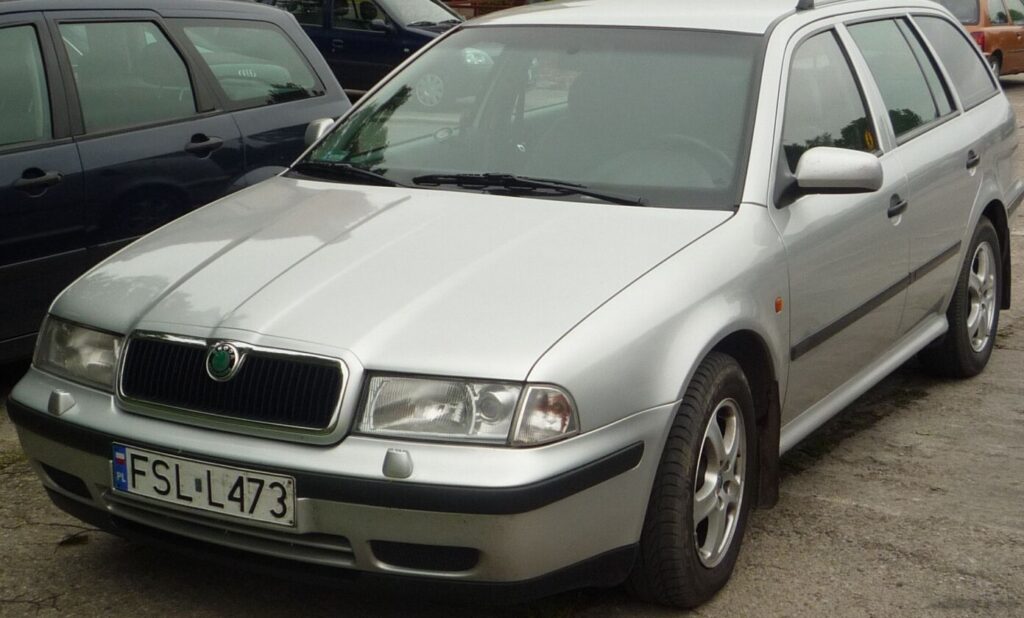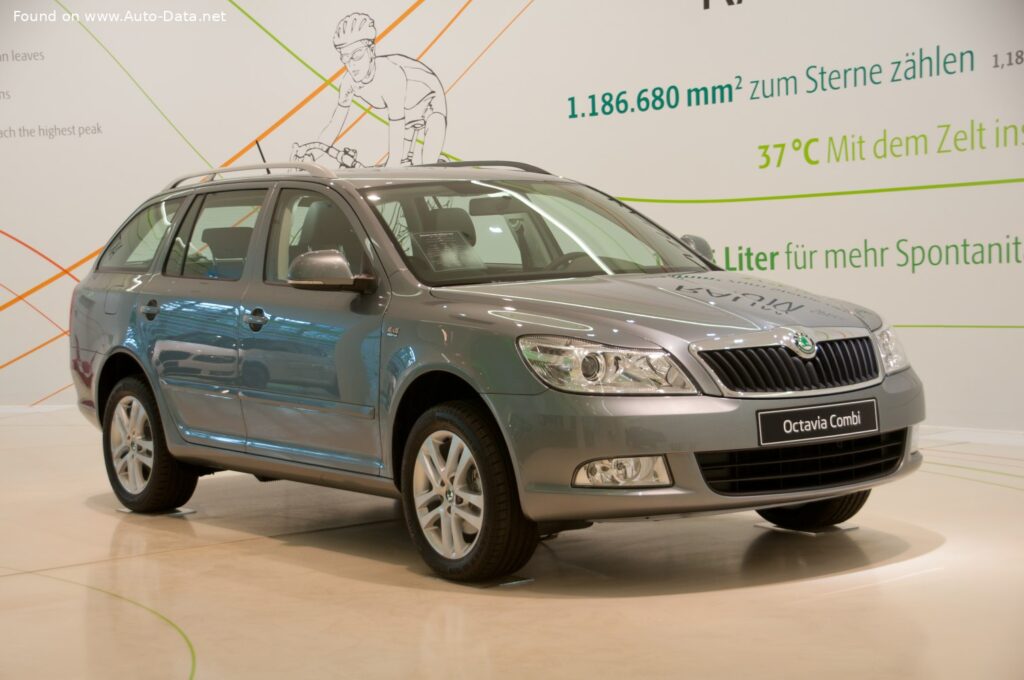
The Skoda Octavia II Combi, specifically the facelifted version produced from 2009 to 2010, offered a range of engine and transmission options. Among these, the 2.0 TDI PD 16V variant, producing 140 horsepower, represented a popular choice for buyers seeking a balance of fuel efficiency, performance, and practicality within the compact estate (station wagon) segment. This model sat within the mid-range of the Octavia II Combi lineup, positioned above the lower-powered diesel options and below the more expensive and performance-oriented petrol variants.
Skoda Octavia II Combi 2.0 TDI PD 16V (140 Hp): Overview
The Octavia II Combi, based on the Volkswagen Group’s A5 (1HX0/A3) platform, was a significant model for Skoda, establishing the brand as a serious contender in the European market. The 2009 facelift brought revised styling, improved interior materials, and updated engine options, including the 2.0 TDI PD 16V. This engine was a mainstay of the Volkswagen Group’s diesel offerings, known for its robust construction and relatively straightforward maintenance. The Combi body style, a station wagon, provided increased cargo capacity compared to the standard hatchback, making it a practical choice for families and those requiring ample space.
Powertrain & Engine Architecture
The heart of this Octavia variant is the 2.0-liter four-cylinder diesel engine, designated EA188 and carrying the engine code BKD. This engine utilizes a common rail direct injection system with pump-nozzle (Unit Injector) technology, delivering fuel directly into the combustion chamber at extremely high pressure. This system, while effective, is known for being more mechanically complex than newer common rail systems. The engine features a 16-valve double overhead camshaft (DOHC) valvetrain, optimizing airflow for improved performance. A turbocharger with an intercooler is employed to increase power output by forcing more air into the engine. The engine displaces 1968 cm³ (120.09 cubic inches) and boasts a compression ratio of 18.5:1.
The 2.0 TDI PD 16V engine produces 140 hp at 4000 rpm and 320 Nm (236.02 lb-ft) of torque between 1750 and 2500 rpm. This torque curve provides strong pulling power across a wide rev range, making it suitable for both urban driving and highway cruising. The engine is transversely mounted in the front of the vehicle, driving the front wheels.
Driving Characteristics
The 2.0 TDI PD 16V-equipped Octavia II Combi offered a noticeable step up in performance compared to the lower-powered 1.6 TDI models. While not a sports car, the 140 hp engine provided adequate acceleration for everyday driving, with a 0-100 km/h (0-62 mph) time of approximately 9.7 seconds. The strong low-end torque made overtaking maneuvers relatively effortless. Compared to the petrol engines, the 2.0 TDI offered superior fuel economy and a more relaxed driving experience. However, it lacked the responsiveness and higher revving nature of the petrol counterparts. The engine could feel slightly agricultural at higher RPMs, exhibiting typical diesel characteristics like some engine noise and vibration.
Equipment & Trim Levels
The 2.0 TDI PD 16V trim level typically included features such as air conditioning, electric front windows, power-adjustable mirrors, and a basic audio system. Higher trim levels added options like alloy wheels, a multi-function steering wheel, cruise control, and upgraded upholstery. Interior materials were generally durable and functional, reflecting the Octavia’s value-oriented positioning. The facelifted models benefited from improved interior plastics and a more modern dashboard design. Optional extras included a sunroof, parking sensors, and a more advanced infotainment system.
Chassis & Braking
The Octavia II Combi’s chassis was designed to provide a comfortable and stable ride. The front suspension utilized an independent McPherson strut setup with coil springs and an anti-roll bar, while the rear suspension employed an independent multi-link system, also with a stabilizer bar. This configuration provided a good balance between ride comfort and handling. Braking duties were handled by ventilated discs on the front wheels and solid discs on the rear. Anti-lock Braking System (ABS) was standard. The suspension tuning was generally geared towards comfort, prioritizing a smooth ride over sporty handling. The weight distribution was fairly balanced, contributing to predictable handling characteristics.
Market Reception & Comparison
The Skoda Octavia II Combi 2.0 TDI PD 16V was well-received by automotive critics and consumers alike. It was praised for its spacious interior, practical estate body style, and fuel-efficient diesel engine. Fuel economy figures were impressive, with combined consumption averaging around 5.5 l/100 km (42.8 US mpg, 51.4 UK mpg). Compared to the 1.9 TDI models, the 2.0 TDI offered increased power and refinement. However, the 2.0 TDI was more expensive to purchase and potentially more costly to maintain due to the complexity of the pump-nozzle injection system. Compared to the petrol variants, the diesel offered significantly better fuel economy but lacked the same level of responsiveness. The Octavia Combi competed with other compact estates such as the Volkswagen Passat Variant, Ford Focus Estate, and Opel Astra Sports Tourer.
Technical Specifications
| Brand | Skoda |
| Model | Octavia II Combi |
| Engine Type | 2.0 TDI PD 16V |
| Engine Code | BKD |
| Displacement | 1968 cm³ (120.09 cu. in.) |
| Power | 140 Hp @ 4000 rpm |
| Torque | 320 Nm @ 1750-2500 rpm (236.02 lb.-ft.) |
| Fuel Consumption (Urban) | 7 l/100 km (33.6 US mpg) |
| Fuel Consumption (Extra Urban) | 4.7 l/100 km (50 US mpg) |
| Fuel Consumption (Combined) | 5.5 l/100 km (42.8 US mpg) |
| CO2 Emissions | 145 g/km |
| Acceleration 0-100 km/h | 9.7 sec |
| Maximum Speed | 207 km/h (128.62 mph) |
| Kerb Weight | 1410 kg (3108.52 lbs) |
| Fuel Tank Capacity | 55 l (14.53 US gal) |
| Trunk Space (Minimum) | 605 l (21.37 cu. ft.) |
| Trunk Space (Maximum) | 1655 l (58.45 cu. ft.) |
| Transmission | 6-speed Manual |
Legacy
The Skoda Octavia II Combi 2.0 TDI PD 16V remains a popular choice in the used car market due to its practicality, fuel efficiency, and relatively affordable price. However, potential buyers should be aware of the potential maintenance costs associated with the pump-nozzle diesel injection system. These systems can be prone to failure as they age, requiring expensive repairs. Despite this, the engine is generally considered robust and reliable if properly maintained. The Octavia II Combi’s spacious interior and large cargo area continue to appeal to families and those needing a versatile vehicle. The model helped solidify Skoda’s reputation for producing well-built, value-for-money cars, paving the way for the brand’s continued success in the European automotive market.