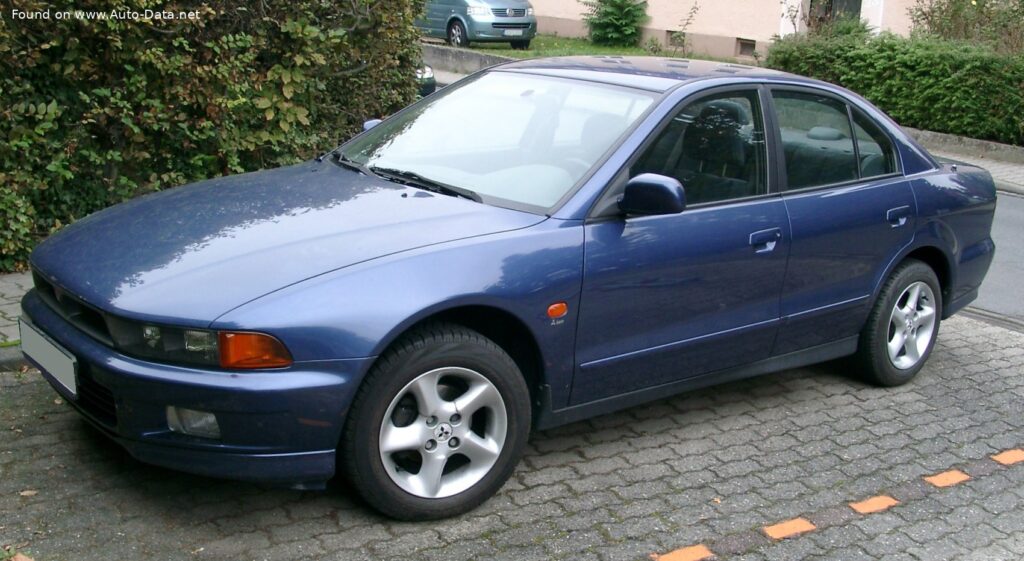
The Mitsubishi Galant VIII, produced between 1996 and 2002, represented a significant evolution in Mitsubishi’s mid-size sedan offerings. Within the eighth generation (internally designated as the EA0/EC0 series), the 2.0-liter (136 hp) automatic variant occupied a middle ground in the lineup, positioned above the base 2.0-liter models and below the more performance-oriented V6 options. This configuration aimed to provide a balance of reasonable performance, comfort, and affordability, appealing to a broader segment of family car buyers. The Galant VIII was a globally sold vehicle, with variations in trim and equipment depending on the target market.
Mitsubishi Galant VIII 2.0 Automatic: An Overview
The 2.0-liter automatic Galant VIII was designed to be a practical and comfortable daily driver. It catered to customers who prioritized ease of use and fuel efficiency over outright speed. While not the sportiest option in the Galant range, it offered a respectable level of performance for everyday commuting and highway cruising. The automatic transmission was a key selling point for buyers seeking a hassle-free driving experience, particularly in urban environments. This trim level was commonly found in both North American and European markets, though specific feature packages varied.
Powertrain & Engine Architecture
At the heart of the Galant VIII 2.0 Automatic lies the 4G63 inline-four cylinder engine, displacing 1997 cc (121.86 cubic inches). This engine, a mainstay in Mitsubishi’s lineup, featured a cast iron block and an aluminum cylinder head. The 2.0-liter version utilized multi-port fuel injection, delivering fuel directly to each intake port for improved combustion efficiency. The engine produced 136 horsepower at 6000 rpm and 178 Nm (131.29 lb-ft) of torque at 4500 rpm. The compression ratio was set at 10:1. The valvetrain employed a single overhead camshaft (OHC) design with four valves per cylinder, contributing to a good balance of power and efficiency.
The engine was mated to a four-speed automatic transmission. This transmission, while not the most modern by today’s standards, provided smooth and reliable shifting. The gear ratios were tuned for comfortable cruising and adequate acceleration. The transmission was electronically controlled, optimizing shift points based on throttle position and vehicle speed. The drivetrain configuration was front-wheel drive, a common setup for mid-size sedans of this era.
Driving Characteristics
The driving experience in the Galant VIII 2.0 Automatic was characterized by its smoothness and ease of operation. Acceleration from 0 to 60 mph was achieved in approximately 9.2 seconds, while 0-100 km/h took 9.7 seconds. Top speed was limited to 200 km/h (124.27 mph). While these figures weren’t particularly impressive compared to more powerful rivals, they were sufficient for most driving situations. The automatic transmission provided seamless gear changes, minimizing harshness and contributing to a comfortable ride. The engine delivered adequate torque for passing maneuvers, although it did require some downshifting for quicker responses.
Compared to the manual transmission versions of the 2.0-liter Galant, the automatic offered less driver engagement but greater convenience. The V6 models, with their significantly higher horsepower and torque outputs, provided a much more exhilarating driving experience, but at the cost of increased fuel consumption. The 2.0-liter automatic struck a balance between performance and practicality, making it a popular choice for those seeking a comfortable and reliable family sedan.
Equipment & Trim Levels
The standard equipment level for the Galant VIII 2.0 Automatic varied depending on the market. Generally, base models included features such as air conditioning, power windows, power locks, and an AM/FM stereo. Higher trim levels added features like alloy wheels, a sunroof, upgraded upholstery, and a more sophisticated audio system. Optional extras included leather seats, a CD player, and anti-lock brakes (ABS). Interior upholstery typically consisted of cloth, with leather available as an upgrade. The dashboard layout was functional and straightforward, with easy-to-read gauges and logically placed controls.
Chassis & Braking
The Galant VIII featured a conventional chassis design with coil spring suspension at both the front and rear. The front suspension utilized MacPherson struts, while the rear suspension employed a multi-link setup. This configuration provided a comfortable ride and decent handling characteristics. The front brakes were ventilated discs, offering good stopping power, while the rear brakes were typically solid discs, though some base models may have featured drum brakes. The steering system was a rack-and-pinion setup with hydraulic power assistance, providing precise and responsive steering feel. The standard tire size was 195/60 R15, mounted on 15-inch steel or alloy wheels.
Market Reception & Comparison
The Mitsubishi Galant VIII 2.0 Automatic received generally positive reviews from automotive critics. It was praised for its comfortable ride, spacious interior, and reliable powertrain. However, some critics noted that the engine lacked the punch of its V6 counterparts and that the automatic transmission could feel somewhat sluggish at times. Fuel economy was considered to be reasonable for its class, with combined fuel consumption averaging around 8.5 l/100 km (27.7 US mpg). In terms of reliability, the Galant VIII was generally considered to be a dependable vehicle, although some owners reported issues with the automatic transmission over the long term.
Compared to rivals such as the Honda Accord, Toyota Camry, and Nissan Maxima, the Galant VIII offered a competitive package in terms of features and price. However, it often lagged behind these competitors in terms of brand reputation and resale value.
Technical Specifications
| Engine Type | Inline-4, Naturally Aspirated |
| Engine Displacement | 1997 cc (121.86 cu in) |
| Horsepower | 136 hp @ 6000 rpm |
| Torque | 178 Nm (131.29 lb-ft) @ 4500 rpm |
| Compression Ratio | 10:1 |
| Fuel Injection | Multi-port Fuel Injection |
| Transmission | 4-speed Automatic |
| Drivetrain | Front-Wheel Drive |
| Kerb Weight | 1260 kg (2777.82 lbs) |
| Maximum Weight | 1850 kg (4078.55 lbs) |
| Fuel Consumption (Urban) | 12.6 l/100 km (18.7 US mpg) |
| Fuel Consumption (Extra Urban) | 7 l/100 km (33.6 US mpg) |
| Fuel Consumption (Combined) | 8.5 l/100 km (27.7 US mpg) |
| Acceleration 0-100 km/h | 9.7 sec |
| Maximum Speed | 200 km/h (124.27 mph) |
| Fuel Tank Capacity | 64 l (16.91 US gal) |
| Trunk Space | 470 l (16.6 cu ft) |
Legacy
The Mitsubishi Galant VIII 2.0 Automatic, while not a particularly rare or collectible vehicle, remains a popular choice among used car buyers seeking an affordable and reliable mid-size sedan. The 4G63 engine is known for its durability and relatively simple maintenance requirements. However, potential buyers should be aware of the possibility of transmission issues, particularly in vehicles with high mileage. Overall, the Galant VIII 2.0 Automatic represents a solid and dependable option for those seeking a practical and comfortable daily driver from the late 1990s and early 2000s.