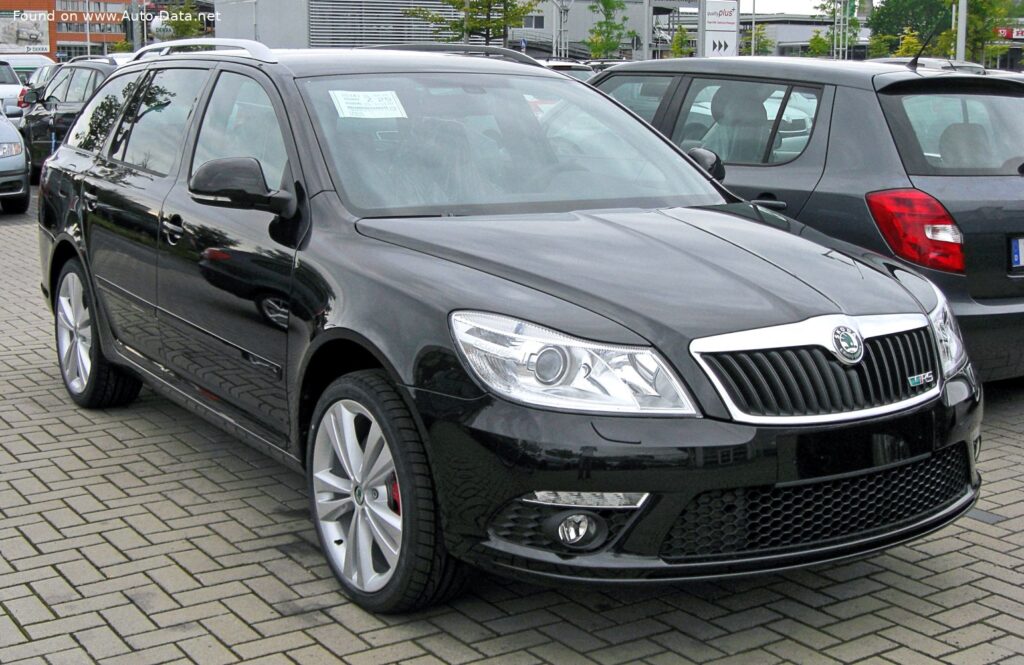
The Skoda Octavia II Combi, specifically the RS 2.0 TDI (170 hp) variant equipped with the Direct-Shift Gearbox (DSG), was a performance-oriented station wagon produced between 2010 and 2013. This model represented the top-tier offering within the Octavia II Combi facelift range, positioned above the standard petrol and diesel trims. It was part of the broader Octavia II generation (1Z chassis), which itself was based on the Volkswagen Group’s A5 platform, also known as the PQ35. The RS model aimed to blend practicality with sporty driving dynamics, appealing to buyers seeking a versatile vehicle capable of both family duties and engaging performance.
Powertrain & Engine Architecture
The heart of the Octavia II Combi RS 2.0 TDI was the CEGA engine, a 1968 cc inline four-cylinder diesel engine. This engine utilized common rail direct injection, delivering fuel at extremely high pressure directly into the combustion chamber for improved efficiency and power. The CEGA engine featured a turbocharger with an intercooler, boosting power output to 170 hp (125 kW) at 4200 rpm and 350 Nm (258.15 lb-ft) of torque between 1750 and 2500 rpm. The engine employed a double overhead camshaft (DOHC) valvetrain with four valves per cylinder, optimizing gas flow for enhanced performance.
The transmission was a crucial component of the RS model – a six-speed DSG (Direct-Shift Gearbox). This dual-clutch transmission offered the convenience of an automatic while providing quicker and more direct gear changes than a traditional torque-converter automatic. The DSG’s operation involved two separate clutches, one for odd-numbered gears and one for even-numbered gears. This allowed for pre-selection of the next gear, resulting in seamless shifts and minimal power interruption. The DSG also featured manual shift capability via the gear selector or steering wheel-mounted paddles.
Engine Specifications
The CEGA engine was known for its robust construction and relatively straightforward maintenance. It benefited from advancements in diesel technology, including improved fuel injection systems and turbocharger designs. The engine’s 16.5:1 compression ratio was typical for a direct-injection diesel, contributing to its efficiency. A particulate filter was included as standard equipment to reduce emissions, meeting Euro 5 standards.
Driving Characteristics
The Octavia II Combi RS 2.0 TDI DSG offered a noticeable step up in performance compared to the standard Octavia Combi models. The 170 hp output and 350 Nm of torque provided brisk acceleration, with a 0-100 km/h (0-62 mph) time of 8.4 seconds. The DSG transmission played a significant role in maximizing this performance, delivering quick and precise gear changes. While not a dedicated sports car, the RS model offered a responsive and engaging driving experience. The torque delivery was particularly strong at lower and mid-range engine speeds, making it well-suited for everyday driving and overtaking maneuvers.
Compared to the petrol-powered Octavia RS variants (typically featuring a 2.0 TSI engine), the diesel RS prioritized fuel efficiency and torque. The TSI models offered higher peak power but often required higher engine speeds to access it. The diesel RS, with its abundant low-end torque, felt more effortless in many real-world driving situations. The handling was generally secure and predictable, thanks to the well-tuned suspension and front-wheel-drive configuration.
Equipment & Trim Levels
The Octavia II Combi RS came generously equipped as standard. Key features included sports seats upholstered in fabric and Alcantara, a leather-wrapped multi-function steering wheel, automatic climate control, alloy wheels (typically 17- or 18-inch), and fog lights. The interior featured RS-specific badging and trim details, differentiating it from other Octavia models. Optional extras included a panoramic sunroof, parking sensors, a navigation system, and upgraded audio systems. The RS trim level was generally considered the most luxurious and well-appointed within the Octavia II Combi range.
Chassis & Braking
The Octavia II Combi RS featured a McPherson strut front suspension and an independent multi-link rear suspension. This setup provided a good balance between ride comfort and handling precision. The suspension was typically firmer than that of the standard Octavia models, contributing to the RS’s more sporty character. Stabilizer bars were fitted to both the front and rear axles to reduce body roll during cornering. The braking system consisted of ventilated discs on the front wheels and solid discs on the rear. Anti-lock braking system (ABS) was standard, enhancing braking performance and stability. The electric power steering provided a responsive and precise steering feel.
Market Reception & Comparison
The Octavia II Combi RS 2.0 TDI DSG was generally well-received by automotive critics. It was praised for its blend of practicality, performance, and fuel efficiency. Reviewers noted the responsive engine, the quick-shifting DSG transmission, and the comfortable yet sporty ride. The spacious interior and large cargo capacity were also highlighted as key strengths. Compared to other performance estate cars of the time, the Octavia RS offered a compelling value proposition, providing a significant amount of performance and features for its price.
Fuel economy was a strong point, with combined fuel consumption figures of around 6.0 l/100 km (39.2 US mpg). Reliability was generally good, although some owners reported issues with the DSG transmission, particularly early units. Regular maintenance and fluid changes were crucial for ensuring the longevity of the DSG. The diesel engine itself was known to be durable and reliable when properly maintained.
Technical Specifications
| Brand | Skoda |
| Model | Octavia |
| Generation | Octavia II Combi (facelift 2009) |
| Type | RS 2.0 TDI (170 Hp) DSG |
| Start of production | 2010 |
| End of production | 2013 |
| Engine Model/Code | CEGA |
| Engine displacement | 1968 cm3 (120.09 cu. in.) |
| Number of cylinders | 4 |
| Engine configuration | Inline |
| Power | 170 Hp @ 4200 rpm |
| Torque | 350 Nm @ 1750-2500 rpm (258.15 lb.-ft.) |
| Fuel consumption (urban) | 7.9 l/100 km (29.8 US mpg) |
| Fuel consumption (extra urban) | 4.9 l/100 km (48 US mpg) |
| Fuel consumption (combined) | 6 l/100 km (39.2 US mpg) |
| CO2 emissions | 159 g/km |
| Acceleration 0-100 km/h | 8.4 sec |
| Maximum speed | 223 km/h (138.57 mph) |
| Kerb Weight | 1430-1520 kg (3152.61 – 3351.03 lbs.) |
| Fuel tank capacity | 55 l (14.53 US gal) |
| Transmission | 6-speed DSG |
| Drive type | Front-wheel drive |
Legacy
The Skoda Octavia II Combi RS 2.0 TDI DSG remains a popular choice in the used car market. Its combination of practicality, performance, and fuel efficiency continues to appeal to buyers. The CEGA engine is generally considered reliable, although regular maintenance is essential. The DSG transmission can be a potential weak point, and it’s important to check its service history and ensure it has been properly maintained. Overall, the Octavia II Combi RS 2.0 TDI DSG represents a well-rounded and capable estate car that offers a compelling blend of attributes.
The success of the Octavia II RS paved the way for subsequent RS models, further solidifying Skoda’s reputation for producing sporty and practical vehicles. The Octavia RS lineage continues today, with newer generations offering even more performance and technology. The Octavia II Combi RS 2.0 TDI DSG remains a fondly remembered and highly regarded model within the Skoda enthusiast community.