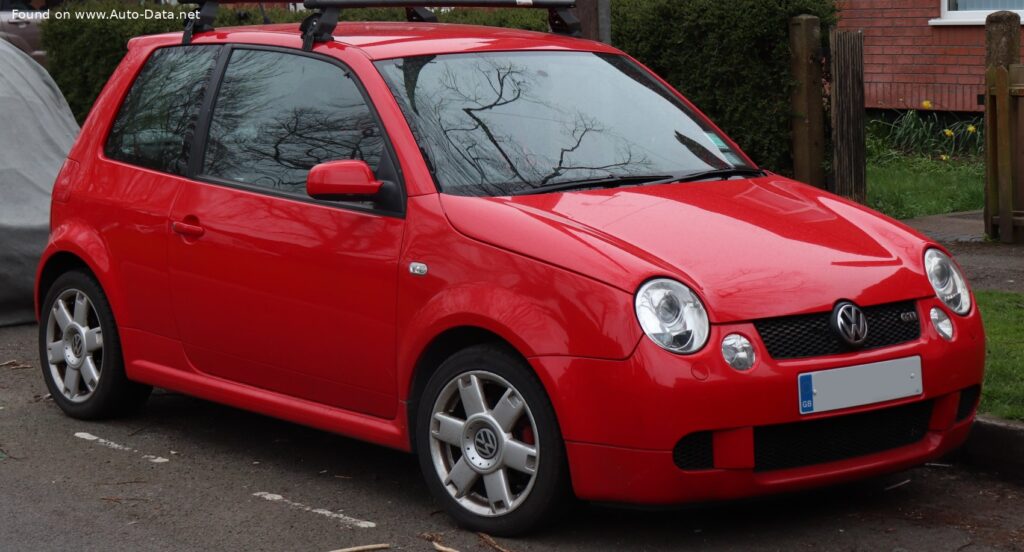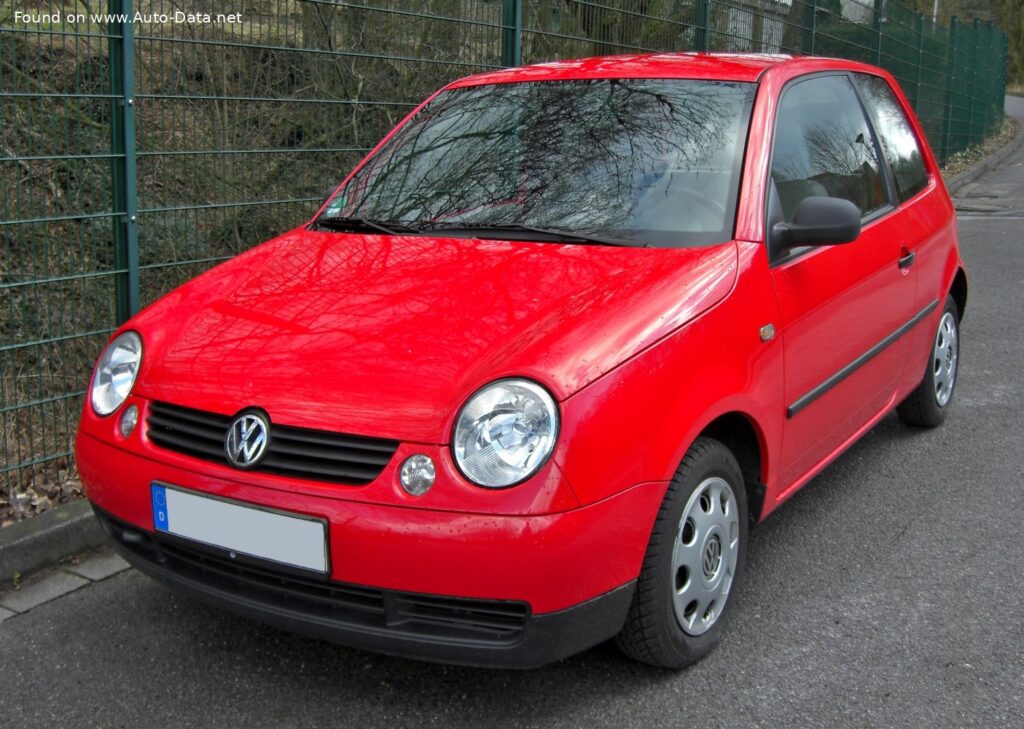
The Volkswagen Lupo 6X 1.4 16V Automatic, produced between 1998 and 2005, represented the entry point into the Lupo range for buyers seeking the convenience of an automatic transmission. Positioned below the more sporting 1.8 models and the fuel-efficient 1.4 TDI, this variant aimed for affordability and ease of use within the supermini segment. Built on the Volkswagen Group’s A04 platform – also known as the 1HX0 platform – the Lupo was intended as a successor to the Polo Mk2, offering a smaller, more modern alternative. The 1.4 16V Automatic was a significant offering, providing a comfortable and accessible option for urban drivers and those new to the Volkswagen brand.
Powertrain & Engine Architecture
The heart of the Lupo 1.4 16V Automatic is the 1390cc, inline four-cylinder gasoline engine, identifiable by engine codes AHW, AKQ, APE, AXP, and BCA. This engine is a naturally aspirated unit featuring multi-port fuel injection. The 16-valve cylinder head, with four valves per cylinder, contributes to improved breathing and a slightly higher power output compared to earlier 8-valve versions. The engine produces 75 horsepower (hp) at 5000 rpm and 92.93 lb-ft of torque at 3800 rpm. The engine’s design prioritized reliability and fuel efficiency over outright performance.
Crucially, this variant was paired with a four-speed automatic transmission. This transmission, while providing convenience, was a relatively conventional hydraulic automatic, lacking the sophistication of more modern electronically controlled units. It featured standard torque converter technology and was designed for smooth, if not particularly rapid, gear changes. The gear ratios were optimized for urban driving and fuel economy, rather than aggressive acceleration. First gear was relatively short, aiding in initial takeoff, while higher gears were spaced to maintain reasonable engine speeds at highway cruising.
Fuel Injection and Valvetrain
The 1.4 16V engine utilizes a Bosch Motronic fuel injection system, managing fuel delivery based on inputs from various sensors, including throttle position, engine temperature, and oxygen sensors. This system ensures optimal air-fuel mixture for efficient combustion and reduced emissions. The valvetrain employs an overhead camshaft (OHC) design, operating the four valves per cylinder via hydraulic tappets. This configuration simplifies the engine’s design and reduces maintenance requirements compared to more complex dual overhead camshaft (DOHC) systems.
Driving Characteristics
The driving experience in the Lupo 1.4 16V Automatic is best described as comfortable and undemanding. Acceleration from 0-60 mph takes approximately 13.2 seconds, and 0-100 km/h in 13.9 seconds, making it noticeably slower than the manual transmission versions or the more powerful 1.8 models. The automatic transmission contributes to this slower pace, as it doesn’t allow the driver to fully exploit the engine’s powerband. However, for typical urban driving, the performance is adequate. The automatic transmission provides smooth gear changes, making it ideal for stop-and-go traffic. The engine feels relatively responsive at lower speeds, but struggles when attempting brisk overtaking maneuvers or climbing steep hills.
Compared to the five-speed manual version, the automatic suffers from a slight power loss due to the torque converter and the less efficient transmission. The manual gearbox allows for more precise control over gear selection, enabling the driver to keep the engine within its optimal power range. The 1.8-liter models, with their significantly higher power output, offer a much more engaging and dynamic driving experience, but at a higher price point and with increased running costs.
Equipment & Trim Levels
The Lupo 1.4 16V Automatic typically came equipped with a modest level of standard features. These generally included central locking, power steering, front airbags, and an adjustable steering column. Interior upholstery was typically cloth, with a simple, functional dashboard layout. Air conditioning was often an optional extra, as were electric windows and alloy wheels. The trim level could vary depending on the market, but generally, this variant was positioned as a base or mid-range model.
Optional extras could significantly enhance the car’s appeal. Upgraded audio systems, including CD players, were popular choices. Metallic paint finishes and upgraded interior trim materials were also available. Some models were offered with a sunroof, adding to the car’s overall comfort and desirability.
Chassis & Braking
The Lupo 1.4 16V Automatic utilizes a relatively simple chassis setup. Front suspension consists of coil springs and independent suspension, providing a comfortable ride quality. The rear suspension employs a twist-beam axle, which is cost-effective and space-efficient. The front brakes are ventilated discs, offering good stopping power, while the rear brakes are drums. This combination was typical for cars in this weight class and price range during the production period.
Anti-lock Braking System (ABS) was standard equipment, enhancing safety by preventing wheel lockup during emergency braking. The steering is a hydraulic power steering system, providing light and easy steering feel, particularly useful for maneuvering in tight urban environments. Tire size was typically 175/65 R13, mounted on 5.5J x 13 steel or alloy wheels.
Market Reception & Comparison
The Lupo 1.4 16V Automatic received mixed reviews. Critics generally praised its affordability, ease of use, and comfortable ride. However, the performance was often criticized as being underwhelming, particularly compared to the more powerful models in the range. Fuel economy was considered reasonable, achieving around 22.6 US mpg in urban conditions and 39.2 US mpg on the extra-urban cycle. Reliability was generally good, although the automatic transmission could be prone to occasional issues if not properly maintained.
Compared to rivals such as the Ford Fiesta and Renault Clio, the Lupo 1.4 16V Automatic offered a slightly more refined driving experience and a reputation for build quality. However, it was often more expensive than its competitors, and the performance was not as competitive. The 1.4 TDI models offered significantly better fuel economy, making them a popular choice for drivers covering long distances.
Technical Specifications
| Engine Type | Inline 4-Cylinder, Gasoline |
| Engine Code | AHW, AKQ, APE, AXP, BCA |
| Displacement | 1390 cm3 (84.82 cu in) |
| Power | 75 hp @ 5000 rpm |
| Torque | 126 Nm @ 3800 rpm (92.93 lb-ft @ 3800 rpm) |
| Fuel Injection | Multi-port Fuel Injection |
| Valvetrain | OHC (Overhead Camshaft), 16 Valves |
| Transmission | 4-Speed Automatic |
| Drive Wheels | Front Wheel Drive |
| Kerb Weight | 920 kg (2028.25 lbs) |
| Maximum Weight | 1390 kg (3064.43 lbs) |
| Fuel Tank Capacity | 34 l (8.98 US gal, 7.48 UK gal) |
| Dimensions (L x W x H) | 3527 mm x 1640 mm x 1460 mm (138.86 in x 64.57 in x 57.48 in) |
| Fuel Consumption (Urban) | 10.4 l/100 km (22.6 US mpg, 27.2 UK mpg) |
| Fuel Consumption (Extra-Urban) | 6 l/100 km (39.2 US mpg, 47.1 UK mpg) |
| Acceleration 0-100 km/h | 13.9 sec |
| Maximum Speed | 168 km/h (104.39 mph) |
Legacy
The Lupo 1.4 16V Automatic, while not the most exciting variant in the range, has proven to be a relatively reliable and affordable used car. The engine is known for its durability, and the automatic transmission, while not particularly sophisticated, can provide years of trouble-free service with regular maintenance. Today, these cars are often sought after by first-time drivers or those looking for a cheap and cheerful runabout. Parts availability is generally good, although some trim-specific components may be difficult to find. The Lupo’s simple design and robust construction have contributed to its enduring popularity in the used car market, making it a practical and economical choice for budget-conscious buyers.
However, potential buyers should be aware of common issues, such as corrosion, particularly on older examples. Regular servicing and preventative maintenance are crucial to ensure the long-term reliability of this variant. Despite its age, the Lupo 1.4 16V Automatic remains a capable and charming supermini, offering a comfortable and convenient driving experience.