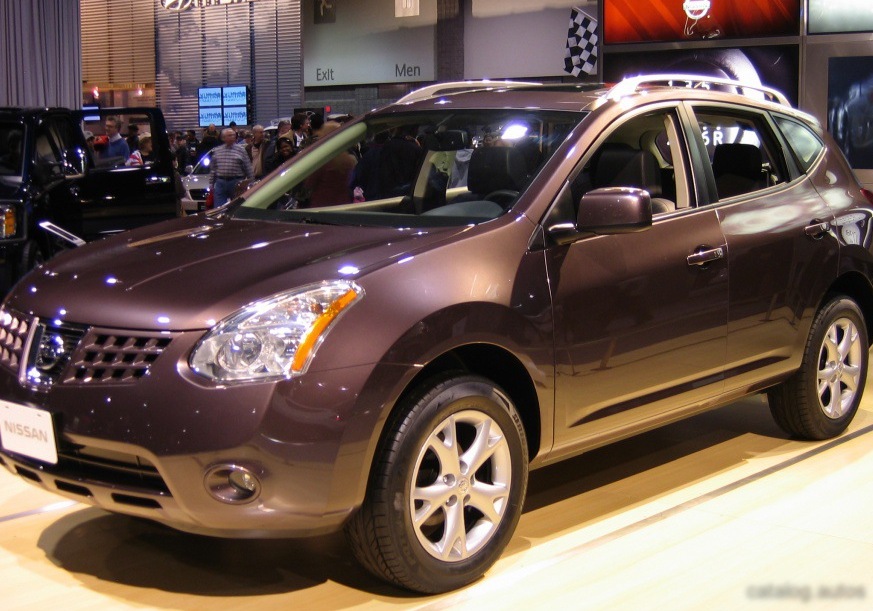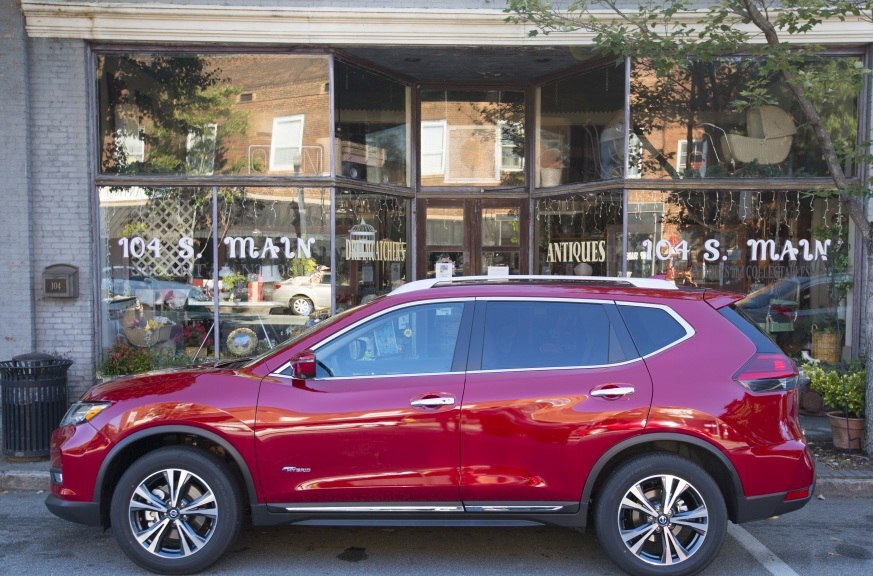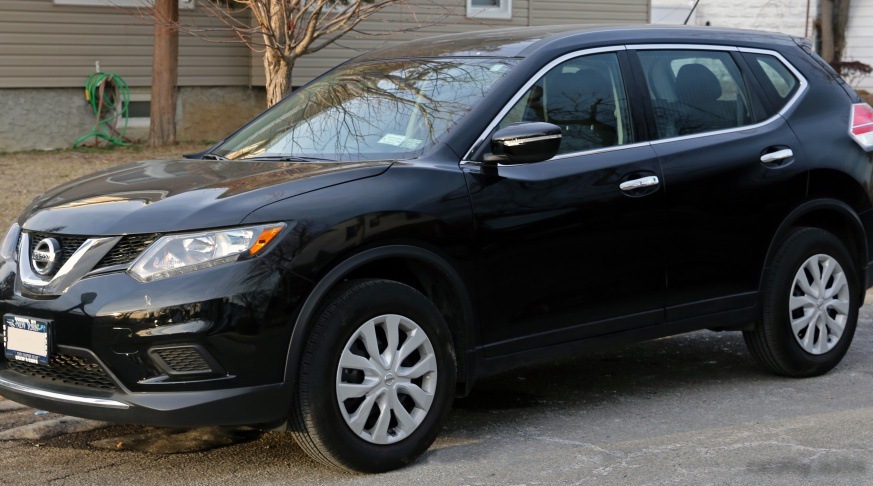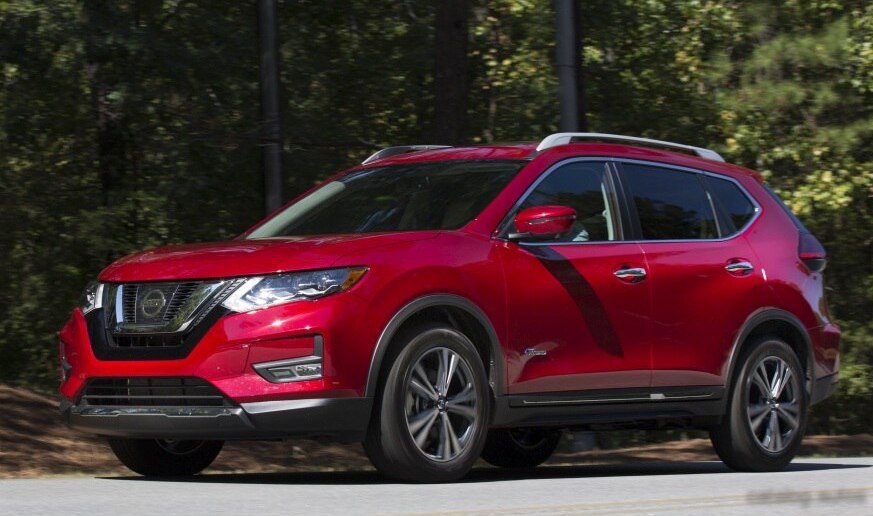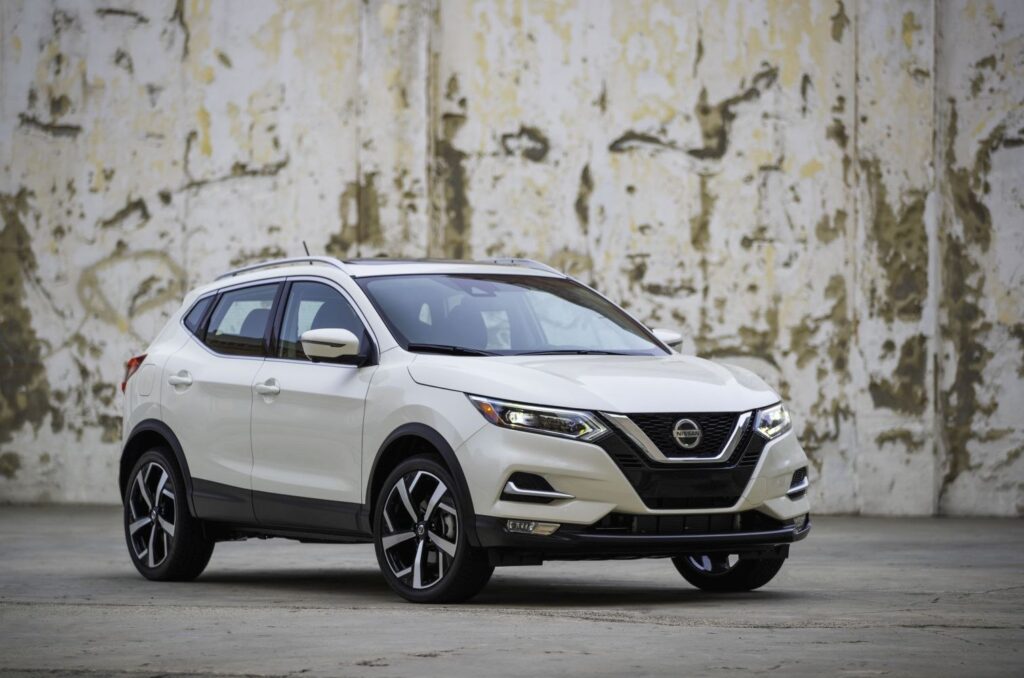
The Nissan Rogue Sport (facelift 2020) 2.0 Xtronic represents a significant iteration within the second generation of Nissan’s compact crossover SUV. Introduced for the 2020 model year, this version offered a refreshed design and continued to serve as a more accessible entry point into the Rogue family, positioned below the standard Rogue in both size and price. Built on the CMF-B platform, shared with other Renault-Nissan-Mitsubishi Alliance vehicles, the Rogue Sport aimed to appeal to buyers seeking a fuel-efficient and maneuverable urban vehicle. The 2.0-liter engine paired with the Xtronic continuously variable transmission (CVT) was a core configuration for this facelift, targeting a balance between affordability and acceptable performance.
Powertrain & Engine Architecture
The heart of the 2020 Nissan Rogue Sport 2.0 Xtronic is the MR20DD 2.0-liter inline-four cylinder gasoline engine. This engine is a naturally aspirated powerplant, meaning it relies solely on atmospheric pressure to induce airflow, rather than forced induction like a turbocharger. It produces 141 horsepower at 6000 rpm and 199 Nm (146.77 lb-ft) of torque at 4400 rpm. The engine features direct fuel injection, a technology that improves fuel efficiency and power output by injecting fuel directly into the combustion chamber. The valvetrain utilizes a Dual Overhead Camshaft (DOHC) configuration with Continuously Variable Valve Timing Control System (CVTCS), optimizing valve timing for improved performance and reduced emissions.
The engine’s bore and stroke are 84 mm (3.31 in) and 90.1 mm (3.55 in) respectively, resulting in a displacement of 1997 cm³ (121.86 cu. in). It boasts a compression ratio of 11.2:1. The engine is transversely mounted in the front of the vehicle, driving the front wheels. The Xtronic CVT, Nissan’s branded continuously variable transmission, is a key component of this powertrain. Unlike traditional automatic transmissions with fixed gear ratios, a CVT uses a belt and pulley system to provide a virtually infinite number of gear ratios, optimizing engine efficiency and smoothness. The CVT in the Rogue Sport is designed to mimic the feel of traditional gear changes, but offers smoother acceleration and improved fuel economy.
Fuel Injection and Emissions
The MR20DD engine employs a multi-point direct fuel injection system. This system allows for precise control over fuel delivery, contributing to improved combustion efficiency and reduced emissions. The Rogue Sport 2.0 Xtronic meets LEV3 ULEV70 emission standards, indicating its compliance with stringent California and federal emission regulations.
Driving Characteristics
The 2020 Nissan Rogue Sport 2.0 Xtronic delivers adequate, though not exhilarating, performance. With 141 hp and the CVT, acceleration is linear and predictable. The CVT effectively keeps the engine in its optimal power band, providing smooth and responsive acceleration for everyday driving situations. However, compared to higher-output versions of the Rogue or competitors with turbocharged engines, the 2.0-liter engine can feel strained when accelerating quickly or climbing hills. The CVT’s simulated gear changes can sometimes feel disconnected, and the engine can exhibit noticeable drone under hard acceleration. The weight-to-power ratio of 10.8 kg/Hp (93 Hp/tonne) reflects the vehicle’s modest performance capabilities. The focus is clearly on fuel efficiency and comfortable cruising rather than sporty driving dynamics.
The CVT is programmed with various drive modes, including Eco and Sport, which adjust the transmission’s shift points to prioritize fuel economy or performance, respectively. In Eco mode, the transmission favors higher gear ratios to minimize engine speed and maximize fuel efficiency. Sport mode holds lower gear ratios for longer, providing quicker acceleration and a more responsive feel.
Equipment & Trim Levels
The 2020 Nissan Rogue Sport 2.0 Xtronic was typically offered in S, SV, and SL trim levels. The base S trim included standard features such as a 7-inch touchscreen infotainment system with Apple CarPlay and Android Auto compatibility, Bluetooth connectivity, and a rearview camera. Higher trims, like the SV and SL, added features such as a larger touchscreen display, upgraded audio systems, heated front seats, a power driver’s seat, and advanced safety technologies like blind-spot monitoring and rear cross-traffic alert. Interior upholstery in the S trim was typically cloth, while the SV and SL trims offered upgraded cloth or leather upholstery options. Optional extras included a panoramic sunroof, Bose premium audio system, and ProPILOT Assist, Nissan’s advanced driver-assistance system.
Chassis & Braking
The Rogue Sport utilizes an independent coil spring suspension in the front, coupled with an independent multi-link spring suspension in the rear, both incorporating a transverse stabilizer bar. This suspension setup provides a comfortable ride quality and decent handling characteristics. The front brakes are ventilated discs measuring 295.91×25.91 mm, while the rear brakes are also ventilated discs, measuring 292.1×16 mm. The vehicle is equipped with an Anti-lock Braking System (ABS) as standard. Steering is provided by an electric power steering rack and pinion system, offering light and precise steering feel. Tire sizes varied depending on the trim level, ranging from 215/65 R16 to 225/45 R19. The curb weight ranges from 1516-1557 kg (3342.21 – 3432.6 lbs).
Market Reception & Comparison
The 2020 Nissan Rogue Sport 2.0 Xtronic was generally well-received by critics as a practical and affordable compact crossover. Its fuel economy, rated at 8.4 l/100 km (28 US mpg combined), was a key selling point. However, some reviewers criticized its lack of power and the sometimes-unrefined feel of the CVT. Compared to other trims in the Rogue Sport lineup, the 2.0-liter engine offered the most accessible price point but sacrificed performance. The Rogue Sport, in general, competed with vehicles like the Honda HR-V, Mazda CX-3, and Toyota C-HR. The Rogue Sport often offered more cargo space than some of its competitors, but its interior materials and overall driving experience were sometimes considered less refined.
Technical Specifications
| Engine Model/Code | MR20DD |
| Engine Displacement | 1997 cm³ (121.86 cu. in.) |
| Number of Cylinders | 4, Inline |
| Power | 141 Hp @ 6000 rpm |
| Torque | 199 Nm @ 4400 rpm (146.77 lb.-ft. @ 4400 rpm) |
| Compression Ratio | 11.2:1 |
| Fuel Injection System | Direct Injection |
| Valvetrain | DOHC, CVTCS |
| Fuel Consumption (Urban) | 9.4 l/100 km (25 US mpg) |
| Fuel Consumption (Extra Urban) | 7.4 l/100 km (31.8 US mpg) |
| Fuel Consumption (Combined) | 8.4 l/100 km (28 US mpg) |
| Fuel Tank Capacity | 55 l (14.53 US gal) |
| Kerb Weight | 1516-1557 kg (3342.21 – 3432.6 lbs.) |
| Max. Weight | 1975 kg (4354.13 lbs.) |
| Trunk Space (Minimum) | 564-648 l (19.92 – 22.88 cu. ft.) |
| Trunk Space (Maximum) | 1730 l (61.09 cu. ft.) |
| Transmission | Xtronic CVT |
Legacy
The MR20DD engine, while not known for being exceptionally durable or high-performance, has proven to be reasonably reliable in the Nissan Rogue Sport. Common issues reported include oil consumption and occasional CVT failures, but these are not widespread problems. On the used car market, the 2020 Rogue Sport 2.0 Xtronic represents a relatively affordable and fuel-efficient option in the compact crossover segment. Its lower price point and decent fuel economy make it an attractive choice for budget-conscious buyers. However, potential buyers should be aware of the potential for oil consumption and CVT issues and should have the vehicle thoroughly inspected before purchase. The Rogue Sport 2.0 Xtronic remains a viable option for those seeking a practical and economical urban vehicle.