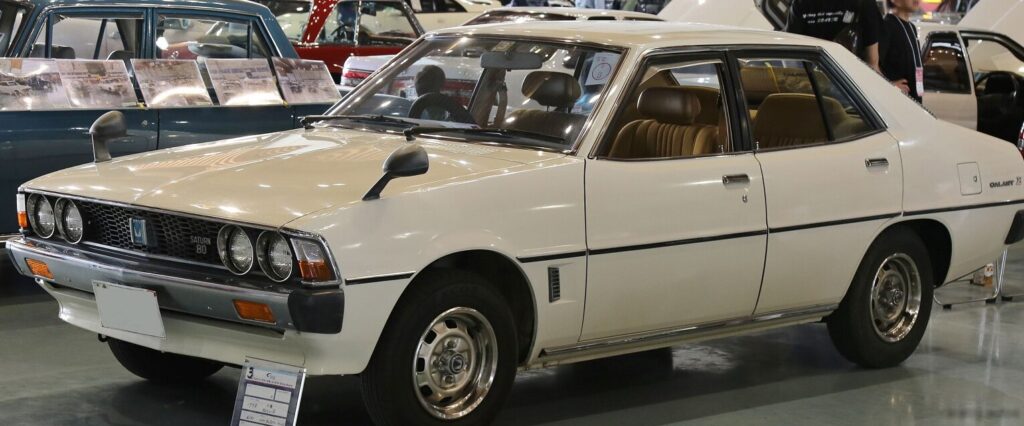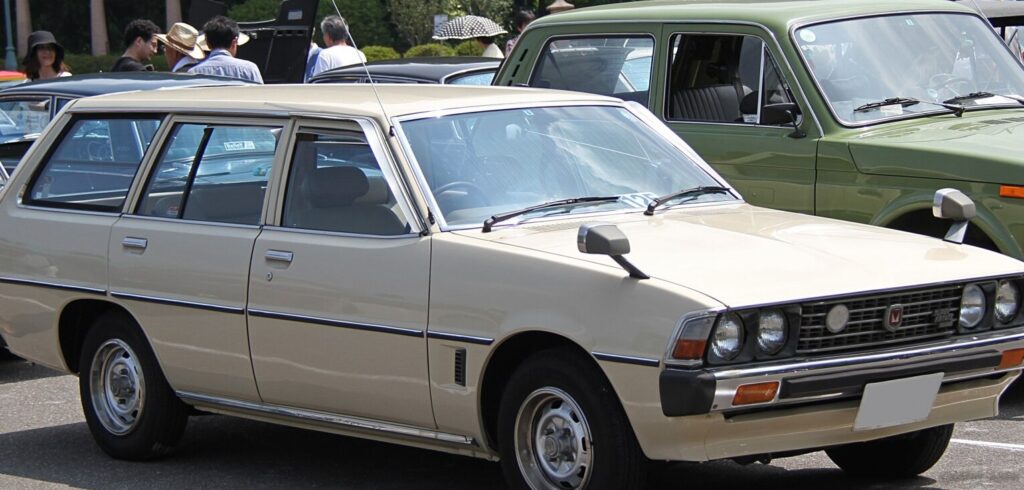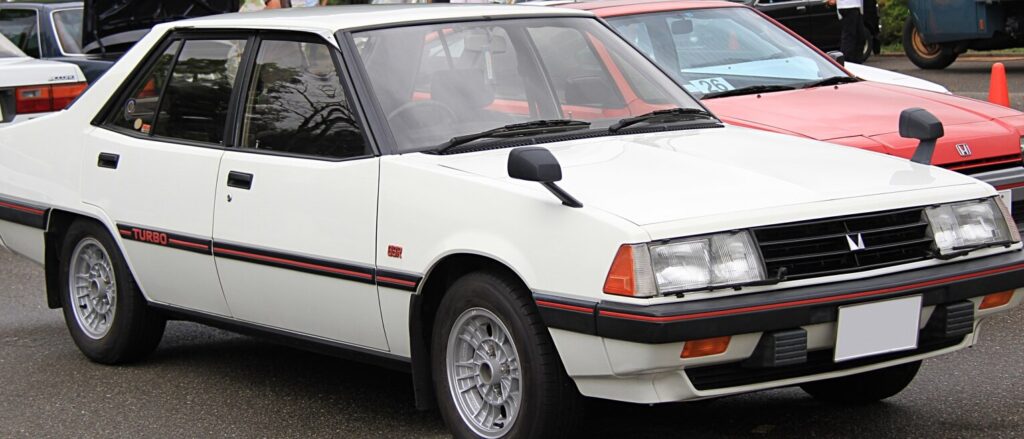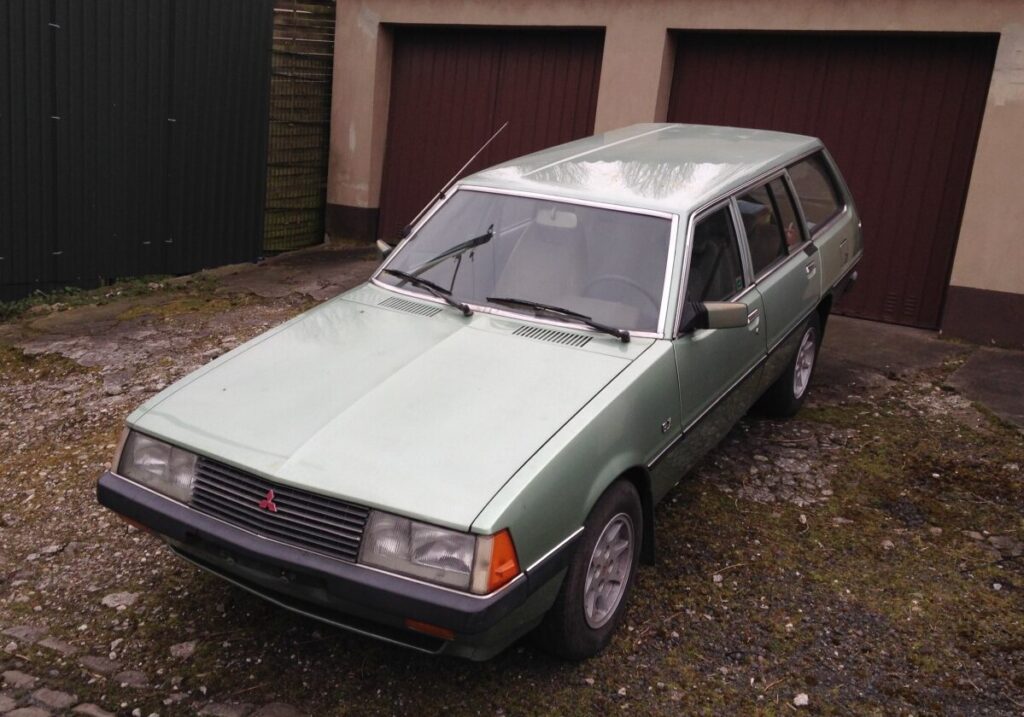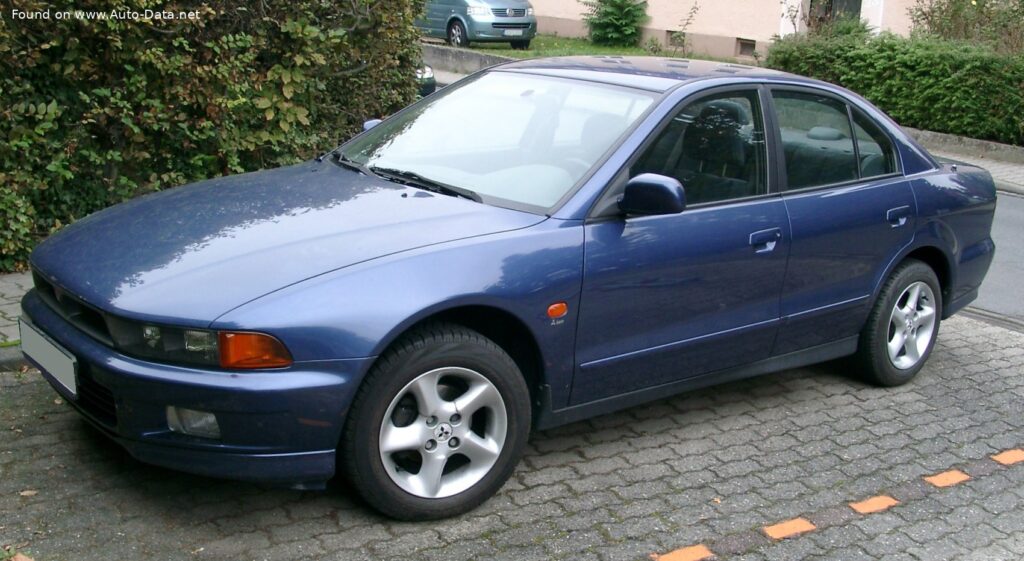
The Mitsubishi Galant VIII 2.0 TDI (90 hp) was a diesel-powered variant of the eighth-generation Mitsubishi Galant, produced from 1996 to 2002. Positioned as an economy-focused option within the Galant VIII lineup, it offered a balance between fuel efficiency and practicality for European and other international markets. This model occupied the lower to mid-range of the Galant VIII offerings, sitting below the more powerful gasoline engine options like the 2.0L and 2.5L V6 variants. It was primarily aimed at drivers seeking a comfortable and reliable sedan with lower running costs.
Powertrain & Engine Architecture
The Galant VIII 2.0 TDI was powered by the 4D68T engine, a 1.998-liter (121.93 cubic inches) inline-four cylinder diesel engine. This engine utilized a precombustion chamber injection system, a common diesel technology of the era. This system involved injecting fuel into a small pre-chamber within the cylinder head, where it partially combusted before being ignited in the main combustion chamber. This design aided in smoother combustion and reduced engine noise compared to direct injection systems of the time. The 4D68T featured an overhead camshaft (OHC) valvetrain with two valves per cylinder.
The engine produced 90 horsepower (hp) at 4500 rpm and 202 Newton-meters (148.99 lb-ft) of torque at 2500 rpm. The engine’s compression ratio was relatively high at 22.4:1, typical for diesel engines, contributing to its efficiency. Engine oil capacity was 5.1 liters (5.39 US quarts / 4.49 UK quarts), and the recommended coolant capacity was 8 liters (8.45 US quarts / 7.04 UK quarts). The engine was transversely mounted in the front of the vehicle.
While a five-speed manual transmission was the standard offering, the 2.0 TDI was also available with a four-speed automatic transmission. This automatic was a conventional hydraulic control unit, offering smooth but not particularly quick shifts. The automatic transmission was a key feature for buyers prioritizing ease of use over outright performance.
Transmission Details
The four-speed automatic transmission paired with the 2.0 TDI was designed for durability and smooth operation. Gear ratios were optimized for fuel economy and everyday driving conditions. First gear was relatively short for quick acceleration from a standstill, while higher gears were geared for efficient cruising. While not offering the responsiveness of a manual transmission, the automatic provided a comfortable driving experience, particularly in urban environments.
Driving Characteristics
The Galant VIII 2.0 TDI (90 hp) with the automatic transmission delivered modest performance. Acceleration was adequate for everyday driving, but it wasn’t a particularly sporty vehicle. The 0 to 60 mph time was estimated to be around 12-13 seconds. The engine’s torque peak at 2500 rpm provided reasonable pulling power for overtaking maneuvers, but required downshifting with the automatic transmission for more urgent acceleration.
The automatic transmission, while convenient, did detract from the engine’s overall responsiveness. The gear changes were not particularly quick, and the transmission could sometimes feel hesitant when attempting to accelerate rapidly. Compared to the manual transmission version, the automatic offered a more relaxed driving experience but at the expense of performance. The manual transmission version felt more engaging and offered slightly improved fuel economy.
Equipment & Trim Levels
The Galant VIII 2.0 TDI typically came with a reasonable level of standard equipment, though trim levels varied depending on the market. Standard features generally included power steering, central locking, electric windows, and an AM/FM radio. Air conditioning was often an optional extra. Interior upholstery was typically cloth, with a relatively simple dashboard layout. Higher trim levels might have included features such as alloy wheels, a sunroof, and upgraded audio systems.
Safety features included an Anti-lock Braking System (ABS) as standard equipment, a significant safety advancement for the time. The interior was designed with practicality in mind, offering comfortable seating for five passengers and a usable trunk space of 470 liters (16.6 cubic feet). The overall interior ambiance was functional rather than luxurious, reflecting the car’s positioning as an affordable and reliable family sedan.
Chassis & Braking
The Galant VIII 2.0 TDI utilized a coil spring suspension system for both the front and rear axles. The front suspension featured MacPherson struts, while the rear suspension employed a multi-link setup. This suspension configuration provided a comfortable ride quality, absorbing bumps and imperfections in the road surface effectively. The chassis was designed to provide a balance between handling and comfort, prioritizing stability over sporty handling characteristics.
Braking duties were handled by ventilated discs on the front wheels and drum brakes on the rear wheels. This configuration was common for vehicles in this class during the late 1990s and early 2000s. The ABS system helped to prevent wheel lockup during hard braking, improving stopping distances and maintaining steering control. Steering was provided by a hydraulic power steering system, offering light and easy steering effort.
Market Reception & Comparison
The Mitsubishi Galant VIII 2.0 TDI was generally well-received as a practical and economical family sedan. Critics praised its fuel efficiency, comfortable ride, and reasonable price point. However, the engine’s performance was often criticized as being somewhat underwhelming, particularly when paired with the automatic transmission. Compared to the gasoline-powered Galant variants, the 2.0 TDI offered significantly better fuel economy but lacked the same level of performance.
Fuel consumption figures were approximately 8 liters per 100 km (29.4 US mpg / 35.3 UK mpg) in urban driving and 6 liters per 100 km (39.2 US mpg / 47.1 UK mpg) on the open road. The 2.0 TDI competed with other mid-size diesel sedans such as the Ford Mondeo TDI, Volkswagen Passat TDI, and Opel/Vauxhall Vectra TDI. The Galant offered a competitive package in terms of price and features, but often lagged behind its rivals in terms of brand prestige and driving dynamics.
Technical Specifications
| Brand | Mitsubishi |
| Model | Galant |
| Generation | Galant VIII |
| Type (Engine) | 2.0 TDI (90 Hp) |
| Start of production | 1996 |
| End of production | 2002 |
| Engine Model/Code | 4D68T |
| Engine displacement | 1998 cm3 (121.93 cu. in.) |
| Number of cylinders | 4 |
| Engine configuration | Inline |
| Power | 90 Hp @ 4500 rpm |
| Torque | 202 Nm @ 2500 rpm (148.99 lb.-ft. @ 2500 rpm) |
| Fuel Type | Diesel |
| Fuel consumption (urban) | 8 l/100 km (29.4 US mpg) |
| Fuel consumption (extra urban) | 6 l/100 km (39.2 US mpg) |
| Maximum speed | 180 km/h (111.85 mph) |
| Kerb Weight | 1300 kg (2866.01 lbs) |
| Max. weight | 1870 kg (4122.64 lbs) |
| Trunk (boot) space | 470 l (16.6 cu. ft.) |
| Fuel tank capacity | 64 l (16.91 US gal) |
| Length | 4630 mm (182.28 in) |
| Width | 1740 mm (68.5 in) |
| Height | 1415 mm (55.71 in) |
Legacy
The Mitsubishi Galant VIII 2.0 TDI, while not a particularly groundbreaking vehicle, proved to be a reliable and economical option for many drivers. The 4D68T engine, when properly maintained, is known for its durability and longevity. Today, these vehicles are relatively rare, and well-maintained examples are sought after by enthusiasts and those looking for a classic diesel sedan.
The automatic transmission versions, while offering a comfortable driving experience, are generally considered less desirable than the manual transmission models due to their slower performance. However, the 2.0 TDI remains a viable option for those seeking a simple, affordable, and fuel-efficient vehicle. Parts availability can be a challenge, but many components are still available through aftermarket suppliers. The Galant VIII 2.0 TDI represents a snapshot of automotive engineering from the late 1990s, offering a blend of practicality, reliability, and affordability.