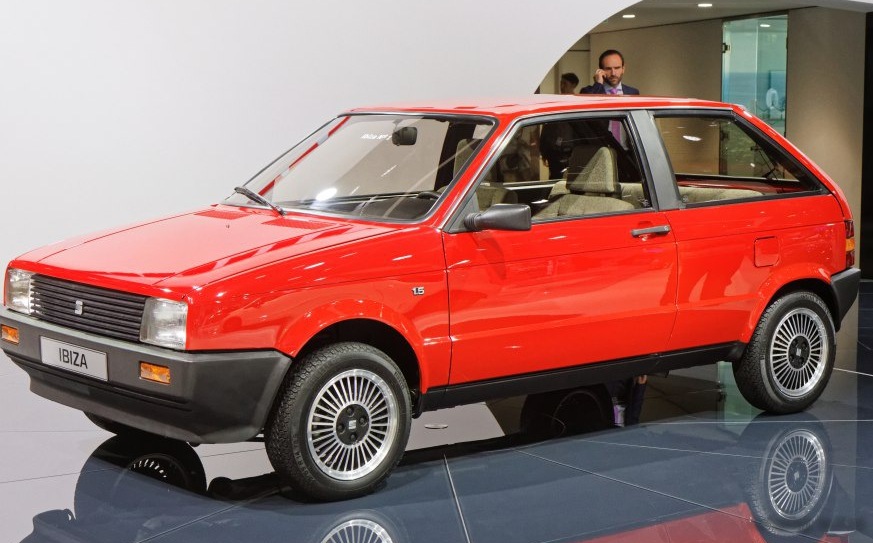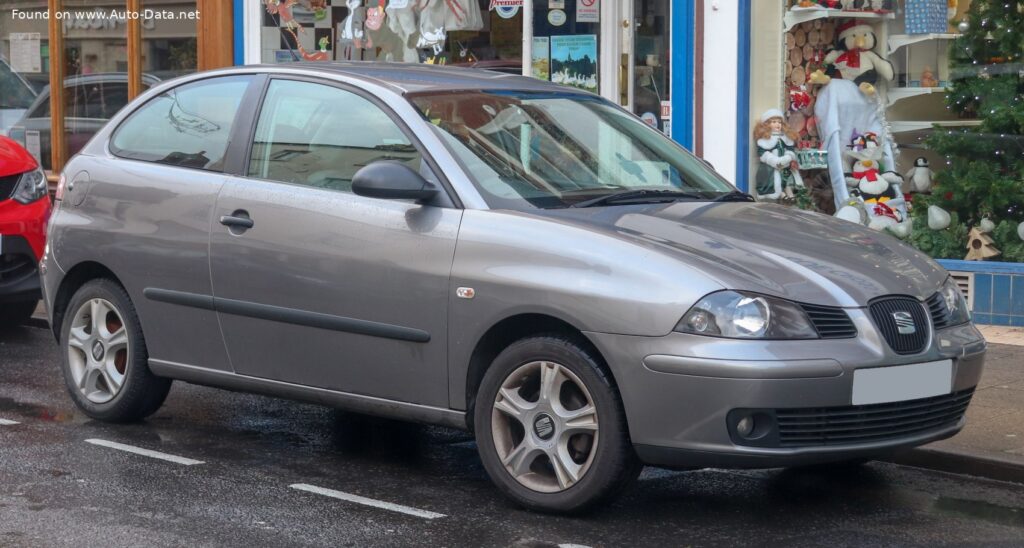
The Seat Ibiza III 1.2, producing 54 horsepower, was a mainstay of the range during its production run from 2002 to 2006. Positioned as the entry-level model within the third-generation Ibiza (6L) series, built on the Volkswagen Group’s PQ24 platform, it offered an affordable and economical option for buyers. This variant was primarily aimed at first-time drivers, city commuters, and those seeking a low-cost vehicle with reasonable practicality. The Ibiza III range, encompassing both 3-door and 5-door hatchback configurations, represented Seat’s attempt to establish itself as a more youthful and dynamic brand within the European automotive market.
The 1.2-Liter Engine and Powertrain
The heart of the Ibiza III 1.2 was the 1.2-liter, three-cylinder gasoline engine, identified by engine codes AWY and BMD. This engine was a member of Volkswagen Group’s EA111 family, known for its compact size and relatively simple construction. It featured a naturally aspirated intake, multi-port fuel injection, and an overhead camshaft (OHC) valvetrain with two valves per cylinder. The engine’s displacement was 1198 cc (73.11 cubic inches), and it produced a maximum power output of 54 hp at 4750 rpm and 106 Nm (78.18 lb-ft) of torque at 3000 rpm. This configuration was specifically chosen for its fuel efficiency and affordability, rather than outright performance.
While a five-speed manual transmission was the most common pairing for this engine, an optional four-speed automatic transmission was available, though less frequently selected. The automatic transmission was a conventional hydraulic unit, designed to provide smooth, if not particularly rapid, gear changes. The automatic version further prioritized ease of use over sporty driving dynamics.
Engine Architecture Details
The EA111 engine family, including the 1.2-liter variant, utilized a cast iron block and an aluminum cylinder head. The cylinder bore measured 76.5 mm (3.01 inches), and the piston stroke was 86.9 mm (3.42 inches), resulting in a compression ratio of 10.8:1. The engine’s lubrication system provided 2.8 liters (2.96 US quarts) of oil, adhering to specific VW/Audi oil specifications. Cooling capacity was 5.6 liters (5.92 US quarts). The engine’s relatively simple design contributed to its reliability, but also limited its potential for high performance.
Driving Characteristics
The Seat Ibiza III 1.2 (54 hp) offered modest performance. Acceleration from 0 to 100 km/h (0 to 62 mph) took approximately 17.9 seconds, and the top speed was limited to 155 km/h (96.31 mph). The engine’s limited power output meant that overtaking maneuvers required careful planning, and the car felt most comfortable at lower speeds. The automatic transmission, while convenient, further reduced acceleration times due to its less efficient power transfer compared to the manual gearbox. The weight-to-power ratio of 18.7 kg/hp underscored the engine’s limitations.
However, the 1.2-liter engine excelled in urban driving conditions. Its light weight and responsive throttle made it easy to maneuver in city traffic. Fuel economy was a significant strength, with combined fuel consumption figures reaching 5.9 l/100 km (39.9 US mpg, 47.9 UK mpg, 16.9 km/l). The suspension, tuned for comfort, provided a reasonably smooth ride, although it could feel somewhat unsettled on uneven surfaces.
Equipment and Trim Levels
The Ibiza III 1.2 typically came with a basic level of equipment, reflecting its entry-level positioning. Standard features generally included power steering, central locking, front airbags, and an adjustable steering column. Interior upholstery was typically cloth, and the dashboard featured a simple, functional design. Air conditioning was often an optional extra, as were features like electric windows and alloy wheels.
Trim levels varied depending on the market, but generally followed a progressive structure. Base models offered minimal frills, while higher trims added features like upgraded upholstery, a CD player, and body-colored bumpers. The focus remained on providing a practical and affordable vehicle, rather than luxury or advanced technology.
Chassis and Braking
The Ibiza III utilized a front-wheel-drive layout with a MacPherson strut front suspension and a coil spring rear suspension. The front brakes were ventilated discs, providing adequate stopping power for the car’s weight and performance. However, the rear brakes were typically drum brakes, a cost-saving measure common in entry-level models. The steering system employed a hydraulic power steering rack and pinion, offering reasonable precision and feedback. Tire size was typically 185/60 R14.
The car’s kerb weight of 1010 kg (2226.67 lbs) contributed to its relatively nimble handling, despite the engine’s limited power. Anti-lock Braking System (ABS) was included as a standard safety feature.
Market Reception and Comparison
The Seat Ibiza III 1.2 was generally well-received as an affordable and economical city car. Critics praised its fuel efficiency and practicality, but noted its lack of performance. Compared to other engines in the Ibiza III range, such as the 1.4-liter and 1.8-liter gasoline engines, the 1.2-liter version offered significantly less power and acceleration. However, it also provided lower running costs and a more accessible price point.
Compared to competitors like the Ford Fiesta, Renault Clio, and Volkswagen Polo, the Ibiza III 1.2 held its own in terms of value for money. Its Spanish design and youthful image also appealed to a specific segment of the market. Reliability was generally good, although the three-cylinder engine could be prone to occasional vibrations.
Technical Specifications
| Body Type | Hatchback, 3-5 Doors |
| Engine Displacement | 1.2 l (1198 cm3 / 73.11 cu. in.) |
| Engine Code | AWY, BMD |
| Number of Cylinders | 3, Inline |
| Power Output | 54 hp @ 4750 rpm |
| Torque | 106 Nm (78.18 lb-ft) @ 3000 rpm |
| Fuel Consumption (Urban) | 7.8 l/100 km (30.2 US mpg, 36.2 UK mpg, 12.8 km/l) |
| Fuel Consumption (Extra Urban) | 4.8 l/100 km (49 US mpg, 58.9 UK mpg, 20.8 km/l) |
| Fuel Consumption (Combined) | 5.9 l/100 km (39.9 US mpg, 47.9 UK mpg, 16.9 km/l) |
| Acceleration 0-100 km/h | 17.9 sec |
| Top Speed | 155 km/h (96.31 mph) |
| Kerb Weight | 1010 kg (2226.67 lbs) |
| Fuel Tank Capacity | 45 l (11.89 US gal, 9.9 UK gal) |
| Transmission | 5-speed manual or 4-speed automatic |
| Brakes (Front) | Ventilated Discs |
| Brakes (Rear) | Drums |
Legacy
The Seat Ibiza III 1.2 (54 hp) remains a relatively common sight on used car markets today. Its affordability and fuel efficiency continue to appeal to budget-conscious buyers. While the engine’s performance is limited by modern standards, it has proven to be reasonably reliable, provided it has been properly maintained. Common issues include occasional oil leaks and wear on the timing chain. The automatic transmission, while convenient, is generally considered less durable than the manual gearbox. Overall, the Ibiza III 1.2 represents a practical and economical choice for those seeking a basic, no-frills city car.
The 1.2-liter engine itself, in various iterations, continued to be used in other Volkswagen Group vehicles for several years, demonstrating its versatility and cost-effectiveness. However, it has since been superseded by more modern and efficient engine technologies.