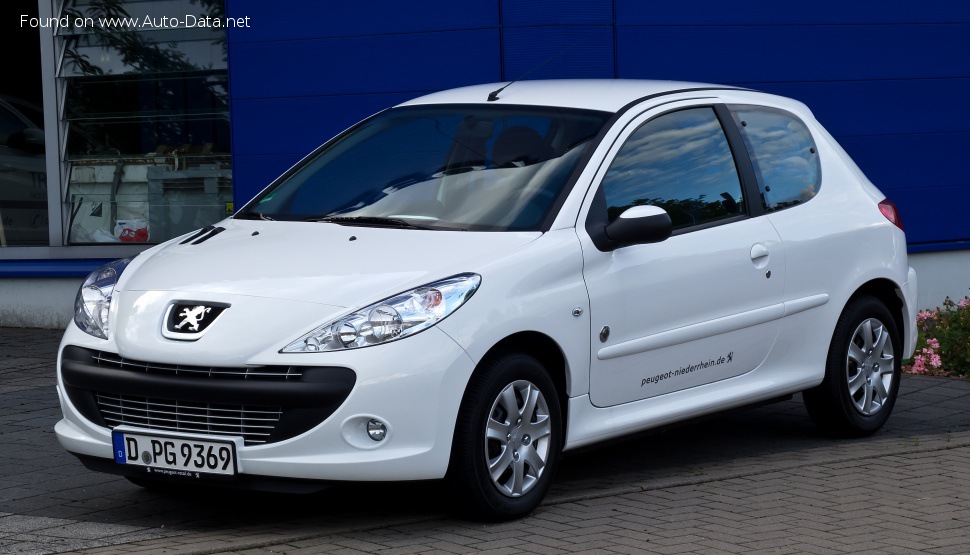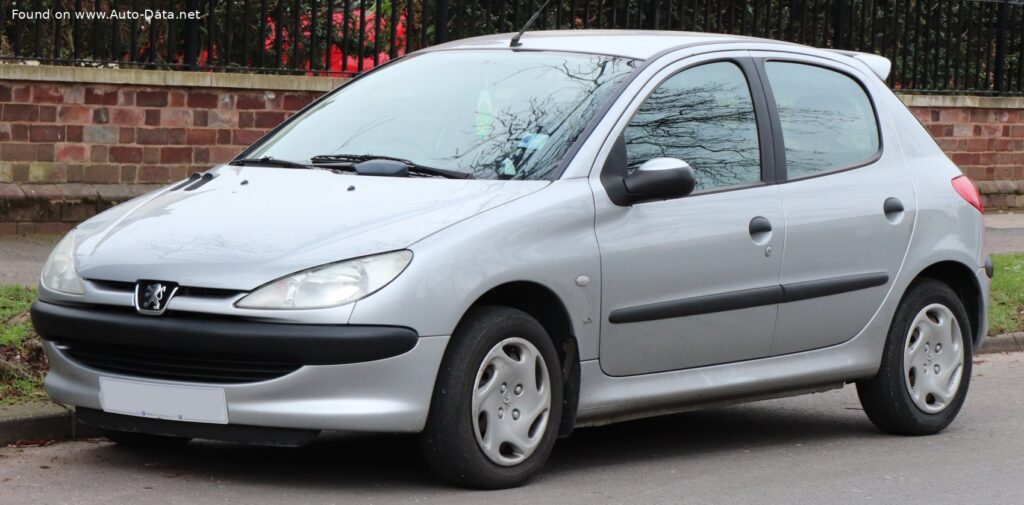
The Peugeot 206 1.4i, producing 75 horsepower, was a mainstay of the Peugeot 206 range from its introduction in 1998 through 2003. Positioned as the entry-level model in many markets, it offered an affordable and economical option within the broader 206 lineup, which also included sportier variants like the GTI-16 and more efficient diesel options. The 206 itself was a significant vehicle for Peugeot, representing a move towards more modern design and build quality, and was built on the PSA Group’s 20 platform, shared with the Citroën 206. This generation of 206 (T1 platform) aimed to appeal to a younger demographic with its stylish design and relatively compact size.
The 1.4i Engine and its Role in the 206 Lineup
The 1.4i engine, designated KFX (and sometimes TU3JP) within Peugeot’s engine family, was the foundation of the 206’s affordability. It served as the gateway into the 206 ownership experience, attracting buyers prioritizing fuel economy and low running costs over outright performance. Compared to the more powerful 2.0L petrol engines and the 1.9L and 2.0L diesel options, the 1.4i offered a significantly different driving experience. While the higher-spec models catered to enthusiasts, the 1.4i targeted everyday drivers, families, and those new to car ownership. It was often chosen for its simplicity and ease of maintenance.
Powertrain & Engine Architecture
The KFX engine is an inline four-cylinder, naturally aspirated petrol engine with a displacement of 1361 cc (83.05 cubic inches). It features a single overhead camshaft (OHC) valvetrain operating two valves per cylinder. Fuel delivery is managed by a multi-port fuel injection system, providing a balance between efficiency and responsiveness. The engine’s compression ratio is 9.3:1. The engine produces 75 hp at 5800 rpm and 111 Nm (81.87 lb-ft) of torque at 3400 rpm. This configuration, while not particularly powerful, was known for its reliability and relatively low maintenance requirements.
The 1.4i was typically paired with a five-speed manual transmission, but a four-speed automatic transmission was also offered, though less common. The automatic transmission, while providing convenience, did impact performance and fuel economy compared to the manual version. The automatic’s gear ratios were optimized for fuel efficiency rather than acceleration, resulting in a more relaxed driving experience. The automatic transmission was a Jatco unit, commonly used by PSA at the time.
Driving Characteristics
The Peugeot 206 1.4i with the automatic transmission delivers a decidedly unhurried driving experience. Acceleration from 0-60 mph takes approximately 13.1 seconds, and 0-100 km/h in 13.8 seconds. Top speed is rated at 170 km/h (105.63 mph). The engine feels strained when pushed hard, and overtaking maneuvers require careful planning. The automatic transmission contributes to this by sometimes being hesitant to downshift, particularly when needing a quick burst of power. However, in urban environments and on slower roads, the 1.4i automatic is perfectly adequate, offering smooth and predictable performance. The gear ratios are spaced to prioritize fuel efficiency, making it a comfortable cruiser at steady speeds.
Equipment & Trim Levels
The 1.4i typically came with a relatively basic level of equipment, reflecting its position as the entry-level model. Standard features generally included power steering, central locking, and an immobilizer. Interior upholstery was typically cloth, and the dashboard featured a simple, functional design. Air conditioning was often an optional extra, as were features like alloy wheels, electric windows, and a radio/CD player. Higher trim levels, such as the ‘LX’ or ‘GL’ variants, added some of these features as standard. The interior plastics were durable but not particularly luxurious, reflecting the car’s price point. Safety features were also relatively basic, typically including driver and passenger airbags and ABS (Anti-lock Braking System) on some models.
Chassis & Braking
The 206 1.4i utilizes a front-wheel-drive layout with a MacPherson strut suspension at the front and a torsion beam suspension at the rear. This suspension setup provides a reasonable balance between comfort and handling, although it’s not as sophisticated as the independent rear suspension found on some higher-spec 206 models. The front brakes are disc brakes, while the rear brakes are typically drum brakes, a cost-saving measure for the entry-level variant. The steering is rack and pinion with hydraulic power assistance, providing a light and easy steering feel. Tire size is typically 165/70 R13, mounted on 13-inch steel wheels, although alloy wheels were available as an option.
Market Reception & Comparison
The Peugeot 206 1.4i was generally well-received by critics as a practical and affordable small car. It was praised for its stylish design, comfortable ride, and fuel efficiency. However, the 1.4i engine was often criticized for its lack of power, particularly when paired with the automatic transmission. Compared to other small cars of the era, such as the Ford Fiesta and the Renault Clio, the 206 1.4i offered a competitive package in terms of price and features. Fuel economy figures were respectable, averaging around 37.3 US mpg (combined). Reliability was generally good, although some owners reported minor issues with the electrical system. The 1.4i automatic was often seen as a sensible choice for drivers prioritizing ease of use over performance.
Technical Specifications
| Engine Type | Inline 4-Cylinder Petrol |
| Engine Displacement | 1361 cc (83.05 cu in) |
| Engine Code | KFX (TU3JP) |
| Power Output | 75 hp @ 5800 rpm |
| Torque Output | 111 Nm (81.87 lb-ft) @ 3400 rpm |
| Fuel Injection | Multi-port Fuel Injection |
| Valvetrain | OHC (2 valves per cylinder) |
| Compression Ratio | 9.3:1 |
| Transmission | 4-Speed Automatic (Optional 5-Speed Manual) |
| Drive Wheels | Front Wheel Drive |
| Kerb Weight | 950 kg (2094.39 lbs) |
| Maximum Weight | 1450 kg (3196.7 lbs) |
| Fuel Consumption (Urban) | 8.9 l/100 km (26.4 US mpg) |
| Fuel Consumption (Extra Urban) | 5.3 l/100 km (44.4 US mpg) |
| Fuel Consumption (Combined) | 6.3 l/100 km (37.3 US mpg) |
| Fuel Tank Capacity | 50 l (13.21 US gal) |
| Acceleration 0-60 mph | 13.1 sec (Calculated) |
| Top Speed | 170 km/h (105.63 mph) |
Legacy
The Peugeot 206 1.4i, particularly the automatic version, has proven to be a relatively reliable and durable car. While not known for its performance, the powertrain has generally stood the test of time. In the used car market today, these models are often available at very affordable prices, making them attractive to first-time buyers or those seeking a cheap and cheerful runaround. Maintenance costs are generally low, and parts are readily available. However, potential buyers should be aware of the possibility of age-related issues, such as corrosion and wear and tear on suspension components. The 1.4i automatic remains a popular choice for those prioritizing simplicity, fuel economy, and low running costs over driving excitement.