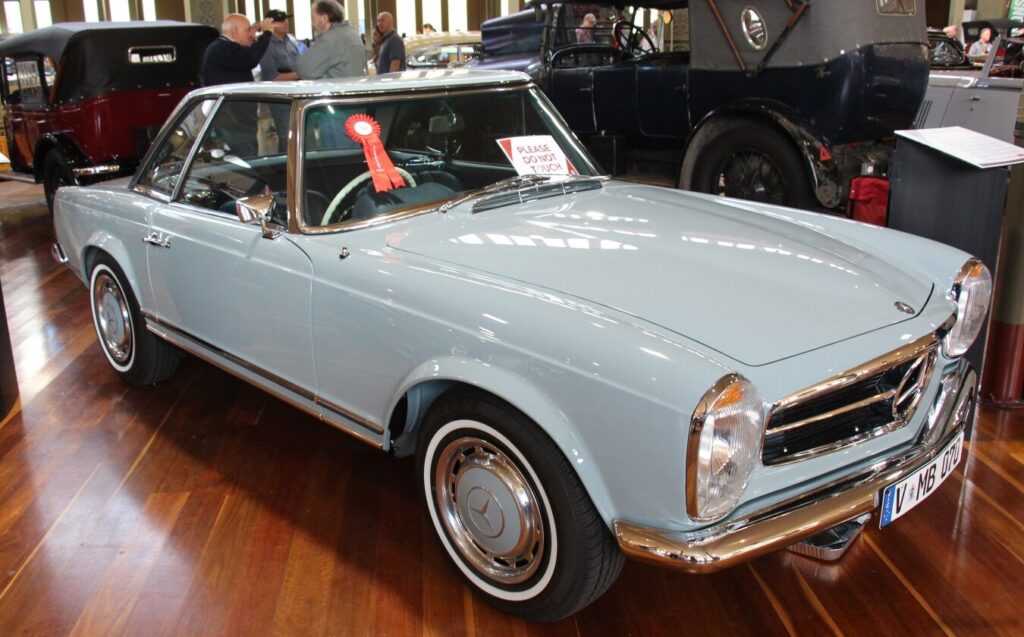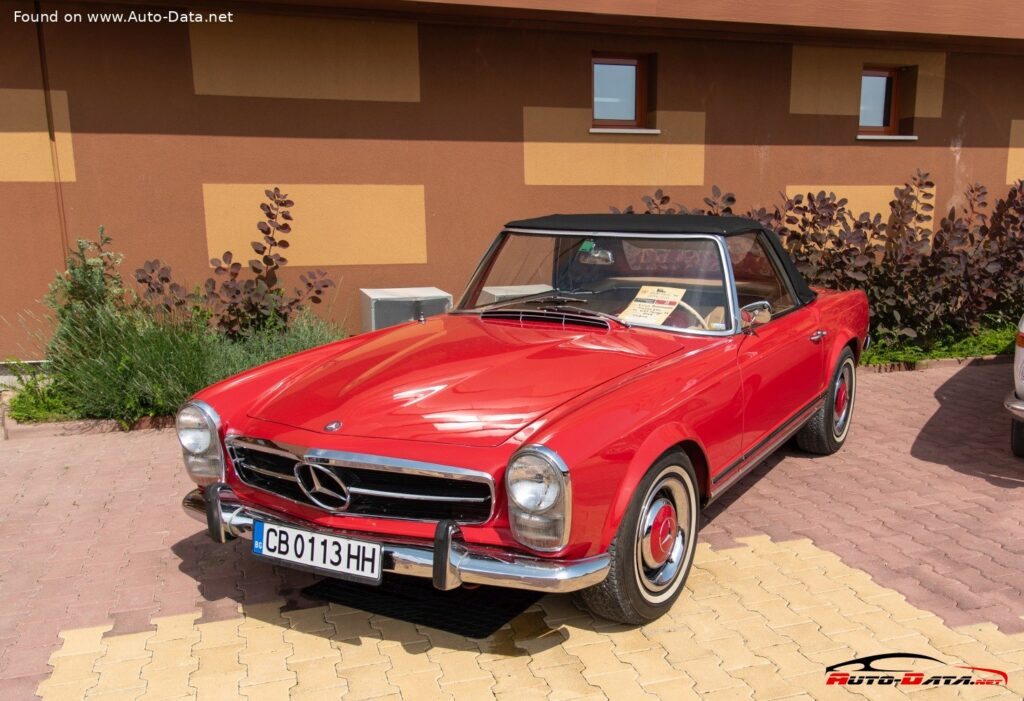
The Mercedes-Benz W113 SL, affectionately known as the “Pagoda SL,” represented a significant evolution in the iconic SL lineage. Produced between 1963 and 1971, it succeeded the 300 SL “Gullwing” and 190 SL. The 230 SL, introduced in July 1963 and continuing through January 1967, was the initial model of the W113 series. It occupied a middle ground in the SL lineup, offering a blend of performance, luxury, and relative affordability compared to the later, more powerful 250 SL and 280 SL variants. The 230 SL, particularly when equipped with the optional four-speed automatic transmission, aimed to provide a comfortable and refined grand touring experience.
The 230 SL Automatic: Positioning and Overview
The 230 SL Automatic was positioned as the entry-level variant within the W113 range. While a four-speed manual transmission was available, the automatic option catered to buyers prioritizing ease of use and a more relaxed driving experience. This made the 230 SL Automatic particularly appealing to American buyers, who increasingly favored automatic transmissions during the 1960s. It was a car designed for long-distance cruising, offering a sophisticated alternative to sportier, more demanding roadsters. The automatic version traded some performance for convenience, appealing to a different demographic than the enthusiast focused manual transmission models.
Powertrain & Engine Architecture
The heart of the 230 SL was the M127.981 engine, a 2.3-liter (2306 cc) inline-six cylinder gasoline engine. This engine featured a cast iron block and an aluminum cylinder head, a common design choice for Mercedes-Benz at the time. It employed a single overhead camshaft (SOHC) valvetrain operating two valves per cylinder. Crucially, the 230 SL utilized Bosch multi-port fuel injection, a relatively advanced feature for the early 1960s, contributing to its smooth power delivery and improved fuel efficiency compared to carbureted engines. The engine produced 150 horsepower at 5,500 rpm and 196 Nm (144.56 lb-ft) of torque at 4,200 rpm.
The automatic transmission was a four-speed unit, a robust and reliable design for its era. It wasn’t a particularly modern automatic by today’s standards, lacking the overdrive gears found in later transmissions, but it provided smooth and predictable shifts. The transmission’s gear ratios were geared towards comfortable cruising rather than outright acceleration. The engine and transmission combination was longitudinally mounted, driving the rear wheels.
Driving Characteristics
The 230 SL Automatic offered a distinctly different driving experience compared to its manual transmission counterpart and the later, more powerful SL variants. While the 150 hp engine provided adequate power for comfortable highway cruising, acceleration was not its strong suit. The 0-60 mph time was approximately 10.2 seconds, and 0-100 km/h took around 10.7 seconds. The automatic transmission, while smooth, did sap some power, resulting in a slightly less responsive feel. The gear ratios were optimized for relaxed cruising, meaning the engine didn’t rev as high in each gear as it would with a manual transmission.
However, the 230 SL Automatic excelled in providing a refined and comfortable ride. The suspension, featuring coil springs and double wishbones at the front and coil springs at the rear, absorbed bumps effectively. The steering, a cone worm with recirculation balls system, provided a reasonably direct feel, although it required a bit more effort than modern power steering systems. Overall, the driving experience was one of understated elegance and effortless cruising.
Equipment & Trim Levels
The 230 SL was well-equipped for its time, even in its base automatic configuration. Standard features included leather upholstery, a wood-trimmed dashboard, and a comprehensive instrument panel. The interior was designed with a focus on comfort and luxury. The optional hardtop, a defining feature of the “Pagoda SL,” provided excellent weather protection and a coupe-like appearance. The standard soft top offered open-air motoring.
Optional extras included power steering, power windows, a radio, and whitewall tires. Buyers could also specify different interior color combinations and trim materials. The level of customization available allowed owners to tailor the car to their individual preferences. The automatic transmission itself was considered an optional upgrade, adding to the vehicle’s price.
Chassis & Braking
The 230 SL featured a robust chassis designed to provide a comfortable and stable ride. The car weighed approximately 1295 kg (2854.99 lbs) in its standard form. The front suspension utilized coil springs, double wishbones, and a transverse stabilizer bar to minimize body roll and improve handling. The rear suspension employed coil springs. Braking duties were handled by disc brakes at the front and drum brakes at the rear. While the braking system was adequate for the car’s performance, it lacked the stopping power of more modern systems. The tires were typically 185 HR 14, providing a good balance of grip and ride comfort.
Market Reception & Comparison
The 230 SL was generally well-received by automotive critics. It was praised for its elegant styling, comfortable ride, and refined interior. However, some critics noted that the performance was not as exhilarating as some of its competitors, particularly the more sporting roadsters from Jaguar and Porsche. The automatic transmission was seen as a positive feature by many, particularly in the American market, where it broadened the car’s appeal.
Compared to the later 250 SL and 280 SL variants, the 230 SL offered a more affordable entry point into the W113 range. The 250 SL and 280 SL boasted larger engines with increased power and torque, resulting in improved performance. However, they also came with a higher price tag. The 230 SL Automatic offered a compelling combination of luxury, comfort, and affordability, making it a popular choice for buyers seeking a sophisticated grand tourer.
Technical Specifications
| Brand | Mercedes-Benz |
| Model | SL |
| Generation | SL (W113) |
| Type | 230 SL (150 Hp) Automatic |
| Start of production | July, 1963 |
| End of production | January, 1967 |
| Engine Model/Code | M 127.981 |
| Engine displacement | 2306 cm3 (140.72 cu. in.) |
| Number of cylinders | 6 (Inline) |
| Power | 150 Hp @ 5500 rpm |
| Torque | 196 Nm @ 4200 rpm (144.56 lb.-ft. @ 4200 rpm) |
| Fuel Type | Petrol (Gasoline) |
| Fuel consumption (combined) | 10.2 l/100 km (23.1 US mpg, 27.7 UK mpg, 9.8 km/l) |
| Acceleration 0 – 100 km/h | 10.7 sec |
| Acceleration 0 – 60 mph | 10.2 sec |
| Maximum speed | 195 km/h (121.17 mph) |
| Kerb Weight | 1295 kg (2854.99 lbs) |
| Fuel tank capacity | 65 l (17.17 US gal, 14.3 UK gal) |
| Transmission | 4 gears, automatic transmission |
Legacy
The 230 SL Automatic, and the W113 series as a whole, has become a highly sought-after classic car. Its elegant styling, comfortable ride, and reliable mechanicals have ensured its enduring appeal. The M127 engine, while not a powerhouse, is known for its durability and relatively straightforward maintenance. The automatic transmission, while not particularly advanced, has proven to be robust and long-lasting. Today, well-maintained 230 SL Automatics command significant prices in the collector car market. They represent a piece of automotive history, embodying the elegance and sophistication of the 1960s. The car’s enduring popularity is a testament to its timeless design and engineering.