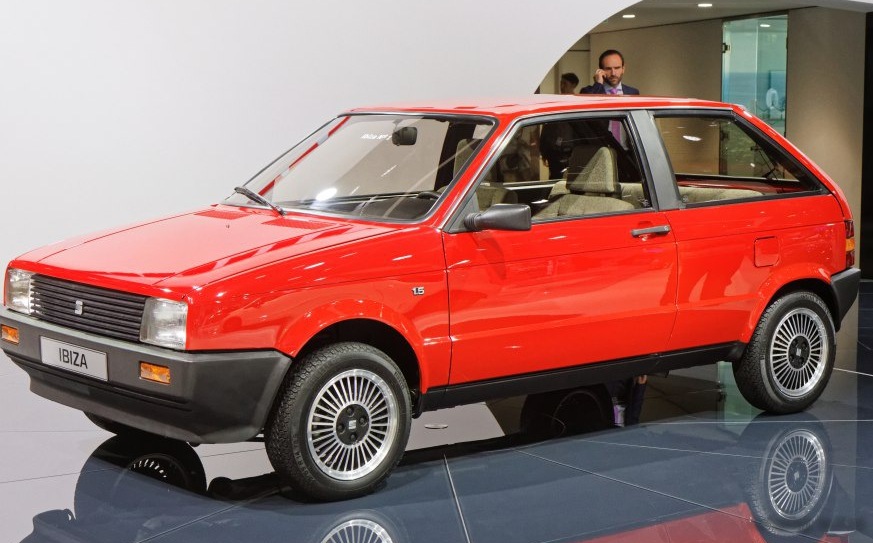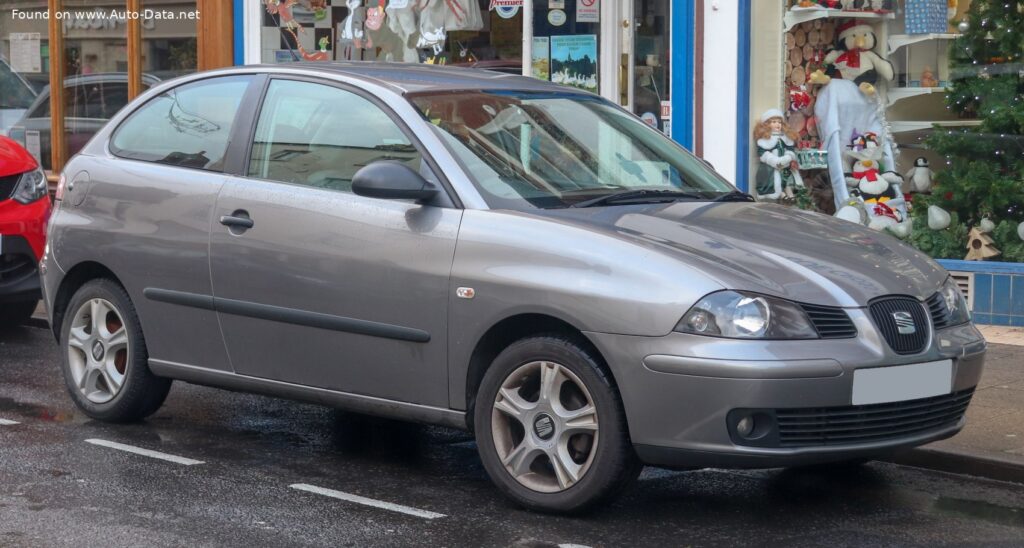
The Seat Ibiza III 1.4 16V, produced between 2002 and 2006, represented an entry-level offering within the third generation (6L) Ibiza range. Positioned as the most affordable variant, it served as a gateway into the model line, appealing to budget-conscious buyers and those prioritizing fuel efficiency. The Ibiza III, built on the Volkswagen Group’s PQ24 platform (also known as the 1HX0/A3 platform), aimed to modernize the brand and offer a more sophisticated small car experience. This 1.4-liter 16-valve engine, producing 75 horsepower, was primarily paired with a five-speed manual transmission, though an optional four-speed automatic was available, impacting performance and target demographics.
Powertrain & Engine Architecture
The heart of the Ibiza III 1.4 16V was the Volkswagen Group’s EA111 engine family. Specifically, the BBY and BKY engine codes were commonly found in this model. This 1.4-liter inline four-cylinder engine featured a naturally aspirated configuration and a 16-valve dual overhead camshaft (DOHC) valvetrain. The engine displaced 1390 cc (84.82 cubic inches) with a bore of 76.5 mm (3.01 inches) and a stroke of 75.6 mm (2.98 inches), resulting in a compression ratio of 10.5:1. Fuel delivery was managed by a multi-port fuel injection system, a common setup for engines of this era.
While a five-speed manual transmission was the standard offering, a four-speed automatic transmission was available as an option. This automatic, typically the 4F24, was a conventional hydraulic automatic, known for its relative simplicity and affordability. However, it came at the cost of efficiency and responsiveness compared to the manual gearbox. The automatic transmission’s gear ratios were geared towards economy rather than performance, further emphasizing the Ibiza 1.4’s role as a practical and economical city car.
Engine Specifications
The BBY/BKY engine produced a maximum power output of 75 horsepower (54 hp/liter) at 5000 rpm and a peak torque of 128 Nm (94.41 lb-ft) at 3300 rpm. The engine required 3.2 liters (3.38 US quarts) of engine oil and 6 liters (6.34 US quarts) of coolant for optimal operation.
Driving Characteristics
The Seat Ibiza III 1.4 16V, particularly when equipped with the four-speed automatic transmission, offered a decidedly unhurried driving experience. Acceleration from 0 to 100 km/h (0-62 mph) took approximately 13.2 seconds, while 0 to 60 mph was achieved in around 12.5 seconds. The top speed was rated at 174 km/h (108.12 mph). The automatic transmission’s relatively wide gear ratios meant that the engine often felt strained during acceleration, requiring a significant amount of throttle input to achieve reasonable progress.
Compared to the more powerful Ibiza variants, such as the 1.8 20V or the 1.9 TDI, the 1.4 16V felt noticeably slower and less refined. The manual transmission version offered a more engaging driving experience, allowing drivers to better control the engine’s power band. However, even with the manual, the 1.4 16V was primarily suited for urban driving and shorter journeys. The suspension, tuned for comfort, provided a reasonably compliant ride, but handling was not particularly sporty.
Equipment & Trim Levels
The Ibiza III 1.4 16V typically came with a basic level of equipment, reflecting its entry-level positioning. Standard features generally included power steering, central locking, front airbags, and an adjustable steering column. Interior upholstery was typically cloth, and the dashboard featured a simple, functional design. Air conditioning was often an optional extra, as were features like electric windows and alloy wheels.
Trim levels varied depending on the market, but generally, the 1.4 16V was offered in ‘S’, ‘SE’, and ‘Sport’ variants. The ‘S’ trim was the most basic, while the ‘SE’ added features like air conditioning and electric front windows. The ‘Sport’ trim included alloy wheels, a sportier interior trim, and sometimes lowered suspension. The availability of optional extras allowed buyers to customize their Ibiza to some extent, but the 1.4 16V remained the most affordable and sparsely equipped model in the range.
Chassis & Braking
The Ibiza III 1.4 16V utilized a front-wheel-drive layout with a MacPherson strut front suspension and a torsion beam rear suspension. The front brakes were ventilated discs, providing adequate stopping power for the vehicle’s weight and performance. However, the rear brakes were typically solid discs, which were less effective than ventilated discs. The steering was a hydraulic power steering system, offering reasonable assistance at low speeds.
The kerb weight of the Ibiza III 1.4 16V was approximately 1035 kg (2281.78 lbs). This relatively low weight helped to mitigate the effects of the engine’s modest power output. The weight-to-power ratio was 13.8 kg/hp, while the weight-to-torque ratio was 8.1 kg/Nm. Tire size was typically 185/60 R14.
Market Reception & Comparison
The Seat Ibiza III 1.4 16V was generally well-received as an affordable and practical small car. Critics praised its fuel efficiency and low running costs, but noted its lack of performance and refinement compared to more expensive rivals. Compared to other trims in the Ibiza lineup, the 1.4 16V offered the lowest purchase price but also the least exciting driving experience. The 1.8 20V provided significantly more power and a sportier feel, while the 1.9 TDI offered excellent fuel economy and strong torque.
Fuel consumption figures for the Ibiza III 1.4 16V were approximately 10.2 l/100 km (23.1 US mpg) in urban conditions, 5.8 l/100 km (40.6 US mpg) on the extra-urban cycle, and 7.4 l/100 km (31.8 US mpg) combined. Reliability was generally good, although the four-speed automatic transmission was known to be less durable than the manual gearbox.
Technical Specifications
| Brand | Seat |
| Model | Ibiza |
| Generation | Ibiza III |
| Type (Engine) | 1.4 16V (75 Hp) |
| Start of production | January, 2002 |
| End of production | 2006 |
| Powertrain Architecture | Internal Combustion engine |
| Body type | Hatchback |
| Seats | 5 |
| Doors | 3-5 |
| Fuel consumption (urban) | 10.2 l/100 km (23.1 US mpg) |
| Fuel consumption (extra urban) | 5.8 l/100 km (40.6 US mpg) |
| Fuel consumption (combined) | 7.4 l/100 km (31.8 US mpg) |
| Fuel Type | Petrol (Gasoline) |
| Acceleration 0 – 100 km/h | 13.2 sec |
| Acceleration 0 – 62 mph | 13.2 sec |
| Acceleration 0 – 60 mph | 12.5 sec |
| Maximum speed | 174 km/h (108.12 mph) |
| Weight-to-power ratio | 13.8 kg/Hp |
| Weight-to-torque ratio | 8.1 kg/Nm |
| Power | 75 Hp @ 5000 rpm |
| Torque | 128 Nm @ 3300 rpm (94.41 lb.-ft. @ 3300 rpm) |
| Engine layout | Front, Transverse |
| Engine Model/Code | BBY, BKY |
| Engine displacement | 1390 cm3 (84.82 cu. in.) |
| Number of cylinders | 4 |
| Engine configuration | Inline |
| Cylinder Bore | 76.5 mm (3.01 in.) |
| Piston Stroke | 75.6 mm (2.98 in.) |
| Compression ratio | 10.5:1 |
| Number of valves per cylinder | 4 |
| Fuel injection system | Multi-port manifold injection |
| Engine aspiration | Naturally aspirated engine |
| Valvetrain | OHC |
| Engine oil capacity | 3.2 l (3.38 US qt | 2.82 UK qt) |
| Coolant | 6 l (6.34 US qt | 5.28 UK qt) |
| Kerb Weight | 1035 kg (2281.78 lbs.) |
| Trunk (boot) space – minimum | 265 l (9.36 cu. ft.) |
| Trunk (boot) space – maximum | 1030 l (36.37 cu. ft.) |
| Fuel tank capacity | 45 l (11.89 US gal | 9.9 UK gal) |
| Length | 3955 mm (155.71 in.) |
| Width | 1700 mm (66.93 in.) |
| Height | 1440 mm (56.69 in.) |
| Wheelbase | 2460 mm (96.85 in.) |
| Front track | 1435 mm (56.5 in.) |
| Rear (Back) track | 1425 mm (56.1 in.) |
| Drivetrain Architecture | Front wheel drive |
| Number of gears and type of gearbox | 5 gears, manual transmission |
| Front suspension | Wishbone |
| Rear suspension | Spring Strut |
| Front brakes | Ventilated discs |
| Rear brakes | Disc |
| Assisting systems | ABS (Anti-lock braking system) |
| Steering type | Steering rack and pinion |
| Power steering | Hydraulic Steering |
| Tires size | 185/60 R14 |
Legacy
The Seat Ibiza III 1.4 16V, while not a particularly sought-after variant today, remains a relatively affordable and reliable option in the used car market. The BBY/BKY engines are generally considered durable, although regular maintenance is essential to prevent issues. The four-speed automatic transmission is the main area of concern, as it is prone to wear and tear. Overall, the Ibiza III 1.4 16V represents a sensible and economical choice for those seeking a basic, no-frills small car. Its simplicity and relatively low running costs continue to appeal to budget-conscious buyers, making it a common sight on European roads even today.