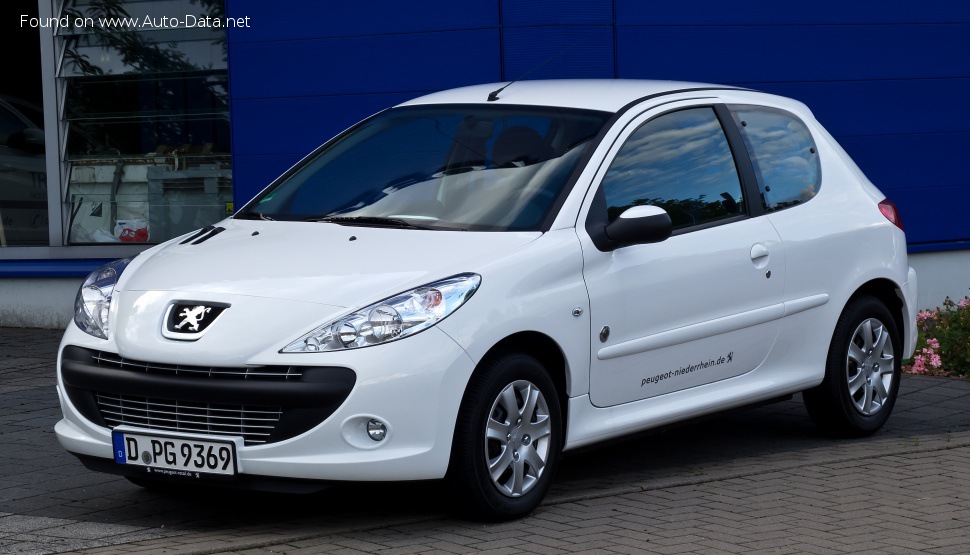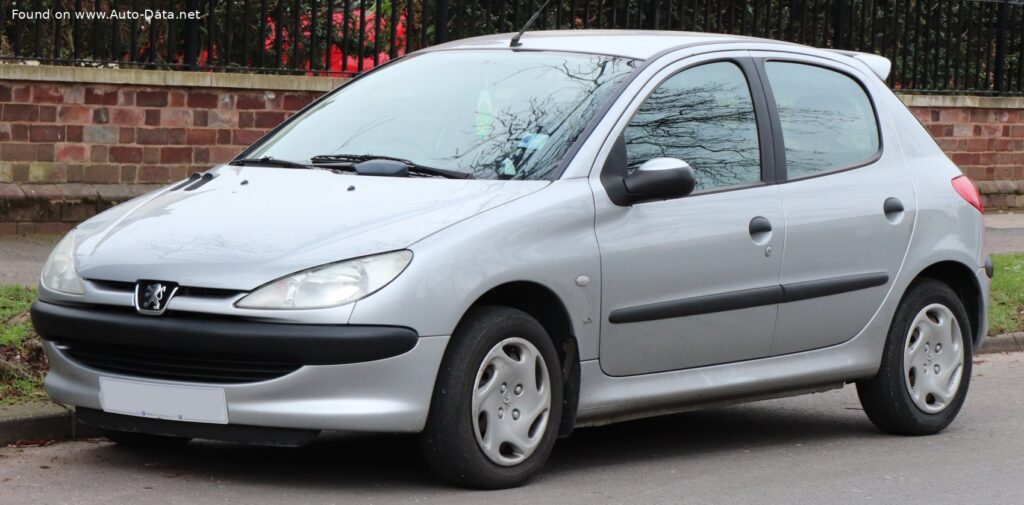
The Peugeot 206 1.6 16V, produced between 1998 and 2003, was a significant variant within the highly successful 206 series. Representing a step up in performance from the base models, the 1.6 16V offered a compelling blend of efficiency and driving enjoyment. This model occupied the mid-range position in the 206 lineup, bridging the gap between the more economical 1.4L engines and the performance-oriented GTI models. Built on the T1 platform, the 206 was Peugeot’s replacement for the popular 205, and quickly became a best-seller in Europe.
Peugeot 206 1.6 16V: A Detailed Overview
The 1.6 16V version of the Peugeot 206 was designed to appeal to drivers seeking a more spirited driving experience without sacrificing practicality or fuel economy. It was available in both three-door and five-door hatchback configurations, catering to a wide range of customer needs. The introduction of the 16-valve cylinder head significantly boosted power output compared to the 8-valve engines, making it a popular choice for those who frequently drove on highways or enjoyed a more engaging driving style.
Powertrain & Engine Architecture
At the heart of the 206 1.6 16V lies the NFU (and sometimes TU5JP4) engine code, a 1.587-liter (96.84 cubic inches) inline four-cylinder gasoline engine. This engine featured a multi-port fuel injection system, delivering fuel directly into the intake ports for optimized combustion. The 16-valve dual overhead camshaft (DOHC) valvetrain allowed for precise control of the intake and exhaust valves, contributing to the engine’s increased power and efficiency. The engine produced 109 horsepower at 5750 rpm and 147 Nm (108.42 lb-ft) of torque at 4000 rpm. The compression ratio was set at 11:1, a relatively high figure for the time, contributing to the engine’s responsiveness.
While a five-speed manual transmission was the most common pairing, a four-speed automatic transmission was also offered. The automatic transmission, while providing convenience, did slightly diminish the car’s acceleration and fuel economy compared to the manual version. The automatic was geared towards drivers prioritizing ease of use over outright performance.
Driving Characteristics
The Peugeot 206 1.6 16V offered a noticeable improvement in driving dynamics compared to the lower-powered variants. Acceleration from 0 to 100 km/h (0-62 mph) took approximately 10.5 seconds, and it could reach a top speed of 198 km/h (123.03 mph). The engine’s power delivery was relatively linear, providing good responsiveness throughout the rev range. The five-speed manual transmission allowed drivers to keep the engine in its optimal power band, while the automatic transmission offered smooth, if somewhat less engaging, gear changes.
Compared to the more powerful 206 GTI, the 1.6 16V lacked the ultimate performance and sporty handling characteristics. However, it offered a more refined and comfortable ride, making it a more practical choice for everyday driving. The 1.4L models, while more fuel-efficient, felt noticeably underpowered, especially when fully loaded or driving uphill. The 1.6 16V struck a good balance between performance and economy.
Equipment & Trim Levels
The 1.6 16V trim level typically included features such as power steering, central locking, electric front windows, and an adjustable steering column. Air conditioning was often an optional extra. Interior upholstery was typically cloth, with a range of colors and patterns available. Higher trim levels offered upgrades such as alloy wheels, a CD player, and upgraded interior trim. Safety features included ABS (Anti-lock Braking System) and driver and passenger airbags. The dashboard layout was functional and ergonomically designed, providing easy access to all essential controls.
Chassis & Braking
The Peugeot 206 1.6 16V utilized a MacPherson strut front suspension and a torsion beam rear suspension. This setup provided a good balance between ride comfort and handling. The front brakes were ventilated discs, offering good stopping power, while the rear brakes were typically solid discs. The steering was a hydraulic power-assisted rack and pinion system, providing precise and responsive steering feel. The car rode on 185/65 R14 tires, mounted on 14-inch steel or alloy wheels.
Market Reception & Comparison
The Peugeot 206 1.6 16V was generally well-received by automotive critics. It was praised for its stylish design, comfortable ride, and responsive engine. Fuel economy was also a strong point, with combined fuel consumption figures around 6.4 l/100 km (36.8 US mpg). Compared to rivals such as the Renault Clio and Volkswagen Polo, the 206 1.6 16V offered a compelling package of features and performance. Reliability was generally good, although some owners reported minor issues with the electrical system. The automatic transmission, while convenient, was sometimes criticized for its sluggishness.
Technical Specifications
| Engine Type | Inline 4-Cylinder Petrol |
| Engine Displacement | 1587 cm³ (96.84 cu in) |
| Engine Code | NFU (TU5JP4) |
| Power Output | 109 hp @ 5750 rpm |
| Torque | 147 Nm (108.42 lb-ft) @ 4000 rpm |
| Fuel Injection | Multi-port Fuel Injection |
| Valvetrain | DOHC (16 Valves) |
| Compression Ratio | 11:1 |
| Transmission | 5-Speed Manual or 4-Speed Automatic |
| Drive Type | Front-Wheel Drive |
| Kerb Weight | 1088 kg (2398.63 lbs) |
| Maximum Weight | 1553 kg (3423.78 lbs) |
| Fuel Consumption (Urban) | 9.2 l/100 km (25.6 US mpg) |
| Fuel Consumption (Extra Urban) | 5.6 l/100 km (42 US mpg) |
| Fuel Consumption (Combined) | 6.4 l/100 km (36.8 US mpg) |
| 0-100 km/h | 10.5 seconds |
| Top Speed | 198 km/h (123.03 mph) |
Legacy
The Peugeot 206 1.6 16V remains a popular choice in the used car market today. Its combination of style, practicality, and affordability makes it an attractive option for budget-conscious buyers. The NFU engine is generally considered to be reliable, although regular maintenance is essential to ensure its longevity. Parts availability is good, and the car is relatively easy to repair. While not as sought-after as the GTI models, the 1.6 16V offers a good balance of performance and economy, making it a sensible and enjoyable choice for everyday driving. The automatic transmission versions, while less desirable to enthusiasts, continue to provide a comfortable and convenient driving experience.