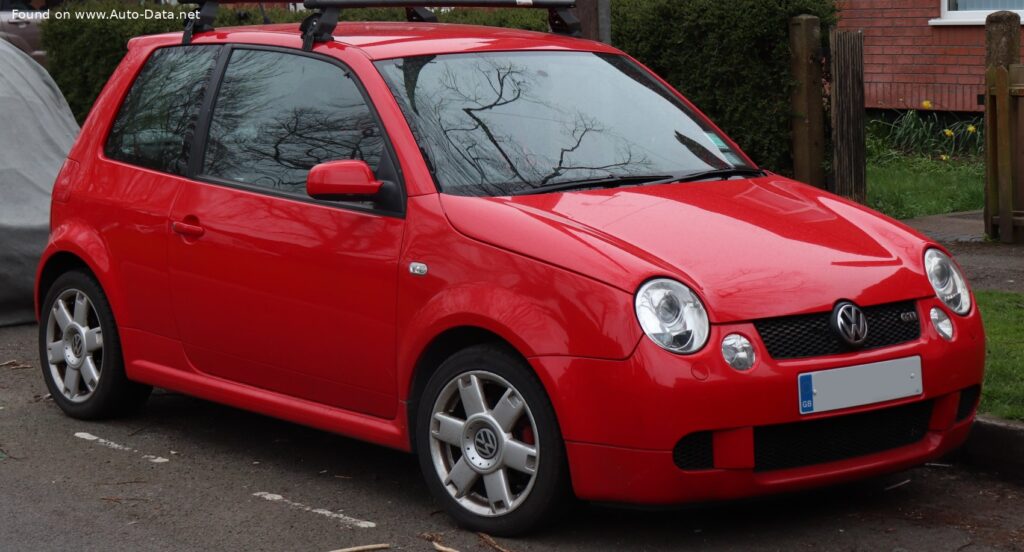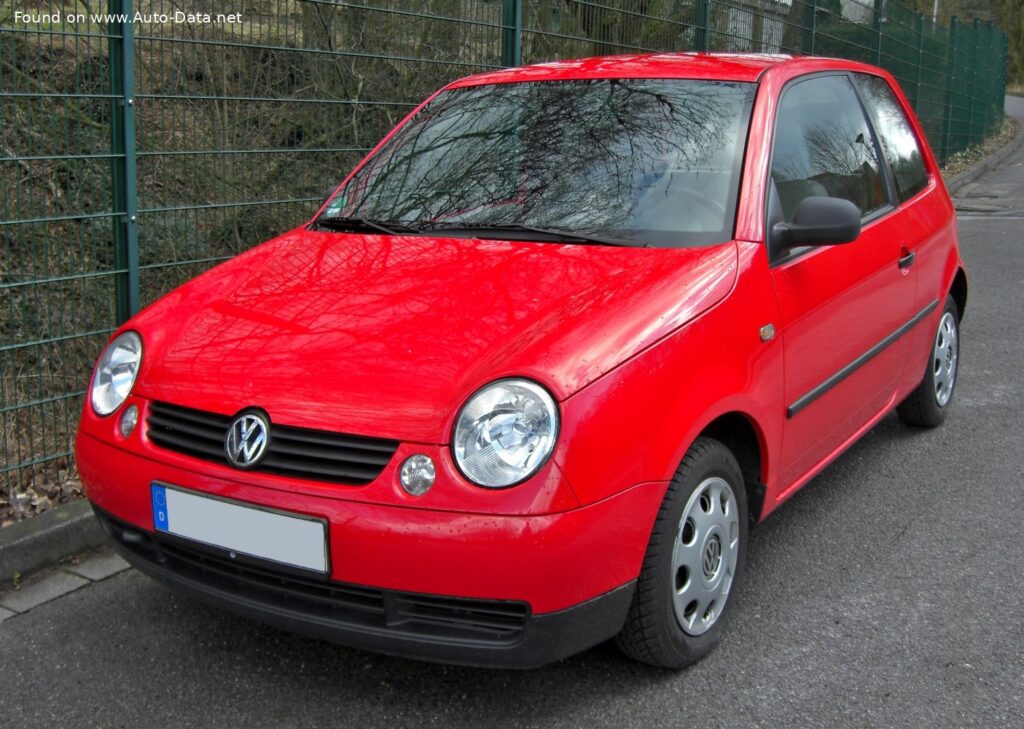
The Volkswagen Lupo (6X) 1.7 SDI, produced from 1998 to 2005, represented the entry point into the Lupo range for buyers seeking economical and practical transportation. This variant, powered by a 1.7-liter direct injection diesel engine producing 60 horsepower, was a popular choice in Europe, particularly for urban commuters and first-time car owners. The Lupo (6X) itself was a significant model for Volkswagen, built on the A04 platform – also known as the 6X platform – and positioned as a smaller, more affordable alternative to the Polo. The 1.7 SDI trim occupied the base level of the lineup, offering a no-frills, fuel-efficient package.
The 1.7 SDI Engine and Powertrain
The heart of the Lupo 1.7 SDI is the AKU engine code, a 1716cc inline four-cylinder diesel. This engine utilized a direct injection (DI) system, a technology that allowed for more precise fuel delivery and improved combustion efficiency compared to indirect injection systems common at the time. The direct injection system employed a high-pressure fuel pump and electronically controlled injectors. The engine featured a relatively low compression ratio of 19.5:1, contributing to its durability and ability to run on lower-quality diesel fuel. The valvetrain consisted of two valves per cylinder (SOHC), keeping the design simple and reliable.
While the 60 hp output might seem modest by modern standards, the engine produced a respectable 115 Nm (84.82 lb-ft) of torque at 2200 rpm. This torque characteristic made the Lupo 1.7 SDI surprisingly capable in everyday driving situations, particularly for navigating city streets. The engine was transversely mounted in the front of the vehicle, driving the front wheels. The 1.7 SDI was exclusively offered with a five-speed manual transmission. An automatic transmission was not available for this specific engine configuration.
Fuel Injection and Engine Management
The direct injection system in the AKU engine was a key element in its fuel efficiency. Unlike indirect injection, where fuel is sprayed into the intake manifold, direct injection sprays fuel directly into the combustion chamber. This allows for more complete combustion, reducing emissions and improving fuel economy. The engine was controlled by a basic engine control unit (ECU) that managed fuel injection timing, duration, and other parameters to optimize performance and efficiency. The simplicity of the engine management system contributed to its reliability and ease of maintenance.
Driving Characteristics
The Lupo 1.7 SDI offered a utilitarian driving experience. Acceleration was not its strong suit, with a 0-100 km/h (0-62 mph) time of around 16 seconds. However, the engine’s torque delivery made it feel more responsive than the horsepower figure might suggest. The five-speed manual transmission was well-matched to the engine’s characteristics, allowing drivers to keep the engine in its optimal power band. The gear ratios were geared towards maximizing fuel economy rather than outright performance.
Compared to other Lupo variants, such as the 1.4-liter gasoline models or the later 1.8-liter versions, the 1.7 SDI was noticeably slower. The 1.4 offered slightly more responsiveness, while the 1.8 provided a significant performance boost. However, the 1.7 SDI consistently outperformed these alternatives in terms of fuel economy. The handling was typical of a small hatchback – nimble and easy to maneuver in tight spaces. The relatively lightweight construction of the Lupo (around 980 kg or 2160.53 lbs) helped to mitigate the effects of the low horsepower output.
Equipment and Trim Levels
The Lupo 1.7 SDI was typically equipped with basic, functional features. Standard equipment generally included power steering, central locking, and front disc brakes with rear drum brakes. Interior appointments were spartan, with cloth upholstery and a simple dashboard layout. Air conditioning, alloy wheels, and electric windows were typically offered as optional extras. The trim level was generally considered the base model, focusing on affordability and practicality.
Optional packages often included upgrades to the interior trim, such as upgraded seat fabrics and a more comprehensive instrument cluster. Safety features were also relatively basic, typically including driver and passenger airbags and an Anti-lock Braking System (ABS). The focus was on providing a safe and reliable vehicle at a low price point.
Chassis and Braking
The Lupo 1.7 SDI utilized a simple yet effective chassis design. The front suspension consisted of coil springs and independent suspension, while the rear suspension employed a twist beam setup. This configuration provided a comfortable ride quality and adequate handling characteristics for everyday driving. The front brakes were disc brakes, providing good stopping power, while the rear brakes were drum brakes, a cost-saving measure common in entry-level vehicles.
The steering system was a hydraulic power steering rack and pinion, offering light and precise steering feel. The tires were typically 175/65R13, providing a good balance of grip and fuel efficiency. The relatively lightweight construction of the vehicle helped to reduce the load on the suspension and braking systems, contributing to their longevity.
Market Reception and Comparison
The Lupo 1.7 SDI was well-received by consumers looking for an economical and reliable city car. Critics praised its fuel efficiency and low running costs, but noted its lack of performance. Compared to other vehicles in its class, such as the Ford Fiesta or the Renault Clio, the Lupo 1.7 SDI offered a competitive fuel economy figure and a reputation for reliability. However, it lacked the refinement and features of some of its rivals.
The 1.7 SDI consistently achieved fuel economy figures of around 5.9 l/100 km (39.9 US mpg) in urban driving and 3.6 l/100 km (65.3 US mpg) on the open road. This made it an attractive option for drivers who prioritized fuel efficiency. Reliability was generally good, with the AKU engine proving to be durable and long-lasting. However, like all diesel engines, it was susceptible to issues related to fuel quality and maintenance.
Technical Specifications
| Brand | Volkswagen |
| Model | Lupo |
| Generation | Lupo (6X) |
| Type (Engine) | 1.7 SDI (60 Hp) |
| Start of production | 1998 |
| End of production | 2005 |
| Engine Code | AKU |
| Engine Displacement | 1716 cm3 (104.72 cu. in.) |
| Number of Cylinders | 4, Inline |
| Power | 60 Hp @ 4200 rpm |
| Torque | 115 Nm @ 2200 rpm (84.82 lb.-ft. @ 2200 rpm) |
| Fuel Type | Diesel |
| Acceleration 0-100 km/h | 16 sec |
| Maximum Speed | 157 km/h (97.56 mph) |
| Kerb Weight | 980 kg (2160.53 lbs) |
| Fuel Consumption (Urban) | 5.9 l/100 km (39.9 US mpg) |
| Fuel Consumption (Extra Urban) | 3.6 l/100 km (65.3 US mpg) |
| Fuel Tank Capacity | 34 l (8.98 US gal) |
| Transmission | 5-speed Manual |
Legacy
The Lupo 1.7 SDI remains a popular choice among budget-conscious buyers in the used car market. Its reputation for reliability and fuel efficiency has ensured its continued demand. While the engine may lack the performance of more modern vehicles, its simplicity and durability make it a relatively easy and inexpensive to maintain.
However, potential buyers should be aware of the age of these vehicles and the potential for wear and tear. Regular maintenance, including oil changes and filter replacements, is essential to ensure the longevity of the engine. The 1.7 SDI engine, while robust, can be susceptible to issues related to the fuel injection pump and injectors if not properly maintained. Overall, the Lupo 1.7 SDI represents a practical and economical option for those seeking a reliable and affordable city car.