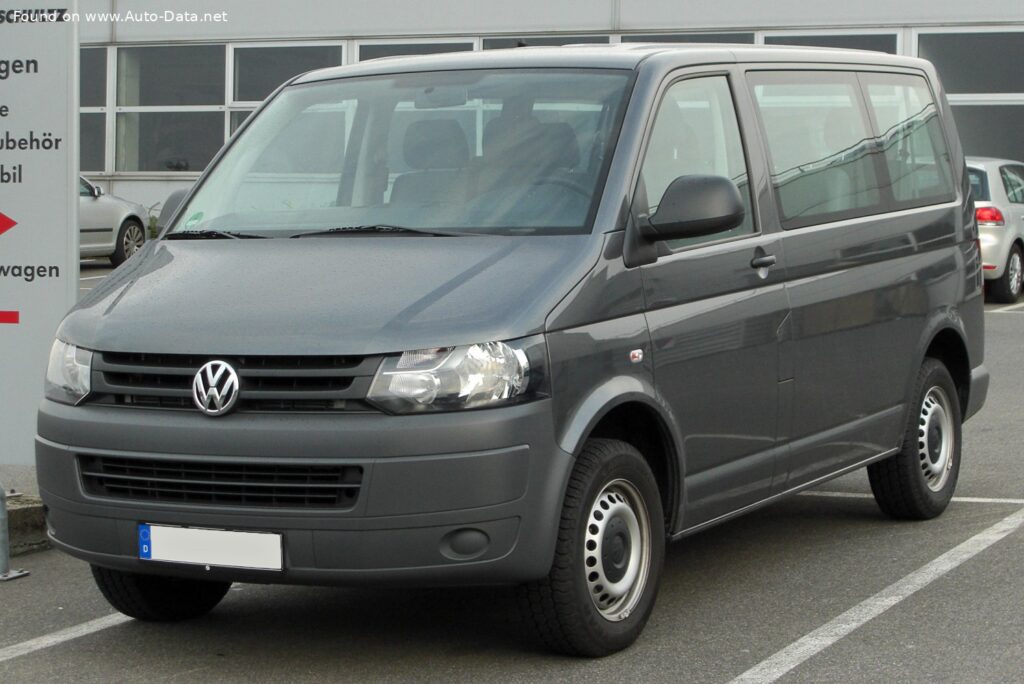
The Volkswagen Transporter (T5) facelift, produced from 2009 to 2015, represented a significant update to the fifth generation of Volkswagen’s popular commercial vehicle. Within the T5 range, the Kombi variant offered a blend of cargo capacity and passenger comfort, catering to both commercial and family needs. The 2.0 TSI (204 hp) L2H1 version, introduced in 2011, occupied a mid-to-upper position in the lineup, offering a substantial performance upgrade over the base diesel engines while remaining more accessible than the more specialized or higher-trim models. The “L2H1” designation refers to the vehicle’s body length (L2 – long wheelbase) and roof height (H1 – standard roof). This specific configuration was aimed at buyers who required a versatile vehicle with ample space and a more powerful gasoline engine.
Powertrain & Engine Architecture
The heart of the Transporter Kombi 2.0 TSI L2H1 is the EA888 series 2.0-liter turbocharged four-cylinder gasoline engine, specifically the CJKA engine code. This engine is a direct-injection, turbocharged powerplant that delivers 204 horsepower at 4200-6000 rpm and 350 Nm (258.15 lb-ft) of torque between 1500-4000 rpm. The engine features a cast iron block with an aluminum cylinder head, incorporating dual overhead camshafts (DOHC) and four valves per cylinder. The direct fuel injection system, coupled with the turbocharger and intercooler, allows for efficient combustion and a broad torque curve.
The engine is transversely mounted at the front of the vehicle. The 2.0 TSI was typically paired with a six-speed manual transmission, although a seven-speed dual-clutch transmission (DSG) was also available as an option. The six-speed manual transmission provides precise gear changes and allows the driver to fully utilize the engine’s power. The gear ratios are designed to balance acceleration with fuel efficiency, offering a comfortable driving experience for both city and highway conditions. The final drive ratio contributes to a balance between responsiveness and cruising ability.
Fuel Injection and Valvetrain
The EA888 engine utilizes a sophisticated direct injection system, injecting fuel directly into the combustion chamber. This allows for precise control of the fuel-air mixture, resulting in improved efficiency and reduced emissions. The valvetrain employs dual overhead camshafts (DOHC) and four valves per cylinder, optimizing airflow and enhancing engine performance. Variable valve timing on both the intake and exhaust sides further contributes to the engine’s flexibility and responsiveness.
Driving Characteristics
The 2.0 TSI engine transforms the driving experience of the Transporter Kombi compared to the base diesel options. Acceleration from 0-100 km/h (0-62 mph) takes approximately 8.7 seconds, making it noticeably quicker and more responsive. The readily available torque provides strong pulling power, especially useful when carrying a load or navigating hilly terrain. While not a sports van, the 2.0 TSI offers a level of performance that makes it enjoyable to drive, even when fully loaded.
Compared to the 1.9 TDI or 2.5 TDI diesel engines, the 2.0 TSI delivers a smoother and more refined driving experience. The gasoline engine is quieter and vibrates less, contributing to a more comfortable cabin environment. However, the 2.0 TSI does require premium gasoline for optimal performance and is generally less fuel-efficient than the diesel alternatives. The six-speed manual transmission provides a direct connection to the engine, allowing for precise control and engaging driving dynamics. The DSG transmission, when equipped, offers seamless gear changes and enhanced convenience.
Equipment & Trim Levels
The Transporter Kombi 2.0 TSI L2H1 typically came equipped with a reasonable level of standard features. These included power windows, power mirrors, central locking, an audio system with CD player, and basic safety equipment such as ABS brakes and driver/passenger airbags. The interior upholstery was typically cloth, with optional upgrades to leather available. The dashboard layout was functional and straightforward, prioritizing practicality over luxury.
Optional extras included air conditioning, a more advanced audio system with navigation, parking sensors, alloy wheels, and upgraded interior trim. The Kombi configuration allowed for flexible seating arrangements, with options for multiple rows of seats and various configurations to accommodate different passenger and cargo needs. Higher trim levels offered additional features such as cruise control, automatic climate control, and more sophisticated infotainment systems.
Chassis & Braking
The Transporter T5 utilized an independent suspension system on both the front and rear axles. The front suspension employed a McPherson strut design with coil springs and an anti-roll bar, while the rear suspension featured a trailing arm setup with coil springs and a transverse stabilizer. This suspension configuration provided a good balance between ride comfort and handling stability. The L2H1 variant, due to its longer wheelbase, offered improved stability compared to the shorter wheelbase models.
The braking system consisted of ventilated disc brakes on all four wheels. The front brakes measured 340×32.5 mm, while the rear brakes were 294×22 mm. ABS (Anti-lock Braking System) was standard, enhancing braking performance and safety. The hydraulic power steering provided precise and responsive steering feel. Tire sizes varied depending on the trim level, with options ranging from 215/60 R17 to 255/45 R18.
Market Reception & Comparison
The 2.0 TSI engine was generally well-received by critics and buyers alike. It offered a significant performance upgrade over the diesel engines, making the Transporter Kombi a more enjoyable vehicle to drive. However, the higher fuel consumption and the need for premium gasoline were drawbacks for some buyers. Compared to the diesel models, the 2.0 TSI was often seen as a more premium option, appealing to those who prioritized performance and refinement over fuel economy.
In terms of reliability, the EA888 engine has proven to be generally robust, although some issues have been reported with carbon buildup on the intake valves over time. Regular maintenance, including oil changes and the use of quality fuel, is essential to ensure long-term reliability. The 2.0 TSI offered a compelling alternative to the diesel engines, particularly for those who did not require the high fuel economy of a diesel but desired a more powerful and refined driving experience.
Technical Specifications
| Brand | Volkswagen |
| Model | Transporter |
| Generation | Transporter (T5, facelift 2009) Kombi |
| Type | 2.0 TSI (204 Hp) L2H1 |
| Start of production | 2011 |
| End of production | 2015 |
| Engine | EA888 / CJKA |
| Displacement | 1984 cm3 (121.07 cu. in.) |
| Cylinders | 4, Inline |
| Power | 204 Hp @ 4200-6000 rpm |
| Torque | 350 Nm @ 1500-4000 rpm (258.15 lb.-ft.) |
| Fuel Consumption (Urban) | 12.8 l/100 km (18.4 US mpg, 22.1 UK mpg) |
| Fuel Consumption (Extra Urban) | 7.8 l/100 km (30.2 US mpg, 36.2 UK mpg) |
| Fuel Consumption (Combined) | 9.6 l/100 km (24.5 US mpg, 29.4 UK mpg) |
| CO2 Emissions | 224 g/km |
| Acceleration 0-100 km/h | 8.7 sec |
| Maximum Speed | 200 km/h (124.27 mph) |
| Kerb Weight | 1881 kg (4146.9 lbs.) |
| Max. Weight | 2800-3200 kg (6172.94 – 7054.79 lbs.) |
| Fuel Tank Capacity | 80 l (21.13 US gal, 17.6 UK gal) |
| Length | 5292 mm (208.35 in.) |
| Width | 1904 mm (74.96 in.) |
| Height | 1990 mm (78.35 in.) |
Legacy
The 2.0 TSI engine in the Transporter T5 has proven to be a relatively reliable powertrain when properly maintained. While the potential for carbon buildup on the intake valves requires attention, regular servicing and the use of quality fuel can mitigate this issue. In the used car market, the 2.0 TSI Kombi L2H1 commands a slightly higher price than the equivalent diesel models, reflecting its superior performance and refinement. It remains a popular choice for buyers who require a versatile and capable van with a more engaging driving experience. The combination of space, performance, and practicality ensures that the Transporter Kombi 2.0 TSI L2H1 continues to be a sought-after vehicle in the used commercial vehicle market.