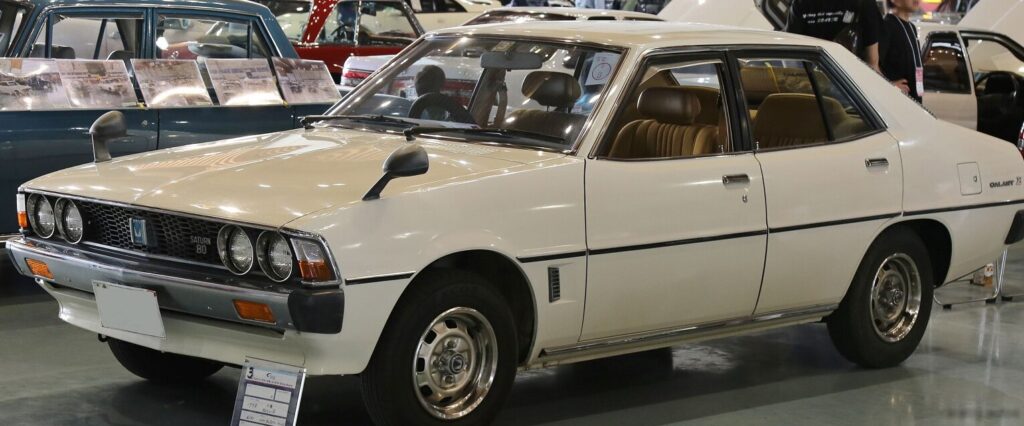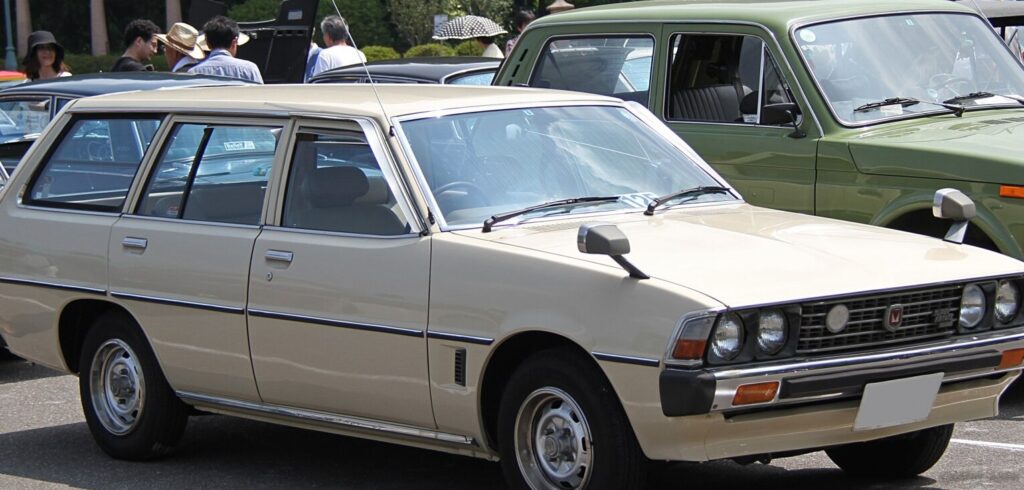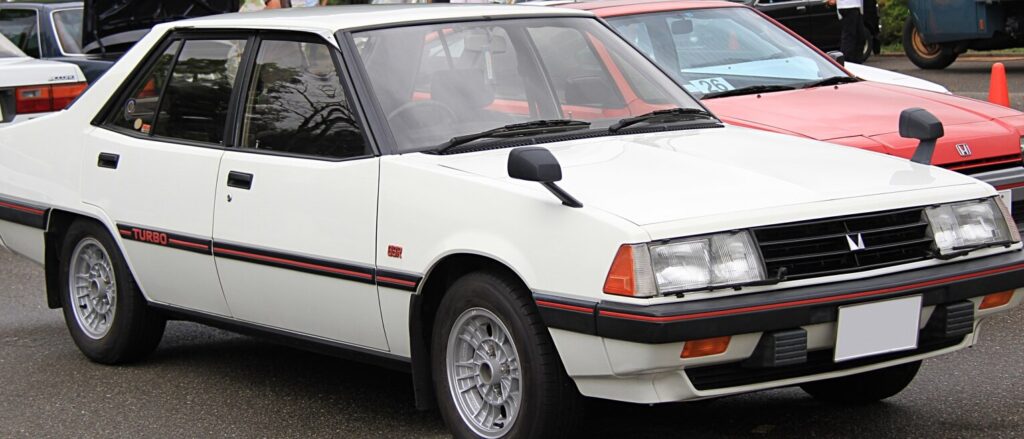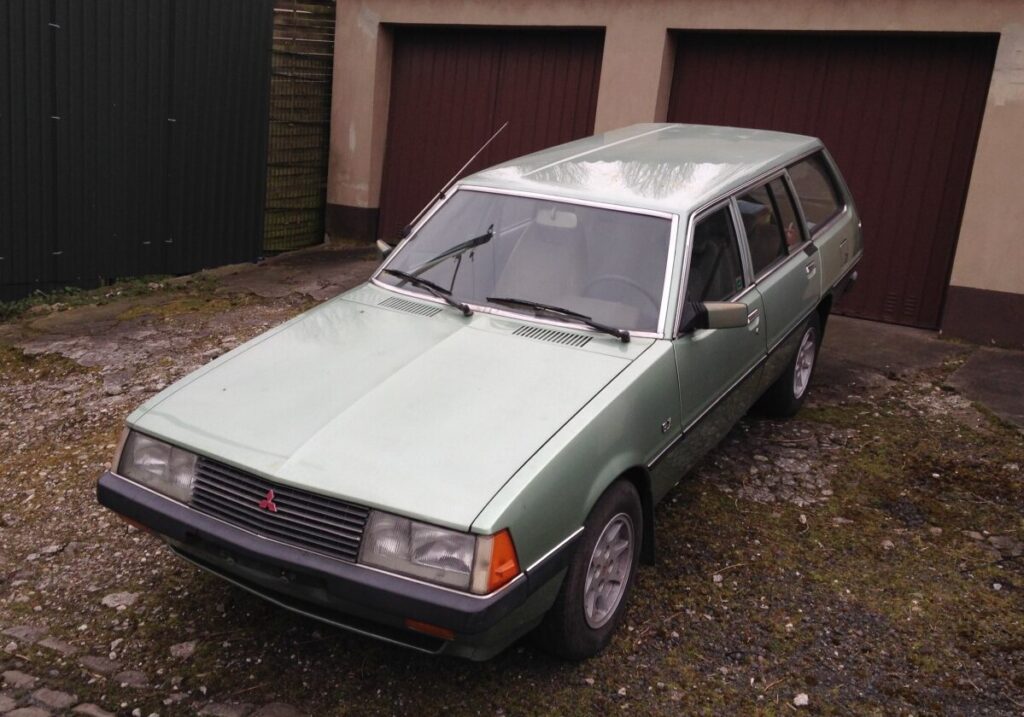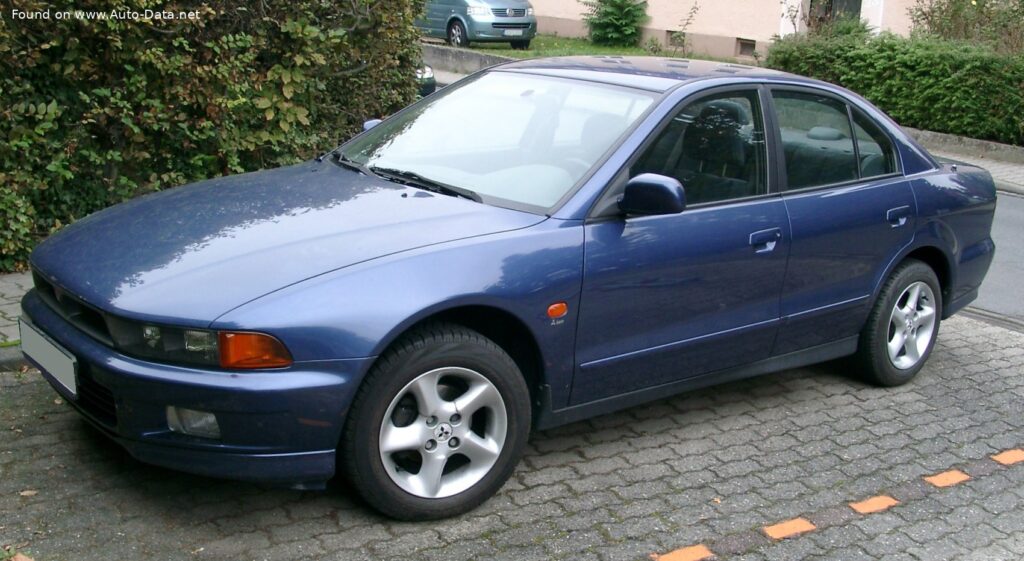
The Mitsubishi Galant VIII 3.0 i V6 24V GTZ represents the top-of-the-line trim level of the eighth-generation Mitsubishi Galant, produced between 2000 and 2002. This model, part of the broader Galant VIII series (internally designated as the EA0/EC0 platform), was positioned as the premium offering, boasting a powerful V6 engine and a comprehensive list of features. It aimed to provide a blend of performance, comfort, and refinement within the mid-size sedan segment. The Galant VIII, in general, represented Mitsubishi’s attempt to regain market share in a highly competitive class, facing rivals like the Honda Accord, Toyota Camry, and Nissan Maxima.
Powertrain & Engine Architecture
The heart of the Galant VIII 3.0 i V6 GTZ is the 6G72 engine, a 3.0-liter (2972 cc / 181.36 cubic inches) naturally aspirated V6. This engine is characterized by its 60-degree V-angle configuration, contributing to a relatively compact engine bay footprint. It features a double overhead camshaft (DOHC) valvetrain with four valves per cylinder (24V), optimizing airflow for increased power output. The engine utilizes a multi-port fuel injection system, delivering fuel directly to each intake port for precise fuel metering and efficient combustion.
The 6G72 engine produces 197 horsepower at 5500 rpm and 278 Nm (205.04 lb-ft) of torque at 4500 rpm. The compression ratio is set at 9:1. This engine is known for its smooth power delivery and relatively robust construction. The Galant GTZ paired this engine exclusively with a four-speed automatic transmission. This transmission, while providing convenience, was a point of criticism for some reviewers who felt it didn’t fully exploit the engine’s potential. The transmission’s gear ratios were geared towards comfortable cruising rather than aggressive acceleration. First gear was relatively short for quick off-the-line response, while higher gears were taller to improve fuel economy at highway speeds.
Engine Codes & Variations
While the 6G72 engine was the mainstay of the 3.0 GTZ, it’s important to note that the Galant VIII range offered other engine options. Lower trims featured a 2.0-liter inline-four engine, while some markets received a 2.5-liter V6. The 6G72, however, was the flagship engine, offering a significant performance advantage over the smaller displacement options. The engine code 6G72 is crucial for identifying parts and service information specific to this engine variant.
Driving Characteristics
The Galant VIII 3.0 i V6 GTZ offered a noticeably more spirited driving experience compared to its four-cylinder counterparts. Acceleration from 0 to 60 mph was achieved in approximately 8.6 seconds, and it could reach a top speed of 126.76 mph (204 km/h). While not a sports sedan, the V6 provided ample power for confident highway merging and overtaking maneuvers. The automatic transmission, while smooth, did contribute to some power loss compared to a manual transmission, which was not offered with this engine.
The car’s front-wheel-drive configuration provided predictable handling, although it could exhibit some torque steer under hard acceleration. The suspension, tuned for comfort, absorbed bumps and road imperfections well, making it a pleasant vehicle for long journeys. However, it wasn’t particularly sporty, with noticeable body roll during cornering. The steering, utilizing a hydraulic rack and pinion system, offered reasonable feedback and precision.
Equipment & Trim Levels
The GTZ trim level represented the highest specification available for the Galant VIII. Standard features included leather upholstery, power-adjustable front seats, a premium sound system, automatic climate control, and alloy wheels. Other features often included power windows, power locks, and a sunroof. The interior design was generally considered upscale for its time, with a focus on comfort and ergonomics. The dashboard layout was straightforward and easy to use.
Optional extras available for the GTZ included a navigation system, upgraded audio components, and various cosmetic enhancements. The GTZ trim was designed to appeal to buyers seeking a well-equipped and refined mid-size sedan.
Chassis & Braking
The Galant VIII utilized a front-engine, front-wheel-drive layout. The suspension system consisted of coil springs at both the front and rear, providing a comfortable ride. The front suspension incorporated a MacPherson strut design, while the rear utilized a multi-link setup. The braking system featured ventilated discs at the front and solid discs at the rear, providing adequate stopping power. An Anti-lock Braking System (ABS) was standard equipment on the GTZ trim, enhancing safety and control during emergency braking situations. The car rode on 205/55 R16 tires, offering a balance of grip and ride comfort.
Market Reception & Comparison
The Mitsubishi Galant VIII 3.0 i V6 GTZ received mixed reviews from automotive critics. While the V6 engine was praised for its smooth power delivery and refinement, the four-speed automatic transmission was often criticized for being somewhat dated and not fully utilizing the engine’s potential. Fuel economy was also a concern, with combined fuel consumption averaging around 19.9 US mpg (11.8 l/100 km).
Compared to its rivals, the Galant GTZ offered a competitive level of equipment and a more affordable price point than some of the more established players in the segment. However, it lacked the brand recognition and resale value of competitors like the Honda Accord and Toyota Camry. The 2.0L and 2.5L trims offered better fuel economy, but at the expense of performance. The V6 GTZ was aimed at buyers who prioritized power and refinement over fuel efficiency.
Technical Specifications
| Brand | Mitsubishi |
| Model | Galant |
| Generation | Galant VIII |
| Type | 3.0 i V6 24V GTZ (197 Hp) |
| Start of production | 2000 |
| End of production | 2002 |
| Engine Type | Internal Combustion Engine (Petrol/Gasoline) |
| Body Type | Sedan |
| Seats | 5 |
| Doors | 4 |
| Fuel Consumption (Urban) | 12 l/100 km (19.6 US mpg) |
| Fuel Consumption (Extra Urban) | 8.7 l/100 km (27 US mpg) |
| Fuel Consumption (Combined) | 11.8 l/100 km (19.9 US mpg) |
| Acceleration 0-100 km/h | 9 sec |
| Acceleration 0-60 mph | 8.6 sec |
| Maximum Speed | 204 km/h (126.76 mph) |
| Engine Displacement | 2972 cm3 (181.36 cu. in.) |
| Engine Power | 197 Hp @ 5500 rpm |
| Engine Torque | 278 Nm @ 4500 rpm (205.04 lb.-ft. @ 4500 rpm) |
| Engine Code | 6G72 |
| Number of Cylinders | 6 |
| Engine Configuration | V-engine |
| Compression Ratio | 9:1 |
| Fuel Injection | Multi-port manifold injection |
| Kerb Weight | 1520 kg (3351.03 lbs) |
| Trunk Space (Minimum) | 420 l (14.83 cu. ft.) |
| Trunk Space (Maximum) | 1400 l (49.44 cu. ft.) |
| Fuel Tank Capacity | 62 l (16.38 US gal) |
| Length | 4770 mm (187.8 in) |
| Width | 1740 mm (68.5 in) |
| Height | 1415 mm (55.71 in) |
| Wheelbase | 2623 mm (103.27 in) |
| Gearbox | 4-speed Automatic |
Legacy
The Mitsubishi Galant VIII 3.0 i V6 GTZ, while not a runaway sales success, remains a fondly remembered vehicle among enthusiasts. The 6G72 engine is known for its durability and relatively simple maintenance requirements. However, like many vehicles of its age, it is susceptible to age-related issues such as oil leaks and sensor failures. On the used car market, these Galants are often sought after by those looking for an affordable and reliable V6-powered sedan. Parts availability is generally good, although some specific trim-related components may be more difficult to find. The Galant VIII, and particularly the 3.0 GTZ, represents a final flourish of Mitsubishi’s ambition in the mid-size sedan segment before the brand’s focus shifted towards SUVs and crossovers.