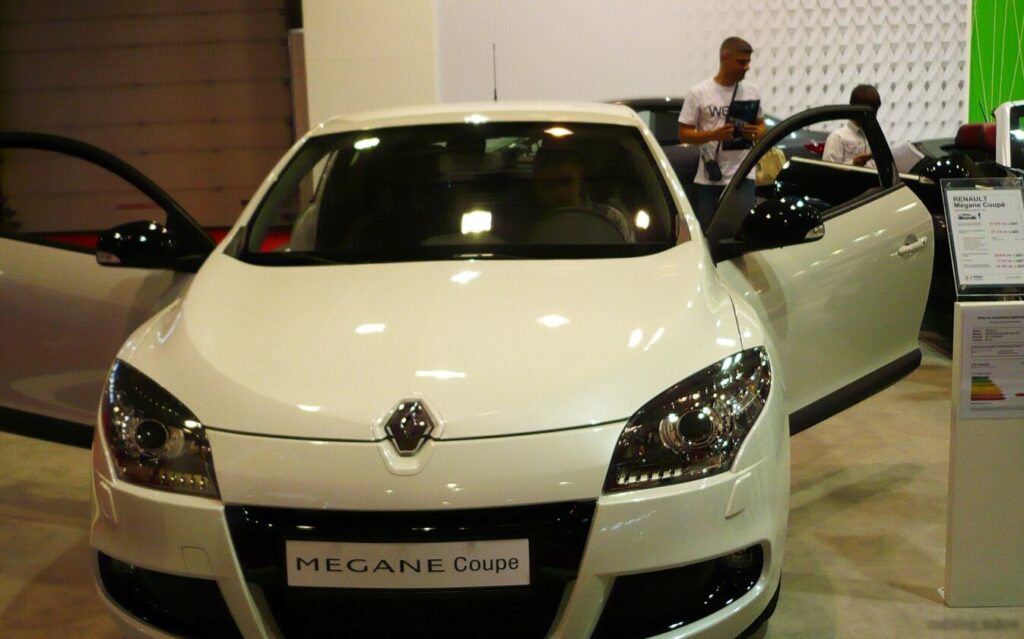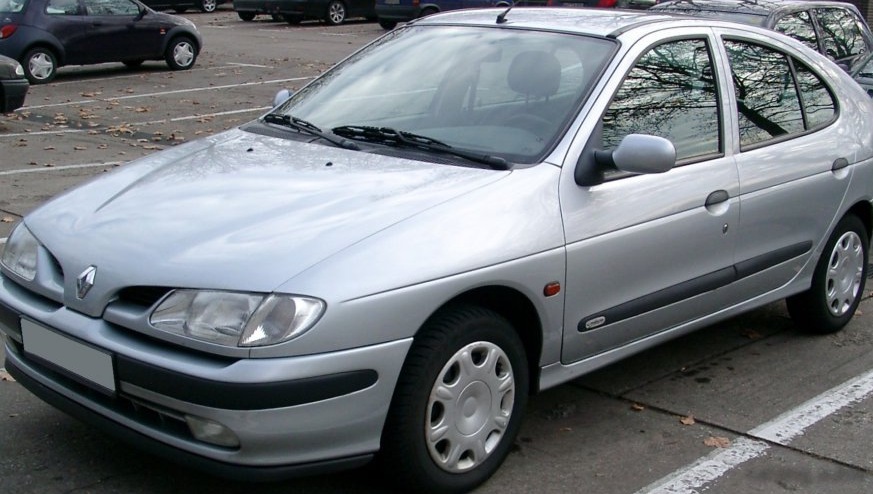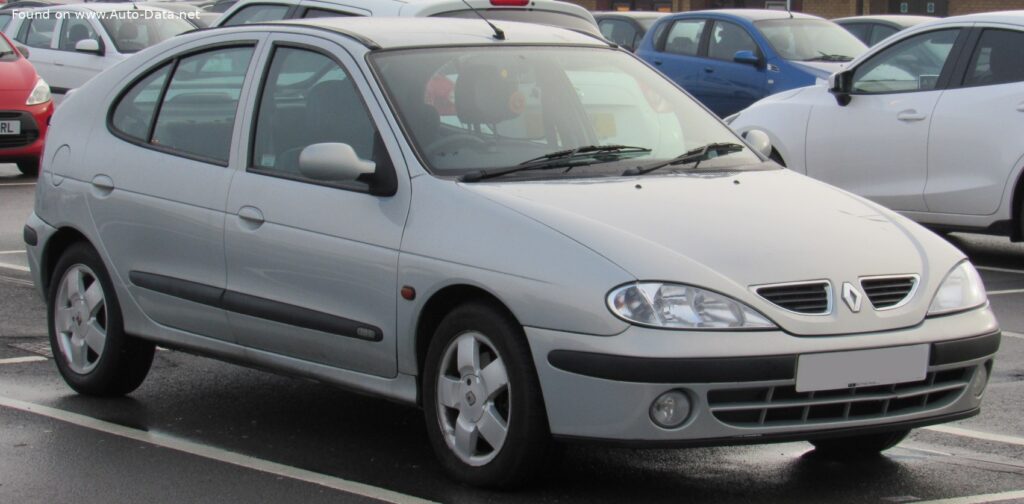
The Renault Megane I (Phase II), produced from 1999 to 2002, represented a significant refresh of Renault’s compact family car. Within the Phase II range, the 1.6i 16V variant, producing 107 horsepower, occupied a middle ground in the lineup, positioned as a balance between affordability and performance. It served as a step up from the base 1.4-liter engine, offering more power and refinement, while remaining more accessible than the higher-performance 2.0-liter 16V and diesel options. This model was primarily offered as a five-door hatchback, catering to families and individuals seeking a practical and reasonably efficient vehicle.
Renault Megane I Phase II (1999-2002) 1.6i 16V: An Overview
The Megane I, launched in 1995, was Renault’s replacement for the aging Renault 19. The Phase II update in 1999 brought revised styling, improved safety features, and refinements to the engine range. The 1.6i 16V model was a key component of this update, appealing to buyers who desired a modern, well-equipped hatchback without the higher price tag of the more powerful versions. It was built on the Renault X platform, also known internally as the B0 platform, which underpinned several other Renault and Nissan models of the era.
Powertrain & Engine Architecture
The heart of the 1.6i 16V Megane is the K4M engine, a 1.6-liter (1598 cc) inline-four cylinder gasoline engine. This engine is notable for its dual overhead camshafts (DOHC) and four valves per cylinder, contributing to its relatively high output for its displacement. The K4M engine utilizes a multi-port fuel injection system, delivering fuel directly into the intake ports. This system, common for the time, provided a good balance between fuel efficiency and performance. The engine produces 107 hp at 5750 rpm and 148 Nm (109.16 lb-ft) of torque at 3750 rpm. The compression ratio is 10:1.
While a five-speed manual transmission was the most common pairing for this engine, a four-speed automatic transmission was also offered. This automatic gearbox, a Renault-sourced unit, was designed for smooth operation and ease of use, targeting drivers who prioritized convenience over outright performance. The automatic transmission featured electronic control for optimized shift points, though it was generally considered less responsive than the manual alternative. The automatic transmission’s gear ratios were geared towards fuel efficiency and comfortable cruising rather than rapid acceleration.
Driving Characteristics
The 1.6i 16V Megane with the automatic transmission delivers a comfortable, if not particularly exhilarating, driving experience. Acceleration from 0 to 100 km/h (0-62 mph) takes approximately 9.8 seconds, and top speed is rated at 195 km/h (121.17 mph). Compared to the manual version of the same engine, the automatic suffers a slight performance penalty due to the transmission’s inherent efficiency losses. The automatic transmission’s shift points are programmed for economy, meaning the engine often operates at lower rpm, resulting in a more relaxed driving style. However, this can also lead to hesitation during overtaking maneuvers or when climbing hills. The power delivery is relatively linear, with usable torque available from around 3000 rpm. The steering is light and precise, making the Megane easy to maneuver in urban environments.
Equipment & Trim Levels
The 1.6i 16V Megane typically came equipped with a reasonable level of standard features. These included power steering, central locking, electric front windows, and an adjustable steering column. Higher trim levels, such as the “Expression” or “Dynamique,” added features like air conditioning, alloy wheels, a CD player, and upgraded interior trim. Interior upholstery was typically cloth, with options for different patterns and colors. The dashboard layout was functional and straightforward, with clearly labeled controls. Optional extras included a sunroof, rear electric windows, and a trip computer. Safety features included ABS (Anti-lock Braking System) as standard, and driver and passenger airbags were also commonly fitted.
Chassis & Braking
The Megane I Phase II utilized an independent coil spring suspension at the front, providing a comfortable ride and decent handling. The rear suspension employed a torsion beam setup, which was a cost-effective solution that offered adequate stability. The front brakes were ventilated discs, providing good stopping power, while the rear brakes were drums. This combination was typical for vehicles in this class at the time. The steering system was a rack and pinion type with hydraulic power assistance, offering a good balance between feel and ease of use. Tire sizes varied depending on the trim level, with 175/65 R14, 175/70 R14, 185/55 R15, and 185/60 R15 being common options.
Market Reception & Comparison
The 1.6i 16V Megane was generally well-received by automotive critics as a competent and practical family car. It was praised for its comfortable ride, spacious interior, and reasonable fuel economy. Fuel consumption figures were around 7.0 l/100 km (33.6 US mpg) combined, which was competitive for its class. However, the automatic transmission was often criticized for its lack of responsiveness compared to the manual gearbox. Compared to the 2.0-liter 16V version, the 1.6i offered less power but was more affordable to purchase and insure. The 1.9 dCi diesel variant provided superior fuel economy but came with a higher initial cost and potentially higher maintenance expenses. The 1.6i 16V struck a balance, appealing to buyers who prioritized value and practicality.
Technical Specifications
| Engine Model/Code | K4M |
| Engine Displacement | 1598 cm3 (97.52 cu. in.) |
| Number of Cylinders | 4, Inline |
| Power | 107 Hp @ 5750 rpm |
| Torque | 148 Nm @ 3750 rpm (109.16 lb.-ft. @ 3750 rpm) |
| Fuel Injection System | Multi-port manifold injection |
| Compression Ratio | 10:1 |
| Engine Oil Capacity | 4.4 l (4.65 US qt | 3.87 UK qt) |
| Coolant Capacity | 7.9 l (8.35 US qt | 6.95 UK qt) |
| Kerb Weight | 1085 kg (2392.02 lbs.) |
| Max. Weight | 1600 kg (3527.4 lbs.) |
| Trunk (boot) space – minimum | 348 l (12.29 cu. ft.) |
| Trunk (boot) space – maximum | 1210 l (42.73 cu. ft.) |
| Fuel Tank Capacity | 60 l (15.85 US gal | 13.2 UK gal) |
| Acceleration 0 – 100 km/h | 9.8 sec |
| Maximum Speed | 195 km/h (121.17 mph) |
| Transmission | 4-speed Automatic |
Legacy
The Renault Megane I, including the 1.6i 16V variant, proved to be a popular and reliable family car. The K4M engine is known for its durability and relatively low maintenance costs, provided it is properly serviced. While not a particularly exciting vehicle, the 1.6i 16V Megane offered a good balance of practicality, affordability, and comfort. On the used car market today, these models are generally available at very affordable prices. Common issues include wear and tear on suspension components, corrosion (particularly in colder climates), and potential problems with the automatic transmission. However, with regular maintenance and attention to detail, a well-maintained 1.6i 16V Megane can still provide reliable transportation.