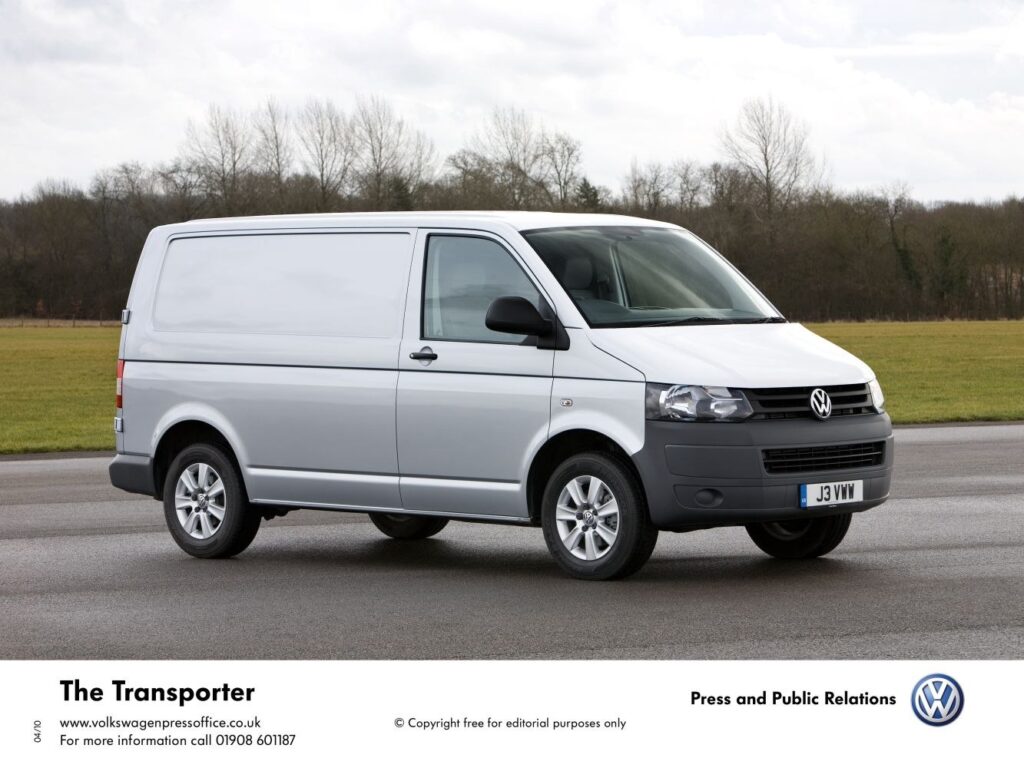
The Volkswagen Transporter (T5) facelift, produced from 2009 to 2013, represented a significant refresh of the fifth-generation Transporter line. Within this generation, the 2.0 (116 hp) Panel Van, designated as the L1H1 configuration, served as a popular choice for commercial users and those seeking a versatile, mid-range work vehicle. This variant occupied a position between the base engine options and the more powerful, premium trims, offering a balance of affordability, fuel efficiency, and usability. The T5 platform, also known internally as the 1HX0/A3, was a mainstay of the European light commercial vehicle market, and the 2.0-liter engine became a common sight in these vans.
The 2.0 (116 hp) Transporter: Positioning and Overview
The L1H1 designation refers to the vehicle’s body length and roof height. “L1” indicates the short wheelbase, while “H1” denotes the standard roof height. This configuration made the van particularly maneuverable in urban environments, a key consideration for delivery services and tradespeople. The 116 horsepower output, coupled with an automatic transmission, aimed to provide a comfortable and convenient driving experience, albeit with a slight compromise in outright performance compared to the manual transmission options or higher-powered engines. This trim level was often chosen by businesses prioritizing practicality and ease of use over sporty driving dynamics.
Powertrain & Engine Architecture
The heart of the 2.0 (116 hp) Transporter is the EA113 engine family, specifically the AXA engine code. This is a 1.984-liter (121.07 cubic inches) inline-four cylinder gasoline engine. It features a naturally aspirated intake and a multi-port fuel injection system. The engine utilizes a single overhead camshaft (SOHC) valvetrain with two valves per cylinder. The compression ratio is 10.5:1, a common figure for engines of this era designed to balance performance and fuel economy.
The automatic transmission paired with this engine is a conventional five-speed hydraulic automatic. While not known for its particularly quick shifts or advanced features, it provided smooth operation and ease of use, especially in stop-and-go traffic. The transmission’s gear ratios were tuned for practicality and fuel efficiency rather than outright acceleration. First gear was relatively short for easy starts with a load, while higher gears were geared for comfortable cruising at highway speeds. The engine produces 170 Nm (125.39 lb-ft) of torque between 2700 and 4700 rpm, which, while adequate, meant the automatic transmission often needed to downshift when climbing hills or carrying heavy loads.
Driving Characteristics
The driving experience in the 2.0 (116 hp) automatic Transporter is best described as competent and utilitarian. Acceleration from 0-100 km/h (0-62 mph) takes approximately 15 seconds, and 0-60 mph is achieved in around 14.3 seconds. The top speed is limited to 163 km/h (101.28 mph). These figures are not particularly impressive, and the van feels noticeably slower than versions equipped with the more powerful engines, such as the 2.5-liter five-cylinder or the 2.0 TDI diesel. However, the automatic transmission makes it significantly easier to drive in congested areas compared to the manual versions.
The engine delivers its power in a relatively linear fashion, with peak horsepower arriving at 5200 rpm. The automatic transmission tends to hold onto gears for longer to maximize fuel efficiency, which can sometimes result in the engine feeling strained under heavy acceleration. The van’s weight (ranging from 1654 to 2061 kg or 3646.45 to 4543.73 lbs depending on equipment) further contributes to the leisurely pace. Overall, the driving experience is geared towards practicality and ease of use rather than performance.
Equipment & Trim Levels
The 2.0 (116 hp) L1H1 Transporter typically came with a fairly basic level of equipment, reflecting its position as a work-oriented vehicle. Standard features generally included power steering, ABS (Anti-lock Braking System), a driver’s airbag, and a basic audio system. The interior was typically finished with durable, hard-wearing plastics and cloth upholstery. The dashboard layout was functional and straightforward, prioritizing usability over aesthetics.
Optional extras included air conditioning, electric windows, central locking, a passenger airbag, and upgraded audio systems. Some models also offered features like parking sensors and a trip computer. Higher trim levels, available at an additional cost, added features like alloy wheels, upgraded interior trim, and more sophisticated audio systems. The van’s interior could be configured with two or three seats, depending on the customer’s needs.
Chassis & Braking
The T5 Transporter utilizes an independent suspension setup on both the front and rear axles. The front suspension employs a McPherson strut design with coil springs and an anti-roll bar, while the rear suspension features a trailing arm configuration with coil springs and a transverse stabilizer. This setup provides a reasonable balance between ride comfort and handling. The front brakes are ventilated discs measuring 308×29.5 mm, while the rear brakes are also ventilated discs measuring 294×22 mm. This braking configuration is adequate for the van’s weight and intended use. The steering system is a hydraulic rack and pinion setup, providing precise and responsive steering.
Market Reception & Comparison
The 2.0 (116 hp) Transporter was generally well-received in the market as a practical and reliable work vehicle. Critics acknowledged its affordability and ease of use, particularly with the automatic transmission. However, they also noted its relatively modest performance compared to other engine options. Fuel economy was rated as average for its class, with combined consumption figures ranging from 10.3 to 10.6 l/100 km (22.8 to 22.2 US mpg).
Compared to the 2.5-liter gasoline engine, the 2.0-liter offered better fuel economy but significantly less power. The 2.0 TDI diesel variants, while more expensive, provided superior fuel economy and torque, making them a popular choice for long-distance driving and heavy loads. The 2.0 (116 hp) automatic Transporter appealed to customers who prioritized ease of driving and affordability over outright performance and fuel efficiency.
Technical Specifications
| Brand | Volkswagen |
| Model | Transporter (T5, facelift 2009) Panel Van |
| Type | 2.0 (116 Hp) L1H1 |
| Start of production | 2009 |
| End of production | 2013 |
| Engine Code | AXA |
| Engine Displacement | 1984 cm3 (121.07 cu. in.) |
| Number of Cylinders | 4, Inline |
| Power | 116 Hp @ 5200 rpm |
| Torque | 170 Nm @ 2700-4700 rpm (125.39 lb.-ft.) |
| Fuel Type | Petrol (Gasoline) |
| Transmission | 5-speed Automatic |
| Fuel Consumption (Urban) | 13.5-13.8 l/100 km (17.4 – 17 US mpg) |
| Fuel Consumption (Extra Urban) | 8.5-8.8 l/100 km (27.7 – 26.7 US mpg) |
| Fuel Consumption (Combined) | 10.3-10.6 l/100 km (22.8 – 22.2 US mpg) |
| CO2 Emissions | 241-247 g/km |
| Kerb Weight | 1654-2061 kg (3646.45 – 4543.73 lbs.) |
| Max. Weight | 2600-2850 kg (5732.02 – 6283.17 lbs.) |
| Fuel Tank Capacity | 80 l (21.13 US gal) |
| Acceleration 0-100 km/h | 15 sec |
| Maximum Speed | 163 km/h (101.28 mph) |
Legacy
The 2.0 (116 hp) automatic Transporter remains a relatively common sight on used car markets today. While not known for being the most exciting or fuel-efficient version, it has proven to be a reliable and durable workhorse. The EA113 engine, while prone to some oil consumption issues in later years, is generally considered robust and relatively easy to maintain. The automatic transmission, while not particularly advanced, is also known for its reliability. These vans are often sought after by small businesses and tradespeople looking for an affordable and practical commercial vehicle. Their relatively simple construction and readily available parts make them a cost-effective option for those who need a dependable van for everyday use.