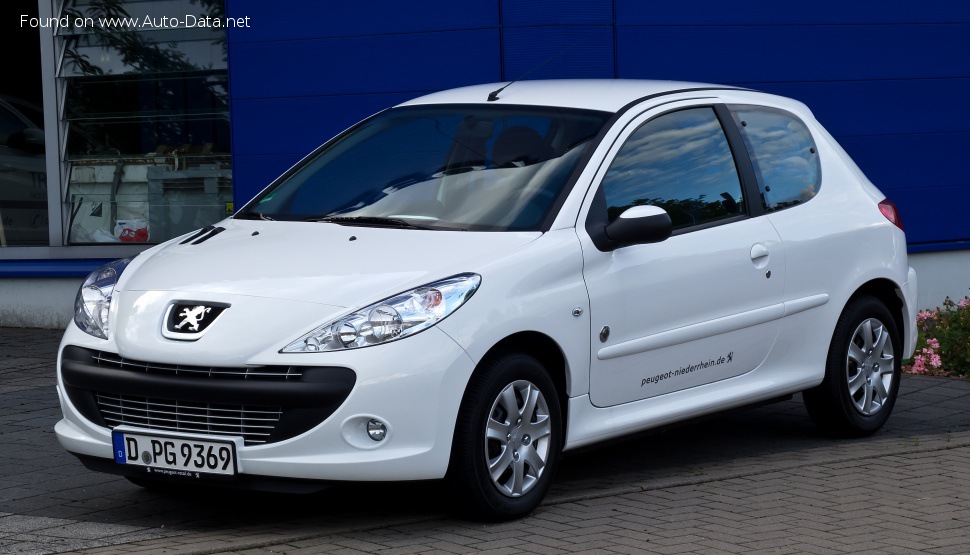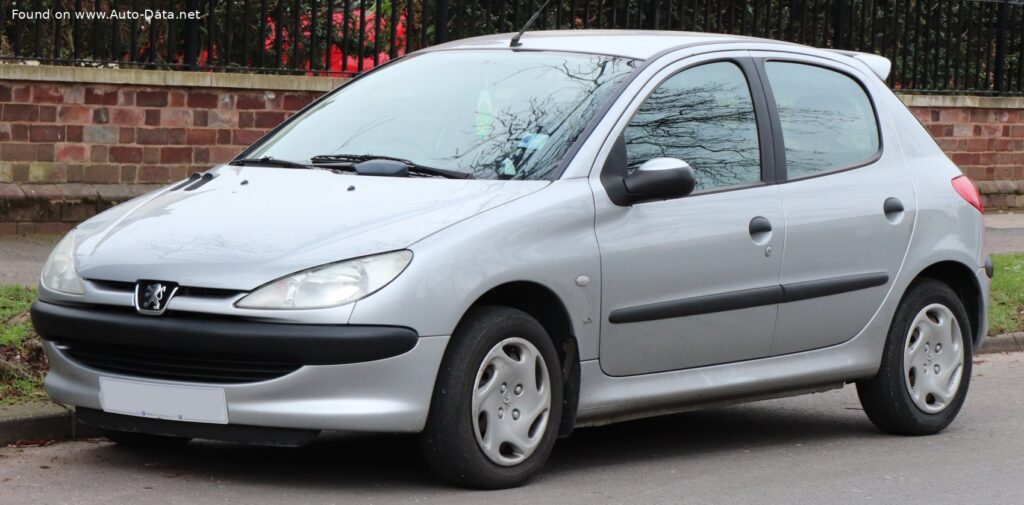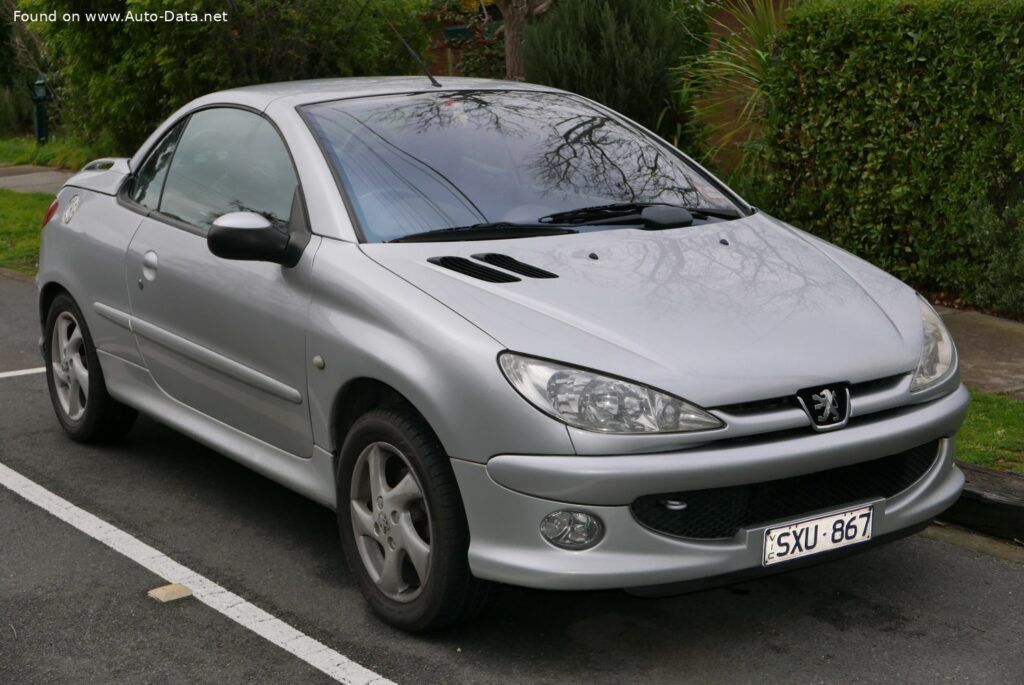
The Peugeot 206 CC 1.6 HDI, produced from 2005 to 2007, represents a unique offering within the 206 Coupé-Cabriolet (CC) range. This variant combined the popular 206 CC body style – a compact, two-door convertible with a retractable hardtop – with a fuel-efficient and torquey 1.6-liter High Pressure Diesel Injection (HDI) engine. Positioned as a more economical alternative to the gasoline-powered versions, the 1.6 HDI appealed to buyers seeking a stylish convertible without the higher running costs typically associated with petrol engines. It was built on the T1 platform, shared with the standard 206 hatchback, but with significant structural reinforcements to maintain rigidity after roof removal.
Peugeot 206 CC 1.6 HDI: Powertrain & Engine Architecture
The heart of the 206 CC 1.6 HDI is the 9HZ DV6TED4 engine, a 1.6-liter inline-four cylinder diesel engine. This engine is part of the DV6 family, known for its robust design and widespread use in PSA Group (Peugeot-Citroën) vehicles. It features a common rail direct injection system, delivering fuel directly into the combustion chamber at extremely high pressure. This system, coupled with a variable geometry turbocharger and intercooler, allows for efficient combustion and increased power output. The engine produces 109 horsepower (hp) at 4000 rpm and 260 Nm (191.77 lb-ft) of torque at 1750 rpm. The engine utilizes a double overhead camshaft (DOHC) valvetrain with four valves per cylinder, optimizing gas flow for improved performance.
Unlike many of its gasoline counterparts, the 1.6 HDI was exclusively offered with a five-speed manual transmission. This was a deliberate choice by Peugeot, aiming to maximize fuel efficiency and provide a more engaging driving experience. The transmission’s gear ratios were tuned to take advantage of the engine’s strong low-end torque, providing brisk acceleration in everyday driving situations. The engine oil capacity is 3.75 liters (3.96 US qt | 3.3 UK qt) and requires a specification adhering to Peugeot’s standards. The cooling system holds 6 liters (6.34 US qt | 5.28 UK qt) of coolant.
Fuel Injection and Turbocharging
The common rail diesel injection system is a key component of the engine’s efficiency. It allows for precise control over fuel delivery, optimizing combustion for reduced emissions and improved fuel economy. The turbocharger, coupled with an intercooler, forces more air into the engine, increasing power output. The variable geometry turbocharger adjusts the turbine vanes to optimize airflow across a wider range of engine speeds, minimizing turbo lag and maximizing boost pressure.
Driving Characteristics
The 206 CC 1.6 HDI offered a distinctly different driving experience compared to the gasoline-powered versions. While lacking the outright acceleration of the 2.0-liter petrol engine, the diesel variant excelled in providing strong, usable torque from low engine speeds. This made it particularly well-suited for urban driving and overtaking maneuvers. The five-speed manual transmission allowed drivers to fully exploit the engine’s torque band, resulting in a responsive and engaging driving experience. The 0-100 km/h (0-62 mph) acceleration time was approximately 10.5 seconds, and it achieved a maximum speed of 186 km/h (115.58 mph). The weight-to-power ratio of 11.1 kg/hp and weight-to-torque ratio of 4.7 kg/Nm contributed to its balanced handling characteristics.
Compared to the 206 CC 2.0, the 1.6 HDI felt less eager to rev, but offered superior fuel economy. The manual transmission, while requiring more driver involvement than an automatic, provided a more connected feel and allowed for greater control. The diesel engine’s inherent smoothness and quiet operation, especially at cruising speeds, also contributed to a comfortable driving experience.
Equipment & Trim Levels
The 206 CC 1.6 HDI typically came equipped with a reasonable level of standard features, reflecting its position as a mid-range offering within the 206 CC lineup. Standard equipment generally included air conditioning, power steering, electric front windows, central locking, and an RDS radio. Safety features included ABS (Anti-lock Braking System) and driver and passenger airbags. Interior upholstery was typically cloth, with options for leather upgrades. The dashboard layout was consistent with other 206 models, featuring a functional and user-friendly design. Optional extras included alloy wheels, a CD changer, and parking sensors.
Chassis & Braking
The 206 CC’s chassis was specifically reinforced compared to the standard 206 hatchback to compensate for the loss of structural rigidity when the roof was retracted. The front suspension utilized a spring strut setup, while the rear suspension employed a torsion beam. This configuration provided a good balance between ride comfort and handling. The front brakes were ventilated discs, providing ample stopping power, while the rear brakes were solid discs. The steering system was a hydraulic power steering rack and pinion, offering precise and responsive steering feel. The vehicle rode on 205/45 R16 tires, providing good grip and handling characteristics.
Market Reception & Comparison
The Peugeot 206 CC 1.6 HDI was generally well-received by automotive critics, who praised its fuel efficiency, strong torque, and stylish design. It was seen as a practical and affordable alternative to other small convertibles on the market. Fuel consumption figures were impressive, with urban consumption at 6.1 l/100 km (38.6 US mpg / 46.3 UK mpg) and extra urban consumption at 4.2 l/100 km (56 US mpg / 67.3 UK mpg). Compared to the 2.0-liter gasoline version, the 1.6 HDI offered significantly better fuel economy, making it a more attractive option for drivers covering long distances. Reliability was generally good, although, like all diesel engines, it was susceptible to issues with the fuel injection system and turbocharger if not properly maintained.
Technical Specifications
| Brand | Peugeot |
| Model | 206 |
| Generation | 206 CC |
| Type (Engine) | 1.6 HDI (109 Hp) |
| Start of production | 2005 |
| End of production | 2007 |
| Powertrain Architecture | Internal Combustion engine |
| Body type | Coupe – Cabriolet |
| Seats | 4 |
| Doors | 2 |
| Fuel consumption (urban) | 6.1 l/100 km (38.6 US mpg / 46.3 UK mpg) |
| Fuel consumption (extra urban) | 4.2 l/100 km (56 US mpg / 67.3 UK mpg) |
| Fuel Type | Diesel |
| Acceleration 0 – 100 km/h | 10.5 sec |
| Acceleration 0 – 62 mph | 10.5 sec |
| Acceleration 0 – 60 mph | 10 sec |
| Maximum speed | 186 km/h (115.58 mph) |
| Weight-to-power ratio | 11.1 kg/Hp |
| Weight-to-torque ratio | 4.7 kg/Nm |
| Power | 109 Hp @ 4000 rpm |
| Torque | 260 Nm @ 1750 rpm (191.77 lb.-ft. @ 1750 rpm) |
| Engine layout | Front, Transverse |
| Engine Model/Code | 9HZ DV6TED4 |
| Engine displacement | 1560 cm3 (95.2 cu. in.) |
| Number of cylinders | 4 |
| Engine configuration | Inline |
| Cylinder Bore | 75 mm (2.95 in.) |
| Piston Stroke | 88.3 mm (3.48 in.) |
| Compression ratio | 17.6:1 |
| Number of valves per cylinder | 4 |
| Fuel injection system | Diesel Commonrail |
| Engine aspiration | Turbocharger, Intercooler |
| Valvetrain | DOHC |
| Engine oil capacity | 3.75 l (3.96 US qt | 3.3 UK qt) |
| Coolant | 6 l (6.34 US qt | 5.28 UK qt) |
| Kerb Weight | 1210 kg (2667.59 lbs.) |
| Max. weight | 1600 kg (3527.4 lbs.) |
| Max load | 390 kg (859.8 lbs.) |
| Trunk (boot) space – minimum | 175 l (6.18 cu. ft.) |
| Trunk (boot) space – maximum | 410 l (14.48 cu. ft.) |
| Fuel tank capacity | 50 l (13.21 US gal | 11 UK gal) |
| Length | 3835 mm (150.98 in.) |
| Width | 1673 mm (65.87 in.) |
| Height | 1374 mm (54.09 in.) |
| Wheelbase | 2442 mm (96.14 in.) |
| Front track | 1439 mm (56.65 in.) |
| Rear track | 1430 mm (56.3 in.) |
| Drivetrain Architecture | Front wheel drive |
| Number of gears | 5 |
| Gearbox type | Manual transmission |
Legacy
The Peugeot 206 CC 1.6 HDI remains a popular choice in the used car market, particularly for those seeking an affordable and stylish convertible. The DV6 engine, while requiring regular maintenance, is generally considered reliable. Common issues include potential problems with the turbocharger, fuel injectors, and the diesel particulate filter (DPF). However, with proper care and maintenance, these engines can provide many years of reliable service. The 206 CC 1.6 HDI’s combination of fuel efficiency, practicality, and open-top driving enjoyment continues to appeal to a wide range of buyers, solidifying its place as a desirable classic in the compact convertible segment.