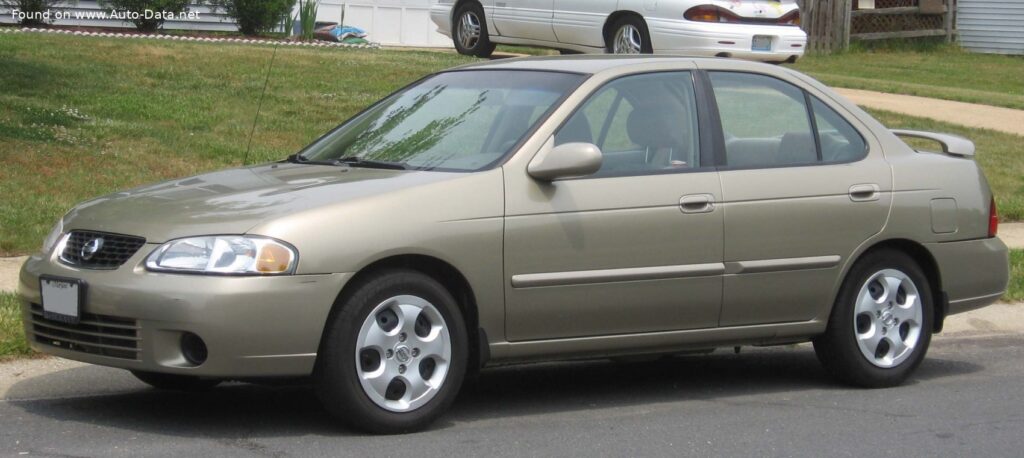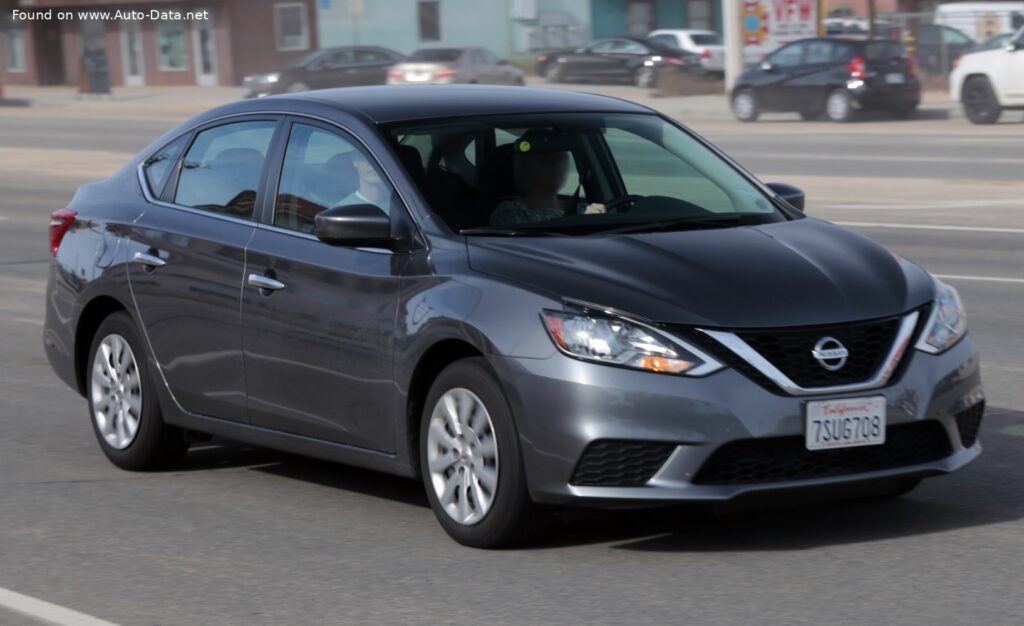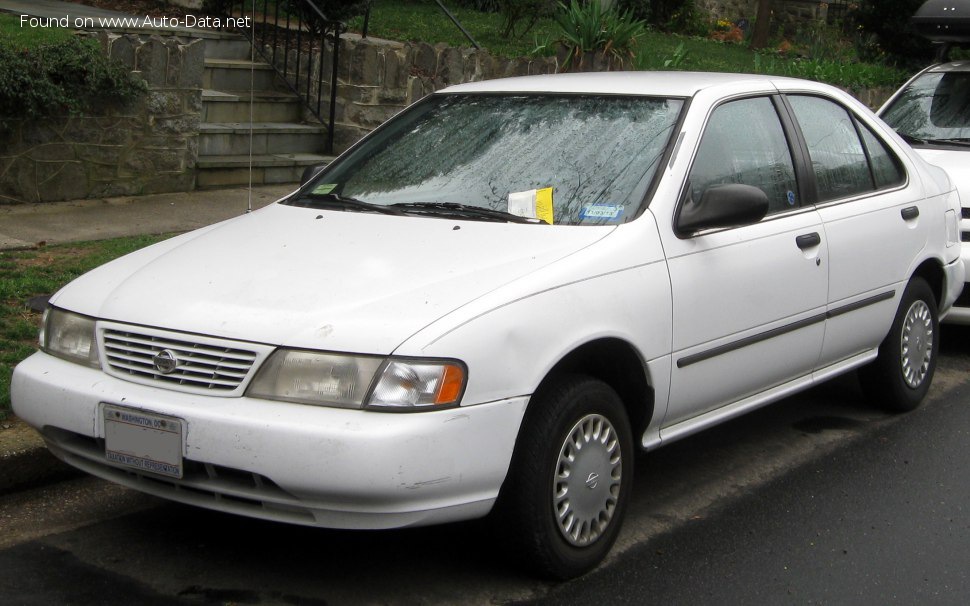
The Nissan Sentra B14, produced between 1994 and 1999, represented a significant step forward for Nissan’s compact sedan offering in the North American market. The 1.6i 16V variant, powered by the GA16DE engine and typically paired with a 5-speed manual transmission, served as the entry-level model within the B14 lineup. While an automatic transmission was offered, this article will focus specifically on the 1.6i 16V configuration with the 5-speed manual gearbox, detailing its specifications, performance, and position within the broader Sentra range. The B14 generation was a crucial model for Nissan, aiming to improve upon the previous generation’s reputation for reliability and practicality while offering a more modern design and improved driving experience.
The 1.6i 16V: Entry Point to the B14 Sentra
The 1.6i 16V trim level was designed to be the most accessible Sentra model, appealing to budget-conscious buyers and those prioritizing fuel efficiency. It provided a balance between affordability and essential features, making it a popular choice for first-time car buyers and those seeking a dependable daily commuter. Compared to the higher trim levels, such as the GLE which offered more luxurious appointments and potentially a larger engine, the 1.6i 16V focused on providing a solid, no-frills transportation solution. It differed significantly from the later introduction of the 2.0L engine options, which prioritized performance over economy.
Powertrain & Engine Architecture
At the heart of the 1.6i 16V Sentra lies the GA16DE engine, a 1.6-liter inline-four cylinder gasoline engine. This engine is characterized by its single overhead camshaft (SOHC) design, with four valves per cylinder (16V), contributing to improved breathing and efficiency. The GA16DE utilizes multi-port fuel injection, delivering fuel directly into the intake ports for precise fuel metering and optimized combustion. The engine’s displacement is 1597 cc (97.45 cubic inches), and it produces a maximum power output of 107 horsepower at 5600 rpm and 150 Nm (110.63 lb-ft) of torque at 4000 rpm. The engine’s relatively high compression ratio of 9.5:1 aids in extracting maximum energy from the fuel. The engine is transversely mounted in the front of the vehicle, driving the front wheels.
Driving Characteristics
The 1.6i 16V Sentra, equipped with the 5-speed manual transmission, offered a reasonably engaging driving experience for its class. While not a performance-oriented vehicle, the engine provided adequate power for everyday driving situations. Acceleration from 0 to 60 mph was achieved in approximately 10.4 seconds, and the car had a top speed of around 118.68 mph. The 5-speed manual transmission allowed drivers to maintain optimal engine speed for various driving conditions, enhancing both fuel efficiency and responsiveness. The gear ratios were tuned for economy, with a relatively tall fifth gear for highway cruising. Compared to the automatic transmission equipped models, the manual version offered a more direct connection to the engine and a greater sense of control. The manual transmission also contributed to slightly improved fuel economy.
Equipment & Trim Levels
The 1.6i 16V Sentra typically came standard with basic amenities such as air conditioning, a basic audio system, and cloth upholstery. Power steering was also a standard feature. The interior was functional and straightforward, prioritizing practicality over luxury. Optional extras included features like power windows and locks, a better audio system, and upgraded interior trim. The base model’s interior was typically finished in darker, more durable fabrics. The dashboard layout was simple and easy to use, with clearly labeled controls. Safety features were relatively basic for the time, typically including seatbelts and an anti-lock braking system (ABS) as an option.
Chassis & Braking
The B14 Sentra utilized a front-wheel-drive layout with a MacPherson strut suspension in the front and a double wishbone suspension in the rear. This suspension setup provided a comfortable ride quality while maintaining reasonable handling characteristics. The front brakes were ventilated discs, offering good stopping power, while the rear brakes were drum brakes, a cost-saving measure for the base model. The steering system was a rack and pinion setup with hydraulic power assistance, providing precise and responsive steering feel. The car rode on 175/65 R14 tires, which contributed to a balance between ride comfort and handling. The curb weight of approximately 1064 kg (2345.72 lbs) helped to mitigate the effects of the engine’s modest power output.
Market Reception & Comparison
The 1.6i 16V Sentra was generally well-received by critics as a practical and affordable compact sedan. It was praised for its reliability, fuel efficiency, and comfortable ride. However, some reviewers noted that the engine’s performance was somewhat lacking, particularly when compared to competitors offering more powerful engines. In terms of fuel economy, the 1.6i 16V achieved approximately 8.9 l/100 km (26.4 US mpg), which was competitive for its class. Compared to the higher trim levels, the 1.6i 16V offered a more attractive price point, making it a popular choice for budget-conscious buyers. The manual transmission version was favored by those who appreciated a more engaging driving experience.
Technical Specifications
| Brand | Nissan |
| Model | Sentra |
| Generation | Sentra (B14) |
| Type (Engine) | 1.6i 16V (107 Hp) |
| Start of production | 1994 |
| End of production | 1999 |
| Powertrain Architecture | Internal Combustion engine |
| Body type | Sedan |
| Seats | 5 |
| Doors | 4 |
| Fuel consumption (combined) | 8.9 l/100 km |
| Fuel consumption (US mpg) | 26.4 |
| Fuel consumption (UK mpg) | 31.7 |
| Fuel Type | Petrol (Gasoline) |
| Acceleration 0 – 100 km/h | 10.9 sec |
| Acceleration 0 – 62 mph | 10.9 sec |
| Acceleration 0 – 60 mph | 10.4 sec |
| Maximum speed | 191 km/h (118.68 mph) |
| Weight-to-power ratio | 9.9 kg/Hp |
| Power | 107 Hp @ 5600 rpm |
| Torque | 150 Nm @ 4000 rpm (110.63 lb.-ft. @ 4000 rpm) |
| Engine layout | Front, Transverse |
| Engine Model/Code | GA16DE |
| Engine displacement | 1597 cm3 (97.45 cu. in.) |
| Number of cylinders | 4 |
| Engine configuration | Inline |
| Cylinder Bore | 76 mm (2.99 in.) |
| Piston Stroke | 88 mm (3.46 in.) |
| Compression ratio | 9.5:1 |
| Number of valves per cylinder | 4 |
| Fuel injection system | Multi-port manifold injection |
| Engine aspiration | Naturally aspirated |
| Engine oil capacity | 3.2 l (3.38 US qt | 2.82 UK qt) |
| Coolant capacity | 5.2 l (5.49 US qt | 4.58 UK qt) |
| Kerb Weight | 1064 kg (2345.72 lbs.) |
| Trunk (boot) space | 328 l (11.58 cu. ft.) |
| Fuel tank capacity | 50 l (13.21 US gal | 11 UK gal) |
| Length | 4230 mm (166.54 in.) |
| Width | 1670 mm (65.75 in.) |
| Height | 1395 mm (54.92 in.) |
| Wheelbase | 2430 mm (95.67 in.) |
| Front track | 1436 mm (56.54 in.) |
| Rear track | 1421 mm (55.94 in.) |
| Drivetrain | Front wheel drive |
| Number of gears | 5 |
| Gearbox type | Manual transmission |
| Front suspension | Spring Strut |
| Rear suspension | Double wishbone |
| Front brakes | Ventilated discs |
| Rear brakes | Drum |
| Steering type | Steering rack and pinion |
| Power steering | Hydraulic |
| Tires size | 175/65 R14 |
Legacy
The 1.6i 16V Sentra B14 has earned a reputation for being a reliable and durable vehicle. The GA16DE engine is known for its longevity, and with proper maintenance, can last for many years. Today, these Sentras are often found as affordable transportation options in the used car market. While they may not offer the same level of refinement or technology as more modern vehicles, they remain a practical and economical choice for those seeking a dependable and fuel-efficient compact sedan. The simplicity of the engine and drivetrain also makes them relatively easy and inexpensive to repair, further contributing to their appeal in the used car market. Parts availability remains good, ensuring that owners can continue to maintain and repair these vehicles for years to come.