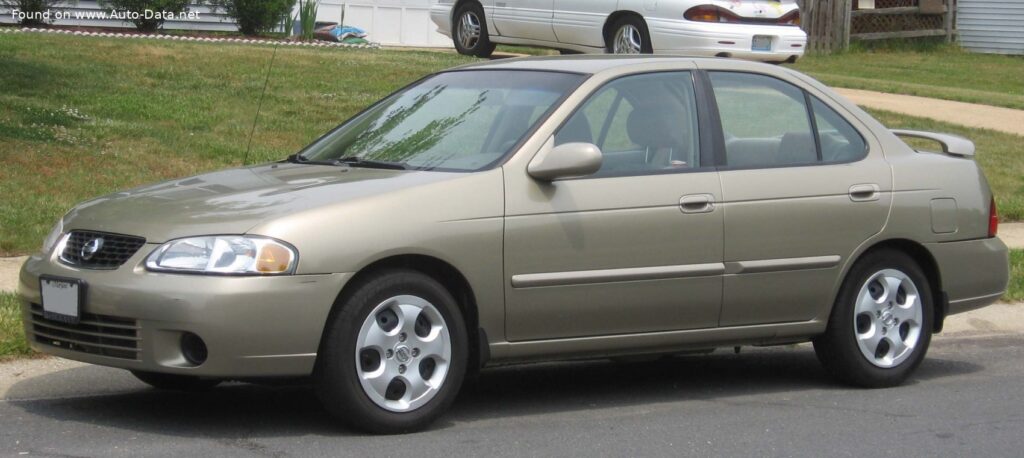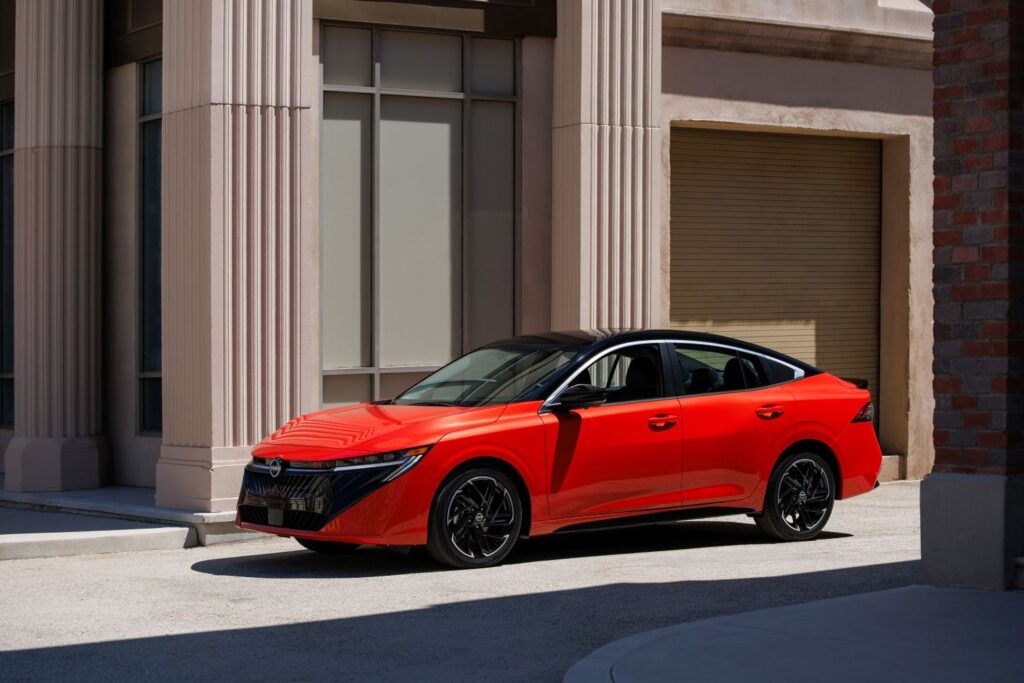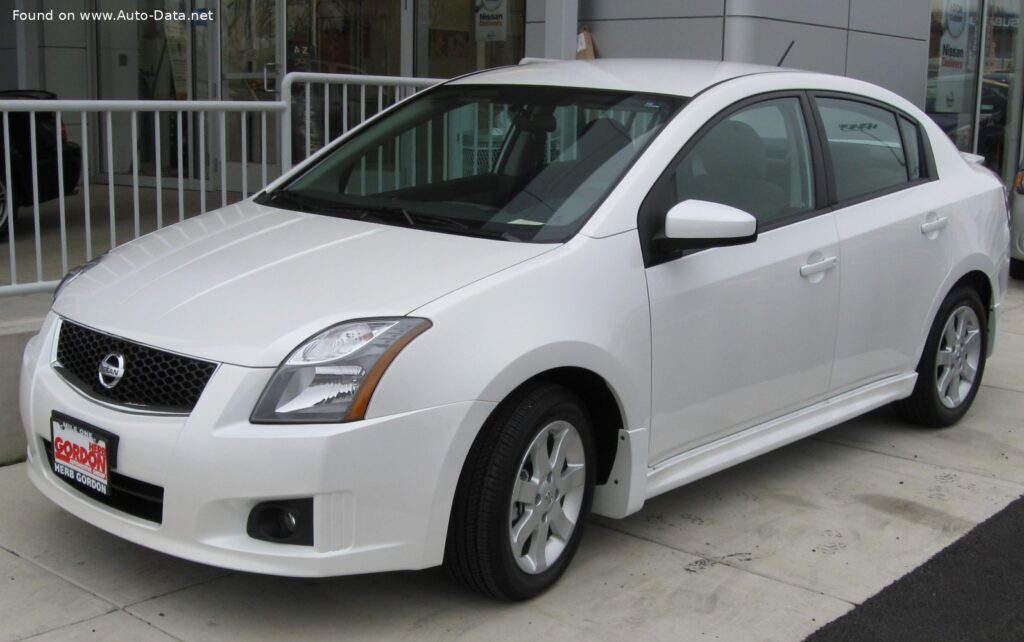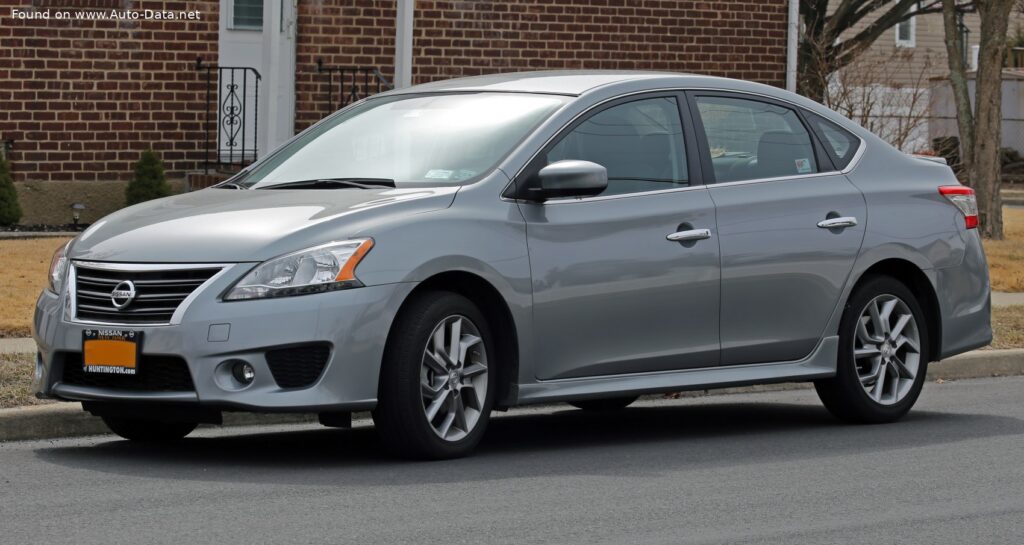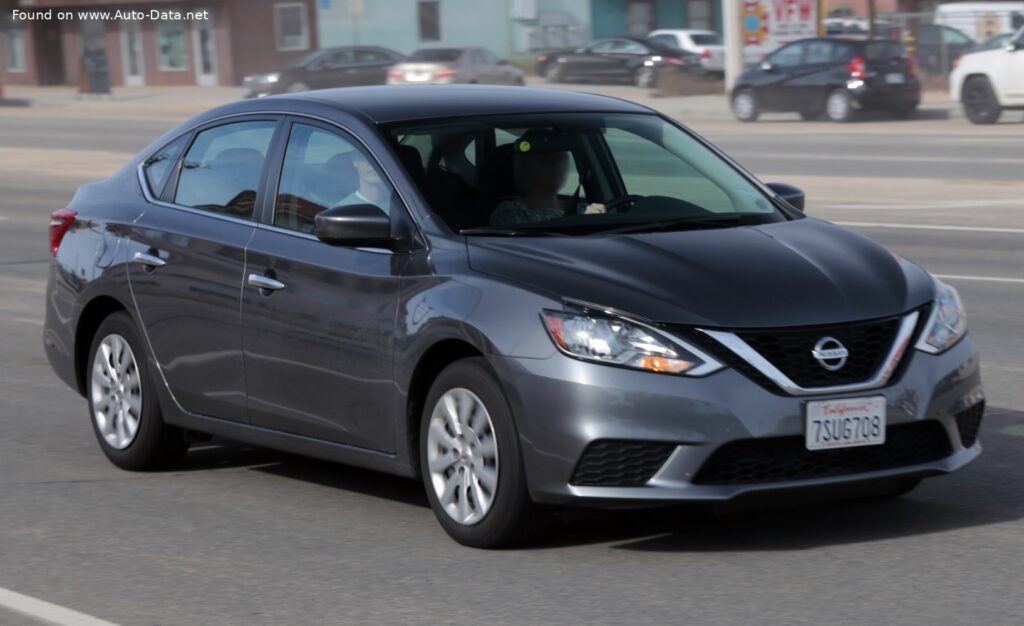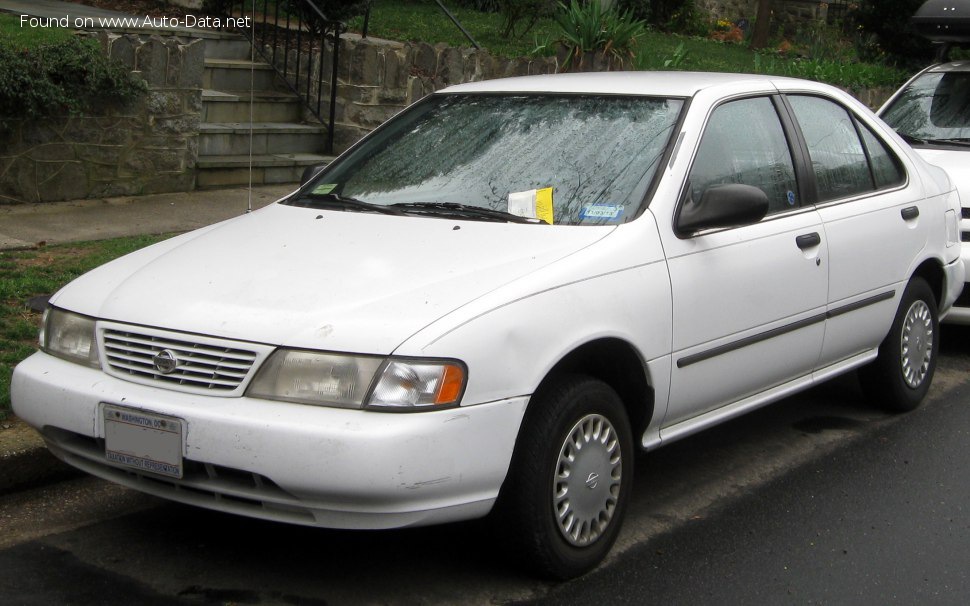
The Nissan Sentra B14, produced between 1994 and 1999, represented a significant step forward for Nissan’s compact sedan offering in the North American market. Within the B14 generation, the 1.6i 16V variant, equipped with a 107 horsepower engine and a four-speed automatic transmission, served as a popular entry-level option. This configuration aimed to provide a balance of affordability, fuel efficiency, and ease of use for a broad range of buyers. The B14 Sentra was built on Nissan’s N platform, shared with other models like the Nissan Altima, and represented a move towards more contemporary styling and improved interior space compared to its predecessor.
The 1.6i 16V Automatic: Positioning and Target Audience
The 1.6i 16V Automatic trim occupied the lower end of the B14 Sentra lineup. Above it sat models with the larger 1.8L engine, and later, the sporty SE trim with enhanced suspension and styling. The 1.6L automatic was specifically targeted towards buyers prioritizing fuel economy and a comfortable, hassle-free driving experience. It was a common choice for first-time car buyers, commuters, and those seeking a reliable and economical family sedan. Compared to the manual transmission versions of the 1.6i, the automatic offered greater convenience, albeit at the expense of some performance and fuel efficiency. It also differed significantly from the higher-performance trims, which catered to drivers seeking a more engaging driving experience.
Powertrain & Engine Architecture
The heart of the 1.6i 16V Automatic Sentra was the GA16DE engine, a 1.6-liter inline four-cylinder gasoline engine. This engine featured a cast iron block and an aluminum cylinder head, incorporating a double overhead camshaft (DOHC) valvetrain with four valves per cylinder – hence the “16V” designation. The GA16DE utilized multi-port fuel injection, delivering fuel directly into the intake ports for improved combustion efficiency. The engine produced 107 horsepower at 5600 rpm and 110.63 lb-ft of torque at 4000 rpm.
Paired with the GA16DE was a four-speed automatic transmission. This transmission, while providing smooth shifts, was a relatively conventional design for the era. It lacked the more advanced features found in some contemporary automatic transmissions, such as electronic controls or overdrive capabilities beyond the fourth gear. The gear ratios were optimized for fuel economy and everyday drivability rather than outright acceleration. The transmission’s torque converter played a crucial role in multiplying engine torque at lower speeds, contributing to the car’s ease of driving in urban environments.
Driving Characteristics
The 1.6i 16V Automatic Sentra delivered a comfortable, if not particularly exhilarating, driving experience. Acceleration from a standstill to 60 mph took approximately 10.4 seconds, and the car had a top speed of around 118.68 mph. The automatic transmission’s shift points were programmed to prioritize fuel efficiency, resulting in a somewhat leisurely pace. While adequate for daily commuting and highway cruising, the 107 horsepower engine felt strained when attempting more aggressive maneuvers or when carrying a full load of passengers. Compared to the manual transmission version, the automatic resulted in a noticeable decrease in responsiveness. The 1.8L models offered a more substantial power boost, making them noticeably quicker and more capable. The suspension, tuned for comfort, provided a relatively smooth ride, absorbing most road imperfections effectively. However, it also resulted in some body roll during cornering.
Equipment & Trim Levels
The base 1.6i 16V Automatic Sentra typically came standard with features such as air conditioning, power steering, an AM/FM radio, and cloth upholstery. Power windows and door locks were often included, but could sometimes be optional depending on the specific package. Interior appointments were generally basic but functional, with a focus on durability and ease of maintenance. Optional extras included a CD player, upgraded sound system, and alloy wheels. Higher trim levels within the B14 Sentra range offered features like cruise control, a sunroof, and more luxurious interior materials.
Chassis & Braking
The B14 Sentra utilized a front-wheel-drive layout with a MacPherson strut suspension in the front and a double wishbone suspension in the rear. This suspension setup provided a good balance of ride comfort and handling. The front brakes were ventilated discs, offering adequate stopping power, while the rear brakes were drums. This configuration was typical for vehicles in this price range during the mid-1990s. Anti-lock braking system (ABS) was available as an option, enhancing safety by preventing wheel lockup during hard braking. The steering system employed a hydraulic rack and pinion setup, providing responsive and precise steering feel.
Market Reception & Comparison
The 1.6i 16V Automatic Sentra was generally well-received by critics as a practical and affordable compact sedan. It was praised for its fuel efficiency, comfortable ride, and reliable powertrain. However, some reviewers noted its lack of power and somewhat uninspired driving dynamics. Compared to competitors like the Honda Civic and Toyota Corolla, the Sentra offered a more spacious interior and a slightly lower price point. In terms of fuel economy, the 1.6L automatic achieved around 26.4 US mpg combined, which was competitive for its class. Reliability was generally good, although some owners reported minor issues with the automatic transmission over time. The 1.8L Sentra models offered a noticeable performance improvement, but at a higher price. The manual transmission versions of the 1.6L provided better fuel economy and a more engaging driving experience, but required more driver involvement.
Technical Specifications
| Body Type | Sedan, 4 Doors, 5 Seats |
| Fuel Economy (Combined) | 8.9 l/100 km (26.4 US mpg, 31.7 UK mpg, 11.2 km/l) |
| Maximum Speed | 191 km/h (118.68 mph) |
| 0-100 km/h | 10.9 sec |
| 0-60 mph | 10.4 sec |
| Power | 107 Hp @ 5600 rpm |
| Torque | 150 Nm @ 4000 rpm (110.63 lb.-ft. @ 4000 rpm) |
| Engine Layout | Front, Transverse |
| Engine Model/Code | GA16DE |
| Engine Displacement | 1597 cm3 (97.45 cu. in.) |
| Number of Cylinders | 4 |
| Engine Configuration | Inline |
| Cylinder Bore | 76 mm (2.99 in.) |
| Piston Stroke | 88 mm (3.46 in.) |
| Compression Ratio | 9.5:1 |
| Number of Valves per Cylinder | 4 |
| Fuel Injection System | Multi-port manifold injection |
| Engine Oil Capacity | 3.2 l (3.38 US qt | 2.82 UK qt) |
| Coolant Capacity | 5.2 l (5.49 US qt | 4.58 UK qt) |
| Kerb Weight | 1064 kg (2345.72 lbs.) |
| Trunk Space (Minimum) | 328 l (11.58 cu. ft.) |
| Fuel Tank Capacity | 50 l (13.21 US gal | 11 UK gal) |
| Length | 4230 mm (166.54 in.) |
| Width | 1670 mm (65.75 in.) |
| Height | 1395 mm (54.92 in.) |
| Wheelbase | 2430 mm (95.67 in.) |
| Gearbox | 4 gears, automatic transmission |
Legacy
The GA16DE engine, in general, proved to be a durable and reliable powerplant. While not known for its high performance, it was capable of exceeding 200,000 miles with proper maintenance. The four-speed automatic transmission, while not as sophisticated as later designs, also demonstrated reasonable longevity. Today, B14 Sentras with the 1.6i 16V Automatic configuration are relatively common in the used car market, often appealing to buyers seeking an affordable and dependable transportation option. However, potential buyers should be aware of the age-related issues common to vehicles of this era, such as rust, worn suspension components, and potential transmission problems. Despite its age, the B14 Sentra remains a testament to Nissan’s commitment to building practical and reliable vehicles.