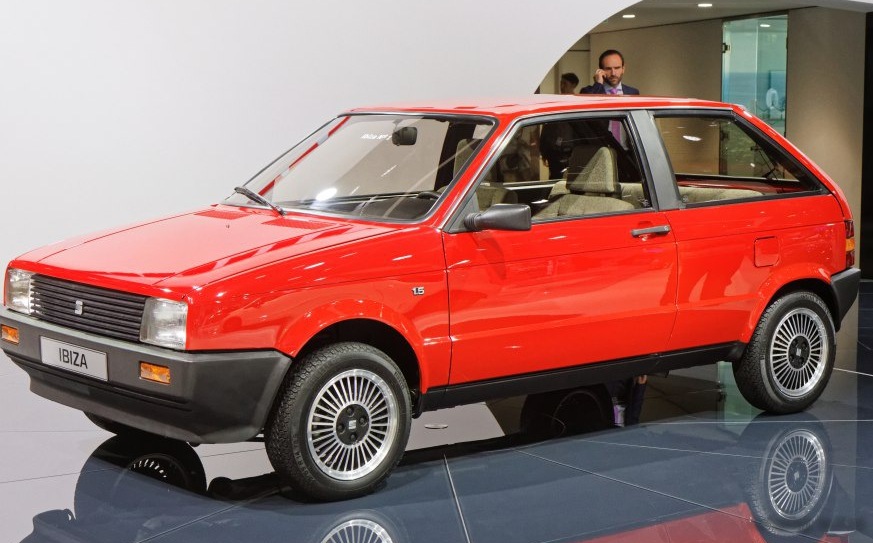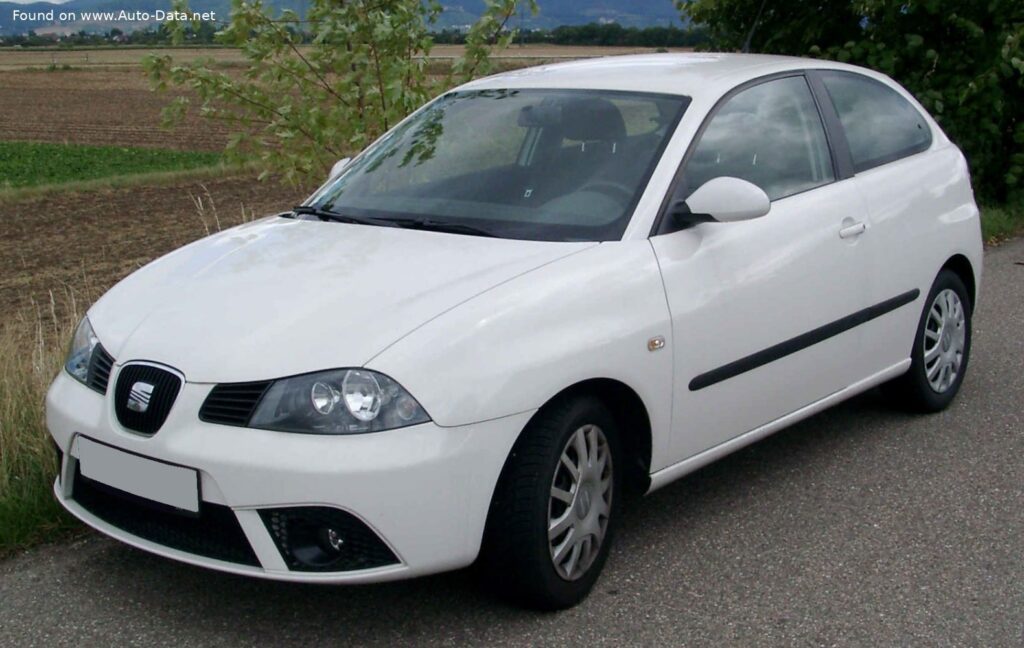
The Seat Ibiza III (facelift, introduced in May 2006) 1.2, producing 70 horsepower, represented an entry-level offering within the broader Ibiza III range, which spanned from 2002 to 2008. This facelift brought styling updates and minor mechanical revisions to the already popular supermini. The 1.2-liter variant was specifically positioned as an economical and accessible option, targeting budget-conscious buyers and those prioritizing fuel efficiency over outright performance. It served as the gateway into the Ibiza lineup, sitting below the more powerful 1.4 and 1.6-liter gasoline engines, as well as the diesel options like the 1.9 TDI.
Powertrain & Engine Architecture
The heart of the Ibiza 1.2 was the BXV engine code, a 1.2-liter inline-three cylinder gasoline engine. This engine was part of Volkswagen Group’s EA111 family, known for its compact size and relatively simple design. The BXV featured a naturally aspirated configuration, meaning it did not employ turbocharging or supercharging. It utilized a multi-port fuel injection system, delivering fuel directly into the intake ports just before the intake valves. The engine employed four valves per cylinder (a dual overhead camshaft or DOHC configuration), contributing to improved breathing and efficiency.
While a five-speed manual transmission was the most common pairing, a four-speed automatic transmission was also offered, though less frequently. This automatic was a conventional hydraulic unit, not a continuously variable transmission (CVT). The automatic transmission was geared towards smooth operation and ease of use, prioritizing comfort over sporty performance. The engine’s relatively low torque output meant the automatic transmission needed to be carefully calibrated to avoid excessive “hunting” between gears.
Engine Specifications
The BXV engine produced 70 hp at 5400 rpm and 112 Nm (82.61 lb-ft) of torque at 3000 rpm. The engine’s bore and stroke measured 76.5 mm (3.01 in) and 86.9 mm (3.42 in) respectively, resulting in a displacement of 1198 cm³ (73.11 cu. in). The compression ratio was set at 10.5:1. Engine oil capacity was 2.8 liters (2.96 US qt / 2.46 UK qt), and the recommended coolant capacity was 5.6 liters (5.92 US qt / 4.93 UK qt).
Driving Characteristics
The 1.2-liter Ibiza, particularly when equipped with the four-speed automatic transmission, was not known for its blistering acceleration. Acceleration from 0 to 100 km/h (0-62 mph) took approximately 14.2 seconds, while the 0-60 mph sprint was calculated at around 13.5 seconds. Top speed was limited to 170 km/h (105.63 mph). The engine’s power delivery was relatively linear, but required the driver to utilize the engine’s rev range to extract the most performance.
The automatic transmission, while convenient, did detract from the driving experience compared to the manual version. Gear changes were noticeable, and the transmission sometimes hesitated during overtaking maneuvers. The gear ratios were optimized for fuel economy rather than rapid acceleration. In city driving, the automatic proved its worth, offering a smooth and effortless experience. However, on highways or winding roads, the lack of engine power and the limitations of the four-speed automatic became more apparent. Compared to the 1.4 or 1.6-liter versions, the 1.2 felt noticeably slower and less responsive.
Equipment & Trim Levels
The Ibiza 1.2 typically came with a basic level of equipment, reflecting its entry-level positioning. Standard features generally included power steering, central locking, front airbags, and an adjustable steering column. Interior upholstery was typically cloth, with a relatively simple dashboard layout. Air conditioning was often an optional extra, as were features like alloy wheels, electric windows, and a CD player. Trim levels varied slightly depending on the market, but generally followed a progressive structure, with higher trims adding more comfort and convenience features. The Style trim level was a common upgrade, adding features like body-colored bumpers and door handles. The Reference trim was the most basic offering.
Chassis & Braking
The Ibiza III utilized a MacPherson strut front suspension and a torsion beam rear suspension. This setup provided a reasonable balance between ride comfort and handling. The 1.2-liter models typically featured a smaller diameter stabilizer bar compared to the higher-powered variants. Braking was typically accomplished with ventilated discs on the front wheels and drum brakes on the rear. This configuration was common for vehicles in this weight class and price range. Wheel sizes ranged from 14 to 15 inches, with tire sizes typically being 185/60 R14 or 195/50 R15. The kerb weight of the 1.2 Ibiza was approximately 1027 kg (2264.15 lbs).
Market Reception & Comparison
The Seat Ibiza 1.2 was generally well-received as an affordable and economical city car. Critics praised its fuel efficiency and nimble handling, but noted its lack of outright performance. Fuel economy figures were respectable, with combined fuel consumption averaging around 5.9 l/100 km (39.9 US mpg / 47.9 UK mpg). Compared to other vehicles in its class, such as the Ford Fiesta or Renault Clio, the Ibiza 1.2 offered a competitive package in terms of price and features. However, the automatic transmission version was often criticized for its sluggishness and lack of refinement. The manual transmission version offered a more engaging driving experience and slightly better fuel economy. Reliability was generally good, although the EA111 engine was known to be susceptible to oil consumption issues in some cases.
Technical Specifications
| Brand | Seat |
| Model | Ibiza |
| Generation | Ibiza III (facelift 2006) |
| Type (Engine) | 1.2 (70 Hp) |
| Start of production | May, 2006 |
| End of production | 2008 |
| Powertrain Architecture | Internal Combustion engine |
| Body type | Hatchback |
| Seats | 5 |
| Doors | 3-5 |
| Fuel consumption (urban) | 7.8 l/100 km (30.2 US mpg) |
| Fuel consumption (extra urban) | 5.1 l/100 km (46.1 US mpg) |
| Fuel consumption (combined) | 5.9 l/100 km (39.9 US mpg) |
| Fuel Type | Petrol (Gasoline) |
| Acceleration 0 – 100 km/h | 14.2 sec |
| Acceleration 0 – 62 mph | 14.2 sec |
| Acceleration 0 – 60 mph | 13.5 sec |
| Maximum speed | 170 km/h (105.63 mph) |
| Weight-to-power ratio | 14.7 kg/Hp |
| Power | 70 Hp @ 5400 rpm |
| Torque | 112 Nm @ 3000 rpm (82.61 lb.-ft. @ 3000 rpm) |
| Engine layout | Front, Transverse |
| Engine Model/Code | BXV |
| Engine displacement | 1198 cm3 (73.11 cu. in.) |
| Number of cylinders | 3 |
| Cylinder Bore | 76.5 mm (3.01 in.) |
| Piston Stroke | 86.9 mm (3.42 in.) |
| Compression ratio | 10.5:1 |
| Kerb Weight | 1027 kg (2264.15 lbs.) |
| Trunk (boot) space – minimum | 265 l (9.36 cu. ft.) |
| Trunk (boot) space – maximum | 1030 l (36.37 cu. ft.) |
| Fuel tank capacity | 45 l (11.89 US gal) |
| Length | 3977 mm (156.57 in.) |
| Width | 1698 mm (66.85 in.) |
| Height | 1441 mm (56.73 in.) |
Legacy
The Seat Ibiza III 1.2, while not a performance icon, remains a popular choice in the used car market due to its affordability and fuel efficiency. The BXV engine, when properly maintained, can prove to be relatively reliable, although potential buyers should be aware of the possibility of oil consumption issues. The availability of spare parts is generally good, thanks to the widespread use of the EA111 engine across the Volkswagen Group. The 1.2-liter Ibiza represents a practical and economical option for those seeking a small, city-friendly hatchback. Its simplicity and low running costs continue to appeal to a wide range of buyers.