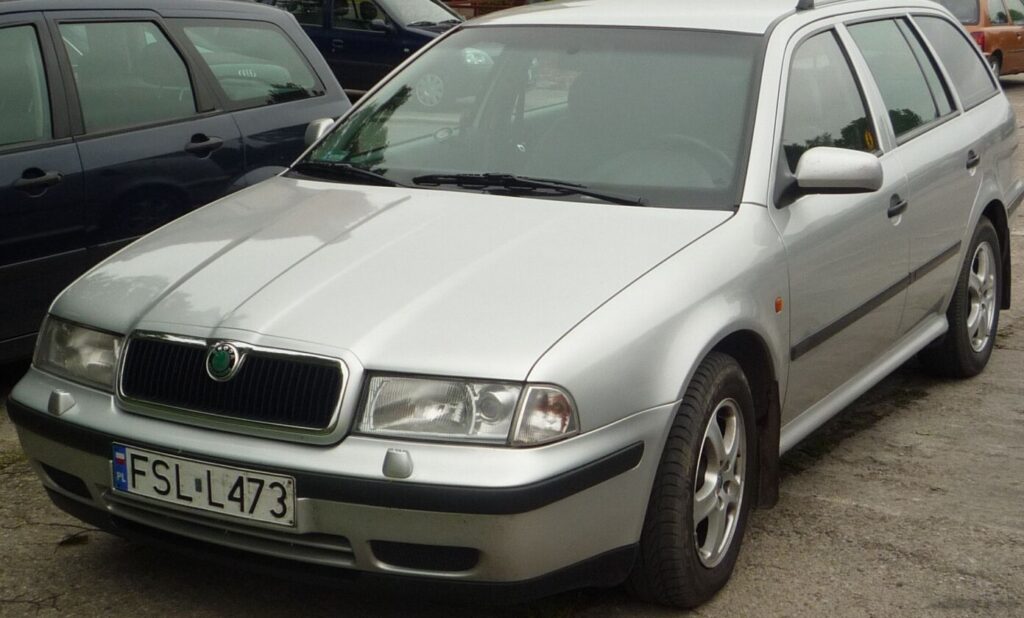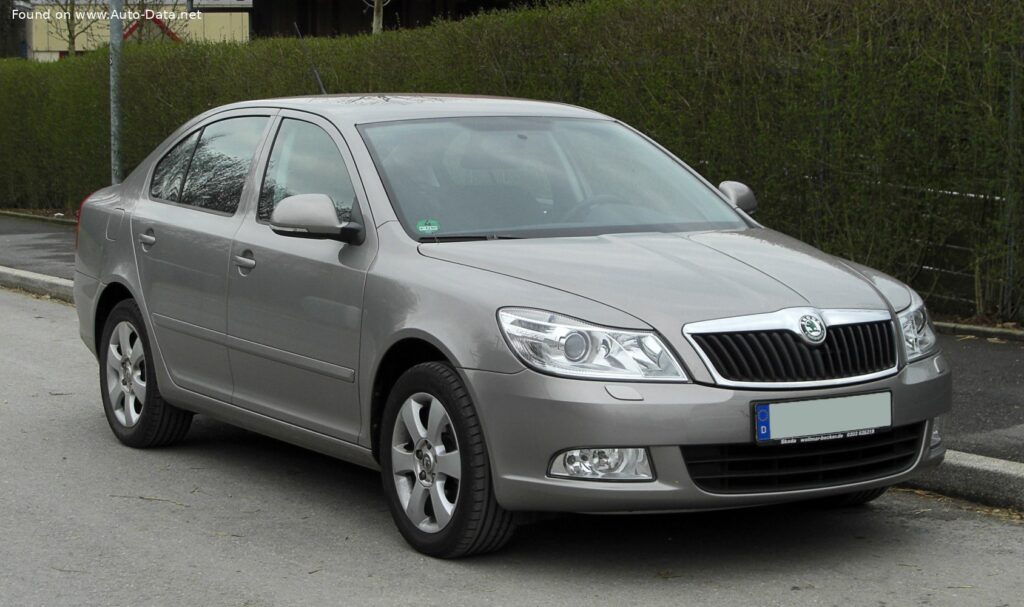
The Skoda Octavia II, specifically the facelifted version introduced in 2009, represented a significant evolution of Skoda’s popular compact car. Within the Octavia II range (produced from 2004-2013, with the facelift arriving in 2009), the 1.9 TDI 105 horsepower variant occupied a crucial position as a fuel-efficient and practical option aimed at buyers prioritizing economy and everyday usability. Production of this specific configuration ran from 2009 to 2010, bridging the gap between the pre-facelift models and the later introduction of more modern engine options. The Octavia II was built on the Volkswagen Group’s A5 (1HX0) platform, shared with models like the Volkswagen Golf Mk5 and Audi A3.
The 1.9 TDI (105 Hp) Octavia II: A Detailed Overview
The 1.9 TDI with 105 horsepower was a mainstay of the Octavia II lineup, particularly in European markets. It offered a compelling blend of reasonable performance, excellent fuel economy, and a relatively low purchase price. This made it a popular choice for fleet buyers, families, and individuals seeking a dependable and economical vehicle. While not the sportiest Octavia variant – that role was filled by models like the 2.0 TDI or the petrol-powered 1.8 TSI – the 1.9 TDI provided ample power for everyday driving and long-distance journeys.
Powertrain & Engine Architecture
At the heart of this Octavia variant lies the Volkswagen Group’s EA188 engine family, specifically the 1.9-liter (1896 cc) inline-four cylinder diesel engine, designated with the engine code BKC. This engine utilized a pump-nozzle (unit injector) fuel injection system, a technology known for its precision and efficiency in delivering fuel directly into the combustion chamber. The engine featured a single overhead camshaft (SOHC) operating two valves per cylinder. A turbocharger with an intercooler was employed to boost power output and improve torque across the rev range. The 1.9 TDI produced 105 hp at 4000 rpm and 250 Nm (184.39 lb-ft) of torque at 1900 rpm.
The engine was typically paired with a five-speed manual transmission, however, a six-speed automatic transmission was also available, though less common. The automatic transmission provided added convenience, particularly in urban driving conditions, but generally resulted in slightly reduced fuel economy and a marginally slower acceleration time compared to the manual version. The automatic transmission was a conventional torque converter type, offering smooth shifts but lacking the efficiency of more modern dual-clutch transmissions.
Driving Characteristics
The 1.9 TDI 105 hp Octavia II offered a driving experience focused on practicality and efficiency. Acceleration from 0 to 100 km/h (0-62 mph) took approximately 11.8 seconds, and top speed was rated at 192 km/h (119.3 mph). While these figures aren’t particularly impressive by modern standards, they were adequate for most driving situations. The engine’s strong low-end torque made it feel more responsive than the horsepower figure might suggest, providing good pulling power for overtaking maneuvers and climbing hills.
The five-speed manual transmission offered precise shifts and allowed drivers to maximize fuel efficiency. The automatic transmission, while convenient, had slightly taller gear ratios, which could sometimes result in the engine feeling strained during hard acceleration. Overall, the driving experience was comfortable and predictable, prioritizing ease of use over outright performance. Compared to the more powerful 2.0 TDI variants, the 1.9 TDI felt noticeably less energetic, but it also offered superior fuel economy and a more relaxed driving experience.
Equipment & Trim Levels
The 1.9 TDI 105 hp Octavia II was typically offered in several trim levels, varying depending on the market. Base models generally included features such as air conditioning, power windows, central locking, and an audio system. Higher trim levels added features like alloy wheels, fog lights, a multi-function steering wheel, and upgraded interior upholstery. Interior materials were generally durable and functional, reflecting the Octavia’s focus on practicality. Upholstery options typically included cloth or a combination of cloth and vinyl. Optional extras included a sunroof, parking sensors, and a more advanced audio system with navigation.
Chassis & Braking
The Octavia II’s chassis was tuned for comfort and stability. The front suspension utilized independent McPherson struts with coil springs and an anti-roll bar, while the rear suspension employed a torsion beam setup. This configuration provided a good balance between ride comfort and handling. The steering was a rack-and-pinion system with electric power assistance, offering light and precise steering feel.
Braking systems varied slightly depending on trim level. Most models were equipped with ventilated disc brakes on the front wheels and solid disc brakes on the rear. Anti-lock Braking System (ABS) was standard equipment. The Octavia II’s braking performance was adequate for everyday driving, providing sufficient stopping power in most conditions. Tire sizes typically ranged from 195/65 R15 to 205/55 R16, depending on the trim level and wheel size.
Market Reception & Comparison
The Skoda Octavia II 1.9 TDI 105 hp was generally well-received by automotive critics. It was praised for its fuel efficiency, spacious interior, and practical design. Critics noted that the engine, while not particularly powerful, was adequate for most drivers and offered excellent economy. Compared to other cars in its class, such as the Ford Focus and Vauxhall/Opel Astra, the Octavia II offered a more spacious interior and a more comfortable ride. However, some critics found the interior design to be somewhat bland and lacking in visual appeal.
In terms of fuel economy, the 1.9 TDI consistently outperformed its petrol-powered counterparts. Combined fuel consumption was around 5.1 l/100 km (46.1 US mpg), making it an attractive option for drivers covering long distances. Reliability was generally good, although the pump-nozzle fuel injection system could be prone to issues if not properly maintained. Compared to the 2.0 TDI variants, the 1.9 TDI offered lower running costs but sacrificed some performance.
Technical Specifications
| Brand | Skoda |
| Model | Octavia II |
| Engine Type | 1.9 TDI |
| Engine Code | BKC |
| Displacement | 1896 cm3 (115.7 cu. in.) |
| Cylinders | 4, Inline |
| Power | 105 hp @ 4000 rpm |
| Torque | 250 Nm (184.39 lb-ft) @ 1900 rpm |
| Fuel Consumption (Urban) | 6.4 l/100 km (36.8 US mpg) |
| Fuel Consumption (Extra Urban) | 4.4 l/100 km (53.5 US mpg) |
| Fuel Consumption (Combined) | 5.1 l/100 km (46.1 US mpg) |
| Acceleration 0-100 km/h | 11.8 sec |
| Top Speed | 192 km/h (119.3 mph) |
| Kerb Weight | 1405 kg (3097.49 lbs) |
| Fuel Tank Capacity | 55 l (14.53 US gal) |
| Transmission | 5-speed Manual or 6-speed Automatic |
Legacy
The 1.9 TDI engine, in its various iterations, proved to be a remarkably durable and reliable powerplant. While the pump-nozzle injection system requires diligent maintenance (regular oil changes and the use of high-quality diesel fuel are crucial), it can provide years of dependable service. Today, used Octavia II 1.9 TDI models are still relatively common and represent a good value for money, particularly for buyers seeking an economical and practical vehicle. However, potential buyers should be aware of the age-related issues that can affect any used car, such as wear and tear on suspension components and potential corrosion. The 1.9 TDI engine, when well-maintained, remains a testament to Volkswagen Group’s engineering prowess and continues to offer a compelling combination of fuel efficiency and reliability.