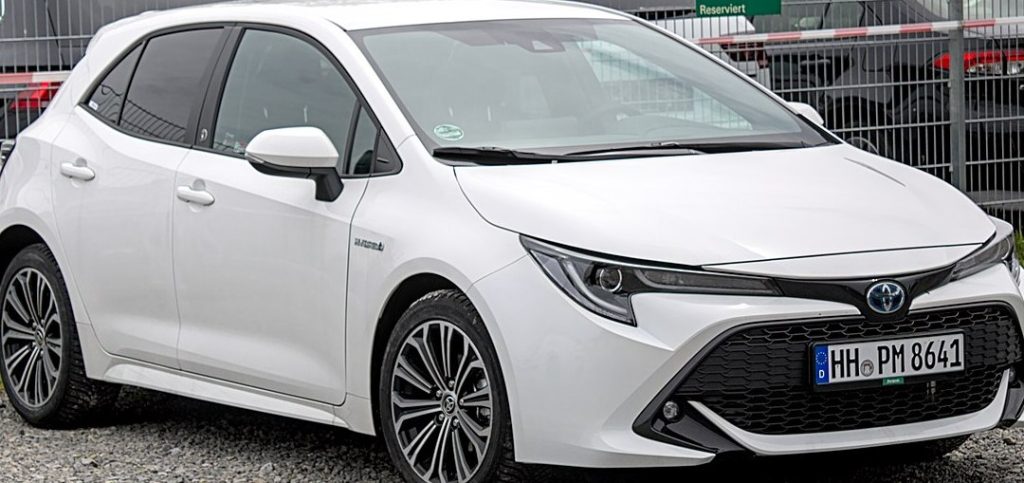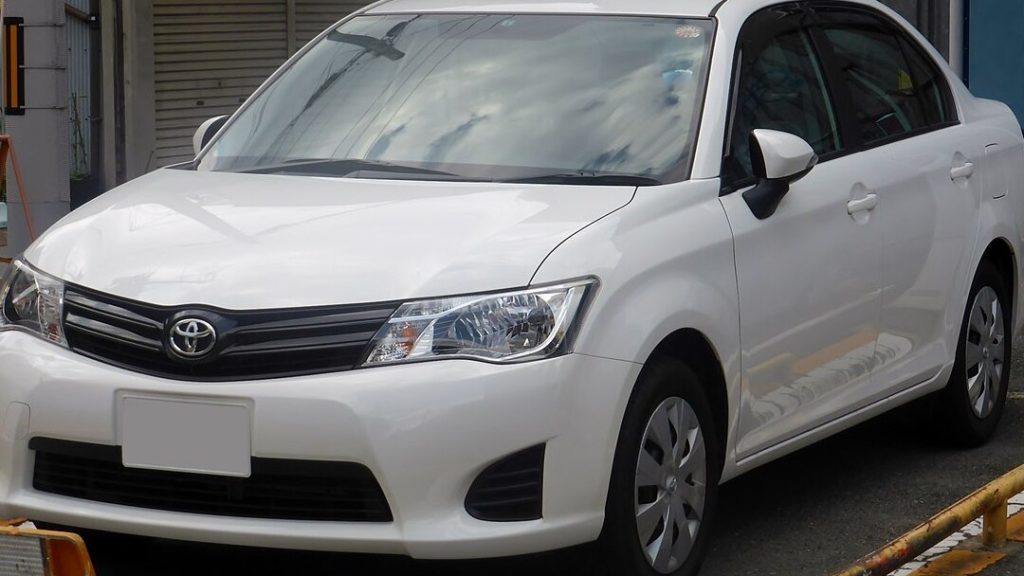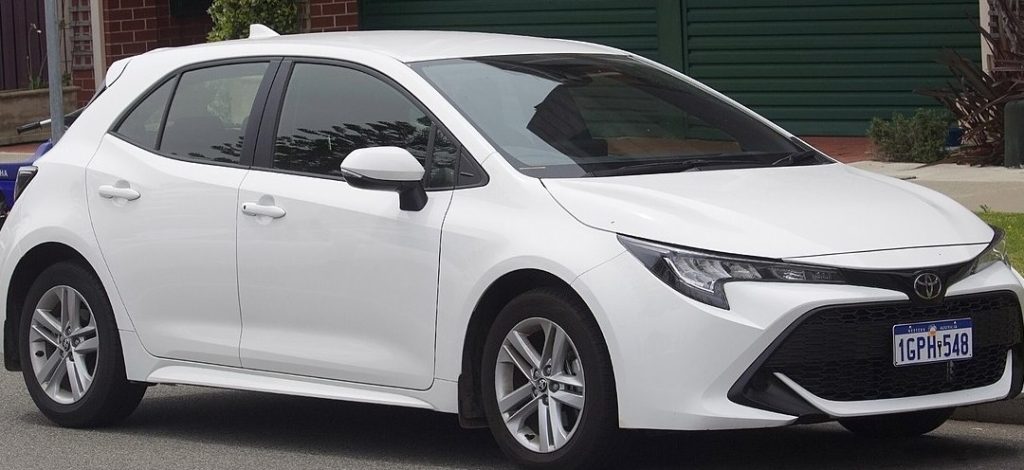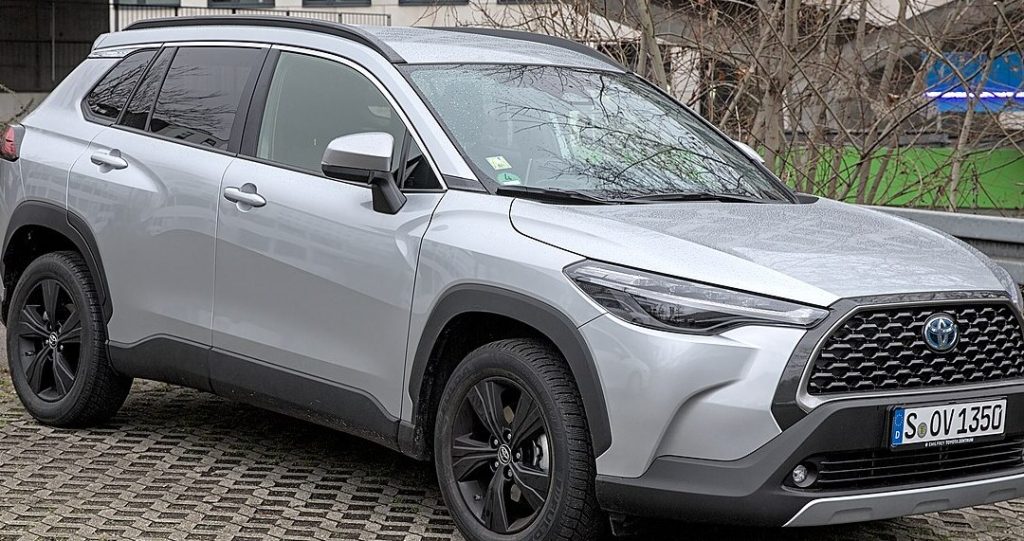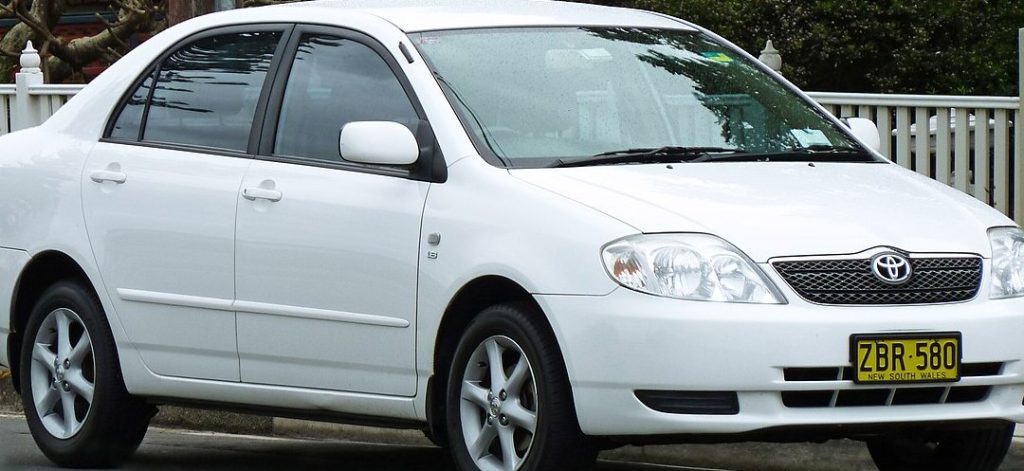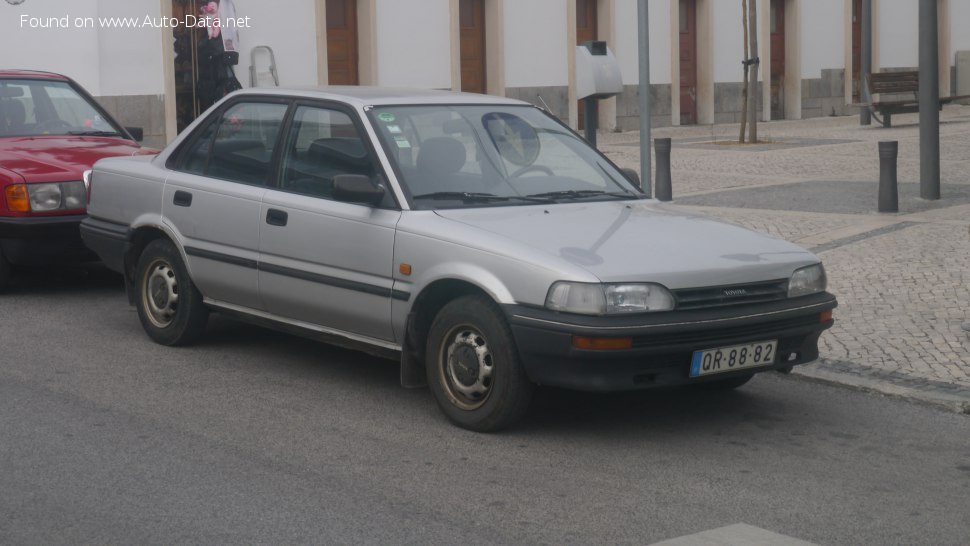
The Toyota Corolla E90, produced between 1989 and 1992, represented the sixth generation of Toyota’s globally successful Corolla line. Within this generation, the 1.3 i (EE90) variant, powered by the 2E-E engine and producing 75 horsepower, served as the entry-level offering in many markets. Positioned below the 1.6-liter models, the EE90 catered to buyers prioritizing fuel efficiency and affordability over outright performance. This model played a significant role in maintaining the Corolla’s reputation for reliability and practicality, particularly during a period of increasing competition in the compact car segment.
The 1.3 i (EE90) Corolla: An Entry-Level Staple
The E90 Corolla marked a significant evolution in design and engineering for Toyota. While retaining the core Corolla values of dependability and value, the sixth generation featured a more rounded and aerodynamic exterior compared to its boxier predecessor. The EE90, specifically, was designed to be an economical and accessible option, appealing to first-time car buyers, commuters, and those seeking a no-frills, dependable vehicle. It was commonly available as a four-door sedan, though other body styles like a five-door hatchback and wagon were offered in certain regions.
Powertrain & Engine Architecture
At the heart of the 1.3 i (EE90) Corolla lies the 2E-E engine, a 1.3-liter (1298 cc) inline-four cylinder gasoline engine. This engine is a naturally aspirated unit, meaning it does not utilize a turbocharger or supercharger. The 2E-E engine featured a cast iron block and an aluminum cylinder head, a common configuration for Toyota engines of the era. It employed a single overhead camshaft (SOHC) valvetrain with eight valves (two per cylinder). Fuel delivery was managed by a multi-port fuel injection system, which improved fuel efficiency and reduced emissions compared to earlier carburetor-based systems.
The 2E-E engine’s power output was rated at 75 horsepower (56 kW) at 6,000 rpm and 88 lb-ft of torque (120 Nm) at 3,600 rpm. This power was transmitted to the front wheels through either a four-speed automatic transmission or a five-speed manual transmission. The automatic transmission, while providing ease of use, was known to slightly reduce fuel economy and acceleration compared to the manual counterpart. The engine’s relatively low compression ratio (9.5:1) contributed to its ability to run reliably on lower octane gasoline, a significant benefit in many markets.
Driving Characteristics
The driving experience in the 1.3 i (EE90) Corolla was characterized by its smooth and predictable nature. Acceleration was modest, with 0-60 mph times typically exceeding 12 seconds. However, the engine proved to be adequately responsive for everyday driving situations, such as commuting and city driving. The automatic transmission offered smooth gear changes, although it lacked the responsiveness of more modern automatic gearboxes. The gear ratios were optimized for fuel efficiency rather than outright performance.
Compared to the 1.6-liter Corolla variants, the EE90 offered noticeably less power and acceleration. The 1.6-liter engines provided a more engaging driving experience, particularly for those who frequently drove on highways or enjoyed spirited driving. However, the 1.3-liter engine’s lighter weight and lower friction contributed to better fuel economy, making it a more attractive option for budget-conscious buyers. The suspension was tuned for comfort, providing a relatively soft ride quality, although it could feel somewhat underdamped when encountering larger bumps.
Equipment & Trim Levels
The 1.3 i (EE90) Corolla typically came equipped with a basic but functional set of features. Standard equipment generally included cloth upholstery, a basic AM/FM radio, and manual windows and door locks. Air conditioning was often an optional extra, as were power windows and central locking. The interior design was simple and utilitarian, prioritizing practicality and durability over luxury. The dashboard layout was straightforward, with clearly labeled controls.
Trim levels varied depending on the market. In some regions, a base model offered minimal features, while higher trims added options such as upgraded upholstery, a better sound system, and exterior enhancements like body-colored bumpers and wheel covers. The EE90 was not typically offered with a wide range of optional extras, reflecting its position as the entry-level model in the Corolla lineup.
Chassis & Braking
The E90 Corolla utilized a front-engine, front-wheel-drive layout. The suspension consisted of MacPherson struts at the front and a torsion beam axle at the rear. This suspension setup provided a reasonable balance between ride comfort and handling. Steering was rack-and-pinion, offering precise and predictable steering feel.
Braking systems varied depending on the market and trim level. Most EE90 models were equipped with front disc brakes and rear drum brakes. Some higher-spec models featured disc brakes on all four wheels. The braking system was adequate for everyday driving, but lacked the stopping power of more modern braking systems. Anti-lock brakes (ABS) were not typically offered on the 1.3 i (EE90) variant.
Market Reception & Comparison
The 1.3 i (EE90) Corolla was generally well-received by critics and consumers alike. It was praised for its reliability, fuel efficiency, and affordability. However, its modest performance was often cited as a drawback, particularly when compared to its 1.6-liter siblings and competitors. Fuel economy figures typically ranged from 35-40 mpg in combined driving conditions, making it one of the most fuel-efficient cars in its class.
Compared to rivals such as the Honda Civic and Nissan Sentra, the Corolla EE90 offered a similar level of reliability and practicality. The Civic was often praised for its slightly more engaging driving experience, while the Sentra offered a more spacious interior. However, the Corolla’s reputation for bulletproof reliability and low running costs made it a popular choice among budget-conscious buyers.
Technical Specifications
| Engine Code | 2E-E |
| Engine Type | Inline-4, Naturally Aspirated |
| Displacement | 1.3 L (1298 cc) |
| Horsepower | 75 hp (56 kW) @ 6000 rpm |
| Torque | 88 lb-ft (120 Nm) @ 3600 rpm |
| Compression Ratio | 9.5:1 |
| Fuel Injection | Multi-port Fuel Injection |
| Valvetrain | SOHC, 8 Valves |
| Drivetrain | Front-Wheel Drive |
| Transmission | 4-Speed Automatic or 5-Speed Manual |
| Front Brakes | Disc |
| Rear Brakes | Drum |
| Engine Oil Capacity | 3.2 L (3.38 US qt, 2.82 UK qt) |
| Coolant Capacity | 4.9 L (5.18 US qt, 4.31 UK qt) |
Legacy
The 1.3 i (EE90) Corolla, while not the most powerful or feature-rich variant of its generation, remains a respected and reliable vehicle. The 2E-E engine is known for its durability and longevity, and many examples are still on the road today. In the used car market, these Corollas are often sought after by those seeking an affordable and dependable transportation option. While maintenance costs are generally low, age-related issues such as rust and worn suspension components are common. The EE90’s simplicity and robust construction have contributed to its enduring appeal, solidifying its place as a classic example of Toyota’s commitment to quality and reliability.