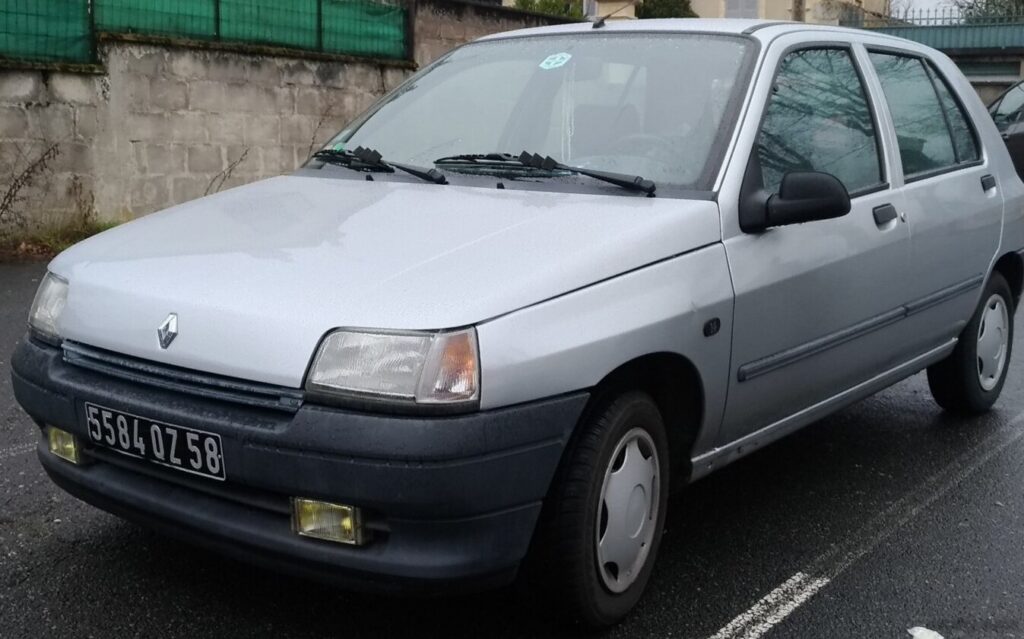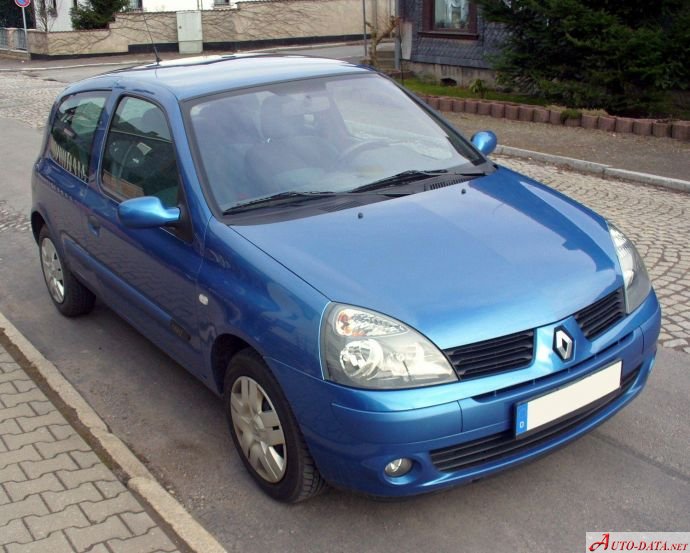
The Renault Clio II Phase III, produced from 2003 to 2006, represented a significant refresh of Renault’s popular supermini. Within this generation, the 3-door 1.5 dCi variant, equipped with a 65 horsepower diesel engine, occupied the entry-level position in the Clio II lineup. This model was designed to appeal to buyers prioritizing fuel efficiency and affordability, particularly in European markets where diesel engines were – and continue to be – highly favored. The Clio II itself was based on the 1HX0/A3 platform, shared with other Renault and Nissan models, and the Phase III update brought revised styling, improved safety features, and updated engine options.
The 1.5 dCi Engine and its Role in the Clio II Range
The 1.5 dCi 65 hp variant was positioned as the most economical option in the Clio II range. Compared to the petrol-powered versions, it offered substantially better fuel economy. It sat below the more powerful diesel variants, such as the 80 hp and 100 hp versions of the 1.5 dCi, and significantly below the performance-oriented petrol engines like the 1.6 16V. The target audience for this trim was primarily urban commuters and drivers seeking a low-cost-to-operate vehicle. While not offering blistering performance, it provided adequate power for everyday driving needs.
Powertrain & Engine Architecture
The heart of this Clio variant is the Renault K9K 740 engine, a 1.5-liter inline four-cylinder diesel. This engine is a common rail direct injection (CDI) diesel, meaning fuel is injected directly into the combustion chamber at very high pressure. This technology, coupled with a turbocharger and intercooler, allows for efficient combustion and improved power output despite the relatively small displacement. The engine code, K9K, is widely recognized within the Renault/Nissan alliance and signifies a family of diesel engines known for their robustness and fuel efficiency. The engine utilizes a single overhead camshaft (OHC) valvetrain with two valves per cylinder.
The 1.5 dCi engine in the Clio II Phase III typically paired with a five-speed manual transmission. However, a four-speed automatic transmission was also offered, though less common. The automatic transmission was a conventional hydraulic automatic, not a continuously variable transmission (CVT). This four-speed automatic, while providing convenience, did impact fuel economy and acceleration compared to the manual gearbox. The gear ratios were optimized for fuel efficiency rather than outright performance, with a relatively tall final drive.
Driving Characteristics
The 1.5 dCi 65 hp automatic version of the Clio II offered a comfortable, if uninspiring, driving experience. Acceleration was modest, taking approximately 15 seconds to reach 62 mph (100 km/h). The engine produced a maximum torque of 160 Nm (118 lb-ft) at 2000 rpm, which provided sufficient pulling power for overtaking maneuvers, although it required downshifting with the automatic transmission. The automatic gearbox, while smooth in operation, could feel sluggish at times, particularly when attempting quick acceleration. Compared to the manual transmission version, the automatic suffered a noticeable performance penalty. The manual version felt more responsive and engaging to drive, offering better control and fuel economy. The suspension was tuned for comfort, providing a relatively soft ride, but this came at the expense of handling sharpness.
Equipment & Trim Levels
The 1.5 dCi 65 hp variant of the Clio II Phase III was typically offered in a base trim level, known as “Authentique” or “Expression” depending on the market. Standard equipment generally included power steering, central locking, electric front windows, and an adjustable steering column. Safety features included ABS (Anti-lock Braking System) and driver and passenger airbags. Interior upholstery was typically cloth, with a simple, functional dashboard design. Optional extras included air conditioning, alloy wheels, a CD player, and rear electric windows. Higher trim levels, available with more powerful engines, offered additional features such as automatic headlights, rain-sensing wipers, and upgraded interior trim.
Chassis & Braking
The Clio II Phase III utilized a McPherson strut front suspension with a coil spring and anti-roll bar. The rear suspension employed a semi-independent beam axle with a stabilizer bar. This setup provided a good balance between ride comfort and handling. The front brakes were disc brakes, while the rear brakes were typically drum brakes, although some higher-spec models featured rear disc brakes. The braking system was adequate for the vehicle’s weight and performance, with ABS providing enhanced stopping power and stability. The steering was a hydraulic power-assisted rack and pinion system, offering light and precise steering feel.
Market Reception & Comparison
The 1.5 dCi 65 hp automatic Clio II was generally well-received by critics as a practical and economical city car. Its fuel efficiency was a major selling point, particularly in Europe where fuel prices are high. However, the performance of the automatic transmission version was often criticized as being sluggish. Compared to the manual transmission version, the automatic offered less engaging driving experience and slightly worse fuel economy. Against competitors like the Peugeot 206, Volkswagen Polo, and Ford Fiesta, the Clio II offered a competitive package in terms of price, fuel economy, and practicality. The Clio II’s styling was also considered more modern and appealing than some of its rivals.
Technical Specifications
| Engine Type | 1.5 dCi Turbo Diesel |
| Engine Code | K9K 740 |
| Displacement | 1461 cc (89.16 cu in) |
| Cylinders | 4, Inline |
| Power | 65 hp @ 4000 rpm |
| Torque | 160 Nm (118 lb-ft) @ 2000 rpm |
| Fuel Injection | Diesel Common Rail |
| Valvetrain | OHC, 2 valves per cylinder |
| Transmission | 4-speed Automatic (Optional) |
| Drive | Front Wheel Drive |
| Kerb Weight | 970 kg (2138 lbs) |
| Maximum Speed | 163 km/h (101 mph) |
| 0-100 km/h | 15 seconds |
| Fuel Consumption (Combined) | 4.3 l/100 km (54.7 US mpg) |
| CO2 Emissions | 115 g/km |
| Fuel Tank Capacity | 50 liters (13.2 US gallons) |
Legacy
The 1.5 dCi engine, in its various iterations, proved to be a reliable and durable powerplant. While early common rail diesels sometimes suffered from injector issues, the K9K engine generally enjoyed a good reputation for longevity. Today, used examples of the 1.5 dCi Clio II are relatively common and can be found at affordable prices. However, potential buyers should be aware of the age-related issues common to all older vehicles, such as wear and tear on suspension components and potential corrosion. The automatic transmission version, while offering convenience, may require more frequent servicing than the manual gearbox. Overall, the 1.5 dCi 65 hp automatic Clio II remains a viable option for buyers seeking a cheap and economical city car, provided it has been well-maintained.