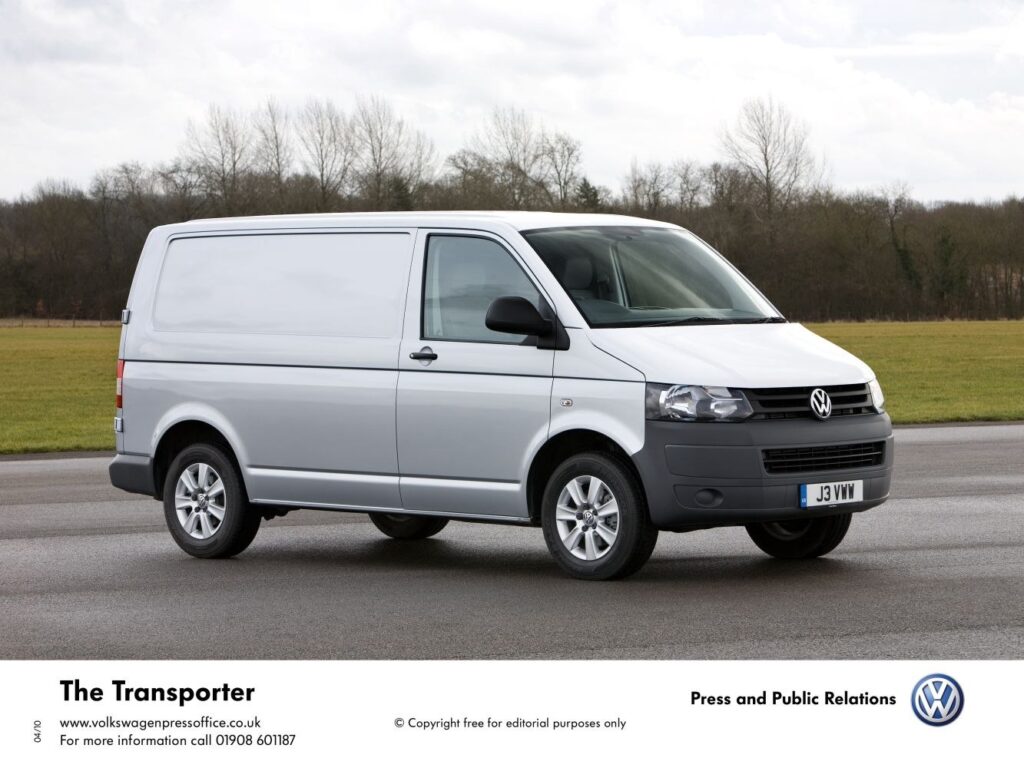
The Volkswagen Transporter (T5) facelift, produced from 2009 to 2015, represented a significant refresh of the fifth-generation Transporter line. Among the various engine and configuration options available, the 2.0 TDI with 102 horsepower (Hp) and a manual transmission, specifically in the L1H1 (short wheelbase, low roof) panel van configuration, occupied a crucial position as a workhorse variant. This model was aimed at commercial users and businesses needing a practical, fuel-efficient, and reliable vehicle for deliveries, trades, and general transport duties. It sat firmly in the entry to mid-range of the T5 lineup, offering a balance between affordability and capability.
Powertrain & Engine Architecture
The heart of the T5 2.0 TDI 102 Hp is the EA189 series engine, specifically the CAAB engine code. This is a 1.968-liter (120.09 cubic inches) inline four-cylinder diesel engine. The CAAB variant utilizes a common rail direct fuel injection system, delivering fuel directly into the combustion chamber at extremely high pressure. This system, coupled with a turbocharger and intercooler, optimizes combustion efficiency and power output. The engine features a double overhead camshaft (DOHC) valvetrain with four valves per cylinder, contributing to improved breathing and overall performance.
The 2.0 TDI 102 Hp was exclusively offered with a five-speed manual transmission. This transmission was chosen for its robustness, simplicity, and contribution to fuel economy. The gear ratios were optimized for commercial use, prioritizing low-end torque and efficient cruising rather than outright acceleration. The transmission is front-wheel drive, a common configuration for Transporter models focused on practicality and cost-effectiveness.
Engine Specifications
Key engine specifications include a compression ratio of 16.5:1 and a maximum torque output of 250 Nm (184.39 lb-ft) available between 1500 and 2500 rpm. The engine produces its peak power of 102 Hp at 3500 rpm. The engine oil capacity is 7 liters (7.4 US quarts or 6.16 UK quarts), and the coolant capacity is 11 liters (11.62 US quarts or 9.68 UK quarts). A particulate filter was included as standard equipment to meet Euro 5 emission standards.
Driving Characteristics
The driving experience of the T5 2.0 TDI 102 Hp L1H1 is characterized by its practicality and focus on utility. Acceleration is modest, with a 0-100 km/h (0-62 mph) time of approximately 15.3 seconds. The engine’s strength lies in its readily available low-end torque, making it well-suited for carrying loads and navigating urban environments. The five-speed manual transmission requires deliberate shifting, but provides good control over the engine’s power band.
Compared to higher-output TDI variants (like the 140 or 180 Hp models), the 102 Hp version feels noticeably less powerful, especially when fully loaded or climbing hills. However, this trade-off is offset by improved fuel economy and reduced maintenance costs. The manual transmission also provides a more engaging driving experience than the optional automatic transmissions available on other T5 models. The front-wheel-drive configuration provides adequate traction in most conditions, but can struggle in slippery environments with a heavy load.
Equipment & Trim Levels
The T5 2.0 TDI 102 Hp L1H1 panel van was typically offered with a relatively basic level of equipment, reflecting its commercial focus. Standard features generally included a driver’s airbag, anti-lock braking system (ABS), power steering, and a basic audio system. The interior typically featured durable plastic trim and cloth upholstery. The cab configuration usually accommodated two or three occupants, depending on the specific seating arrangement.
Optional extras included air conditioning, electric windows, central locking, a more advanced audio system, and various cargo area enhancements such as shelving, load securing rails, and different flooring options. Higher trim levels, if selected, might add features like alloy wheels, upgraded interior trim, and parking sensors. However, the core appeal of this variant remained its affordability and practicality, so many examples were kept relatively spartan in terms of optional equipment.
Chassis & Braking
The T5 2.0 TDI 102 Hp L1H1 utilizes an independent McPherson strut front suspension with coil springs and an anti-roll bar. The rear suspension employs a semi-independent trailing arm setup with coil springs and a transverse stabilizer. This suspension configuration provides a reasonable balance between ride comfort and load-carrying capacity. The front brakes are ventilated discs measuring 308×29.5 mm, while the rear brakes are also ventilated discs measuring 294×22 mm. This braking setup is adequate for the vehicle’s weight and performance characteristics.
The curb weight of the L1H1 variant typically ranges from 1687 to 2103 kg (3719.2 to 4636.32 lbs), depending on the specific equipment and configuration. The maximum permissible weight varies between 2600 and 3200 kg (5732.02 to 7054.79 lbs), allowing for a substantial payload capacity of 913 to 1097 kg (2012.82 to 2418.47 lbs). The vehicle’s ground clearance is 201 mm (7.91 inches), providing reasonable off-road capability for accessing construction sites or delivery locations.
Market Reception & Comparison
The T5 2.0 TDI 102 Hp L1H1 was generally well-received in the commercial vehicle market. Critics praised its fuel efficiency, reliability, and practicality. Fuel consumption figures averaged around 7.2-7.5 l/100 km (32.7-31.4 US mpg), making it an economical choice for businesses. Compared to the more powerful TDI variants, the 102 Hp model offered a lower purchase price and reduced running costs. However, some reviewers noted its lack of outright performance, particularly when heavily loaded.
Compared to competitors like the Mercedes-Benz Vito and Ford Transit, the T5 2.0 TDI 102 Hp offered a competitive package in terms of price, fuel economy, and reliability. The Volkswagen’s reputation for build quality and durability also contributed to its popularity. The manual transmission was favored by many commercial operators for its simplicity and robustness.
Technical Specifications
| Brand | Volkswagen |
| Model | Transporter (T5, facelift 2009) Panel Van |
| Type | 2.0 TDI (102 Hp) L1H1 |
| Start of production | 2009 |
| End of production | 2015 |
| Engine | 2.0 TDI (CAAB) |
| Power | 102 Hp @ 3500 rpm |
| Torque | 250 Nm @ 1500-2500 rpm |
| Fuel Consumption (Urban) | 9.4-9.7 l/100 km (25-24.2 US mpg) |
| Fuel Consumption (Extra Urban) | 6-6.3 l/100 km (39.2-37.3 US mpg) |
| Fuel Consumption (Combined) | 7.2-7.5 l/100 km (32.7-31.4 US mpg) |
| CO2 Emissions | 190-198 g/km |
| Transmission | 5-speed manual |
| Drive | Front-wheel drive |
| Curb Weight | 1687-2103 kg (3719.2 – 4636.32 lbs) |
| Max. Weight | 2600-3200 kg (5732.02 – 7054.79 lbs) |
| Fuel Tank Capacity | 80 l (21.13 US gal) |
| Length | 4892 mm (192.6 in) |
| Width | 1904 mm (74.96 in) |
| Height | 1990 mm (78.35 in) |
Legacy
The 2.0 TDI engine, in its various iterations, proved to be a reliable and durable powertrain in the T5 Transporter. While the EA189 engine series later faced scrutiny regarding emissions compliance (leading to software updates and recalls), the CAAB variant generally enjoys a good reputation for longevity. Today, used examples of the T5 2.0 TDI 102 Hp L1H1 remain relatively affordable and are still widely used by businesses and tradespeople. Regular maintenance, including oil changes and filter replacements, is crucial for ensuring continued reliability. The simplicity of the engine and transmission makes it relatively easy and inexpensive to repair, further contributing to its enduring appeal in the used vehicle market.