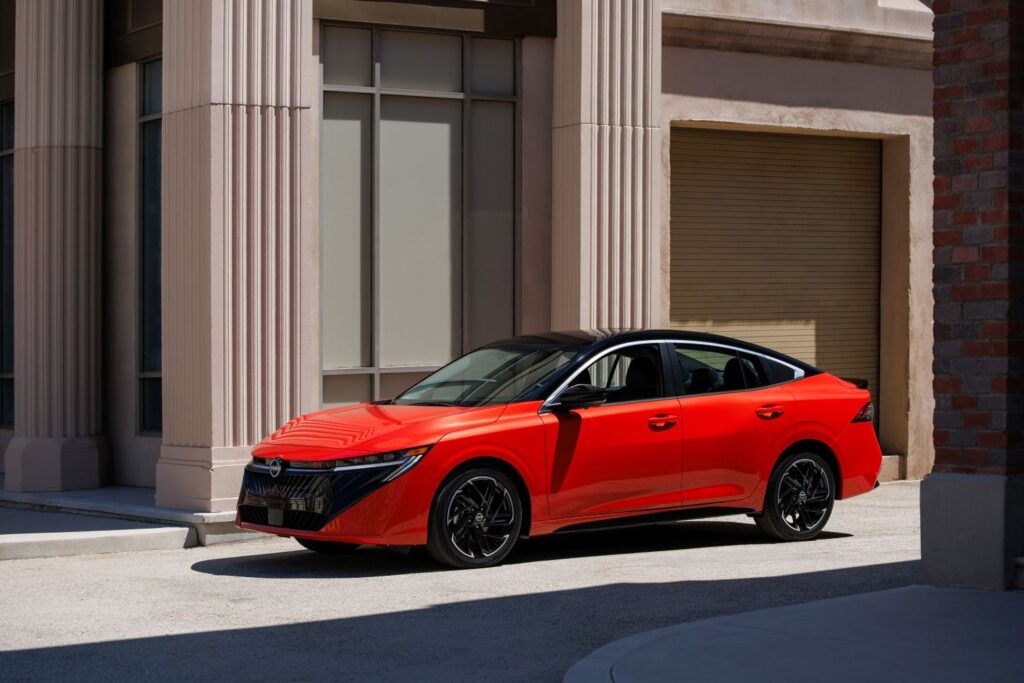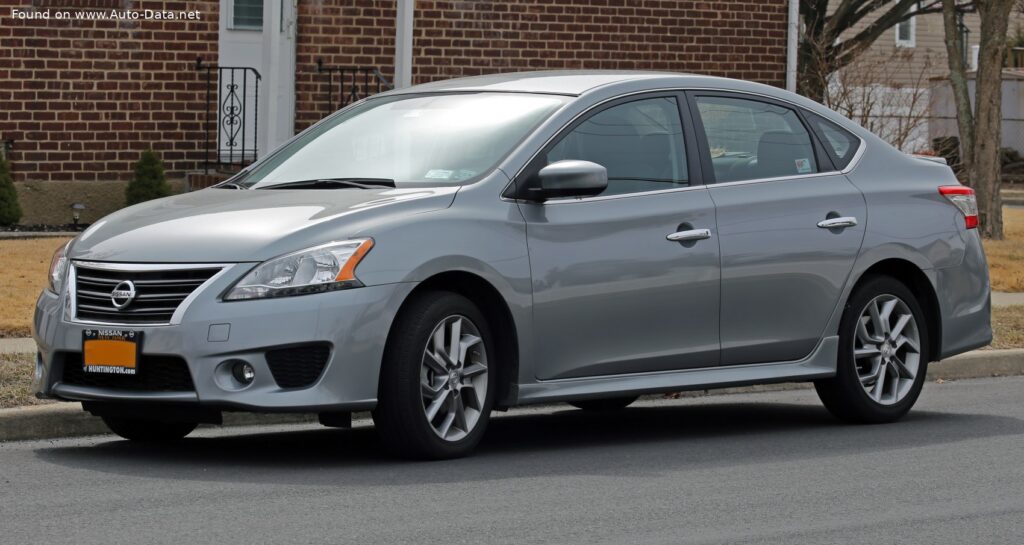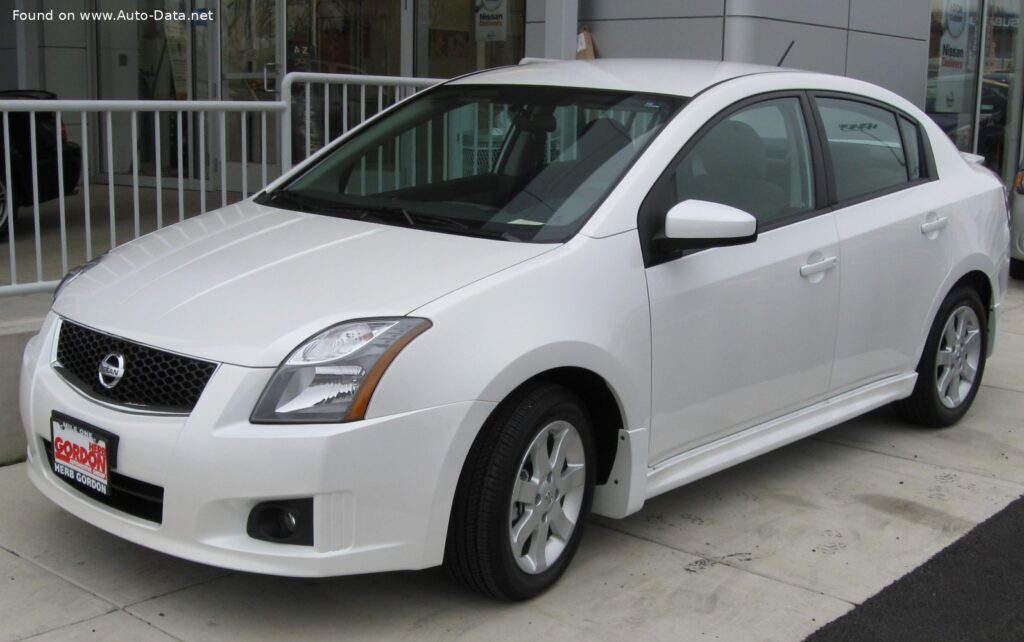
The Nissan Sentra VI 2.0i 16V, produced from September 2006 to August 2012, represented a significant evolution in Nissan’s compact sedan offerings. This generation, built on the B17 platform, aimed to provide a more refined and modern driving experience compared to its predecessor. The 2.0i 16V trim, powered by the MR20DE engine producing 135 horsepower, occupied a mid-range position within the Sentra VI lineup, offering a balance between performance, fuel efficiency, and affordability. It served as a step up from the base 1.8L models, while remaining more accessible than the higher-specification trims that might have included features like premium audio systems or upgraded interior materials.
Powertrain & Engine Architecture
At the heart of the Sentra VI 2.0i 16V lies the MR20DE, a 2.0-liter inline four-cylinder gasoline engine. This engine is a naturally aspirated design, meaning it relies solely on atmospheric pressure to draw air into the cylinders, rather than utilizing forced induction like a turbocharger or supercharger. The engine code, MR20DE, designates its key characteristics: ‘M’ for engine family, ‘R’ for 2.0-liter displacement, ’20’ for displacement volume, and ‘DE’ signifying dual overhead camshafts and electronic fuel injection. The MR20DE features a multi-port fuel injection system, delivering fuel directly into the intake ports just before the intake valves. This system, common for its time, provides precise fuel metering for optimal combustion. The engine utilizes a double overhead camshaft (DOHC) valvetrain with four valves per cylinder (16V total), enhancing volumetric efficiency and contributing to improved power output. The compression ratio is set at 9.8:1, a balance between performance and fuel economy. The engine’s oil capacity is 3.9 liters (4.12 US quarts / 3.43 UK quarts), and it requires an oil meeting Nissan’s specific specifications. The cooling system holds 7 liters (7.4 US quarts / 6.16 UK quarts) of coolant.
Transmission Details
The 2.0i 16V model was primarily offered with a 6-speed manual transmission. This transmission was chosen to complement the engine’s power output, providing drivers with greater control and a more engaging driving experience. The gear ratios were tuned to optimize acceleration and highway cruising. First gear was relatively short for quick take-offs, while higher gears were geared for fuel efficiency at highway speeds. While a Continuously Variable Transmission (CVT) became available in later years of the Sentra VI generation, it wasn’t initially offered with the 2.0i 16V configuration.
Driving Characteristics
The Sentra VI 2.0i 16V offered a noticeable improvement in performance over the base 1.8L models. The 135 horsepower and 191 Nm (140.87 lb-ft) of torque provided adequate acceleration for everyday driving situations. While not a sports sedan, the 2.0i 16V could comfortably handle highway merging and passing maneuvers. The 6-speed manual transmission allowed drivers to fully utilize the engine’s powerband, providing a more responsive feel. The power delivery was relatively linear, with peak torque available at a usable engine speed. Compared to the base 1.8L, the 2.0i 16V felt more confident when fully loaded with passengers or cargo. The steering was light and precise, making it easy to maneuver in urban environments. The suspension, while tuned for comfort, provided reasonable handling characteristics, minimizing body roll during cornering.
Equipment & Trim Levels
The 2.0i 16V trim typically included standard features such as air conditioning, power windows and locks, a basic audio system with CD player, and cloth upholstery. Safety features included dual front airbags, side airbags, and an Anti-lock Braking System (ABS). Optional extras varied depending on the market and year, but commonly included features like a sunroof, upgraded audio system with MP3 compatibility, alloy wheels, and a cruise control system. Interior materials were generally durable and functional, reflecting the Sentra’s position as an affordable compact sedan. The dashboard layout was straightforward and user-friendly, with clearly labeled controls. The seats provided adequate support for both front and rear passengers.
Chassis & Braking
The Sentra VI 2.0i 16V utilized an independent coil spring suspension in the front, providing a comfortable ride and good handling characteristics. The rear suspension was a semi-independent, coil spring design. This setup offered a good balance between ride comfort and handling stability. The front brakes were disc brakes, providing superior stopping power compared to drum brakes. However, the rear brakes were drum brakes, a cost-saving measure common in this class of vehicle. The ABS system helped to prevent wheel lockup during hard braking, enhancing safety and control. The vehicle rode on 205/60R16 tires, providing a good compromise between ride comfort and grip.
Market Reception & Comparison
The Nissan Sentra VI 2.0i 16V was generally well-received by automotive critics as a practical and reliable compact sedan. It was praised for its comfortable ride, spacious interior, and fuel efficiency. However, some critics noted that its styling was somewhat conservative and that its performance was not as exciting as some of its competitors. Compared to other trims in the Sentra VI lineup, the 2.0i 16V offered a noticeable performance advantage over the base 1.8L models, while remaining more affordable than the higher-specification trims. In terms of fuel economy, the 2.0i 16V achieved approximately 8.4 l/100 km (28 US mpg / 33.6 UK mpg) in urban driving and 6.9 l/100 km (34.1 US mpg / 40.9 UK mpg) in extra-urban driving. Its reliability was generally considered good, with the MR20DE engine proving to be a durable and long-lasting powerplant.
Technical Specifications
| Brand | Nissan |
| Model | Sentra |
| Generation | Sentra VI |
| Type (Engine) | 2.0i 16V (135 Hp) |
| Start of production | September, 2006 |
| End of production | August, 2012 |
| Powertrain Architecture | Internal Combustion engine |
| Body type | Sedan |
| Seats | 5 |
| Doors | 4 |
| Fuel consumption (urban) | 8.4 l/100 km (28 US mpg / 33.6 UK mpg) |
| Fuel consumption (extra urban) | 6.9 l/100 km (34.1 US mpg / 40.9 UK mpg) |
| Fuel Type | Petrol (Gasoline) |
| Weight-to-power ratio | 9.6 kg/Hp |
| Power | 135 Hp @ 5200 rpm |
| Torque | 191 Nm (140.87 lb.-ft.) |
| Engine layout | Front, Transverse |
| Engine Model/Code | MR20DE |
| Engine displacement | 1997 cm3 (121.86 cu. in.) |
| Number of cylinders | 4 |
| Engine configuration | Inline |
| Cylinder Bore | 84 mm (3.31 in.) |
| Piston Stroke | 90.1 mm (3.55 in.) |
| Compression ratio | 9.8:1 |
| Number of valves per cylinder | 4 |
| Fuel injection system | Multi-port manifold injection |
| Engine oil capacity | 3.9 l (4.12 US qt / 3.43 UK qt) |
| Coolant | 7 l (7.4 US qt / 6.16 UK qt) |
| Kerb Weight | 1295 kg (2854.99 lbs.) |
| Max. weight | 1745 kg (3847.07 lbs.) |
| Max load | 450 kg (992.08 lbs.) |
| Trunk (boot) space – maximum | 371 l (13.1 cu. ft.) |
| Length | 4567 mm (179.8 in.) |
| Width | 1790 mm (70.47 in.) |
| Height | 1512 mm (59.53 in.) |
| Wheelbase | 2685 mm (105.71 in.) |
| Number of gears and type of gearbox | 6 gears, manual transmission |
Legacy
The Nissan Sentra VI 2.0i 16V, and the MR20DE engine in particular, has proven to be a relatively reliable powertrain. Many examples are still on the road today, demonstrating the engine’s durability. Common maintenance items include regular oil changes, timing chain inspection (though the MR20DE’s timing chain is generally robust), and monitoring of coolant levels. On the used car market, the 2.0i 16V models tend to command a slightly higher price than the base 1.8L versions, reflecting their improved performance and desirability. While not a collector’s item, the Sentra VI 2.0i 16V remains a practical and affordable option for buyers seeking a reliable and fuel-efficient compact sedan.