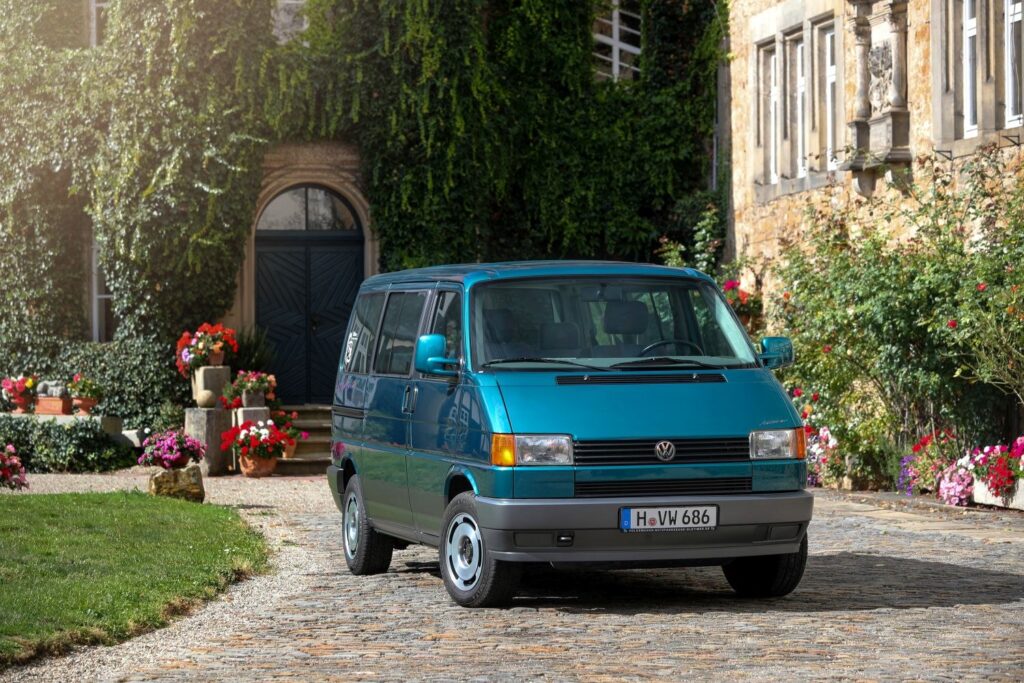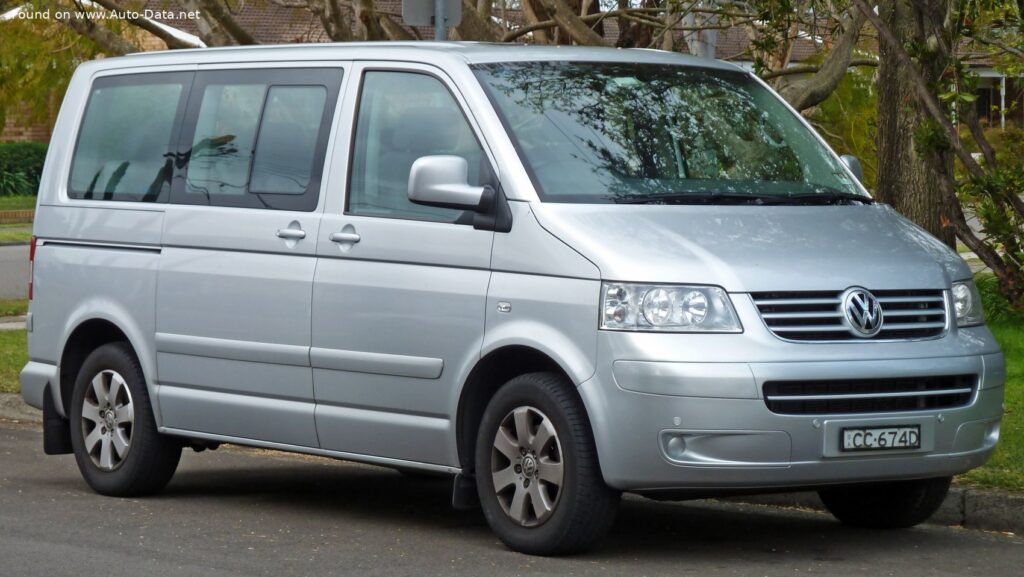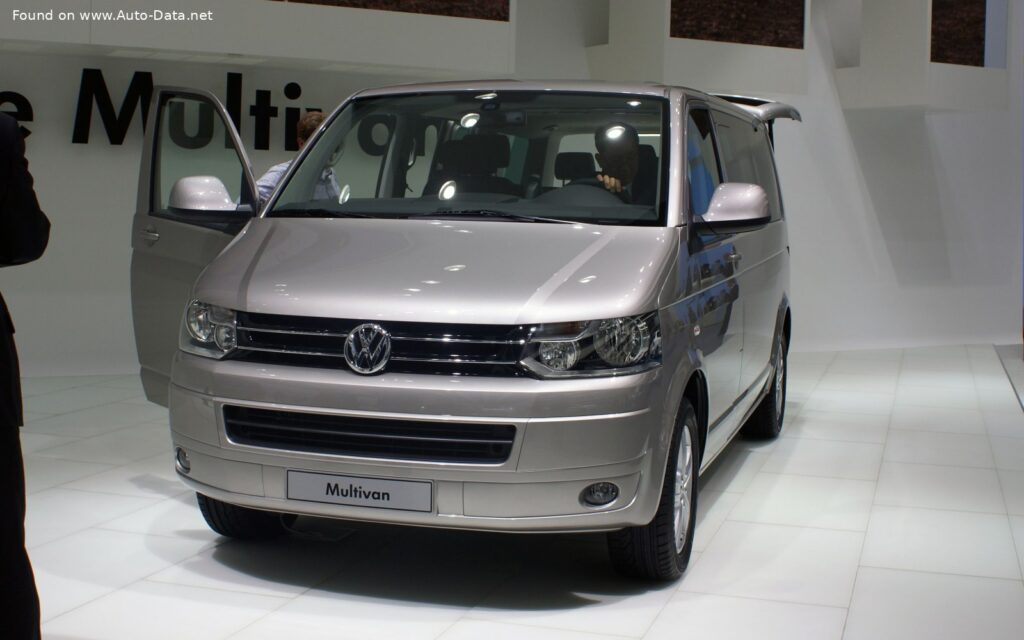
The Volkswagen Multivan (T5), particularly the facelifted version introduced in 2009, represented a significant evolution of Volkswagen’s popular van platform. The 2.0 TDI (102 hp) variant, produced from 2009 to 2016, occupied a crucial position in the Multivan lineup as an entry-level to mid-range option, appealing to families and commercial users seeking a balance between fuel efficiency, practicality, and affordability. This version was built on the 1HX0/A3 platform, shared with other Volkswagen Group vehicles like the Transporter and Caravelle. It offered a versatile interior configurable for passenger or cargo transport, making it a popular choice across Europe and other markets.
The 2.0 TDI (102 hp) Multivan T5: A Detailed Overview
The facelifted T5 Multivan, launched in 2009, brought with it revised styling, improved interior materials, and updated engine options. The 2.0 TDI with 102 horsepower became a mainstay, offering a diesel engine known for its relatively good fuel economy and acceptable performance for everyday use. This engine was positioned below the more powerful TDI variants and the gasoline engines in the range, targeting buyers who prioritized running costs over outright speed. The Multivan’s core appeal remained its spaciousness, modularity, and comfortable ride, making it suitable for both family vacations and commercial applications.
Powertrain & Engine Architecture
The heart of the 2.0 TDI (102 hp) Multivan is the Volkswagen Group’s EA189 series diesel engine. Specifically, this variant utilized the CAAB or CXGB engine codes, depending on the specific market and year of production. This is a 1.968-liter (120.09 cubic inches) inline-four cylinder engine featuring a turbocharger with intercooling and a common rail direct fuel injection system. The common rail system, operating at high pressure, allowed for precise fuel delivery and optimized combustion. The engine also incorporates four valves per cylinder, contributing to improved breathing and efficiency.
While the 102 hp output might seem modest by modern standards, the engine produced a respectable 250 Nm (184.39 lb-ft) of torque between 1500 and 2500 rpm. This torque band proved useful for hauling passengers and cargo, providing adequate pulling power without requiring frequent downshifts. The engine’s design included a diesel particulate filter (DPF) to reduce emissions, complying with Euro 5 emission standards. The engine is transversely mounted in the front of the vehicle, driving the front wheels.
Driving Characteristics
The 2.0 TDI (102 hp) Multivan T5 offered a driving experience geared towards practicality and comfort rather than performance. Acceleration from 0 to 100 km/h (0-62 mph) took approximately 17.9 seconds, and reaching a top speed of 157 km/h (97.56 mph) was achievable, but required a long stretch of road. Compared to the more powerful TDI variants (like the 140 hp or 180 hp versions), the 102 hp model felt noticeably slower, particularly when fully loaded. However, the ample low-end torque made it perfectly adequate for everyday driving, including navigating city streets and highway cruising.
The five-speed manual transmission, standard on most versions, was well-matched to the engine’s characteristics. Gear ratios were optimized for fuel efficiency and drivability, with a relatively long fifth gear for relaxed highway cruising. The transmission’s shift quality was generally smooth, although not particularly sporty. The front-wheel-drive configuration provided predictable handling, but lacked the all-weather capability of the 4Motion all-wheel-drive system available on other Multivan models.
Equipment & Trim Levels
The 2.0 TDI (102 hp) Multivan T5 typically came with a reasonable level of standard equipment, although the exact specifications varied depending on the market. Standard features generally included power windows, central locking, air conditioning, and a basic audio system. Interior upholstery was typically cloth, with options for upgraded materials like leatherette or full leather available at extra cost. The Multivan’s interior was renowned for its versatility, with configurable seating arrangements allowing for up to seven passengers. Seats could be folded, removed, or even rotated to create different layouts.
Optional extras included features like a navigation system, parking sensors, alloy wheels, cruise control, and upgraded audio systems. Higher trim levels offered additional comfort and convenience features, such as automatic climate control, heated seats, and a multi-function steering wheel. The Multivan’s dashboard layout was functional and straightforward, with clearly labeled controls and a relatively uncluttered design.
Chassis & Braking
The Multivan T5’s chassis was designed to provide a comfortable ride and stable handling, even when fully loaded. The front suspension utilized MacPherson struts, while the rear suspension employed a semi-trailing arm setup. This configuration provided a good balance between ride comfort and handling precision. Stabilizer bars were fitted to both the front and rear axles to reduce body roll during cornering.
Braking duties were handled by ventilated disc brakes at the front and drum brakes at the rear. Anti-lock Braking System (ABS) was standard, enhancing braking performance and stability, particularly on slippery surfaces. The braking system was generally adequate for the Multivan’s weight and performance, but drivers should be aware that stopping distances were longer than those of lighter vehicles. The steering system employed a rack and pinion setup, providing precise and responsive steering feel.
Market Reception & Comparison
The 2.0 TDI (102 hp) Multivan T5 received generally positive reviews from automotive critics. It was praised for its practicality, spaciousness, and fuel efficiency. However, some critics noted that the engine felt underpowered, particularly when the vehicle was fully loaded or traveling uphill. Compared to the more powerful TDI variants, the 102 hp model offered a more affordable entry point into the Multivan range, but at the expense of performance.
Fuel economy was a strong point, with combined fuel consumption figures of around 7.3 l/100 km (32.2 US mpg). This made it an attractive option for buyers who prioritized running costs. Reliability was generally good, although some owners reported issues with the DPF system, a common problem with modern diesel engines. Compared to gasoline-powered Multivans, the 2.0 TDI offered significantly better fuel economy and torque, making it a more practical choice for long-distance travel and hauling heavy loads.
Technical Specifications
| Brand | Volkswagen |
| Model | Multivan (T5, facelift 2009) |
| Type (Engine) | 2.0 TDI (102 Hp) |
| Start of production | 2009 |
| End of production | 2016 |
| Fuel consumption (urban) | 9.5 l/100 km (24.8 US mpg) |
| Fuel consumption (extra urban) | 6.1 l/100 km (38.6 US mpg) |
| Fuel consumption (combined) | 7.3 l/100 km (32.2 US mpg) |
| CO2 emissions | 193 g/km |
| Fuel Type | Diesel |
| Acceleration 0 – 100 km/h | 17.9 sec |
| Acceleration 0 – 62 mph | 17.9 sec |
| Maximum speed | 157 km/h (97.56 mph) |
| Engine Model/Code | CAAB, CXGB |
| Engine displacement | 1968 cm3 (120.09 cu. in.) |
| Number of cylinders | 4 |
| Engine configuration | Inline |
| Torque | 250 Nm (184.39 lb.-ft.) @ 1500-2500 rpm |
| Kerb Weight | 2032 kg (4479.79 lbs.) |
| Max. weight | 3000 kg (6613.87 lbs.) |
| Number of gears | 5 |
| Gearbox type | Manual transmission |
Legacy
The 2.0 TDI (102 hp) engine, in its various iterations, proved to be a reliable and durable powertrain. While the EA189 engine series later faced scrutiny regarding emissions compliance, the engines themselves were generally robust. Today, used Multivan T5s equipped with this engine represent a relatively affordable and practical option for families and commercial users. Regular maintenance, including timely oil changes and DPF servicing, is crucial to ensure long-term reliability. The 2.0 TDI Multivan T5 remains a popular choice in the used car market, valued for its versatility, spaciousness, and relatively low running costs. Its enduring appeal is a testament to Volkswagen’s engineering and the Multivan’s timeless design.