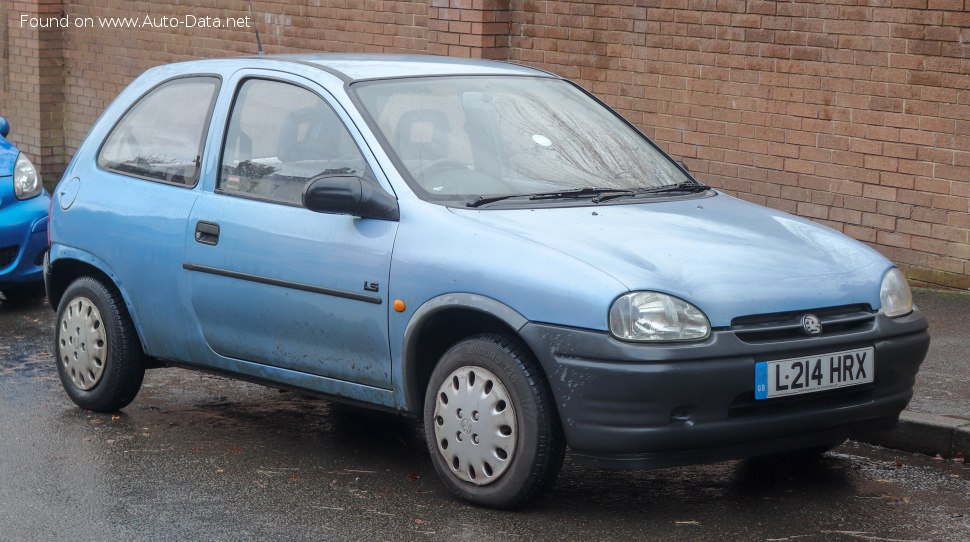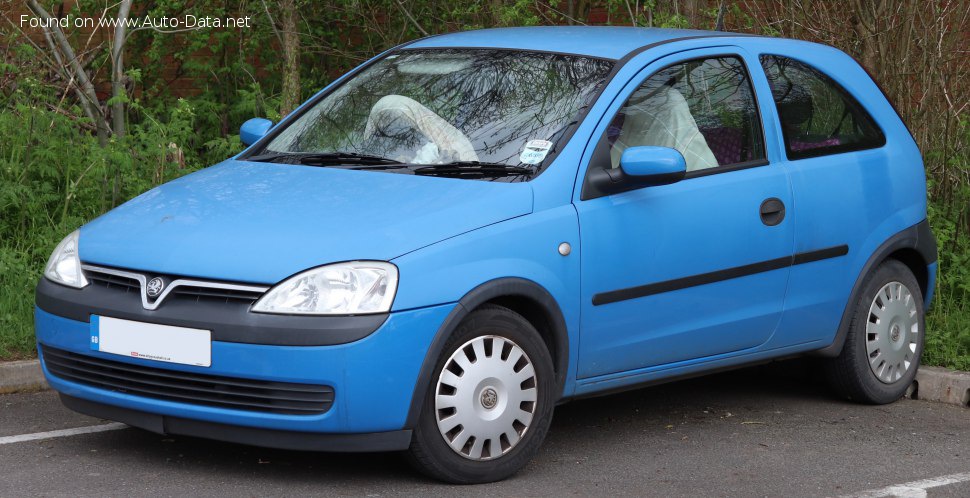
The Vauxhall Corsa C 1.3 CDTi Automatic, produced between 2003 and 2006, represented an entry-level offering within the Corsa C range (launched in 2000 and ending in 2006). Positioned as a fuel-efficient and affordable option, it catered to buyers prioritizing economy over outright performance. This variant utilized a small-displacement diesel engine paired with a four-speed automatic transmission, a relatively uncommon combination in the small hatchback segment at the time. The Corsa C itself was built on the General Motors 1HX0/A3 platform, shared with models like the Opel Astra G and Fiat Punto.
The 1.3 CDTi Powertrain & Engine Architecture
The heart of the Corsa C 1.3 CDTi Automatic is the Z13DT engine, a 1.3-liter inline-four cylinder diesel. This engine is a common-rail direct injection (CDI) unit, meaning fuel is delivered directly into the combustion chamber at extremely high pressure via a common rail system. This technology, relatively new to the mass market at the time, allowed for improved fuel efficiency, reduced emissions, and quieter operation compared to older diesel injection systems. The Z13DT produces 70 horsepower (hp) at 4000 rpm and 170 Newton-meters (125.39 lb-ft) of torque at 1750 rpm. The engine features a double overhead camshaft (DOHC) valvetrain with four valves per cylinder, and is turbocharged with an intercooler to enhance power output. The turbocharger helps to overcome the inherent limitations of a small-displacement engine, providing a broader torque curve.
The automatic transmission paired with the Z13DT is a four-speed unit. While offering convenience, this transmission was not known for its particularly quick shifts or responsiveness. It was selected primarily for cost and simplicity, aligning with the entry-level positioning of this Corsa variant. The gear ratios are geared towards fuel economy, with a relatively tall final drive. The transmission is electronically controlled, but lacks the advanced features found in more modern automatic gearboxes.
Engine Specifications in Detail
The Z13DT engine boasts a bore of 69.6 mm (2.74 inches) and a stroke of 82 mm (3.23 inches), resulting in a displacement of 1248 cm³ (76.16 cubic inches). It operates with a compression ratio of 18:1, typical for a diesel engine. Engine oil capacity is 3.2 liters (3.38 US quarts / 2.82 UK quarts), and the recommended oil specification should be consulted in the vehicle’s owner’s manual. The cooling system requires 6.3 liters (6.66 US quarts / 5.54 UK quarts) of coolant.
Driving Characteristics
The Corsa C 1.3 CDTi Automatic delivers modest performance. Acceleration from 0 to 100 km/h (0-62 mph) takes approximately 16 seconds, and 0 to 60 mph is achieved in around 15.2 seconds. The top speed is rated at 165 km/h (102.53 mph). The automatic transmission contributes to a smoother, but less engaging, driving experience compared to the five-speed manual version. The engine feels strained at higher speeds, and overtaking maneuvers require careful planning. The strength of this powertrain lies in its low-end torque, making it reasonably capable around town. The four-speed automatic, however, doesn’t allow the engine to operate in its optimal rev range for extended periods, particularly on highway journeys. Compared to the more powerful 1.7 DTi or petrol variants, the 1.3 CDTi Automatic feels significantly slower and less refined.
Equipment & Trim Levels
The Corsa C 1.3 CDTi Automatic typically came equipped with basic features, reflecting its entry-level status. Standard equipment generally included power steering, central locking, electric front windows, and an AM/FM radio. Safety features included ABS (Anti-lock Braking System) and driver and passenger airbags. Interior upholstery was typically cloth, and the dashboard featured a simple, functional design. Optional extras included air conditioning, alloy wheels, and a CD player. Higher trim levels, such as ‘Design’ or ‘Sport’, added features like body-colored bumpers, upgraded interior trim, and more sophisticated audio systems. However, the 1.3 CDTi Automatic was rarely offered with the full suite of optional extras, as it was intended to remain an affordable option.
Chassis & Braking
The Corsa C 1.3 CDTi Automatic utilizes a MacPherson strut front suspension and a torsion beam rear suspension. This setup provides a reasonable balance between ride comfort and handling. The front brakes are ventilated discs, offering adequate stopping power, while the rear brakes are drums. This configuration was common for vehicles in this weight class and price range. The vehicle’s kerb weight of 1035 kg (2281.78 lbs) contributes to its relatively nimble handling. Stabilizer bars are present on both the front and rear axles, helping to reduce body roll during cornering. Tire size is typically 175/65 R14, mounted on 5.5J x 14 inch steel or alloy wheels.
Market Reception & Comparison
The Corsa C 1.3 CDTi Automatic received mixed reviews. Critics praised its fuel economy – achieving approximately 53.5 US mpg (64.2 UK mpg) on the combined cycle – and its affordability. However, the performance was often criticized as being sluggish, and the automatic transmission was considered dated. Compared to other small hatchbacks of the time, such as the Ford Fiesta or Renault Clio, the Corsa C 1.3 CDTi Automatic offered competitive fuel economy but lacked the refinement and driving dynamics of some rivals. Within the Corsa C lineup, the 1.7 DTi offered significantly more power and a more engaging driving experience, while the petrol variants provided smoother acceleration but at the cost of fuel efficiency. The 1.3 CDTi Automatic appealed to buyers prioritizing low running costs and ease of use.
Technical Specifications
| Brand | Vauxhall |
| Model | Corsa |
| Generation | Corsa C |
| Type (Engine) | 1.3 CDTi (70 Hp) Automatic |
| Start of production | 2003 |
| End of production | 2006 |
| Fuel consumption (urban) | 5.5 l/100 km (42.8 US mpg / 51.4 UK mpg) |
| Fuel consumption (extra urban) | 3.7 l/100 km (63.6 US mpg / 76.3 UK mpg) |
| Fuel consumption (combined) | 4.4 l/100 km (53.5 US mpg / 64.2 UK mpg) |
| CO2 emissions | 119 g/km |
| Fuel Type | Diesel |
| Acceleration 0 – 100 km/h | 16 sec |
| Acceleration 0 – 62 mph | 16 sec |
| Acceleration 0 – 60 mph | 15.2 sec |
| Maximum speed | 165 km/h (102.53 mph) |
| Kerb Weight | 1035 kg (2281.78 lbs) |
| Max. weight | 1520 kg (3351.03 lbs) |
| Engine Displacement | 1248 cm3 (76.16 cu. in.) |
| Power | 70 Hp @ 4000 rpm |
| Torque | 170 Nm @ 1750 rpm (125.39 lb.-ft. @ 1750 rpm) |
| Engine Code | Z13DT |
| Number of cylinders | 4 |
| Transmission | 5 gears, automatic |
Legacy
The Z13DT engine, while not known for being particularly powerful, proved to be relatively reliable. With proper maintenance, these engines can accumulate high mileage. The four-speed automatic transmission, however, is a potential weak point, and examples with high mileage may exhibit signs of wear. On the used car market today, the Corsa C 1.3 CDTi Automatic represents a very affordable option. Its fuel efficiency remains a key selling point, and it is often favored by first-time drivers or those seeking a low-cost runabout. However, potential buyers should be aware of the limited performance and the age-related issues that may affect any vehicle of this era. Parts availability is generally good, and the Corsa C remains a popular choice for budget-conscious buyers.