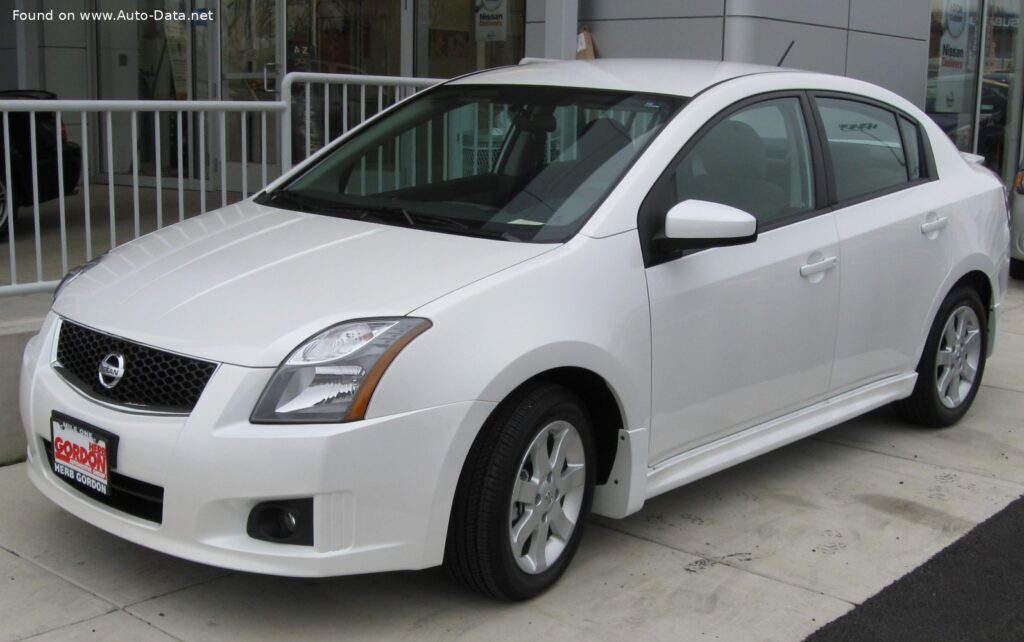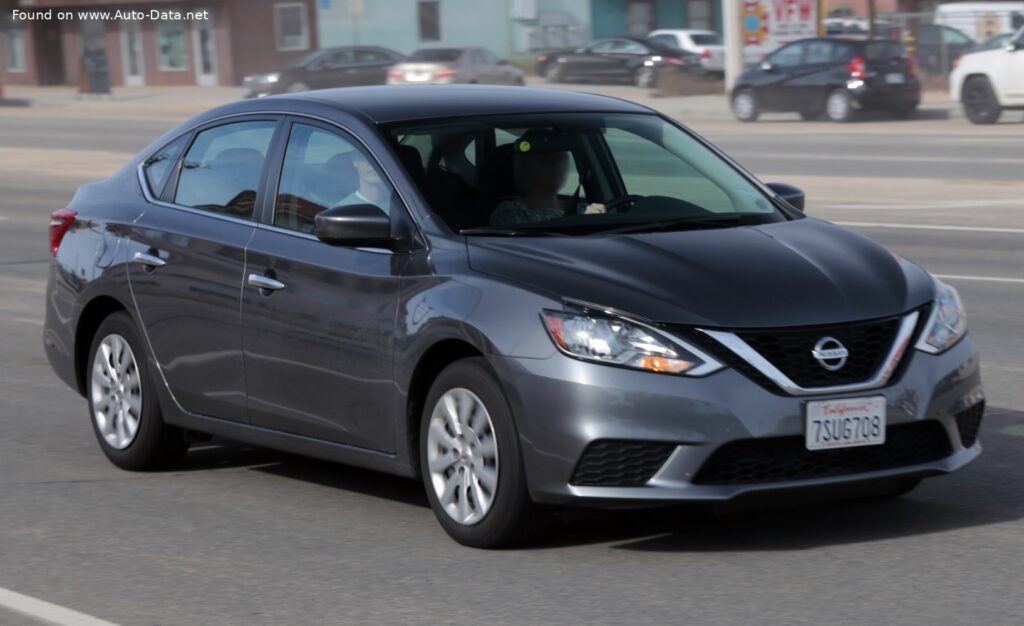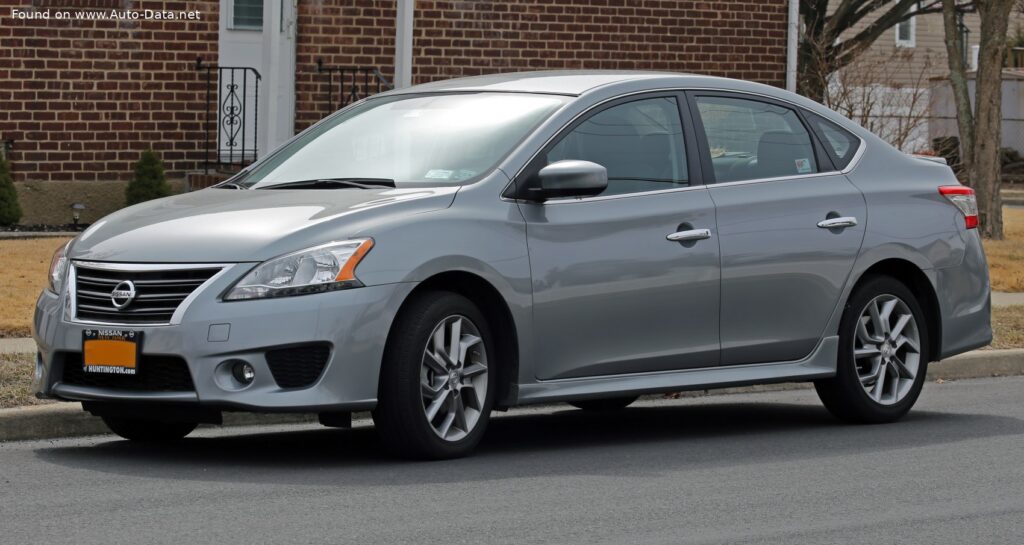
The Nissan Sentra VII (B17), produced from 2012 to 2015, represented a significant redesign for Nissan’s compact sedan. Within the B17 generation, the 1.8-liter (130 horsepower) variant occupied a crucial position as the standard engine option, serving as the entry point into the Sentra lineup for many buyers. This model aimed to balance affordability with reasonable fuel economy and everyday usability. It was positioned below the more powerful, though less commonly offered, variants and focused on providing a comfortable and practical transportation solution for a broad customer base. The B17 Sentra was built on the Nissan C-platform, shared with other compact Nissan models of the era.
The 1.8L MRA8DE Powertrain & Engine Architecture
The heart of the 2012-2015 Nissan Sentra 1.8 was the MRA8DE 1.8-liter inline-four cylinder gasoline engine. This engine, part of Nissan’s MR series, featured a cast iron block and an aluminum cylinder head. It displaced 1797 cc (109.66 cubic inches) and produced 130 horsepower at 6000 rpm and 174 Nm (128.34 lb-ft) of torque at 3600 rpm. The engine utilized multi-port fuel injection and a double overhead camshaft (DOHC) valvetrain with Continuously Variable Valve Timing Control System (CVTCS) on the intake camshaft. This system helped optimize engine performance and fuel efficiency across a wider range of engine speeds.
While a six-speed manual transmission was available, the vast majority of Sentra 1.8 models were equipped with a continuously variable transmission (CVT). Nissan’s Xtronic CVT was designed to provide smooth, seamless acceleration and improved fuel economy compared to traditional automatic transmissions. The CVT simulated stepped gear ratios, offering a familiar driving experience while maximizing efficiency. The CVT’s gear ratios were tuned for everyday driving, prioritizing fuel economy over outright performance. The engine’s compression ratio was 9.9:1, a common figure for naturally aspirated engines of this era, balancing performance and fuel efficiency.
Fuel Injection and Valvetrain Details
The MRA8DE engine employed a standard multi-port fuel injection system, delivering fuel directly into the intake ports just before the intake valves. This system was relatively simple and reliable, contributing to the engine’s overall dependability. The DOHC valvetrain, with four valves per cylinder, allowed for efficient cylinder filling and exhaust scavenging, enhancing both power and torque output. The CVTCS system on the intake camshaft dynamically adjusted valve timing to optimize engine performance based on driving conditions. This system improved low-end torque and overall responsiveness.
Driving Characteristics
The 1.8L Sentra with the CVT offered a comfortable and predictable driving experience. Acceleration was adequate for everyday commuting and highway merging, but it wasn’t particularly sporty. The CVT effectively masked the engine’s power band, providing a smooth and linear power delivery. Compared to the six-speed manual transmission version, the CVT prioritized fuel economy and ease of use over driver engagement. The manual transmission offered a more connected feel and slightly quicker acceleration, but at the expense of fuel efficiency. The Sentra 1.8 wasn’t designed to compete with performance-oriented compact cars; instead, it focused on providing a refined and comfortable ride.
The CVT’s programming was tuned to mimic traditional automatic gear changes, providing a familiar driving experience for most drivers. However, under hard acceleration, the CVT could exhibit a “rubber band” effect, where engine rpm would rise quickly without a corresponding increase in vehicle speed. This was a common characteristic of early CVTs and wasn’t necessarily a flaw, but rather a byproduct of the transmission’s design. The overall driving experience was geared towards practicality and comfort, making it a suitable choice for daily commutes and family transportation.
Equipment & Trim Levels
The 1.8-liter Sentra typically came in base (S) and mid-range (SV) trim levels. The base S model included standard features such as air conditioning, power windows and locks, a four-speaker audio system with a CD player, and steel wheels with wheel covers. The SV trim added features like alloy wheels, a six-speaker audio system, cruise control, and a more upscale interior trim. Optional extras included a navigation system, a sunroof, and upgraded cloth or leather upholstery. Safety features such as anti-lock brakes (ABS) and front airbags were standard across all trim levels.
Interior upholstery in the base S model was typically a basic cloth material, while the SV trim offered upgraded cloth options. The dashboard layout was functional and straightforward, with easy-to-read gauges and controls. The overall interior design prioritized practicality and durability over luxury. The Sentra 1.8 offered a reasonable amount of interior space for passengers and cargo, making it a comfortable choice for families.
Chassis & Braking
The 2012-2015 Nissan Sentra utilized an independent McPherson strut front suspension and a torsion beam rear suspension. This suspension setup provided a comfortable ride quality, absorbing bumps and irregularities in the road surface effectively. The front suspension included a stabilizer bar to reduce body roll during cornering. The rear suspension was relatively simple, prioritizing cost-effectiveness and space efficiency. The braking system consisted of ventilated discs on the front wheels and drum brakes on the rear wheels. ABS was standard, providing enhanced braking control in emergency situations.
The curb weight of the Sentra 1.8 was approximately 1280 kg (2821.92 lbs). This weight, combined with the engine’s power output, resulted in a weight-to-power ratio of 9.8 kg/hp. The tires were typically sized 195/60 R16 or 205/60 R16, depending on the trim level. The steering system was an electric power steering (EPS) system, providing light and easy steering effort.
Market Reception & Comparison
The Nissan Sentra 1.8 was generally well-received by critics as a practical and affordable compact sedan. It was praised for its comfortable ride, spacious interior, and good fuel economy. However, it was also criticized for its lack of sporty handling and its somewhat uninspired styling. Compared to other compact sedans in its class, such as the Honda Civic and Toyota Corolla, the Sentra 1.8 offered a more comfortable ride but less engaging driving dynamics. Fuel economy figures were competitive, averaging around 30.2 US mpg combined. Reliability was generally good, although some owners reported minor issues with the CVT transmission.
The 1.8L engine offered a good balance of performance and fuel efficiency for the target audience. It was a more economical choice than the higher-output engine options, making it attractive to budget-conscious buyers. The Sentra 1.8’s focus on practicality and comfort made it a popular choice for families and commuters.
Technical Specifications
| Engine Model | MRA8DE |
| Engine Type | Inline-4, Naturally Aspirated |
| Displacement | 1797 cc (109.66 cu in) |
| Bore x Stroke | 79.7 mm x 90.1 mm (3.14 in x 3.55 in) |
| Compression Ratio | 9.9:1 |
| Valve Configuration | DOHC, 16 Valves (4 per cylinder) |
| Fuel Injection | Multi-port Fuel Injection |
| Maximum Power | 130 hp @ 6000 rpm |
| Maximum Torque | 174 Nm (128.34 lb-ft) @ 3600 rpm |
| Fuel Economy (Combined) | 7.8 l/100 km (30.2 US mpg, 36.2 UK mpg) |
| Transmission | 6-speed Manual or Xtronic CVT |
| Drive Wheels | Front Wheel Drive |
| Curb Weight | 1280 kg (2821.92 lbs) |
| Fuel Tank Capacity | 50 l (13.21 US gal, 11 UK gal) |
Legacy
The MRA8DE engine and the Xtronic CVT transmission used in the 2012-2015 Nissan Sentra 1.8 have proven to be generally reliable powertrains. While some owners have experienced issues with the CVT, particularly in early production models, these issues are often related to maintenance and fluid changes. The engine itself is known for its durability and relatively low maintenance costs. In the used car market, the Sentra 1.8 remains a popular choice for buyers seeking an affordable and practical compact sedan. Its good fuel economy and comfortable ride continue to appeal to a wide range of drivers. The B17 Sentra, particularly the 1.8L variant, represents a solid and dependable option in the used car landscape.