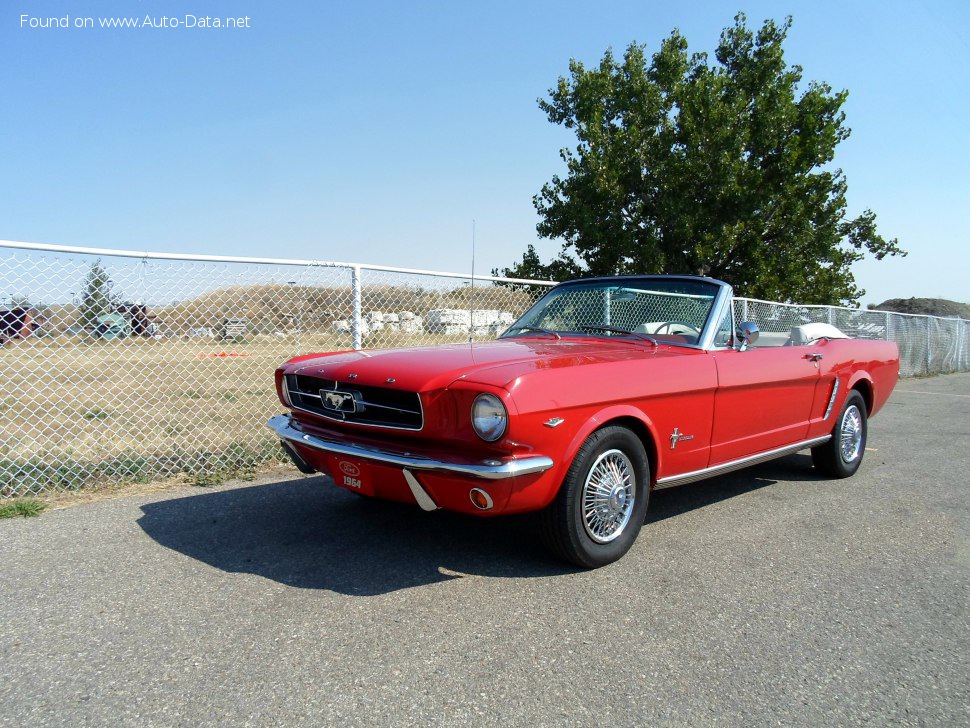
The Ford Mustang Convertible I, specifically equipped with the 4.7-liter V8 engine producing 271 horsepower, represents a pivotal era in American automotive history. Produced between 1964 and 1967, this variant was a key component of the Mustang’s initial launch and rapid ascent to icon status. It occupied a mid-range position within the first-generation Mustang lineup, offering a significant performance upgrade over the base inline-six models while remaining more accessible than the higher-performance variants like the Shelby GT350. This model was built on the Ford’s new “unibody” construction, marking a departure from traditional body-on-frame designs.
Powertrain & Engine Architecture
The heart of the Mustang Convertible I 4.7 V8 was the Ford 289 cubic inch (4.7 liters) small-block V8 engine. This engine, internally designated as the ‘K-code’ variant, was a significant step up in power compared to the standard inline-six. It featured a 10.5:1 compression ratio, a cast iron block, and aluminum cylinder heads. The engine utilized a carburetor for fuel delivery, a common practice for the time, and an overhead valve (OHV) valvetrain. The 271 horsepower output was achieved at 6000 rpm, with 317 lb-ft of torque. The engine was longitudinally mounted in the front of the vehicle, driving the rear wheels.
While this article focuses on the 4-speed manual transmission version, a 3-speed automatic transmission (Fordomatic) was also available. The manual transmission offered a more direct driving experience, appealing to enthusiasts, while the automatic provided ease of use for everyday driving. The 4-speed manual featured gear ratios designed to maximize both acceleration and cruising efficiency. The automatic, while less sporty, was a popular choice for buyers prioritizing comfort.
Engine Specifications
The 289 V8 was known for its relatively compact size and robust construction. The cylinder bore measured 4.0 inches (101.6 mm), and the piston stroke was 2.87 inches (72.9 mm). The engine required 4.7 liters (4.97 US quarts) of engine oil and 14.2 liters (15 US quarts) of coolant. Regular maintenance, including oil changes and tune-ups, were crucial for maintaining the engine’s performance and longevity.
Driving Characteristics
The 1964-1967 Mustang Convertible I 4.7 V8 offered a spirited driving experience. The 271 horsepower engine provided brisk acceleration, allowing for a 0-60 mph time in the low 7-second range, depending on the transmission and rear axle ratio. The manual transmission allowed for precise control over gear selection, while the automatic offered smooth and effortless shifting. The car’s relatively light weight (approximately 2740 lbs) contributed to its nimble handling. However, the suspension, consisting of double wishbones at the front and a leaf spring rear axle, was relatively basic by modern standards, resulting in a ride that could be somewhat firm, particularly on uneven surfaces. The steering, utilizing a cone worm and recirculating ball system, provided adequate feedback but lacked the precision of more modern steering technologies.
Equipment & Trim Levels
The Mustang Convertible I 4.7 V8 came standard with a basic level of equipment. Interior appointments typically included vinyl upholstery, a simple dashboard layout, and basic instrumentation. Standard features included a heater and defroster. Optional extras were plentiful, allowing buyers to customize their Mustangs to their preferences. These options included power steering, power brakes, a center console, upgraded audio systems, and various trim packages. Interior color choices were diverse, offering a range of options to suit individual tastes. The convertible top was typically made of vinyl and was available in several colors.
Chassis & Braking
The Mustang Convertible I utilized a unibody construction, providing a good balance of strength and weight. The front suspension featured double wishbones, while the rear suspension employed a traditional leaf spring setup. This configuration was typical for American cars of the era. Braking duties were handled by drum brakes on all four wheels, measuring 228.6 mm in diameter. While adequate for the time, the drum brakes lacked the stopping power and fade resistance of disc brakes. The car rode on 6J x 14 inch steel wheels, fitted with 205/70 R14 tires.
Market Reception & Comparison
The Mustang Convertible I 4.7 V8 was widely praised by automotive critics for its stylish design, strong performance, and relatively affordable price. It quickly became a sales success, capturing the imagination of a generation of car buyers. Compared to the base inline-six models, the V8 offered a significant performance boost, making it a more desirable option for enthusiasts. However, it was more expensive and consumed more fuel. Compared to the higher-performance Shelby GT350, the 4.7 V8 Mustang offered a more comfortable and refined driving experience, but lacked the Shelby’s track-focused capabilities. Fuel economy was typical for the era, averaging around 15-18 mpg.
Technical Specifications
| Body Type | Cabriolet, 2 Doors, 4 Seats |
| Engine Type | 4.7 L V8 (271 Hp) |
| Engine Displacement | 4736 cm3 / 289.01 cu. in. |
| Number of Cylinders | 8, V-engine |
| Cylinder Bore | 101.6 mm / 4 in. |
| Piston Stroke | 72.9 mm / 2.87 in. |
| Compression Ratio | 10.5:1 |
| Fuel Injection System | Carburetor |
| Power Output | 271 Hp @ 6000 rpm |
| Torque Output | 317 lb-ft |
| Drivetrain | Rear Wheel Drive |
| Transmission | 4-speed Manual |
| Kerb Weight | 1243 kg / 2740.35 lbs |
| Trunk Space | 218 l / 7.7 cu. ft. |
| Fuel Tank Capacity | 61 l / 16.11 US gal |
| Length | 4613 mm / 181.61 in. |
| Width | 1732 mm / 68.19 in. |
| Height | 1298 mm / 51.1 in. |
Legacy
The Ford Mustang Convertible I 4.7 V8 remains a highly sought-after classic car today. Its iconic design and strong performance have ensured its enduring appeal. While the 289 V8 engine is generally considered reliable, regular maintenance is essential to prevent issues such as oil leaks and carburetor problems. Parts availability is generally good, thanks to the Mustang’s large enthusiast base. Values for well-maintained examples have steadily increased in recent years, making it a solid investment for collectors. The 1964-1967 Mustang Convertible I 4.7 V8 represents a golden age of American muscle cars, and its legacy continues to inspire automotive enthusiasts around the world.
The combination of the 289 V8 and the convertible body style created a particularly desirable configuration. These cars are often seen at classic car shows and are enjoyed by enthusiasts for their nostalgic appeal and enjoyable driving experience. The 4.7L V8, while not the most powerful engine offered in the first-generation Mustang, provides a good balance of performance and reliability, making it a practical choice for both casual drivers and serious collectors.