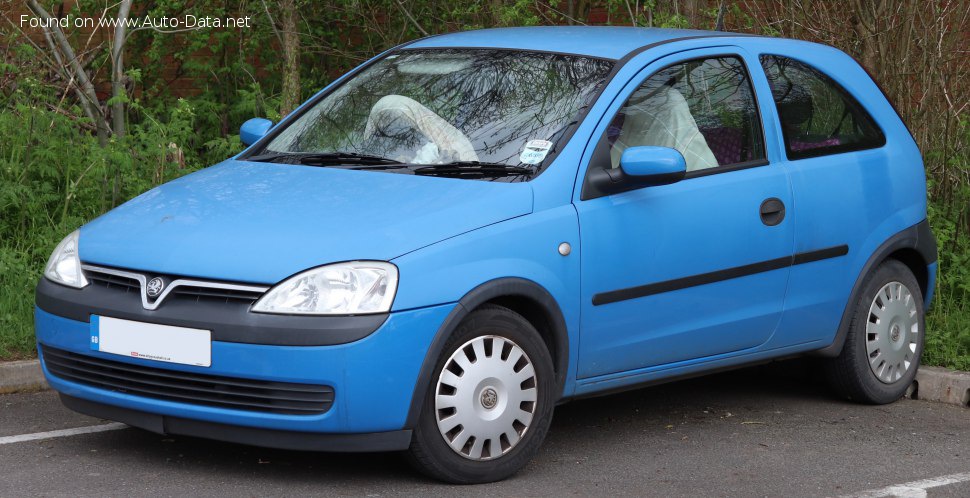
The Vauxhall Corsa C 1.4i (90 hp) was a popular entry-level variant of the Corsa C generation, produced between 2000 and 2003. Positioned as the base model in many markets, it offered affordable transportation within the supermini segment. The Corsa C, internally designated as the 1HX0/A3 platform, represented a significant step forward for Vauxhall in terms of design, safety, and refinement compared to its predecessor. This 1.4i model served as the gateway to the Corsa C range, appealing to budget-conscious buyers and those seeking a simple, reliable hatchback.
Powertrain & Engine Architecture
The heart of the Corsa C 1.4i was the Z14XE engine, a 1.4-liter (1389 cc) inline-four cylinder gasoline engine. This engine belonged to the Vauxhall/Opel “Family 1” engine family, known for its relatively simple design and durability. The Z14XE featured a multi-port fuel injection system, delivering fuel directly into the intake ports, and a double overhead camshaft (DOHC) valvetrain operating four valves per cylinder. This configuration allowed for reasonable power output and efficiency for its displacement.
While a five-speed manual transmission was commonly paired with this engine, the focus of this article is the variant equipped with a four-speed automatic transmission. This automatic, a Jatco unit often found in similar-era European vehicles, was chosen to provide ease of use, particularly in urban environments. The automatic transmission featured standard torque converter technology and electronic control for smoother shifting. However, it was generally considered less responsive and less fuel-efficient than the manual counterpart.
The engine produced a maximum power output of 90 horsepower (67 kW) at 6000 rpm and 125 Newton-meters (92.2 lb-ft) of torque at 4000 rpm. The engine’s power-to-liter ratio was 64.8 hp/liter. The engine utilized a timing chain, contributing to its reputation for longevity, although regular oil changes were crucial for maintaining its health.
Transmission Details
The four-speed automatic transmission used in the Corsa C 1.4i was not known for its sophistication. Gear ratios were relatively widely spaced, prioritizing fuel economy over outright performance. First gear was geared for quick acceleration from a standstill, while fourth gear was designed for comfortable cruising at highway speeds. The transmission lacked features common in modern automatics, such as manual shift modes or adaptive learning algorithms.
Driving Characteristics
The Corsa C 1.4i with the automatic transmission offered a comfortable, if uninspiring, driving experience. Acceleration from 0 to 62 mph (0-100 km/h) took approximately 10.5 seconds, making it noticeably slower than the manual version or higher-powered Corsa variants like the 1.6 or 1.8. The automatic transmission contributed to this slower acceleration, as it inherently loses some power through the torque converter and doesn’t allow the engine to operate at its optimal rpm range as consistently as a manual gearbox.
In real-world driving, the 1.4i automatic felt adequate for city commuting and short trips. However, overtaking maneuvers on highways required careful planning, and the engine could feel strained when climbing hills or carrying a full load of passengers. The automatic transmission’s shift quality was generally smooth, but it could sometimes be hesitant or jerky, particularly during downshifts. The steering was light and easy, making it maneuverable in tight spaces, but lacked the feedback of more sporty superminis.
Equipment & Trim Levels
The Corsa C 1.4i automatic typically came with a basic level of equipment, reflecting its position as the entry-level model. Standard features generally included power steering, central locking, front electric windows, and an adjustable steering column. Interior upholstery was typically cloth, and the dashboard featured a simple, functional design. Air conditioning was often an optional extra, as were features like alloy wheels, a CD player, and rear electric windows.
Trim levels varied slightly depending on the market, but common designations included “Life” or “Expression.” Higher trim levels added features like body-colored bumpers, door handles, and mirrors, as well as upgraded interior trim and additional convenience items. Safety features were relatively basic for the time, typically including driver and passenger airbags and ABS (Anti-lock Braking System).
Chassis & Braking
The Corsa C 1.4i utilized a MacPherson strut front suspension and a torsion beam rear suspension. This setup provided a reasonable balance between ride comfort and handling. The torsion beam rear suspension was a cost-effective solution, but it didn’t offer the same level of sophistication as independent rear suspension systems found in some competitors. The front suspension featured a stabilizer bar to reduce body roll during cornering.
Braking duties were handled by ventilated discs on the front wheels and drum brakes on the rear wheels. ABS was standard, providing improved braking performance and stability in emergency situations. The braking system was adequate for the car’s weight and performance, but it wasn’t particularly powerful or progressive.
Market Reception & Comparison
The Corsa C 1.4i automatic was generally well-received as an affordable and practical supermini. Critics praised its comfortable ride, easy-to-use controls, and relatively spacious interior for its size. However, the automatic transmission was often criticized for its lack of responsiveness and its impact on fuel economy. Compared to the manual version, the automatic offered less engaging driving experience and slightly worse fuel consumption figures.
Compared to rivals like the Ford Fiesta, Renault Clio, and Peugeot 206, the Corsa C 1.4i automatic held its own in terms of price and practicality. However, some competitors offered more refined interiors, more advanced features, or more engaging driving dynamics. The Corsa C’s reliability was generally considered good, although some owners reported issues with the electrical system and the automatic transmission.
Technical Specifications
| Engine Type | 1.4L Inline-4 Cylinder Gasoline |
| Engine Code | Z14XE |
| Displacement | 1389 cc (84.76 cu in) |
| Power | 90 hp @ 6000 rpm |
| Torque | 125 Nm (92.2 lb-ft) @ 4000 rpm |
| Fuel Injection | Multi-port Fuel Injection |
| Valvetrain | DOHC (Double Overhead Camshaft) |
| Transmission | 4-Speed Automatic |
| Drive Wheels | Front Wheel Drive |
| Kerb Weight | 1060 kg (2336.9 lbs) |
| Maximum Speed | 171 km/h (106.25 mph) |
| 0-100 km/h | 10.5 seconds |
| Fuel Consumption (Urban) | 10.3 l/100 km (22.8 US mpg) |
| Fuel Consumption (Extra Urban) | 5.7 l/100 km (41.3 US mpg) |
| Fuel Consumption (Combined) | 7.4 l/100 km (31.8 US mpg) |
| CO2 Emissions | 142 g/km |
| Fuel Tank Capacity | 46 liters (12.15 US gal) |
| Engine Oil Capacity | 3.5 liters (3.7 US qt) |
Legacy
The Corsa C 1.4i automatic, while not the most exciting variant in the range, proved to be a reliable and affordable option for many buyers. The Z14XE engine, when properly maintained, is known for its durability. Today, these cars are relatively inexpensive to purchase on the used market, making them attractive to first-time car owners or those seeking a budget-friendly runabout. However, potential buyers should be aware of the potential for issues with the automatic transmission and the electrical system. Parts availability is generally good, and the car’s simple design makes it relatively easy to repair. The Corsa C 1.4i automatic remains a common sight on roads throughout Europe, a testament to its enduring practicality and affordability.