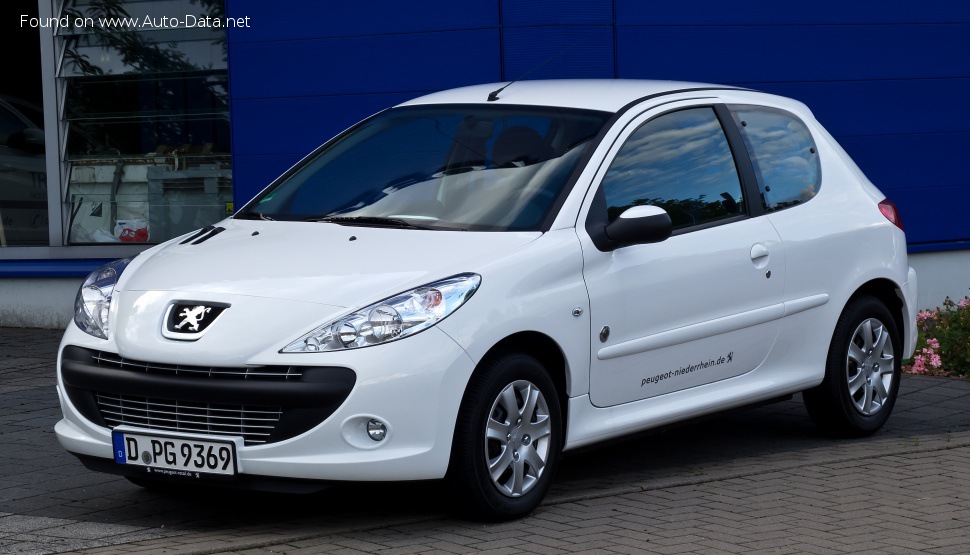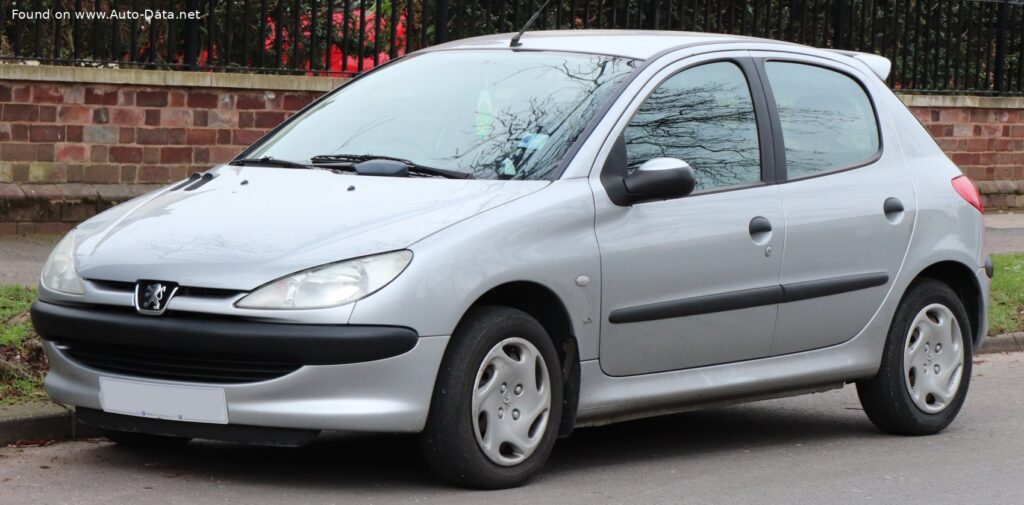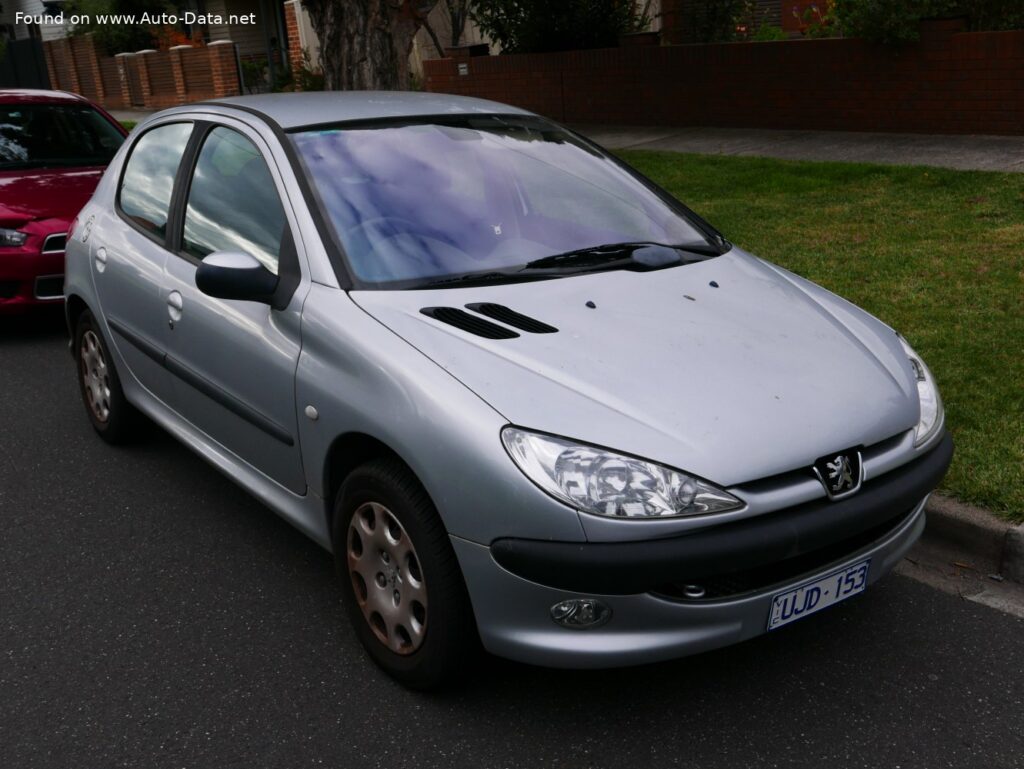
The Peugeot 206, specifically the 1.4i 75 hp automatic variant produced from 2003 to 2009, represents an entry-level offering within the facelifted second generation (T1A/T1C) of Peugeot’s popular supermini. Introduced as part of the 2003 refresh, this model aimed to provide affordable and convenient transportation, appealing to buyers prioritizing ease of use over outright performance. It occupied the lower end of the 206 range, positioned below the more powerful 1.6 and 2.0-liter engine options, as well as the diesel variants. The 206, built on the PSA Group’s B platform, was a significant success for Peugeot, and the 1.4i automatic played a role in broadening its market appeal.
Powertrain & Engine Architecture
The heart of the 206 1.4i automatic is the KFW (or sometimes ADZ) TU3JP engine, a 1361 cc (83.05 cubic inches) inline-four cylinder petrol engine. This engine is a naturally aspirated unit, meaning it doesn’t utilize a turbocharger or supercharger. It features a single overhead camshaft (SOHC) valvetrain with two valves per cylinder. Fuel delivery is managed by a multi-port fuel injection system, a common setup for engines of this era. The engine produces a maximum power output of 75 horsepower (55.1 hp/liter) at 5500 rpm and 120 Nm (88.51 lb-ft) of torque at 2800 rpm.
Paired with the TU3JP engine is a four-speed automatic transmission. This transmission, while providing the convenience of automatic operation, is a relatively simple design. It lacks the sophistication of more modern automatic gearboxes, such as those with more gears or electronic control. The gear ratios are tuned for fuel efficiency and smooth, if not particularly brisk, acceleration. The transmission is front-wheel drive, as is typical for vehicles in this class.
Engine Code Specifics
The KFW engine code designates a specific calibration of the TU3JP engine, often associated with markets outside of France. The ADZ code is another variant found in some regions. While mechanically similar, these codes may indicate slight differences in engine management software or emissions control equipment to comply with local regulations. Both versions share the fundamental engine architecture and performance characteristics.
Driving Characteristics
The 1.4i automatic 206 delivers a driving experience focused on comfort and ease of use rather than sporty performance. Acceleration from 0-100 km/h (0-62 mph) takes approximately 15.4 seconds, and 0-60 mph is achieved in around 14.6 seconds. The top speed is rated at 160 km/h (99.42 mph). The four-speed automatic transmission contributes to a relatively relaxed driving style. Gear changes are noticeable, and the engine can feel strained when accelerating hard, particularly when fully loaded or climbing hills. Compared to the five-speed manual version of the 1.4i, the automatic suffers a slight performance penalty due to the transmission’s inherent inefficiencies and fewer gear ratios. The manual version offers more driver control and slightly improved fuel economy.
The power delivery is linear, with peak torque available at 2800 rpm. This means that the engine feels reasonably responsive in everyday driving situations, such as merging onto highways or overtaking slower vehicles, but it lacks the punch of the higher-output engines in the 206 lineup. The automatic transmission’s shift points are programmed to prioritize fuel efficiency, which can sometimes result in the engine bogging down slightly before downshifting.
Equipment & Trim Levels
The 1.4i automatic 206 typically came equipped with a basic level of standard features. These generally included power steering, central locking, electric front windows, and an AM/FM radio. Air conditioning was often an optional extra, as were alloy wheels and upgraded interior trim. Interior upholstery was typically cloth, with a relatively simple dashboard layout. Higher trim levels, such as the ‘Sportium’ or ‘S’ variants, added features like alloy wheels, a CD player, and more premium interior materials. Safety features included ABS (Anti-lock Braking System) as standard, but airbags were often limited to the driver and front passenger.
Optional extras could significantly enhance the 206’s appeal. These included a panoramic sunroof, rear parking sensors, and a trip computer. The availability of these options varied depending on the market and the specific trim level.
Chassis & Braking
The 206 1.4i automatic utilizes a MacPherson strut front suspension and a torsion beam rear suspension. This setup provides a good balance between ride comfort and handling. The torsion beam rear suspension is a cost-effective solution commonly found in vehicles of this class. The front brakes are disc brakes, while the rear brakes are drum brakes. This configuration is typical for a vehicle in this weight class and price range. The ABS system helps to improve braking performance and stability, particularly on slippery surfaces. The 175/65 R14 T tires provide adequate grip for everyday driving conditions.
The chassis is relatively lightweight, contributing to the 206’s nimble handling. However, the suspension is not particularly sporty, and the car can exhibit some body roll in corners. The steering is precise and well-weighted, providing a good level of driver feedback.
Market Reception & Comparison
The 206 1.4i automatic was generally well-received as an affordable and practical city car. Critics praised its ease of use, comfortable ride, and relatively low running costs. However, it was often criticized for its lack of performance and the somewhat dated design of the four-speed automatic transmission. Compared to the 1.6-liter and 2.0-liter versions of the 206, the 1.4i automatic offered significantly less power and a less engaging driving experience. However, it was more fuel-efficient and cheaper to purchase. The diesel variants offered even better fuel economy, but at a higher initial cost.
In terms of reliability, the 206 1.4i automatic is generally considered to be a reasonably reliable vehicle. The TU3JP engine is known for its durability, and the automatic transmission, while not particularly sophisticated, is generally robust. However, like all cars, it is susceptible to age-related issues, such as corrosion and wear and tear on suspension components.
Technical Specifications
| Brand | Peugeot |
| Model | 206 |
| Generation | 206 (facelift 2003) |
| Type (Engine) | 1.4i (75 Hp) Automatic |
| Start of production | 2003 |
| End of production | 2009 |
| Fuel consumption (urban) | 9.6 l/100 km (24.5 US mpg) |
| Fuel consumption (extra urban) | 5.3 l/100 km (44.4 US mpg) |
| Fuel consumption (combined) | 6.9 l/100 km (34.1 US mpg) |
| CO2 emissions | 165 g/km |
| Fuel Type | Petrol (Gasoline) |
| Acceleration 0 – 100 km/h | 15.4 sec |
| Acceleration 0 – 62 mph | 15.4 sec |
| Maximum speed | 160 km/h (99.42 mph) |
| Engine layout | Front, Transverse |
| Engine Model/Code | KFW TU3JP |
| Engine displacement | 1361 cm3 (83.05 cu. in.) |
| Number of cylinders | 4 |
| Cylinder Bore | 75 mm (2.95 in.) |
| Piston Stroke | 77 mm (3.03 in.) |
| Compression ratio | 10.2:1 |
| Engine oil capacity | 3 l (3.17 US qt | 2.64 UK qt) |
| Kerb Weight | 980 kg (2160.53 lbs.) |
| Max. weight | 1480 kg (3262.84 lbs.) |
| Trunk (boot) space – minimum | 210 l (7.42 cu. ft.) |
| Trunk (boot) space – maximum | 992 l (35.03 cu. ft.) |
| Fuel tank capacity | 50 l (13.21 US gal | 11 UK gal) |
| Number of gears and type of gearbox | 4 gears, automatic transmission |
Legacy
The Peugeot 206 1.4i automatic remains a relatively common sight on used car markets today. Its affordability, ease of use, and reasonable reliability make it an attractive option for budget-conscious buyers. While it may not offer the performance or refinement of more modern vehicles, it provides a practical and dependable means of transportation. The TU3JP engine is known for its longevity, and with proper maintenance, it can continue to provide years of service. However, potential buyers should be aware of the age-related issues that can affect older vehicles, such as corrosion and wear and tear on suspension components. The four-speed automatic transmission, while generally reliable, may exhibit some wear and tear over time, and may benefit from a fluid change or rebuild if it has not been serviced regularly.