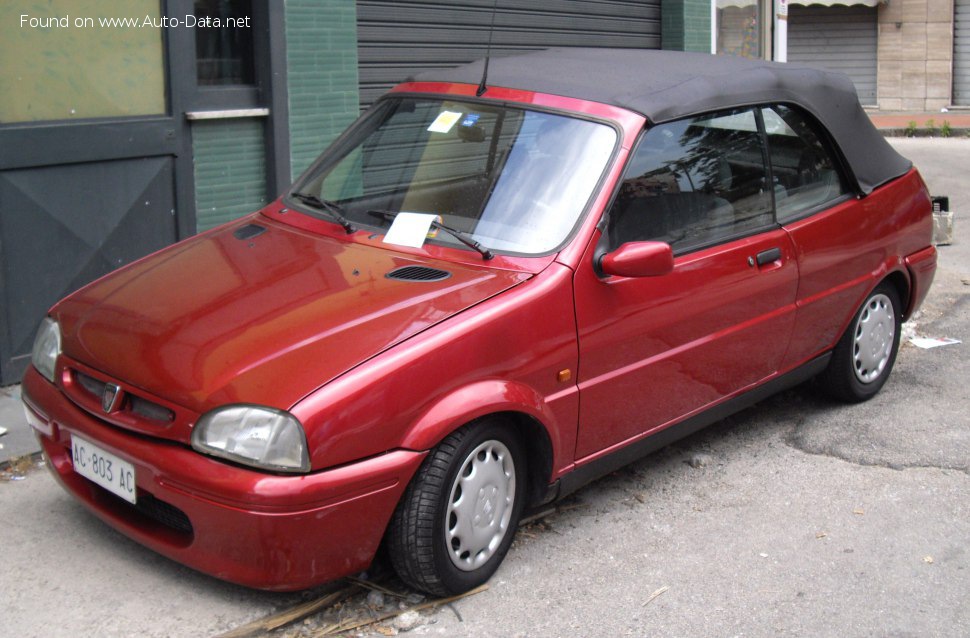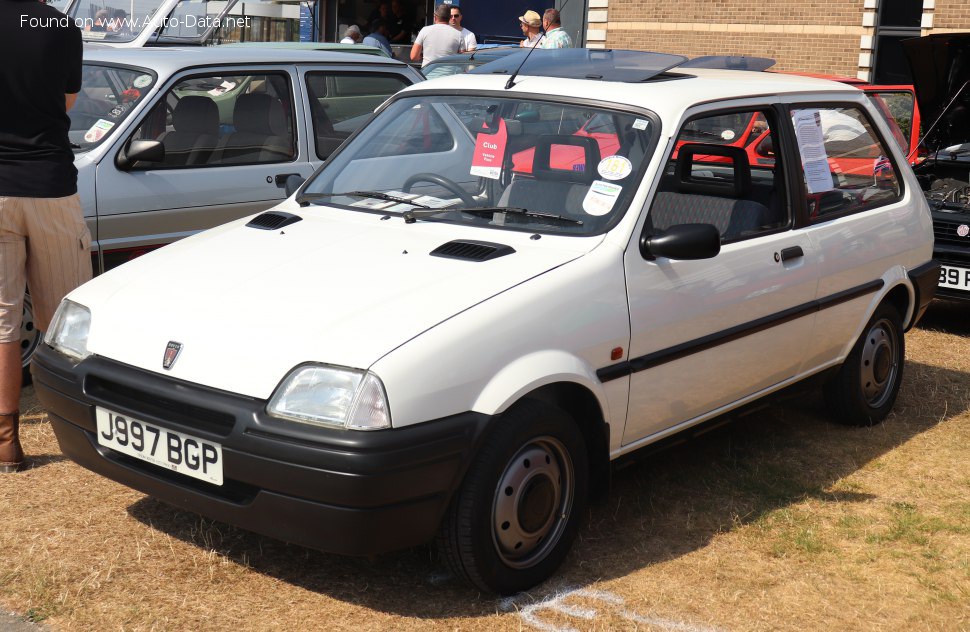
The Rover 100, specifically the 114 GTI/GT 16V CAT variant producing 90 horsepower, represents a significant iteration of the Metro platform (designated XP) produced between 1990 and 1998. This model occupied a middle-ground position within the Rover 100 lineup, offering a blend of performance and affordability aimed at buyers seeking a more engaging driving experience than the base models, but without the higher price tag of the more powerful and luxurious trims. It was a key component of Rover’s attempt to modernize and revitalize the aging Metro design, incorporating a 16-valve engine for improved power output and efficiency.
Rover 100 114 GTI/GT 16V CAT (90 Hp): An Overview
The Rover 100, launched as a replacement for the Austin Metro, was a supermini hatchback designed to compete in the crowded European small car market. The XP series, introduced in 1990, represented a substantial update to the original Metro, featuring revised styling, improved interior appointments, and crucially, a range of more modern engines. The 114 GTI/GT 16V CAT, with its 90 hp engine, was positioned as a sporty alternative, appealing to a younger demographic or those desiring a more spirited drive. The “CAT” designation indicates the inclusion of a catalytic converter, reflecting increasing environmental regulations at the time.
Powertrain & Engine Architecture
The heart of the 114 GTI/GT 16V CAT is the K16 engine, a 1.4-liter (1396cc) inline-four cylinder, naturally aspirated gasoline engine. This engine is a significant departure from the A-Series engines that powered earlier Metros. The K16 features a cast iron block with an aluminum cylinder head, and most importantly, a 16-valve cylinder head – hence the “16V” designation. This four-valve-per-cylinder configuration allows for improved breathing and increased power output compared to the earlier 8-valve designs. Fuel delivery is managed by Bosch Mono-Motronic fuel injection, a single-point injection system that provides a balance between cost and performance. While not as sophisticated as multi-point injection, Mono-Motronic offered improved fuel efficiency and reduced emissions compared to carbureted systems.
The engine produces 90 hp (67 kW) at 6000 rpm and 88 lb-ft (120 Nm) of torque at 4000 rpm. The engine code, K16, is crucial for identifying specific parts and service information. The K16 engine is known for its relatively robust construction, but can be susceptible to head gasket failure if not properly maintained. The engine is paired with a four-speed automatic transmission. This transmission, while providing convenience, is not known for its sporty performance and contributes to slightly slower acceleration times compared to the five-speed manual gearbox available in other 114 GTI/GT models. The automatic transmission’s gear ratios are geared towards fuel economy and smooth cruising rather than aggressive acceleration.
Driving Characteristics
The Rover 100 114 GTI/GT 16V CAT with the automatic transmission delivers a comfortable, if not particularly exhilarating, driving experience. The 90 hp engine provides adequate power for everyday driving, but acceleration is noticeably slower than the manual transmission versions of the same model. The automatic transmission tends to hunt for gears on inclines and during quick acceleration, and lacks the responsiveness of a modern automatic. The gear ratios are relatively tall, prioritizing fuel economy over outright performance. The car feels best suited to urban driving and highway cruising at moderate speeds. Compared to the base Rover 100 models with smaller engines, the 114 GTI/GT 16V CAT offers a significant improvement in performance, making it more capable on the open road and during overtaking maneuvers. However, it falls short of the more potent 1.4-liter manual versions in terms of responsiveness and overall driving enjoyment.
Equipment & Trim Levels
The 114 GTI/GT 16V CAT trim level offered a reasonable level of equipment for its price point. Standard features typically included power steering, central locking, electric front windows, and a basic stereo system. Interior upholstery was typically cloth, with a sporty pattern designed to reflect the car’s GTI aspirations. The dashboard featured a simple, functional design with clear instrumentation. Optional extras included a sunroof, alloy wheels, and upgraded stereo systems. The GT variant often included a more comprehensive equipment list than the base 114 model. The interior plastics, while durable, were not particularly high-quality, reflecting the car’s budget-conscious origins. The seats offered reasonable comfort for short to medium-distance journeys.
Chassis & Braking
The Rover 100 114 GTI/GT 16V CAT utilizes a MacPherson strut front suspension and a twist-beam rear suspension. This suspension setup provides a comfortable ride, but is not particularly sporty. The front suspension incorporates an anti-roll bar to reduce body roll during cornering. The braking system consists of disc brakes on the front wheels and drum brakes on the rear wheels. This configuration was common for cars in this class at the time, but the rear drum brakes offer less stopping power and are more prone to fade under heavy use. The braking system is adequate for normal driving conditions, but lacks the stopping power of more modern braking systems. The steering is rack and pinion, providing reasonably precise steering feel.
Market Reception & Comparison
The Rover 100 114 GTI/GT 16V CAT was generally well-received by automotive critics as a competent and affordable small car. It was praised for its improved performance compared to earlier Metros, its comfortable ride, and its reasonable level of equipment. However, it was also criticized for its somewhat dated design, its basic interior, and the lack of refinement in the automatic transmission. Compared to rivals such as the Peugeot 205, Renault Clio, and Ford Fiesta, the Rover 100 offered a competitive package, but often lagged behind in terms of styling and overall driving experience. Fuel economy was respectable for the time, averaging around 35-40 mpg in mixed driving conditions. Reliability was generally good, but the K16 engine could be prone to head gasket failure if not properly maintained. The automatic transmission, while convenient, was considered less reliable than the manual gearbox.
Technical Specifications
| Engine Type | 1.4L Inline-4, Naturally Aspirated |
| Engine Code | K16 |
| Displacement | 1396 cc (85.1 cu in) |
| Power | 90 hp (67 kW) @ 6000 rpm |
| Torque | 88 lb-ft (120 Nm) @ 4000 rpm |
| Fuel System | Bosch Mono-Motronic Single-Point Fuel Injection |
| Transmission | 4-Speed Automatic |
| Drivetrain | Front-Wheel Drive |
| Curb Weight | Approximately 1,878 lbs (852 kg) |
| Fuel Tank Capacity | 9.25 US gal (35 L) |
| Engine Oil Capacity | 4.76 US qt (4.5 L) |
| Coolant Capacity | 4.76 US qt (4.5 L) |
Legacy
The Rover 100 114 GTI/GT 16V CAT, while not a groundbreaking vehicle, played an important role in Rover’s efforts to modernize its product lineup. The K16 engine proved to be a relatively reliable powerplant, and the XP platform provided a solid foundation for the Rover 100. Today, these cars are relatively rare and are becoming increasingly sought after by classic car enthusiasts. The automatic transmission versions are less desirable than the manual models, but still offer a comfortable and affordable entry point into classic Rover ownership. Parts availability can be challenging, but a dedicated network of Rover enthusiasts and specialist suppliers exists to support owners. The 114 GTI/GT 16V CAT represents a nostalgic reminder of a bygone era of British automotive engineering, and a testament to Rover’s enduring appeal.