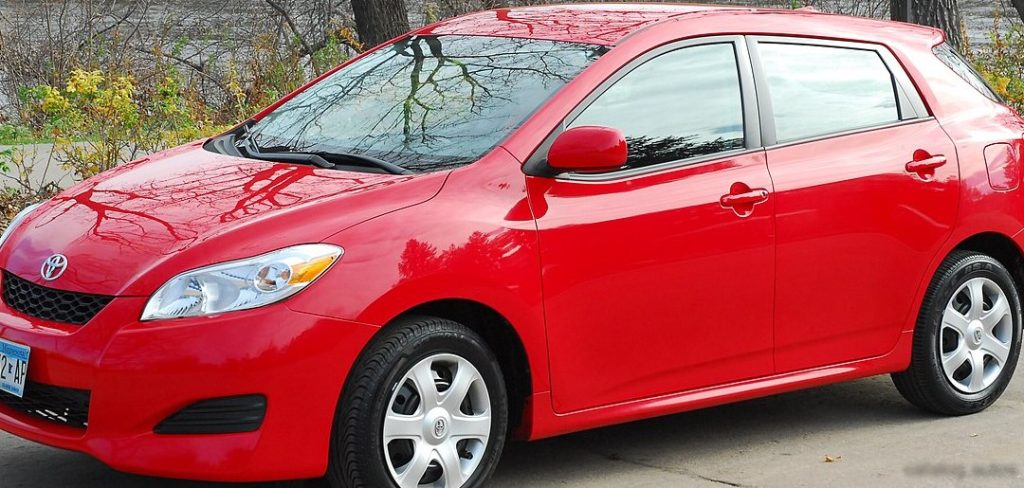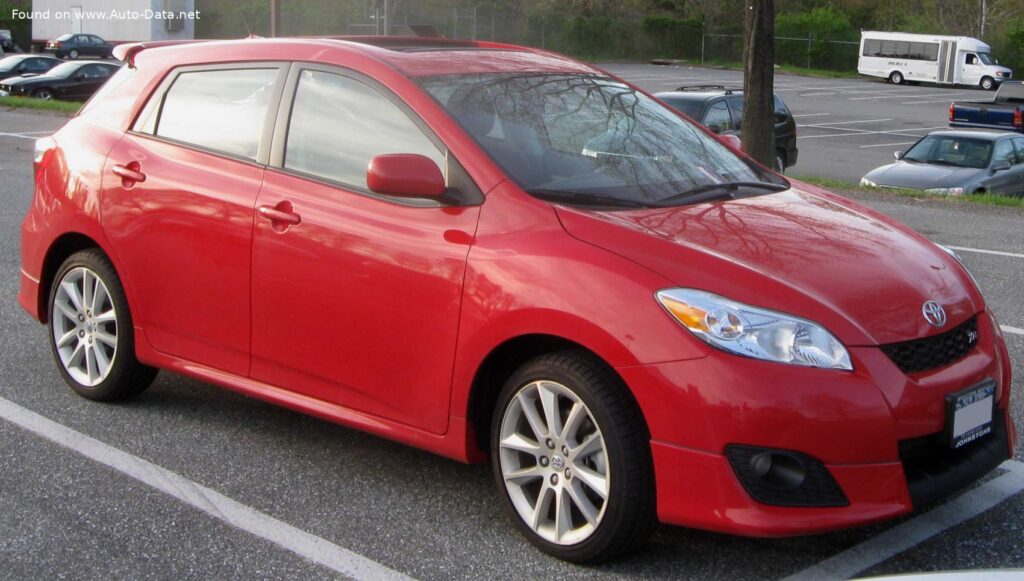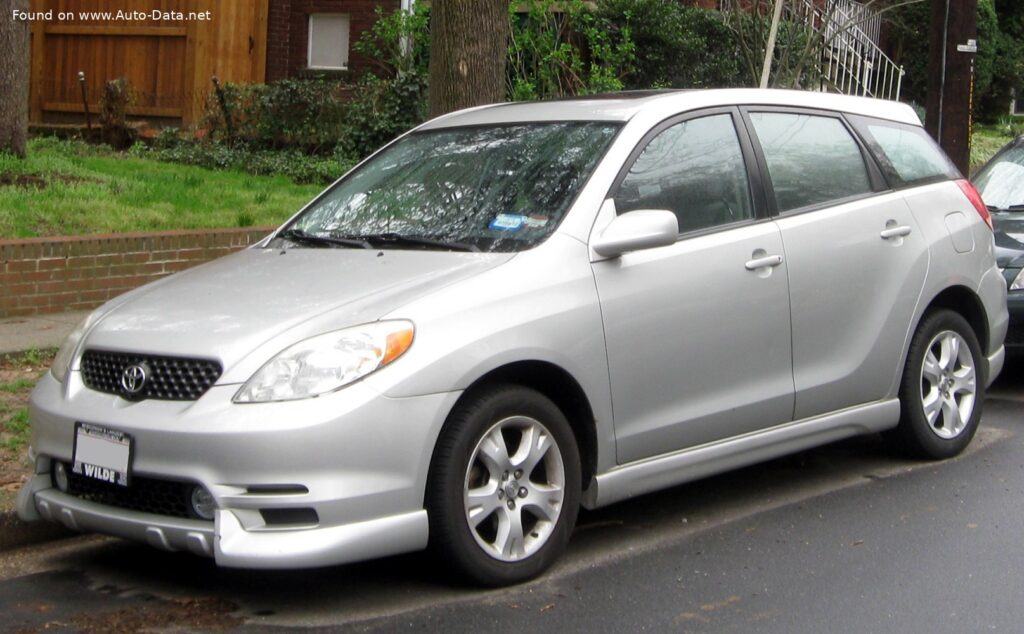
The Toyota Matrix 1.8i 16V Automatic, produced between 2002 and 2007, represents a key variant within the first generation (E130) of Toyota’s compact hatchback. Positioned as a mainstream offering, it aimed to provide a practical and affordable transportation solution for families and individuals seeking versatility and Toyota’s renowned reliability. The Matrix, sharing a platform (the MC platform, also underpinning the Pontiac Vibe and Chevrolet Prizm) with several General Motors models, was designed to bridge the gap between a traditional sedan and a sport utility vehicle, offering a wagon-like profile with a focus on interior space and functionality.
The 1.8i 16V Automatic: A Mid-Range Option
The 1.8i 16V Automatic trim occupied a middle ground in the Matrix lineup. While a base 1.8L engine was available with a manual transmission, the addition of the four-speed automatic transmission and the 16-valve cylinder head bumped the power output to 132 horsepower. This configuration offered a balance between fuel efficiency and acceptable performance for everyday driving. Compared to the more performance-oriented options, such as those offered by aftermarket tuners, or even the potential for a future turbocharged variant, the 1.8i Automatic prioritized ease of use and comfort. It differed significantly from the later, more fuel-efficient options like the hybrid Synergy Drive model introduced in subsequent generations.
Powertrain & Engine Architecture
At the heart of the Matrix 1.8i Automatic lies the 1ZZ-FE engine, a 1.8-liter (1794 cc) inline-four cylinder gasoline engine. This engine is characterized by its all-aluminum construction, contributing to a relatively lightweight design. The 1ZZ-FE utilizes a multi-port fuel injection system, delivering fuel directly into the intake ports just before the intake valves. This system, common for its time, provided a good balance between fuel efficiency and power delivery. The engine features a double overhead camshaft (DOHC) valvetrain with four valves per cylinder (16V total), enhancing volumetric efficiency and contributing to the engine’s power output. Compression ratio is set at 10:1.
The engine is mated to a four-speed automatic transmission, a conventional torque converter automatic. This transmission was chosen for its smooth operation and ease of use, appealing to a broader range of drivers. While not offering the efficiency of modern continuously variable transmissions (CVTs) or the driver engagement of a manual gearbox, it provided a comfortable and predictable driving experience. The transmission’s gear ratios were tuned for everyday drivability, prioritizing acceleration from a standstill and smooth cruising at highway speeds.
Driving Characteristics
The 1.8i Automatic Matrix delivers a comfortable, if not particularly sporty, driving experience. With 132 horsepower and 126.12 lb-ft of torque, acceleration is adequate for merging onto highways and navigating city streets. The four-speed automatic transmission, while smooth, can feel somewhat dated by modern standards, with noticeable shifts and a lack of the responsiveness found in newer transmissions. The weight-to-power ratio of 9.2 kg/Hp means that the vehicle doesn’t feel particularly quick, but it’s sufficient for its intended purpose. The engine is relatively quiet and refined, providing a pleasant driving environment. The front-wheel-drive configuration offers predictable handling, although it lacks the all-weather capability of an all-wheel-drive system. Compared to a manual transmission equipped Matrix, the automatic version sacrifices some driver engagement and fuel economy for added convenience.
Equipment & Trim Levels
The standard equipment level for the 1.8i Automatic Matrix typically included air conditioning, power windows and locks, and an AM/FM stereo system. Higher trim levels, often denoted by packages or specific model names, added features such as alloy wheels, a sunroof, upgraded audio systems, and keyless entry. Interior upholstery was typically cloth, with options for upgraded materials on higher trims. The dashboard layout was functional and straightforward, prioritizing ease of use. Optional extras included a CD player, cruise control, and side airbags. The Matrix’s interior was designed with practicality in mind, offering ample storage space and a flexible cargo area.
Chassis & Braking
The Matrix 1.8i Automatic utilizes a front strut suspension and a rear coil spring suspension. This setup provides a comfortable ride quality, absorbing bumps and irregularities in the road surface effectively. The front suspension incorporates a stabilizer bar to reduce body roll during cornering. The braking system consists of ventilated discs on the front wheels and drum brakes on the rear wheels. Anti-lock Braking System (ABS) was a standard safety feature, enhancing braking performance and stability in emergency situations. The steering system is a hydraulic power steering rack and pinion, providing responsive and precise steering control. The vehicle rides on 205/55 R16 tires mounted on 16-inch steel or alloy wheels.
Market Reception & Comparison
The Toyota Matrix 1.8i Automatic was generally well-received by automotive critics. It was praised for its practicality, reliability, and fuel efficiency. However, some reviewers noted that the engine lacked significant power and the automatic transmission felt somewhat dated. Compared to other vehicles in its class, such as the Honda Civic and Mazda3, the Matrix offered a more spacious interior and a more versatile cargo area. Fuel economy figures were competitive, with an estimated 22.4 US mpg in urban driving and 36.2 US mpg on the highway. Reliability was a strong point, with the 1ZZ-FE engine proving to be durable and long-lasting. The Matrix’s unique wagon-like styling also appealed to some buyers, setting it apart from more conventional compact cars.
Technical Specifications
| Brand | Toyota |
| Model | Matrix |
| Generation | Matrix (E130) |
| Type (Engine) | 1.8i 16V (132 Hp) Automatic |
| Start of production | 2002 |
| End of production | 2007 |
| Powertrain Architecture | Internal Combustion engine |
| Body type | Hatchback |
| Seats | 5 |
| Doors | 5 |
| Fuel consumption (urban) | 10.5 l/100 km (22.4 US mpg) |
| Fuel consumption (extra urban) | 6.5 l/100 km (36.2 US mpg) |
| Fuel Type | Petrol (Gasoline) |
| Maximum speed | 200 km/h (124.27 mph) |
| Weight-to-power ratio | 9.2 kg/Hp |
| Weight-to-torque ratio | 7.1 kg/Nm |
| Power | 132 Hp @ 6000 rpm |
| Torque | 171 Nm @ 4200 rpm (126.12 lb.-ft. @ 4200 rpm) |
| Engine layout | Front, Transverse |
| Engine Model/Code | 1ZZ-FE |
| Engine displacement | 1794 cm3 (109.48 cu. in.) |
| Number of cylinders | 4 |
| Engine configuration | Inline |
| Cylinder Bore | 79 mm (3.11 in.) |
| Piston Stroke | 91.5 mm (3.6 in.) |
| Compression ratio | 10:1 |
| Number of valves per cylinder | 4 |
| Fuel injection system | Multi-port manifold injection |
| Engine aspiration | Naturally aspirated |
| Valvetrain | DOHC |
| Engine oil capacity | 3.7 l (3.91 US qt | 3.26 UK qt) |
| Coolant capacity | 6.5 l (6.87 US qt | 5.72 UK qt) |
| Kerb Weight | 1215 kg (2678.62 lbs.) |
| Fuel tank capacity | 50 l (13.21 US gal | 11 UK gal) |
| Length | 4350 mm (171.26 in.) |
| Width | 1775 mm (69.88 in.) |
| Height | 1540 mm (60.63 in.) |
| Wheelbase | 2600 mm (102.36 in.) |
| Front track | 1515 mm (59.65 in.) |
| Rear track | 1495 mm (58.86 in.) |
| Minimum turning circle | 9.8 m (32.15 ft.) |
| Drivetrain | Front wheel drive |
| Number of gears | 4 |
| Gearbox type | Automatic transmission |
| Front suspension | Spring Strut |
| Rear suspension | Coil spring |
| Front brakes | Ventilated discs |
| Rear brakes | Drum |
| Assisting systems | ABS (Anti-lock braking system) |
| Steering type | Steering rack and pinion |
| Power steering | Hydraulic |
| Tires size | 205/55 R16 |
| Wheel rims size | 16 |
Legacy
The Toyota Matrix 1.8i Automatic, while not a particularly rare or collectible vehicle, enjoys a reputation for reliability and affordability. The 1ZZ-FE engine, when properly maintained, is known to be durable and capable of high mileage. In the used car market, these Matrix models represent a practical and economical choice for buyers seeking a versatile hatchback. Common issues include wear and tear on suspension components and potential for oil leaks as the engine ages. However, parts availability is excellent, and maintenance costs are generally reasonable. The Matrix’s enduring appeal lies in its blend of practicality, reliability, and Toyota’s strong brand reputation.