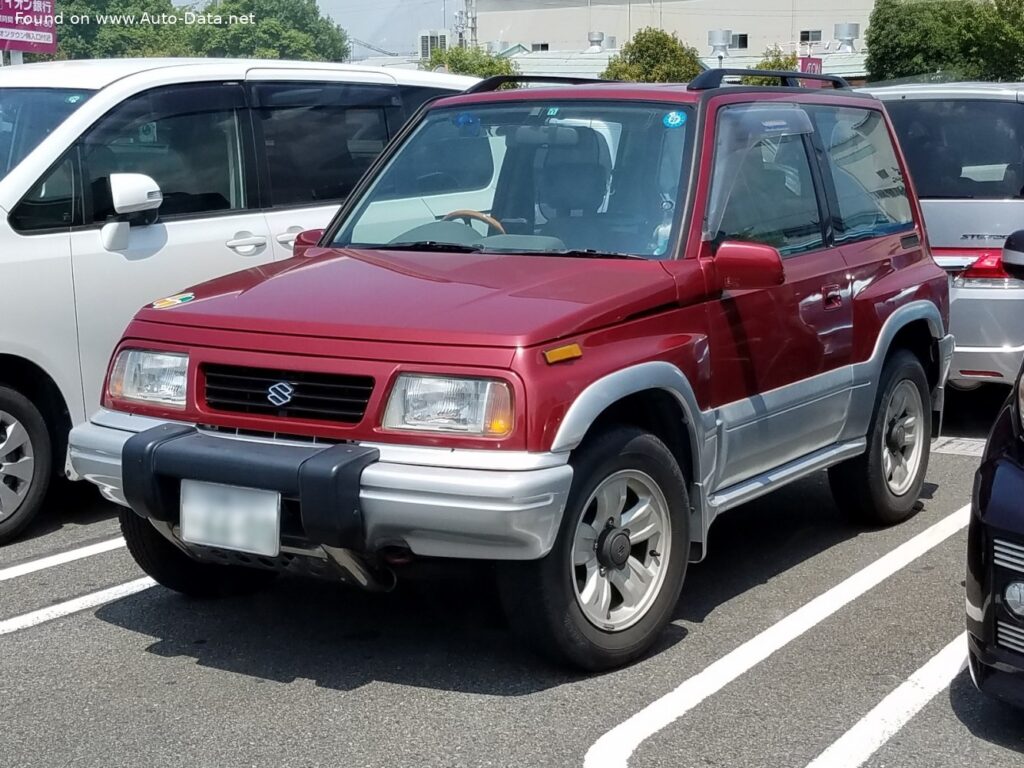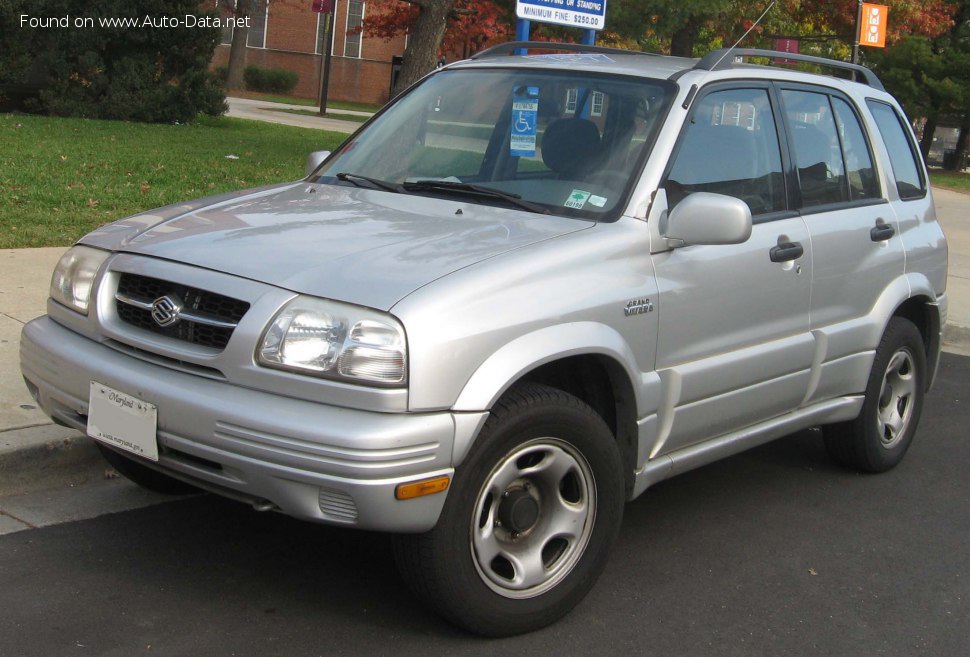
The Suzuki Escudo II, produced between 1998 and 2005, represented a significant evolution in Suzuki’s compact SUV offerings. Within the Escudo II range, the 2.0i variant, generating 140 horsepower, occupied a middle ground, offering a balance between affordability, practicality, and performance. This model was a key component of Suzuki’s strategy to appeal to a broader customer base seeking a versatile and reliable SUV. The Escudo II, known as the Vitara in some markets, was built on a body-on-frame chassis, a design choice that prioritized off-road capability and durability. The 2.0i model aimed to provide a more refined driving experience compared to the base models while remaining more accessible than the top-of-the-line trims.
Suzuki Escudo II 2.0i (140 Hp): An Overview
The 2.0i Escudo II was positioned as a step up from the lower-displacement engine options, offering increased power and torque for improved acceleration and towing capacity. It catered to buyers who needed a vehicle capable of handling both daily commutes and occasional off-road excursions. The Escudo II generation saw Suzuki refine the styling and interior appointments of the original Escudo, moving towards a more modern and comfortable SUV experience. The 2.0i trim level typically included features such as power windows, power steering, and an upgraded audio system, making it a popular choice for families and individuals alike.
Powertrain & Engine Architecture
The heart of the Escudo II 2.0i is the J20A engine, a 1.995-liter (121.74 cubic inches) inline-four cylinder gasoline engine. This engine is naturally aspirated and utilizes a multi-port fuel injection system, delivering fuel directly into the intake ports for efficient combustion. The J20A boasts a compression ratio of 9.7:1 and features a double overhead camshaft (DOHC) valvetrain with four valves per cylinder, contributing to its respectable power output. Bore and stroke dimensions are 84mm x 90mm respectively. The engine’s longitudinal front-engine layout was a common configuration for SUVs of this era, optimizing weight distribution and providing space for a robust four-wheel-drive system.
While a five-speed manual transmission was available, the 2.0i Escudo II was frequently paired with a four-speed automatic transmission. This automatic transmission, while providing convenience, was not known for its particularly quick shifts or fuel efficiency compared to more modern automatic gearboxes. The gear ratios were tuned for a balance of on-road drivability and off-road crawling ability. First gear was relatively low for tackling challenging terrain, while the higher gears were designed for comfortable highway cruising. The automatic transmission contributed to the 2.0i’s appeal to buyers prioritizing ease of use over outright performance.
Driving Characteristics
The Escudo II 2.0i offered a competent, if not exhilarating, driving experience. The 140 horsepower output, coupled with 186 Nm (137.19 lb-ft) of torque, provided adequate acceleration for everyday driving situations. However, when fully loaded with passengers and cargo, or when tackling steep inclines, the engine could feel somewhat strained. Compared to the base engine options, the 2.0i offered a noticeable improvement in responsiveness and overall performance. The four-speed automatic transmission, while smooth, lacked the responsiveness of a manual gearbox or a more modern automatic with additional gears. This resulted in a slightly less engaging driving experience, but it suited the target audience who valued convenience and ease of operation.
The Escudo II’s body-on-frame construction contributed to a somewhat truck-like ride quality. While comfortable enough for daily use, it wasn’t as refined as the unibody SUVs that were becoming increasingly popular at the time. The four-wheel-drive system, selectable via a transfer case, provided excellent traction in off-road conditions. The 2.0i model was capable of navigating moderate trails and handling slippery surfaces with confidence.
Equipment & Trim Levels
The 2.0i trim level of the Escudo II typically included a range of standard features designed to enhance comfort and convenience. These often included air conditioning, power windows, power door locks, and a basic audio system. Interior upholstery was typically cloth, with options for upgraded materials available on some models. The dashboard layout was functional and straightforward, with clearly labeled controls. Optional extras could include alloy wheels, a sunroof, and an upgraded audio system with a CD player. Safety features were relatively basic for the era, typically including front airbags and anti-lock brakes (ABS) on some models.
Chassis & Braking
The Escudo II utilized a robust body-on-frame chassis, providing a solid foundation for both on-road and off-road driving. The suspension system consisted of coil springs and shock absorbers, with a three-link rigid axle setup in the rear. The rear brakes were typically drum brakes, while the front brakes were disc brakes. This configuration was common for SUVs of this size and weight class. Stabilizer bars were included on both the front and rear axles to reduce body roll during cornering. The steering system was a recirculating ball type, providing a direct and responsive feel.
Market Reception & Comparison
The Suzuki Escudo II 2.0i was generally well-received by automotive critics as a capable and affordable SUV. It was praised for its rugged construction, reliable engine, and versatile four-wheel-drive system. However, some critics noted that the interior was somewhat basic and the ride quality was not as refined as some of its competitors. Compared to other SUVs in its class, such as the Honda CR-V and Toyota RAV4, the Escudo II offered a more traditional off-road focused approach. Fuel economy was average for the segment, with the automatic transmission reducing overall efficiency. Reliability was generally good, with the J20A engine proving to be a durable and long-lasting powerplant.
Technical Specifications
| Engine Type | Inline-4, Naturally Aspirated |
| Engine Displacement | 1,995 cc (121.74 cu in) |
| Horsepower | 140 hp @ 6500 rpm |
| Torque | 186 Nm (137.19 lb-ft) @ 4000 rpm |
| Compression Ratio | 9.7:1 |
| Fuel Injection | Multi-port Fuel Injection |
| Valvetrain | DOHC, 4 valves per cylinder |
| Engine Oil Capacity | 5.2 liters (5.49 US qt, 4.58 UK qt) |
| Coolant Capacity | 6.5 liters (6.87 US qt, 5.72 UK qt) |
| Transmission | 4-speed Automatic (Optional 5-speed Manual) |
| Drivetrain | Four-Wheel Drive (Selectable) |
| Brakes (Front) | Disc |
| Brakes (Rear) | Drum |
| Curb Weight | Approximately 1,500 – 1,600 kg (3,307 – 3,527 lbs) |
Legacy
The Suzuki Escudo II 2.0i remains a popular choice among used car buyers seeking a reliable and affordable SUV. The J20A engine is known for its durability and relatively low maintenance costs. While the four-speed automatic transmission may not be as sophisticated as more modern gearboxes, it has proven to be reasonably reliable. The Escudo II’s body-on-frame construction provides a robust and durable platform, making it well-suited for both on-road and off-road use. Today, these vehicles are often found in good condition, having been well-maintained by their owners. The 2.0i variant, in particular, is valued for its increased power and torque, making it a more versatile and enjoyable vehicle to drive. Its blend of practicality, affordability, and off-road capability has cemented its place as a respected SUV in the used car market.