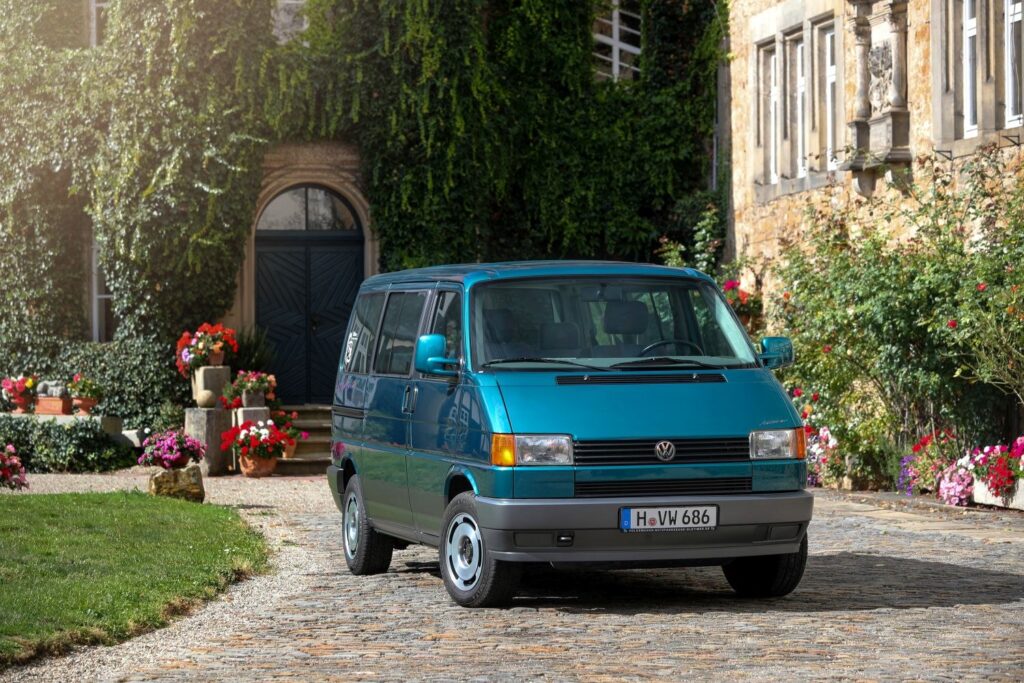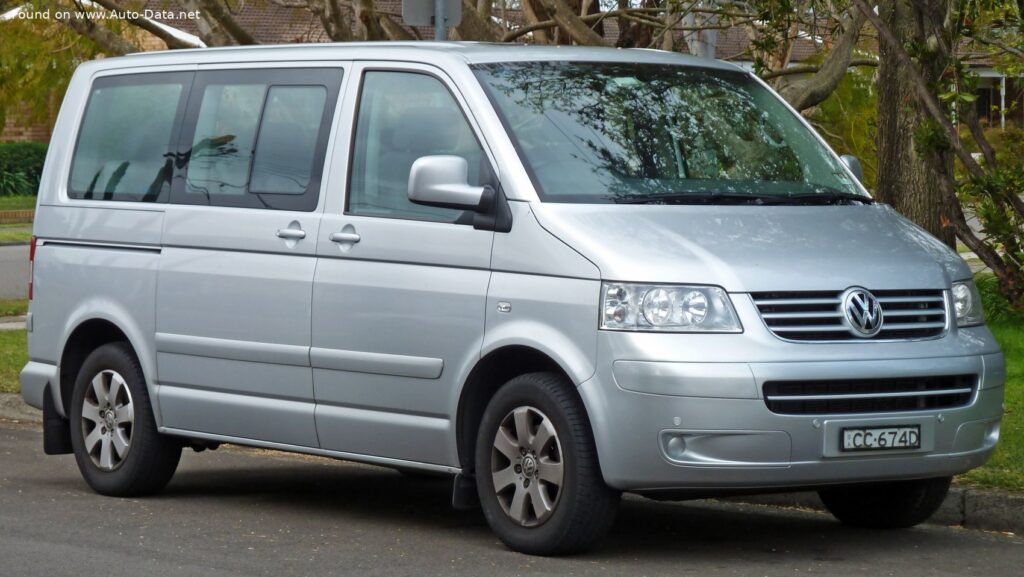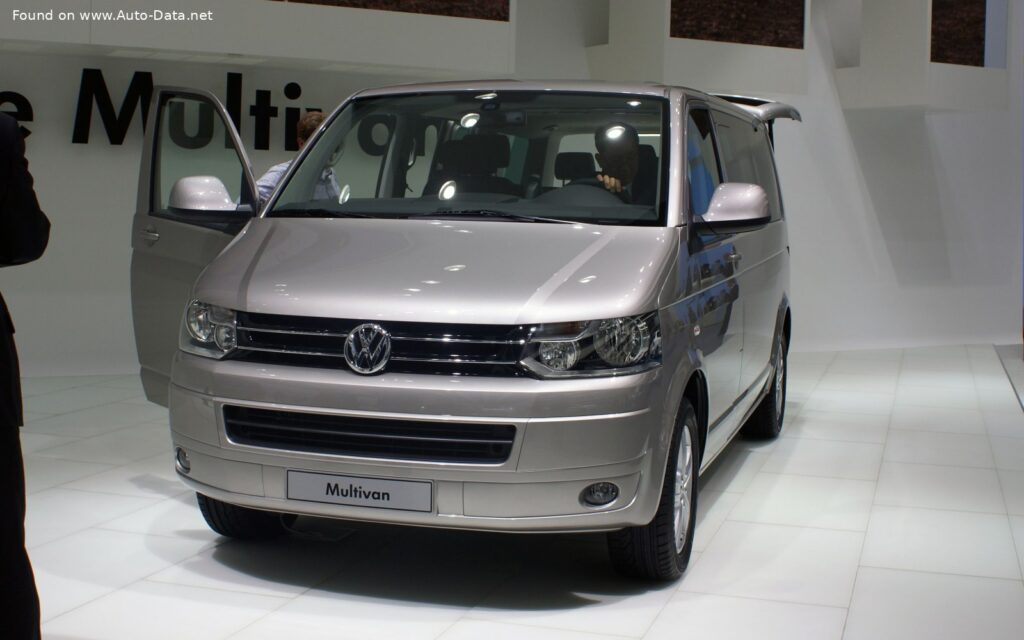
The Volkswagen Multivan (T5), particularly the facelifted version introduced in 2009, represented a significant evolution of Volkswagen’s popular van platform. The 2.0 TDI (140 hp) BlueMotion variant, produced from 2009 to 2016, occupied a crucial position within the T5 lineup, offering a balance between fuel efficiency, practicality, and affordability. This version aimed to provide a more economical option for families and commercial users compared to the more powerful TDI engines available, while still maintaining the Multivan’s reputation for versatility and comfort. It was built on the 1HX0/A3 platform, shared with other Volkswagen Group vehicles like the Transporter and Caravelle.
The 2.0 TDI BlueMotion: Positioning and Overview
The 2.0 TDI BlueMotion trim was positioned as a mid-range offering within the T5 Multivan range. Above it sat the more powerful 2.0 TDI variants with higher horsepower outputs (typically 180 hp) and the range-topping models equipped with larger displacement engines. Below it were typically more basic commercial-oriented versions of the Transporter. The BlueMotion designation signified Volkswagen’s efforts to improve fuel economy and reduce emissions through aerodynamic enhancements and optimized engine management. This variant was targeted towards buyers who prioritized fuel efficiency and lower running costs without sacrificing the space and functionality of the Multivan.
Powertrain & Engine Architecture
The heart of the Multivan 2.0 TDI BlueMotion is the CCHA engine code, a 1,968 cc (120.09 cubic inches) inline four-cylinder diesel engine. This engine utilizes a common rail direct injection system, delivering fuel directly into the combustion chamber at extremely high pressure. This technology, coupled with a turbocharger and intercooler, allows for efficient combustion and increased power output. The engine features four valves per cylinder (16 valves total) and is transversely mounted in the front of the vehicle. The turbocharger is a variable geometry turbo (VGT), which optimizes boost pressure across a wider range of engine speeds, improving both low-end torque and high-end power. The BlueMotion technology package included modifications to the engine control unit (ECU) and aerodynamic enhancements to reduce drag, further improving fuel economy.
While a six-speed manual transmission was standard, an optional seven-speed dual-clutch transmission (DSG) was also available. The DSG transmission offered quicker and smoother gear changes compared to a traditional automatic, contributing to improved performance and fuel efficiency. The manual transmission featured gear ratios designed to maximize fuel economy while still providing adequate acceleration. The final drive ratio was typically optimized for cruising speeds, further enhancing efficiency on long journeys.
Driving Characteristics
The 140 hp and 340 Nm (250.77 lb-ft) of torque produced by the 2.0 TDI BlueMotion engine provided adequate, though not exhilarating, performance for the Multivan. Acceleration from 0 to 62 mph (0-100 km/h) took approximately 13.7 seconds, and the top speed was around 107.5 mph (173 km/h). In real-world driving, the engine felt most comfortable in the mid-range, providing sufficient power for overtaking and maintaining speed on highways. Compared to the higher-output TDI versions, the 140 hp engine felt less strained when fully loaded with passengers and luggage. However, it did require more downshifting when tackling steep inclines or carrying heavy loads. The manual transmission offered precise gear changes and allowed drivers to maintain optimal engine speed for fuel efficiency. The optional DSG transmission provided a more relaxed driving experience, particularly in urban traffic.
Equipment & Trim Levels
The Multivan 2.0 TDI BlueMotion typically came standard with features such as air conditioning, power windows, central locking, and an audio system. Safety features included ABS (Anti-lock Braking System) and driver and passenger airbags. Higher trim levels offered additional features such as alloy wheels, parking sensors, a multi-function steering wheel, and upgraded interior upholstery. Interior upholstery was typically cloth, but leather options were available. The dashboard configuration was functional and ergonomic, with clearly labeled controls and a user-friendly layout. Optional extras included a navigation system, rear parking camera, and various comfort and convenience packages.
Chassis & Braking
The Multivan T5 utilized a front-wheel-drive layout with independent suspension at the front and a semi-independent suspension at the rear. The front suspension consisted of MacPherson struts with stabilizer bar, while the rear suspension employed leaf springs or coil springs, depending on the specific model and load rating. The braking system featured ventilated discs at the front and either discs or drums at the rear, depending on the vehicle’s weight and specification. The ABS system helped to maintain steering control during emergency braking. The stabilizer bar thickness was optimized for the vehicle’s weight and center of gravity, providing a balance between comfort and handling. The steering system was a rack and pinion type, offering precise and responsive steering feel.
Market Reception & Comparison
The Volkswagen Multivan 2.0 TDI BlueMotion was generally well-received by critics and buyers alike. It was praised for its fuel efficiency, practicality, and comfortable ride. Fuel economy figures were typically around 36.8 US mpg (44.1 UK mpg) on the combined cycle, making it an attractive option for those seeking to minimize running costs. Compared to the higher-output TDI trims, the 140 hp version offered a more affordable entry point into the Multivan range. However, some critics noted that the engine lacked the outright performance of its more powerful siblings. Reliability was generally good, although some owners reported issues with the diesel particulate filter (DPF) and the dual-clutch transmission (DSG), particularly if the vehicle was primarily used for short trips. Compared to competitors such as the Mercedes-Benz Vito and Ford Transit, the Multivan offered a more refined interior and a more car-like driving experience.
Technical Specifications
| Brand | Volkswagen |
| Model | Multivan (T5, facelift 2009) |
| Type | 2.0 TDI (140 Hp) BlueMotion |
| Start of production | 2009 |
| End of production | 2016 |
| Engine Code | CCHA |
| Engine Displacement | 1,968 cm3 (120.09 cu. in.) |
| Number of Cylinders | 4, Inline |
| Fuel Type | Diesel |
| Power | 140 Hp @ 3500 rpm |
| Torque | 340 Nm @ 1750-2500 rpm (250.77 lb.-ft.) |
| Fuel Consumption (Urban) | 7.8 l/100 km (30.2 US mpg, 36.2 UK mpg) |
| Fuel Consumption (Extra Urban) | 5.6 l/100 km (42 US mpg, 50.4 UK mpg) |
| Fuel Consumption (Combined) | 6.4 l/100 km (36.8 US mpg, 44.1 UK mpg) |
| CO2 Emissions | 169 g/km |
| Acceleration 0-100 km/h | 13.7 sec |
| Acceleration 0-62 mph | 13.7 sec |
| Maximum Speed | 173 km/h (107.5 mph) |
| Kerb Weight | 2067 kg (4556.95 lbs.) |
| Max. Weight | 2900 kg (6393.41 lbs.) |
| Wheelbase | 3000 mm (118.11 in.) |
| Transmission | 6-speed manual (standard), 7-speed DSG (optional) |
Legacy
The Volkswagen Multivan 2.0 TDI BlueMotion remains a popular choice in the used car market today. Its reputation for reliability, practicality, and fuel efficiency continues to attract buyers. While the diesel particulate filter (DPF) and DSG transmission can be potential maintenance concerns, these issues are often manageable with regular servicing and preventative maintenance. The 2.0 TDI engine, in general, is considered to be a robust and durable unit. The Multivan T5, including the 2.0 TDI BlueMotion variant, has established itself as a versatile and dependable vehicle for families, businesses, and adventure enthusiasts alike. Its spacious interior, comfortable ride, and relatively low running costs make it a compelling option for those seeking a practical and economical people carrier.