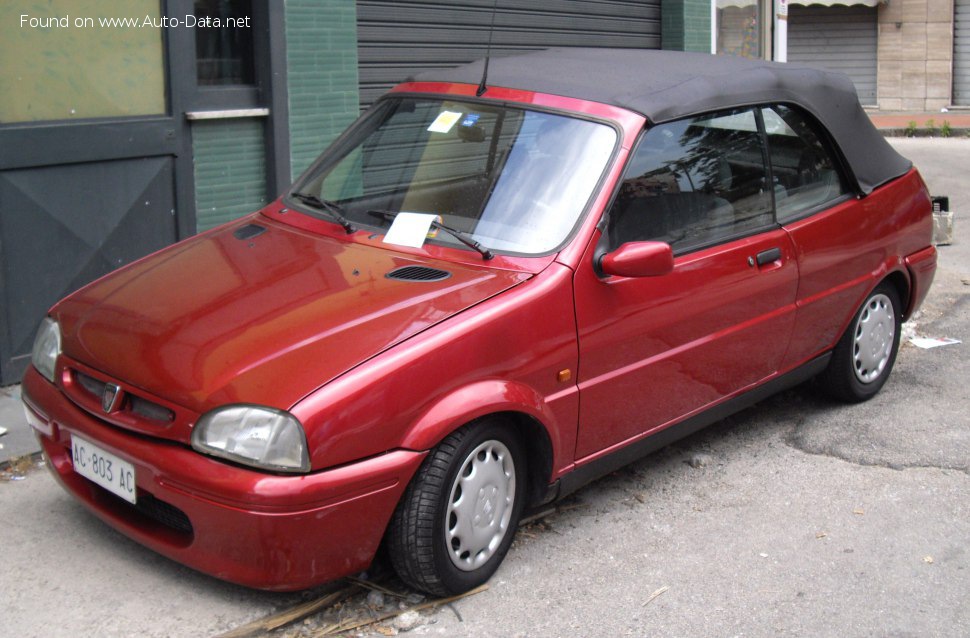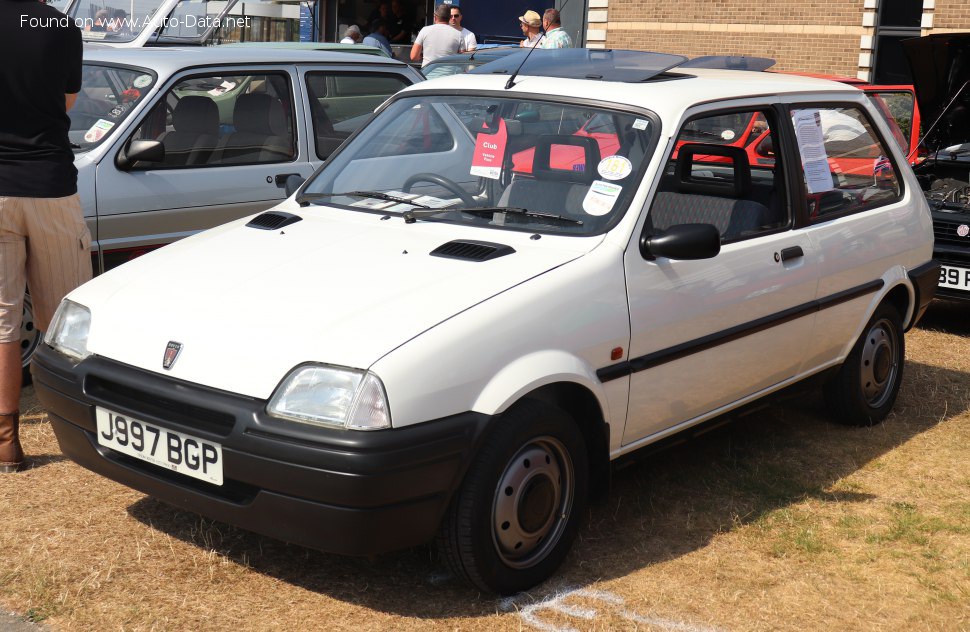
The Rover 100, specifically the 114 S/L/GTA variant equipped with the 75 horsepower engine and Continuously Variable Transmission (CVT), was a key model in Rover’s lineup during the 1990s. Produced from 1990 to 1998, this iteration of the 100 (based on the Austin Metro platform, internally designated XP) represented an entry-level offering, aimed at buyers prioritizing affordability and fuel efficiency. It occupied the lower end of the Rover range, sitting below the more powerful and refined 200 series. The 114 S/L/GTA with the CVT was designed to appeal to a broad audience, particularly those seeking an easy-to-drive, economical hatchback for urban commuting.
Rover 100 (XP) 114 S/L/GTA 75 hp CVT: An Overview
The Rover 100 XP was a significant model for British Leyland and later Rover Group, representing a modernization of the aging Austin Metro. The XP designation referred to the project code during development. The 114 S/L/GTA trim level, when paired with the 75 hp engine and CVT, was a popular choice due to its balance of cost and convenience. While not known for blistering performance, it provided a practical and reliable mode of transportation for many drivers. The introduction of the CVT was a notable feature, offering a smoother driving experience than a traditional manual transmission, though it came with its own set of characteristics.
Powertrain & Engine Architecture
At the heart of the 114 S/L/GTA was the Rover K-Series engine, specifically the 1396cc (85.19 cubic inch) inline-four cylinder unit, designated as the K8. This engine produced 75 horsepower at 5500 rpm and 117 Nm (86.29 lb-ft) of torque at 4000 rpm. The K8 featured a single-point fuel injection system, a relatively simple setup for the time, contributing to its affordability and ease of maintenance. The engine utilized an overhead camshaft (OHC) valvetrain with two valves per cylinder. Compression ratio was set at 9.7:1.
The most distinctive aspect of this variant was its Continuously Variable Transmission (CVT). Unlike traditional automatic transmissions with fixed gear ratios, a CVT utilizes a belt and pulley system to provide a theoretically infinite number of gear ratios within its operating range. This allows the engine to operate at its most efficient rpm for any given speed, maximizing fuel economy. However, early CVTs, like the one used in the Rover 100, were often criticized for a “rubber band” feel, where engine rpm would rise disproportionately to vehicle speed during acceleration. The CVT was sourced from Van Doorne Transmissions.
Driving Characteristics
The driving experience in the 114 S/L/GTA with the CVT was geared towards comfort and ease of use rather than sporty performance. Acceleration from 0-60 mph took approximately 10.5 seconds, and 0-100 km/h in 11.1 seconds, making it noticeably slower than versions equipped with the manual transmission or the more powerful 1.4L 16V engine. The CVT contributed to a smooth, jerk-free driving experience, particularly in urban traffic. However, the lack of distinct gear changes and the “rubber band” effect could feel somewhat disconnected for drivers accustomed to traditional transmissions. The power delivery was linear, but the engine lacked significant low-end torque, requiring drivers to utilize the full rev range for optimal acceleration. Top speed was rated at 161 km/h (100.04 mph).
Equipment & Trim Levels
The 114 S/L/GTA trim level offered a reasonable level of equipment for its price point. Standard features typically included central locking, electric front windows, and a basic stereo system. Interior upholstery was generally cloth, with a relatively simple dashboard layout. The ‘S’ trim was the most basic, ‘L’ added some comfort features, and ‘GTA’ represented the highest specification within this 75hp engine range, often including alloy wheels and upgraded interior trim. Optional extras included a sunroof, upgraded sound system, and metallic paint. The interior space was adequate for a small hatchback, offering seating for five passengers, although rear legroom was limited. Trunk space ranged from 229 liters (8.09 cu ft) with the rear seats up to 552 liters (19.49 cu ft) with the rear seats folded down.
Chassis & Braking
The Rover 100 XP utilized a front-wheel-drive layout with a relatively simple suspension setup. The front suspension consisted of wishbones, while the rear employed a trailing arm configuration. This setup prioritized ride comfort over handling precision. The front brakes were discs, providing adequate stopping power, while the rear brakes were drums, a cost-saving measure common in this class of vehicle. Anti-lock Braking System (ABS) was available as an option, enhancing safety. The steering was rack and pinion, offering reasonable precision. The car rode on 155/65 R13 tires mounted on 13-inch steel wheels, although alloy wheels were available on the GTA trim.
Market Reception & Comparison
The Rover 100 114 S/L/GTA with the CVT received mixed reviews. Critics generally praised its affordability, fuel economy (6.8 l/100 km combined – 34.6 US mpg, 41.5 UK mpg), and ease of driving. However, the CVT was a common point of criticism, with many reviewers finding its operation unsatisfying and its performance underwhelming. Compared to the manual transmission versions of the 100, the CVT model offered slower acceleration and a less engaging driving experience. The 1.4L 16V engine offered significantly more power and a more enjoyable driving experience, but at a higher price point. Against competitors like the Ford Fiesta and Vauxhall Corsa, the Rover 100 offered a competitive price and a comfortable ride, but lacked the outright performance and refinement of some rivals.
Technical Specifications
| Engine Model/Code | K8 |
| Engine Displacement | 1396 cm3 (85.19 cu. in.) |
| Number of Cylinders | 4, Inline |
| Power | 75 Hp @ 5500 rpm |
| Torque | 117 Nm @ 4000 rpm (86.29 lb.-ft. @ 4000 rpm) |
| Fuel Injection System | Single-point injection |
| Valvetrain | OHC, 2 valves per cylinder |
| Compression Ratio | 9.7:1 |
| Transmission | CVT (Continuously Variable Transmission) |
| Drive Wheels | Front Wheel Drive |
| Kerb Weight | 855 kg (1884.95 lbs.) |
| Maximum Weight | 1310 kg (2888.06 lbs.) |
| Fuel Consumption (Urban) | 9.1 l/100 km (25.8 US mpg, 31 UK mpg) |
| Fuel Consumption (Extra Urban) | 5.1 l/100 km (46.1 US mpg, 55.4 UK mpg) |
| Fuel Consumption (Combined) | 6.8 l/100 km (34.6 US mpg, 41.5 UK mpg) |
| Fuel Tank Capacity | 35 l (9.25 US gal, 7.7 UK gal) |
| Acceleration 0-100 km/h | 11.1 sec |
| Acceleration 0-60 mph | 10.5 sec |
| Maximum Speed | 161 km/h (100.04 mph) |
Legacy
The Rover 100 114 S/L/GTA with the CVT, while not a performance icon, remains a relatively affordable and accessible classic car. The K-Series engine, despite some early issues with head gasket failure (more prevalent in higher-output versions), is generally considered reliable when properly maintained. The CVT, however, is often the first component to require attention, as early units were not known for their longevity. Today, these cars are often sought after by enthusiasts looking for a nostalgic and economical classic. Parts availability can be a challenge, but a dedicated community of Rover owners and specialists exists to provide support and assistance. The 100 XP, in its various forms, represents a significant chapter in British automotive history, and the 114 S/L/GTA with the CVT offers a unique and affordable entry point into the world of classic Rover ownership.