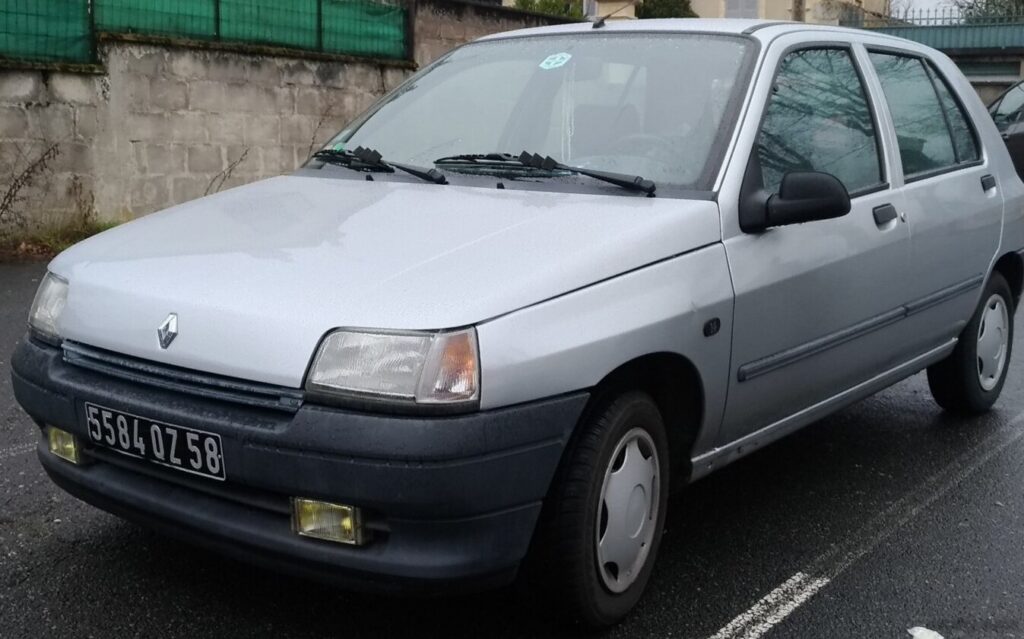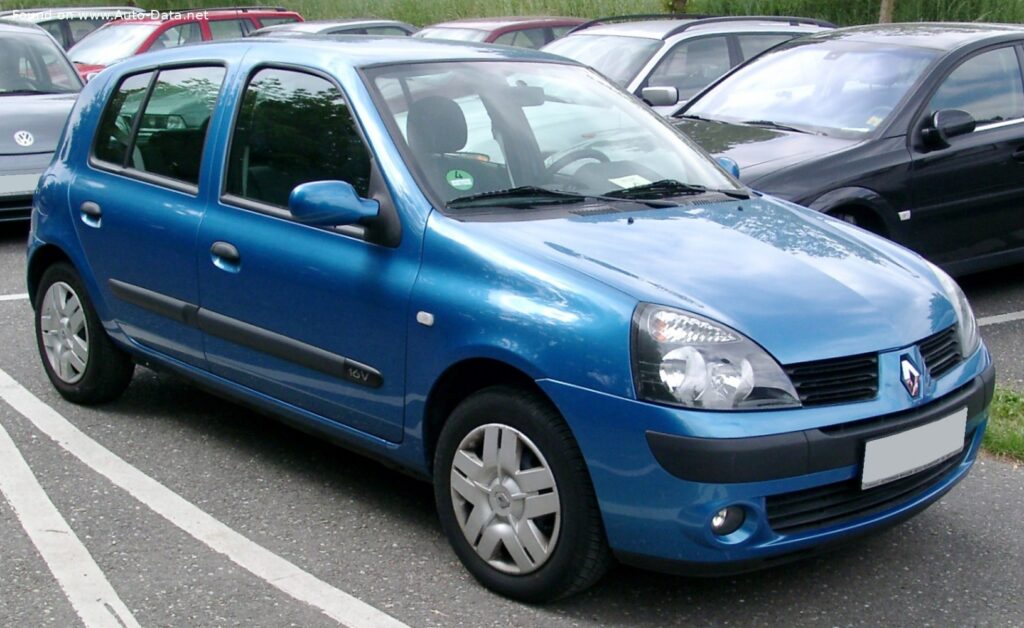
The Renault Clio II Phase III, produced from 2003 to 2005, represented a significant refresh of Renault’s popular supermini. Within the Phase III range, the 5-door 1.2-liter (60 hp) variant served as the entry point to the Clio lineup, offering an affordable and economical option for budget-conscious buyers. This model was positioned as a practical and efficient city car, prioritizing fuel economy and ease of use over outright performance. It was a key component of the 1HX0/A3 platform generation, known for its relatively simple and robust engineering.
The 1.2L (60 hp) Clio II: A Focus on Economy
The 1.2-liter engine, designated the D7F engine code, was a mainstay of Renault’s small car offerings for many years. In the Clio II Phase III, it provided a basic level of transportation, aimed at drivers who primarily used the car for short journeys and urban commuting. This trim level was particularly popular with first-time car buyers, families needing a second vehicle, and those seeking low running costs. It differed significantly from higher-spec Clios, such as those equipped with the 1.6 16V or 2.0 16V engines, which offered considerably more power and performance. Compared to the diesel options, like the 1.5 dCi, the 1.2 petrol prioritized refinement and a smoother driving experience, albeit at the expense of fuel efficiency.
Powertrain & Engine Architecture
The heart of this Clio variant is the D7F 700 series engine, a 1.149-liter (70.12 cubic inches) inline-four cylinder petrol engine. This engine utilizes a naturally aspirated intake and a multi-port fuel injection system. The engine’s valvetrain consists of an overhead camshaft (OHC) operating two valves per cylinder. The D7F engine is known for its simplicity and durability, though it lacks the sophistication of more modern engine designs. It produces a maximum power output of 60 horsepower (44.7 kW) at 5250 rpm and 93 Newton-meters (68.59 lb-ft) of torque at 2500 rpm.
The 1.2L engine was typically paired with a five-speed manual transmission, however, a four-speed automatic transmission was also offered, though less common. The automatic transmission, while providing convenience, impacted fuel economy and acceleration. It featured a traditional torque converter design and was geared towards smooth, comfortable shifts rather than sporty responsiveness. The gear ratios were optimized for low-speed drivability and fuel efficiency, rather than maximizing performance.
Driving Characteristics
The 1.2L automatic Clio II Phase III offered a decidedly unhurried driving experience. Acceleration from 0 to 62 mph (0-100 km/h) took approximately 15 seconds, and the top speed was around 98 mph (158 km/h). The automatic transmission contributed to a smoother, but less engaging, driving experience compared to the manual version. The engine felt strained when attempting brisk acceleration or climbing hills. The focus was clearly on providing adequate power for everyday driving situations, rather than offering a sporty or dynamic feel. The automatic transmission’s shift points were programmed for economy, often resulting in the engine operating at higher revs than necessary for optimal fuel consumption. Compared to the manual transmission, the automatic version experienced a noticeable performance deficit.
Equipment & Trim Levels
The 1.2L Clio II Phase III typically came with a basic level of equipment. Standard features generally included power steering, central locking, front airbags, and an adjustable steering column. Interior upholstery was typically cloth, and the dashboard featured a simple, functional design. Optional extras included air conditioning, electric front windows, and a radio/CD player. Higher trim levels, such as the Expression or Dynamique, added features like alloy wheels, fog lights, and upgraded interior trim. However, the base 1.2L model was deliberately kept relatively spartan to maintain its affordability. The interior plastics were durable but lacked the premium feel of more expensive models.
Chassis & Braking
The Clio II Phase III utilized a McPherson strut front suspension and a semi-independent beam rear suspension. This setup provided a comfortable ride quality, suitable for everyday driving. The front brakes were disc brakes, while the rear brakes were drum brakes – a cost-saving measure common in entry-level models. Anti-lock Braking System (ABS) was often an optional extra, rather than standard equipment on the base 1.2L model. The steering was a hydraulic power-assisted rack and pinion system, providing light and easy steering feel. The 1.2L models typically featured 175/65 R14 tires, which contributed to the car’s comfortable ride but offered limited grip.
Market Reception & Comparison
The 1.2L Clio II Phase III received generally positive reviews for its affordability, fuel economy, and ease of use. Critics acknowledged that it wasn’t a particularly exciting car to drive, but it fulfilled its intended purpose as a practical and economical city car. Fuel consumption figures were quoted at around 6.0 liters per 100 kilometers (39.2 US mpg) on the combined cycle, making it a relatively efficient vehicle for its time. Compared to the higher-output versions of the Clio II, the 1.2L model offered significantly lower running costs but lacked the performance and refinement of its more powerful siblings. The 1.5 dCi diesel models offered superior fuel economy, but at a higher initial purchase price. The 1.2L automatic, in particular, was often criticized for its sluggish performance and relatively high fuel consumption compared to the manual version.
Technical Specifications
| Engine Type | Inline-4, Petrol |
| Engine Displacement | 1149 cc (70.12 cu in) |
| Engine Code | D7F 700 |
| Power Output | 60 hp @ 5250 rpm |
| Torque | 93 Nm @ 2500 rpm (68.59 lb-ft) |
| Fuel Injection | Multi-port Fuel Injection |
| Valvetrain | OHC, 2 valves/cylinder |
| Transmission | 4-speed Automatic |
| Drive Type | Front-Wheel Drive |
| Kerb Weight | 935 kg (2061.32 lbs) |
| Maximum Speed | 158 km/h (98.18 mph) |
| 0-100 km/h | 15 seconds |
| Fuel Consumption (Combined) | 6.0 l/100km (39.2 US mpg) |
| CO2 Emissions | 143 g/km |
| Fuel Tank Capacity | 50 liters (13.21 US gal) |
Legacy
The 1.2L Clio II Phase III, particularly the automatic version, has become a relatively common sight in the used car market. While not known for its performance or luxury, it has proven to be a reliable and durable vehicle, especially when well-maintained. The D7F engine is generally considered to be robust, although it can be prone to oil leaks and occasional sensor failures. The automatic transmission, while not particularly sophisticated, is generally reliable if serviced regularly. Today, these Clios are often sought after as affordable and economical runabouts, particularly by those seeking a simple and reliable car for short journeys. Their low purchase price and relatively low running costs continue to make them an attractive option for budget-conscious buyers.