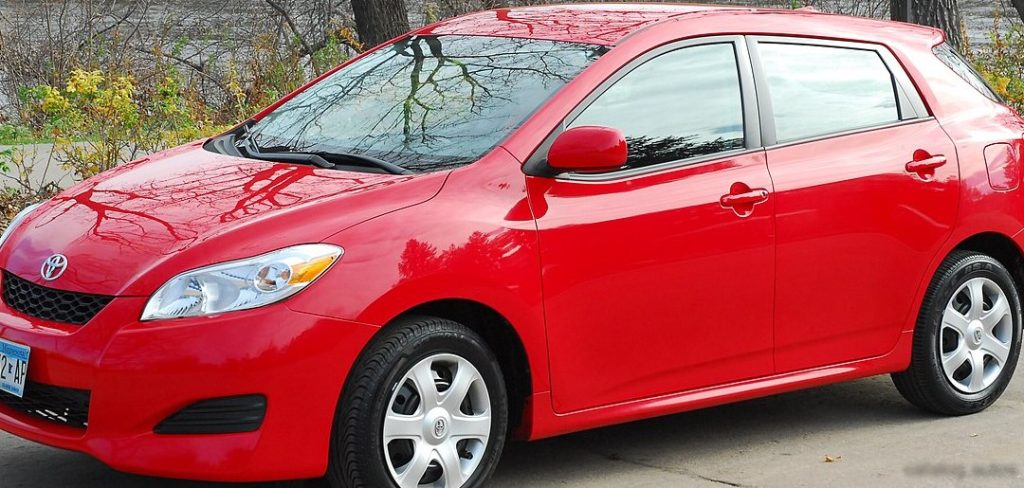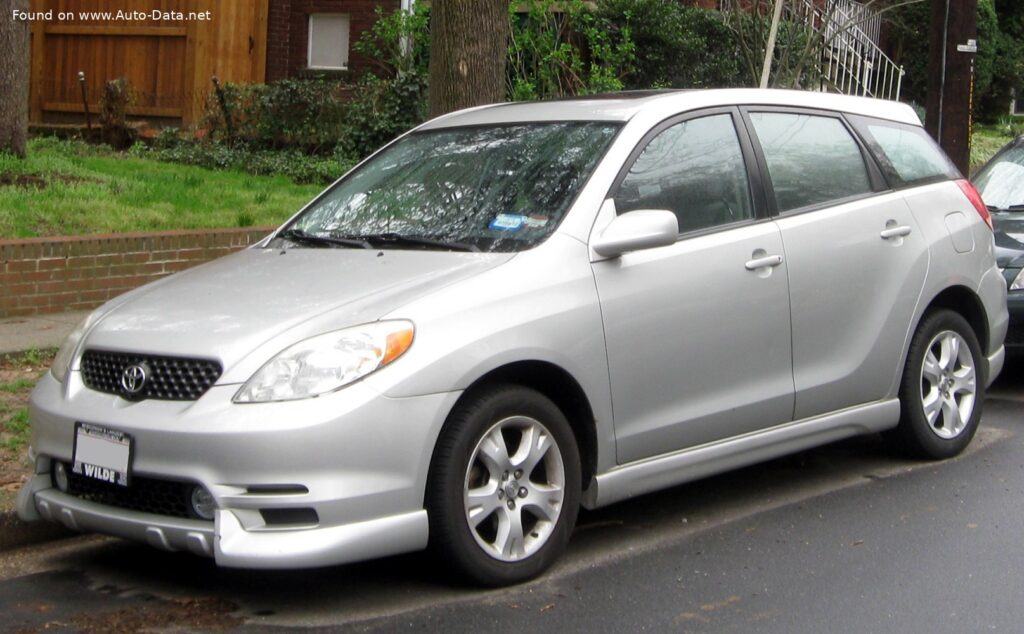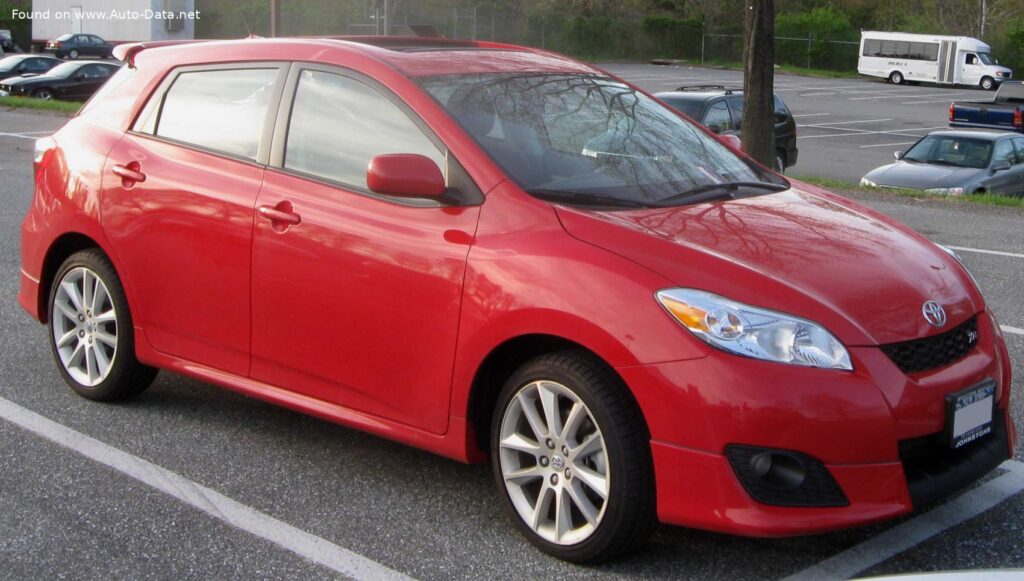
The Toyota Matrix 1.8, produced between 2009 and 2013 as part of the E140 generation, represented a key entry point into the Matrix lineup in the North American market. Positioned as a practical and affordable compact hatchback, it offered a blend of versatility, fuel efficiency, and Toyota’s reputation for reliability. The E140 Matrix, built on the Toyota MC platform (shared with the Corolla and RAV4), aimed to bridge the gap between a traditional compact car and a small crossover, offering a wagon-like cargo capacity within a relatively small footprint. This 1.8-liter variant served as the base engine option, appealing to buyers prioritizing economy and everyday usability over outright performance.
Powertrain & Engine Architecture
The heart of the 2009-2013 Toyota Matrix 1.8 is the 2ZR-FE inline-four cylinder engine. This 1.8-liter (1798 cc) powerplant utilizes a dual overhead camshaft (DOHC) valvetrain with four valves per cylinder, contributing to its relatively efficient operation. The engine employs multi-port fuel injection, delivering fuel directly into the intake ports rather than directly into the combustion chamber. This system, while not as advanced as direct injection, proved reliable and cost-effective. The 2ZR-FE produces 132 horsepower at 6000 rpm and 174 Nm (128.34 lb-ft) of torque at 4200 rpm. The engine’s bore and stroke are 80.5 mm (3.17 in) and 88.3 mm (3.48 in) respectively, with a compression ratio of 10:1.
The Matrix 1.8 was primarily offered with a 5-speed automatic transmission. This transmission, while not known for sporty shifts, was designed for smooth operation and fuel efficiency. It featured typical torque converter technology and electronically controlled shifting. The gear ratios were optimized for everyday driving, prioritizing acceleration from a stop and comfortable highway cruising. A 5-speed manual transmission was also available, but the automatic was significantly more popular among buyers seeking convenience.
Engine Code Specifics
The 2ZR-FE engine code is significant as it represents a refinement of Toyota’s established 1.8-liter engine family. It incorporated improvements in materials and manufacturing processes to enhance durability and reduce friction. The engine is known for its relatively simple design, contributing to its long-term reliability and ease of maintenance. Regular oil changes with the specified oil type (4.7 liters / 4.97 US quarts) and coolant flushes (5.5 liters / 5.81 US quarts) are crucial for maintaining optimal performance.
Driving Characteristics
The 1.8-liter Matrix, paired with the automatic transmission, delivers adequate, though not exhilarating, performance. Acceleration from 0 to 60 mph typically takes around 10-11 seconds. The engine feels most comfortable in the mid-range, providing sufficient power for merging onto highways and passing slower vehicles. Compared to the more powerful 2.4-liter engine option available in the Matrix, the 1.8 feels noticeably less responsive. However, the automatic transmission helps to keep the engine within its optimal power band, providing a reasonably smooth driving experience. The gear ratios are spaced to prioritize fuel economy, meaning the engine can feel strained when climbing steep hills or carrying a full load.
The automatic transmission’s shift points are programmed for comfort and efficiency, resulting in a less engaging driving experience than the available manual transmission. The steering is light and precise, making the Matrix easy to maneuver in urban environments. Overall, the driving experience is geared towards practicality and ease of use rather than sporty handling.
Equipment & Trim Levels
The 1.8-liter Matrix typically served as the base trim level, offering a solid set of standard features. Standard equipment generally included air conditioning, power windows and locks, a basic audio system with CD player, and anti-lock brakes (ABS). Interior upholstery was typically cloth, with a durable and practical design. Dashboard configuration was straightforward and functional, prioritizing usability over aesthetics.
Optional extras available for the 1.8-liter Matrix included features such as a sunroof, upgraded audio system with MP3 compatibility, alloy wheels, and keyless entry. Higher trim levels, such as the XR, added features like sport seats, a rear spoiler, and more premium interior materials. The Matrix was also available with various packages that bundled together popular options, such as a convenience package or a safety package.
Chassis & Braking
The Matrix 1.8 utilizes an independent McPherson strut suspension in the front, providing a comfortable ride and predictable handling. The rear suspension employs a torsion beam setup, which is a cost-effective and space-efficient design. A transverse stabilizer bar is included both front and rear to reduce body roll during cornering. The curb weight of approximately 1300 kg (2866.01 lbs) contributes to the car’s relatively stable handling characteristics.
Braking duties are handled by ventilated discs in the front (274.32 mm) and solid discs in the rear (259.08 mm). The ABS system provides enhanced braking control in emergency situations. The power steering system is electric, contributing to improved fuel efficiency. The Matrix 1.8 is equipped with 205/55 R16 tires, providing a good balance of ride comfort and handling.
Market Reception & Comparison
The Toyota Matrix 1.8 was generally well-received by critics as a practical and reliable compact hatchback. It was praised for its spacious interior, versatile cargo area, and Toyota’s reputation for dependability. However, it was often criticized for its relatively bland styling and uninspiring performance. Compared to other trims in the Matrix lineup, the 1.8-liter version offered the best fuel economy, achieving approximately 9 l/100 km (26.1 US mpg) in urban driving and 7.4 l/100 km (31.8 US mpg) on the highway.
In terms of reliability, the 2ZR-FE engine proved to be exceptionally durable, with few reported major issues. This contributed to the Matrix 1.8’s strong resale value and popularity in the used car market. Compared to competitors like the Honda Civic and Mazda3, the Matrix offered a more spacious interior and a more comfortable ride, but lacked the sporty handling of some rivals.
Technical Specifications
| Brand | Toyota |
| Model | Matrix |
| Generation | Matrix (E140) |
| Type (Engine) | 1.8 (132 Hp) |
| Start of production | 2009 |
| End of production | 2013 |
| Engine Model/Code | 2ZR-FE |
| Engine displacement | 1798 cm3 (109.72 cu. in.) |
| Number of cylinders | 4 |
| Power | 132 Hp @ 6000 rpm |
| Torque | 174 Nm @ 4200 rpm (128.34 lb.-ft. @ 4200 rpm) |
| Fuel Type | Petrol (Gasoline) |
| Kerb Weight | 1300 kg (2866.01 lbs.) |
| Trunk (boot) space – minimum | 561 l (19.81 cu. ft.) |
| Trunk (boot) space – maximum | 1741 l (61.48 cu. ft.) |
| Fuel tank capacity | 50 l (13.21 US gal | 11 UK gal) |
| Length | 4366 mm (171.89 in.) |
| Width | 1765 mm (69.49 in.) |
| Height | 1549 mm (60.98 in.) |
| Wheelbase | 2601 mm (102.4 in.) |
Legacy
The Toyota Matrix 1.8, particularly the 2009-2013 E140 generation, has established a reputation as a reliable and affordable used car. The 2ZR-FE engine is known for its longevity and relatively low maintenance costs. While not a performance standout, the 1.8-liter version offers a practical and economical transportation solution. The Matrix’s spacious interior and versatile cargo area continue to appeal to buyers seeking a compact hatchback with ample room for passengers and cargo. Today, well-maintained examples of the Matrix 1.8 can be found for relatively low prices, making them an attractive option for budget-conscious buyers seeking a dependable and fuel-efficient vehicle.