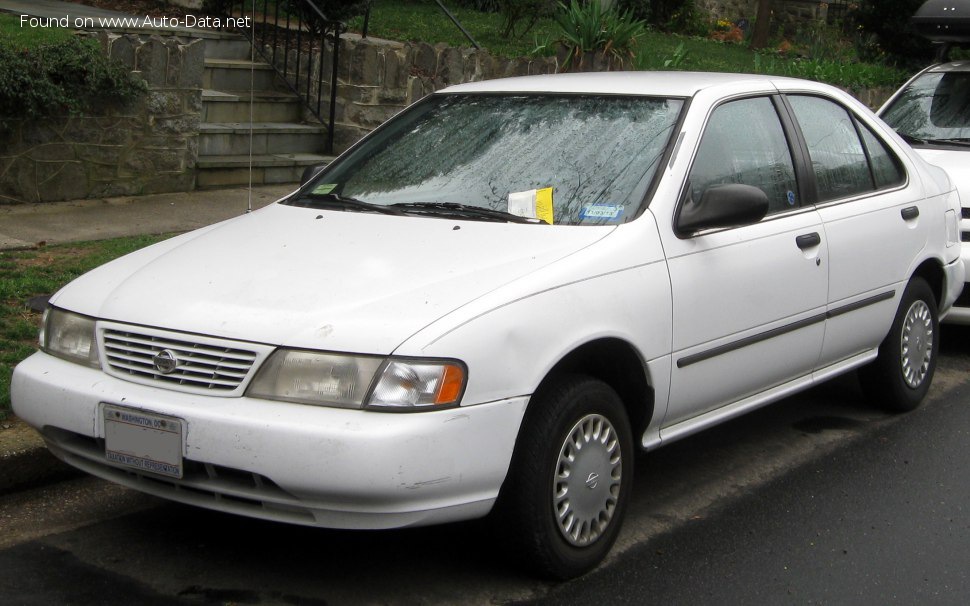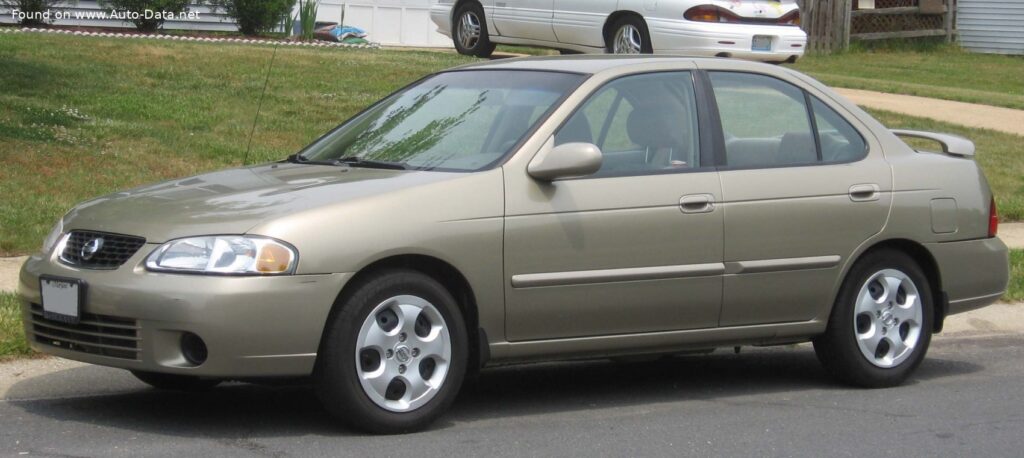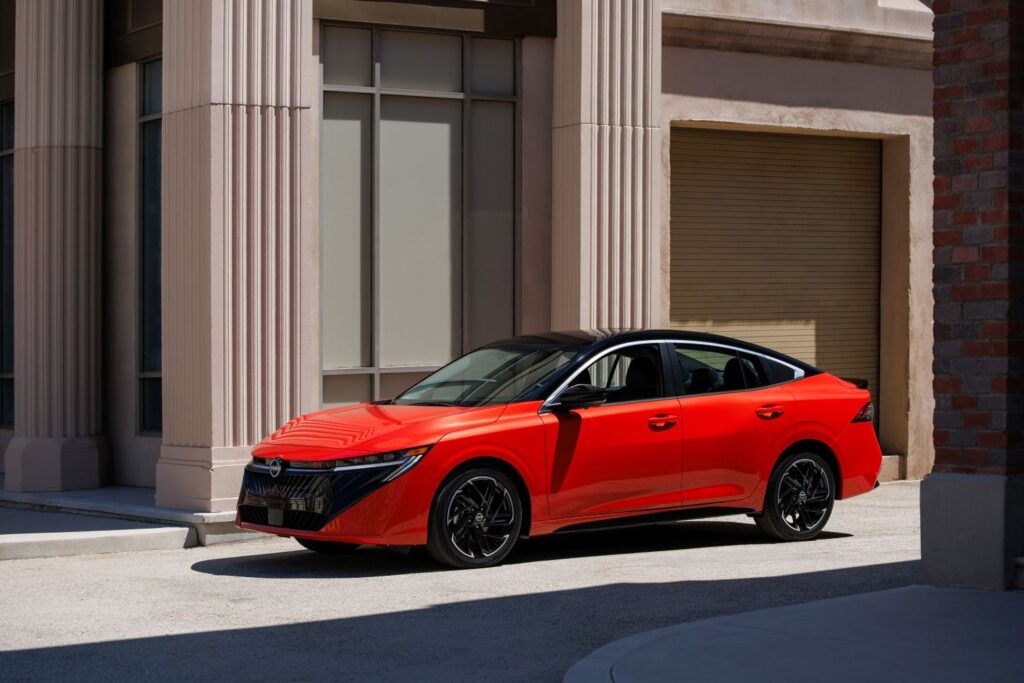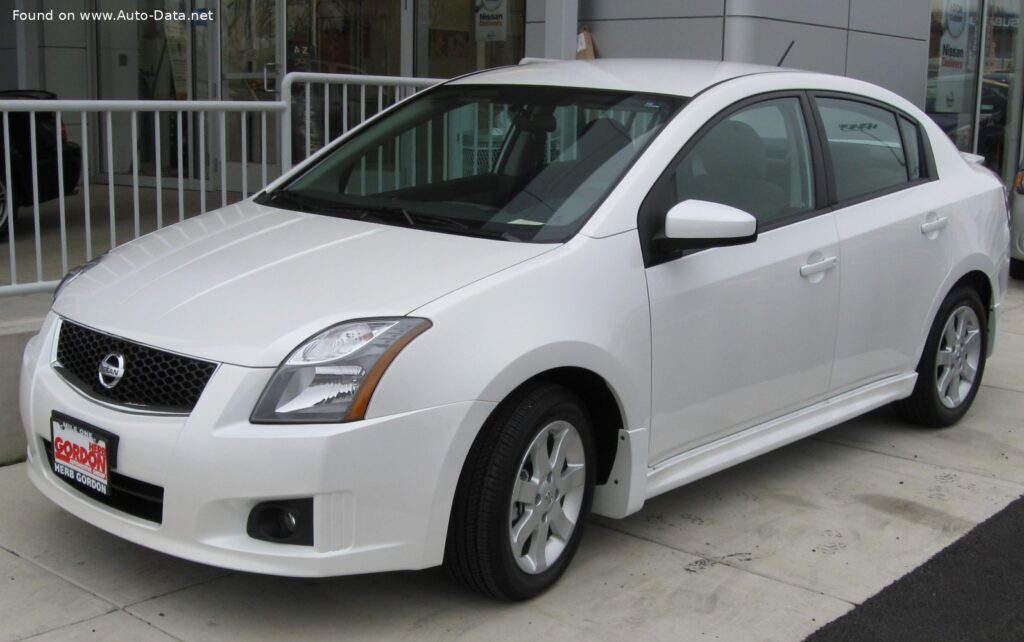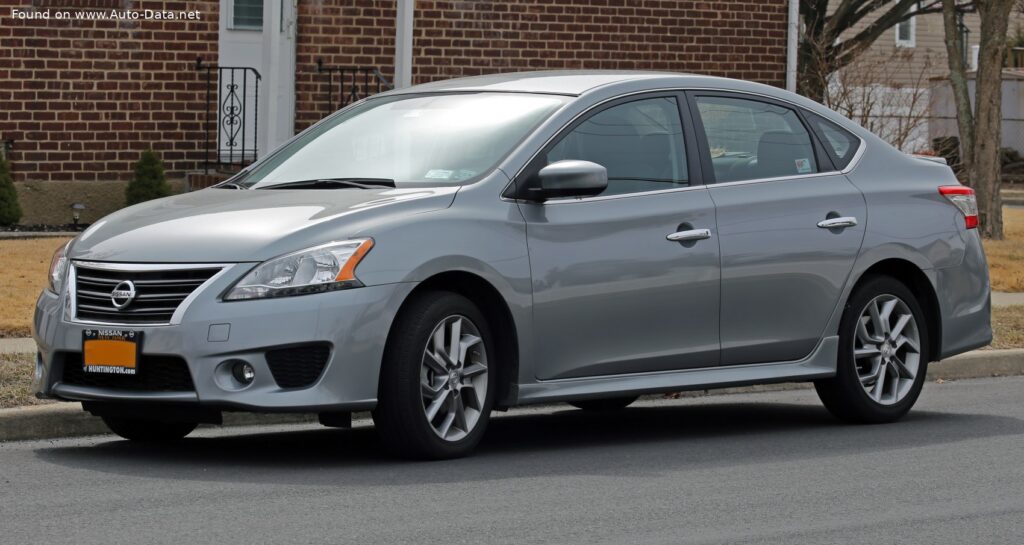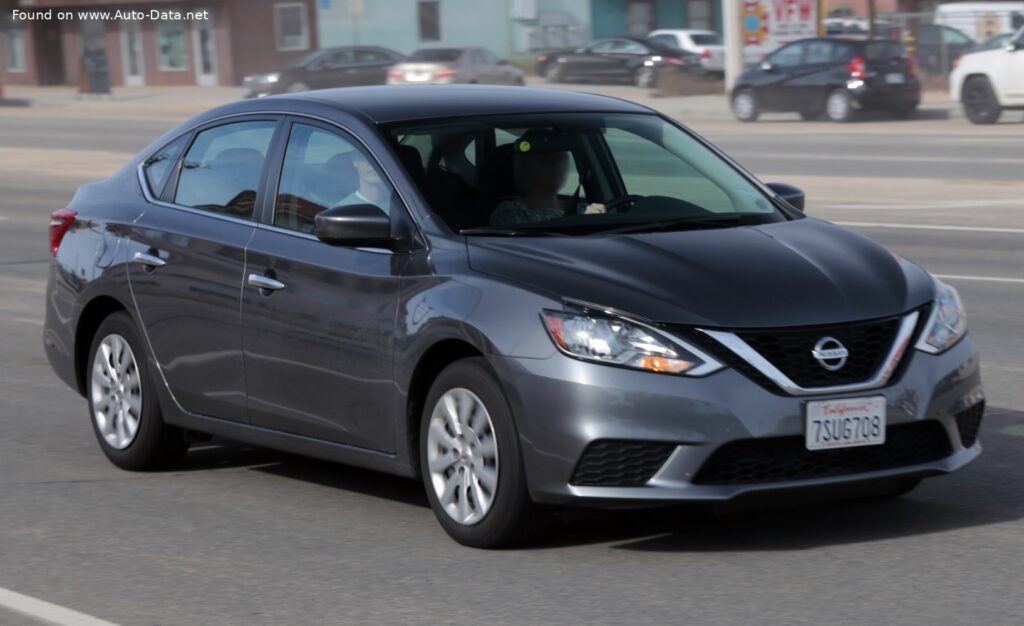
The Nissan Sentra SR 1.6 Turbo, produced from 2017 to 2019, represents a performance-oriented variant within the seventh generation (B17) of the Nissan Sentra compact sedan. This facelifted B17 model, introduced in 2016, aimed to inject more excitement into the Sentra lineup, which had previously been criticized for its conservative styling and driving experience. The SR 1.6 Turbo occupied the upper-mid-range position in the Sentra hierarchy, slotting above the base S and SV trims but below any potential special editions. It was designed to appeal to buyers seeking a more engaging driving experience and a more modern aesthetic than the standard Sentra offered, while remaining a practical and affordable family sedan.
Powertrain & Engine Architecture
The defining feature of the Sentra SR 1.6 Turbo is its MR16DDT engine. This 1.6-liter, inline-four cylinder engine utilizes direct fuel injection and a turbocharger with an intercooler to produce 188 horsepower at 6000 rpm and 177.01 lb-ft of torque between 1600 and 5200 rpm. The engine boasts a compression ratio of 10.5:1 and a dual overhead camshaft (DOHC) valvetrain with four valves per cylinder. The direct injection system contributes to improved fuel efficiency and reduced emissions. The MR16DDT engine is transversely mounted in the front of the vehicle.
While Nissan offered a Continuously Variable Transmission (CVT) as standard on most Sentra trims, the SR 1.6 Turbo was exclusively equipped with a six-speed manual transmission. This was a deliberate choice by Nissan to cater to enthusiasts who preferred a more connected driving experience. The manual transmission features relatively short throw ratios, contributing to a more sporty feel. Engine oil capacity is 4.4 liters (4.65 US quarts or 3.87 UK quarts), and the recommended oil specification should be consulted in the vehicle’s owner’s manual. The cooling system holds 8.5 liters (8.98 US quarts or 7.48 UK quarts) of coolant.
Engine Code Specifics
The MR16DDT engine code signifies a specific iteration of the MR series engines developed by Nissan. The “DDT” designation indicates Direct Direct Turbocharging. This engine shares some foundational components with other MR series engines, but the addition of the turbocharger, direct injection, and strengthened internal components (such as pistons and connecting rods) differentiate it significantly. Regular maintenance, including timely oil changes and inspection of the turbocharger system, is crucial for the longevity of this engine.
Driving Characteristics
The Sentra SR 1.6 Turbo offers a noticeably more spirited driving experience compared to the base 1.8-liter Sentra models. The turbocharger provides a significant boost in power, particularly in the mid-range, resulting in quicker acceleration and more confident passing maneuvers. The six-speed manual transmission allows for precise control over gear selection, enhancing driver engagement. While not a true sports sedan, the SR 1.6 Turbo provides a level of responsiveness that was previously lacking in the Sentra lineup.
The gear ratios are tuned to balance acceleration and fuel economy. First gear is relatively short for quick launches, while fifth and sixth gears are geared for highway cruising. The turbocharger does exhibit some lag at lower engine speeds, but the power delivery becomes smooth and linear once the boost builds. Compared to the CVT-equipped models, the manual transmission offers a more direct connection between the engine and the wheels, resulting in a more satisfying driving experience. The weight-to-power ratio of 7.3 kg/Hp contributes to the car’s respectable performance.
Equipment & Trim Levels
The SR 1.6 Turbo trim level included a number of standard features designed to enhance both comfort and style. These typically included 17-inch alloy wheels, a sport-tuned suspension, unique exterior styling cues (such as a rear spoiler and chrome exhaust tips), and upgraded interior trim. Inside, the SR 1.6 Turbo featured sport seats with enhanced bolstering, a leather-wrapped steering wheel, and a NissanConnect infotainment system with a touchscreen display. Standard safety features included anti-lock brakes (ABS), electronic stability control, and a suite of airbags.
Optional extras available for the SR 1.6 Turbo included a sunroof, premium audio system, and advanced driver-assistance features such as blind-spot monitoring and rear cross-traffic alert. The interior upholstery was typically cloth, but leather upholstery was often available as an option. The dashboard configuration was similar to other Sentra trims, but the SR model featured unique trim accents and gauge cluster graphics.
Chassis & Braking
The Sentra SR 1.6 Turbo utilizes an independent coil spring suspension in the front and a torsion beam suspension in the rear. The sport-tuned suspension, specific to the SR trim, provides a firmer ride and improved handling compared to the standard Sentra. The front brakes are ventilated discs, while the rear brakes are solid discs, providing adequate stopping power for the vehicle’s weight and performance. The steering system is an electric power steering rack and pinion, offering light and precise steering feel.
The vehicle rides on 205/50 R17 tires, mounted on 6.5J x 17 inch alloy wheels. The front and rear track widths are both 1529 mm (60.2 inches). The ride height (ground clearance) is 140 mm (5.51 inches). The braking system is assisted by ABS (Anti-lock braking system) to prevent wheel lockup during hard braking.
Market Reception & Comparison
The Sentra SR 1.6 Turbo was generally well-received by automotive critics, who praised its improved performance and more engaging driving experience. However, some reviewers noted that the interior quality still lagged behind some of its competitors. Compared to the base 1.8-liter Sentra, the SR 1.6 Turbo offered a significant performance upgrade, but it also came with a higher price tag. In terms of fuel economy, the SR 1.6 Turbo’s combined fuel consumption of 8.4 l/100 km (28 US mpg) was slightly lower than the base model, but the performance gains were considered worthwhile by many buyers.
Compared to rivals like the Honda Civic and Mazda3, the Sentra SR 1.6 Turbo offered a more affordable option with a more powerful engine, but it lacked the refinement and overall driving dynamics of those competitors. Reliability reports suggest that the MR16DDT engine is generally reliable, but regular maintenance is essential to prevent potential issues with the turbocharger and fuel injection system.
Technical Specifications
| Body Type | Sedan, 4 Doors, 5 Seats |
| Fuel Economy (Combined) | 8.4 l/100 km (28 US mpg, 33.6 UK mpg, 11.9 km/l) |
| Power | 188 Hp @ 6000 rpm |
| Torque | 240 Nm (177.01 lb.-ft.) @ 1600-5200 rpm |
| Engine Size | 1.6 l (1618 cm3 / 98.74 cu. in.) |
| Number of Cylinders | 4, Inline |
| Drivetrain | Front wheel drive |
| Transmission | 6-speed manual |
| Length | 4636 mm (182.52 in.) |
| Width | 1760 mm (69.29 in.) |
| Curb Weight | 1367 kg (3013.72 lbs.) |
| Gross Weight | 1804 kg (3977.14 lbs.) |
| Trunk Space | 428 l (15.11 cu. ft.) |
Legacy
The Nissan Sentra SR 1.6 Turbo represents a brief but significant chapter in the Sentra’s history. It was an attempt by Nissan to inject some excitement into a segment often dominated by practicality and fuel efficiency. While the model was discontinued after only two model years, it remains a popular choice among enthusiasts seeking an affordable and engaging compact sedan. The MR16DDT engine, when properly maintained, has proven to be a relatively reliable powertrain. On the used car market, the SR 1.6 Turbo commands a premium over the base Sentra models, reflecting its increased performance and desirability. Its availability with a manual transmission further enhances its appeal to driving enthusiasts.