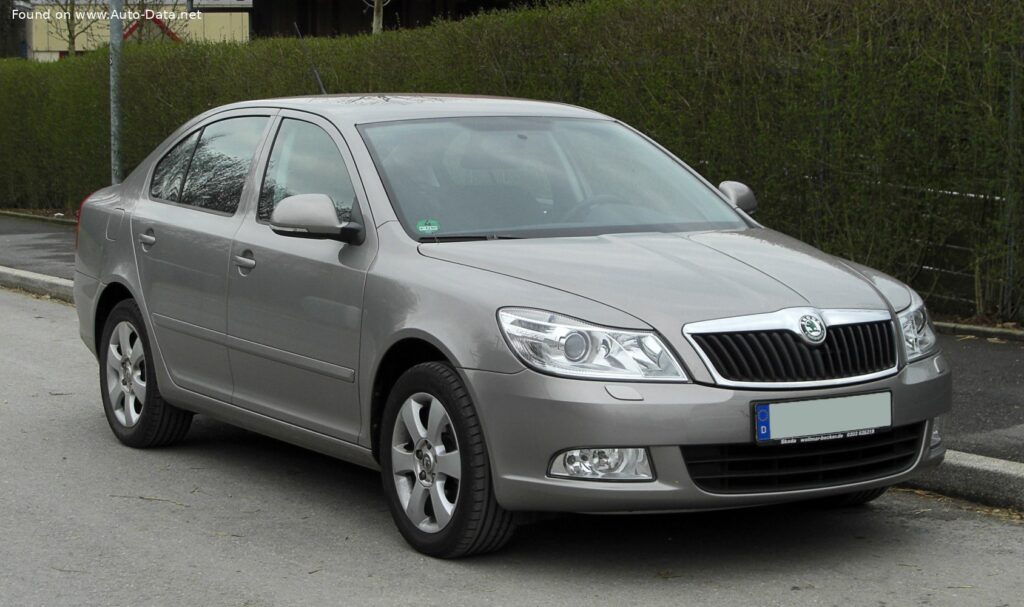
The Skoda Octavia II RS 2.0 TSI, produced from 2009 to February 2013, represented the performance-oriented variant of the facelifted second-generation Octavia (designated the 1Z chassis). Positioned as the flagship model, the RS (Rally Sport) offered a significant upgrade in power and handling compared to the standard Octavia trims. This particular version, equipped with the 2.0-liter turbocharged gasoline engine producing 200 horsepower and a six-speed Direct-Shift Gearbox (DSG) automatic transmission, aimed to deliver a blend of everyday practicality and engaging driving dynamics. It was a key offering within the Volkswagen Group’s portfolio, sharing its underpinnings with the Volkswagen Golf Mk5 and Mk6, Audi A3, and SEAT Leon.
Powertrain & Engine Architecture
The heart of the Octavia II RS 2.0 TSI is the CCZA engine code, a 1.984-liter (121.07 cubic inches) inline-four cylinder gasoline engine. This engine utilizes direct fuel injection (FSI – Fuel Stratified Injection) and is coupled with a turbocharger and intercooler to boost power output. The engine’s design incorporates a double overhead camshaft (DOHC) valvetrain with four valves per cylinder, optimizing airflow for increased performance. The CCZA engine is known for its responsiveness and relatively high specific output – 100.8 horsepower per liter.
The six-speed DSG transmission is a crucial component of this variant. This dual-clutch transmission offers both fully automatic operation and the ability for the driver to manually shift gears via the gear selector or steering wheel-mounted paddles. The DSG provides quicker and smoother gear changes compared to a traditional automatic transmission, contributing to improved acceleration and fuel efficiency. The transmission’s gear ratios are tuned to maximize the engine’s torque delivery, providing strong acceleration in both everyday driving and more spirited situations.
Fuel Injection and Turbocharging
The direct injection system precisely meters fuel directly into the combustion chamber, improving combustion efficiency and reducing emissions. The turbocharger, a BorgWarner unit in many applications, forces more air into the engine, increasing power output. The intercooler cools the compressed air from the turbocharger, further enhancing density and performance. The engine management system carefully controls the turbocharger’s boost pressure and fuel injection timing to optimize power and efficiency across the engine’s operating range.
Driving Characteristics
The Octavia II RS 2.0 TSI with the DSG transmission delivers a noticeably more engaging driving experience than the standard Octavia models. Acceleration from 0 to 62 mph (0-100 km/h) takes approximately 7.5 seconds, and the car boasts a top speed of 147.89 mph (238 km/h). The DSG transmission contributes to this performance by providing rapid and seamless gear changes, minimizing power interruption during acceleration. While not as raw or visceral as a manual transmission, the DSG offers a good balance of convenience and performance.
Compared to the lower-powered Octavia variants, the RS 2.0 TSI offers significantly more torque, making it feel more responsive and capable in overtaking maneuvers. The engine pulls strongly from low RPMs, and the turbocharger provides a noticeable boost in power as the engine revs climb. The suspension, which is typically firmer and lower than that of the standard Octavia, contributes to improved handling and reduced body roll. However, this can also result in a slightly harsher ride quality, particularly on rough road surfaces.
Equipment & Trim Levels
The Octavia II RS 2.0 TSI came standard with a comprehensive list of features, reflecting its position as the top-of-the-line model. Standard equipment typically included sport seats upholstered in fabric or optional leather, a multi-function steering wheel, air conditioning (climate control was often an option), an upgraded audio system, and alloy wheels. Exterior styling cues included a unique front bumper with fog lights, side skirts, a rear spoiler, and dual exhaust outlets.
Optional extras included features such as a sunroof, leather upholstery, parking sensors, a navigation system, and xenon headlights. The interior trim was generally dark-themed, with accents in red stitching or aluminum trim to emphasize the sporty character of the RS model. The dashboard layout was similar to other Octavia II models, but with unique RS-specific badging and instrumentation.
Chassis & Braking
The Octavia II RS 2.0 TSI features an independent McPherson strut front suspension with a coil spring and anti-roll bar. The rear suspension utilizes a torsion beam setup with a transverse stabilizer. This suspension configuration provides a good balance of handling and ride comfort, although it is firmer than the suspension found in the standard Octavia models. The RS also typically sits lower to the ground than other Octavia variants, further improving handling and stability.
Braking duties are handled by ventilated discs at the front and solid discs at the rear. The braking system is equipped with ABS (Anti-lock Braking System) as standard, enhancing safety and control during emergency braking situations. The RS model often featured larger brake rotors and calipers compared to the standard Octavia, providing improved stopping power.
Market Reception & Comparison
The Octavia II RS 2.0 TSI was generally well-received by automotive critics, who praised its performance, handling, and practicality. It was often seen as a compelling alternative to more expensive hot hatchbacks, offering a similar level of performance at a more affordable price point. Fuel economy was considered reasonable for a performance-oriented vehicle, with combined fuel consumption figures around 30.5 US mpg (36.7 UK mpg).
Compared to the standard Octavia 1.8 TSI models, the RS 2.0 TSI offered a significant performance advantage, with considerably more power and torque. While the 1.8 TSI models prioritized fuel efficiency and affordability, the RS 2.0 TSI catered to drivers seeking a more engaging and sporty driving experience. Reliability was generally good, although some owners have reported issues with the DSG transmission, particularly early units. Regular maintenance and fluid changes are crucial for ensuring the long-term reliability of the DSG.
Technical Specifications
| Brand | Skoda |
| Model | Octavia |
| Generation | Octavia II (facelift 2009) |
| Type (Engine) | RS 2.0 TSI (200 Hp) DSG |
| Start of production | 2009 |
| End of production | February, 2013 |
| Fuel consumption (urban) | 10.4 l/100 km (22.6 US mpg) |
| Fuel consumption (extra urban) | 6.2 l/100 km (37.9 US mpg) |
| Fuel consumption (combined) | 7.7 l/100 km (30.5 US mpg) |
| Fuel Type | Petrol (Gasoline) |
| Acceleration 0 – 100 km/h | 7.5 sec |
| Acceleration 0 – 62 mph | 7.5 sec |
| Maximum speed | 238 km/h (147.89 mph) |
| Power | 200 Hp @ 5100 rpm |
| Torque | 280 Nm @ 1800 rpm (206.52 lb.-ft. @ 1800 rpm) |
| Engine Displacement | 1984 cm3 (121.07 cu. in.) |
| Engine Code | CCZA |
| Kerb Weight | 1380-1470 kg (3042.38 – 3240.8 lbs.) |
| Trunk (boot) space (minimum) | 585 l (20.66 cu. ft.) |
| Trunk (boot) space (maximum) | 1455 l (51.38 cu. ft.) |
| Fuel tank capacity | 55 l (14.53 US gal) |
| Length | 4569 mm (179.88 in.) |
| Width | 1769 mm (69.65 in.) |
| Height | 1462 mm (57.56 in.) |
| Number of gears | 6 |
| Gearbox type | Automatic transmission (DSG) |
Legacy
The Skoda Octavia II RS 2.0 TSI remains a popular choice in the used car market, appreciated for its blend of performance, practicality, and affordability. The CCZA engine, while generally reliable, requires regular maintenance, particularly regarding oil changes and timing belt replacement. The DSG transmission, while offering smooth and quick gear changes, can be prone to issues if not properly maintained. Despite these potential concerns, the Octavia II RS 2.0 TSI continues to be a well-regarded performance car, offering a compelling alternative to more expensive rivals. Its enduring appeal lies in its ability to provide a genuinely enjoyable driving experience without sacrificing the everyday usability that made the Octavia such a successful model.