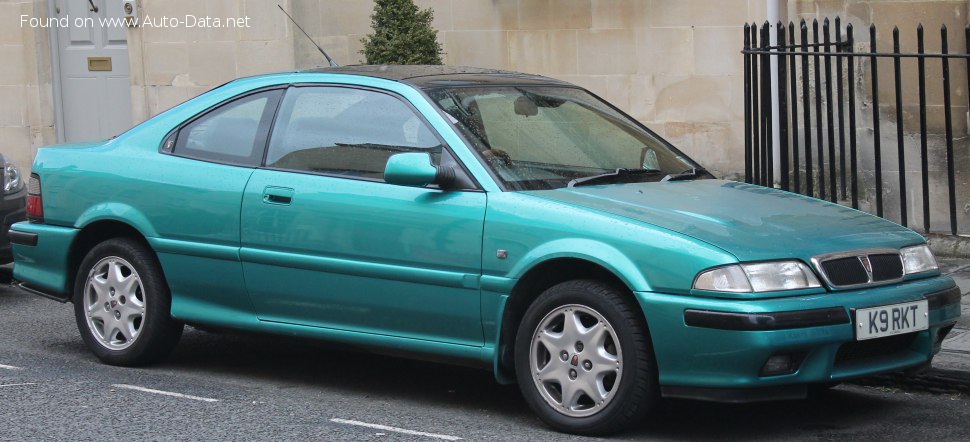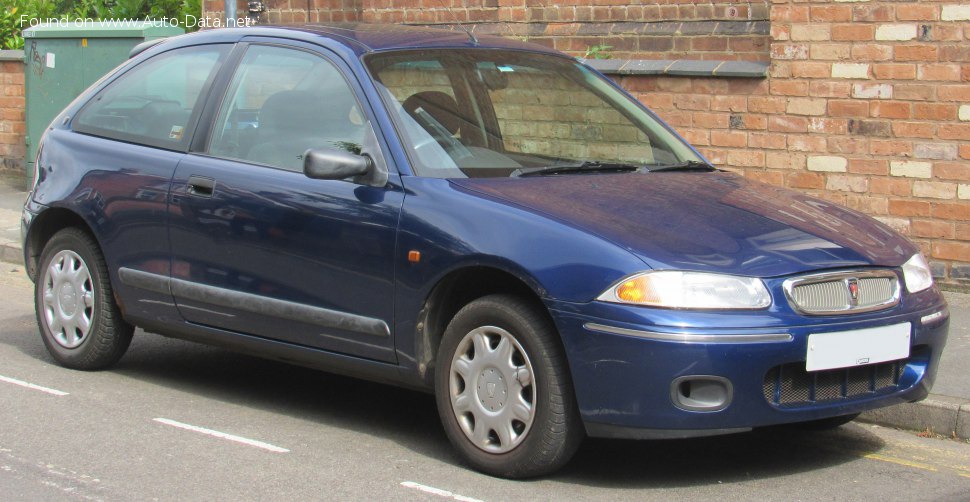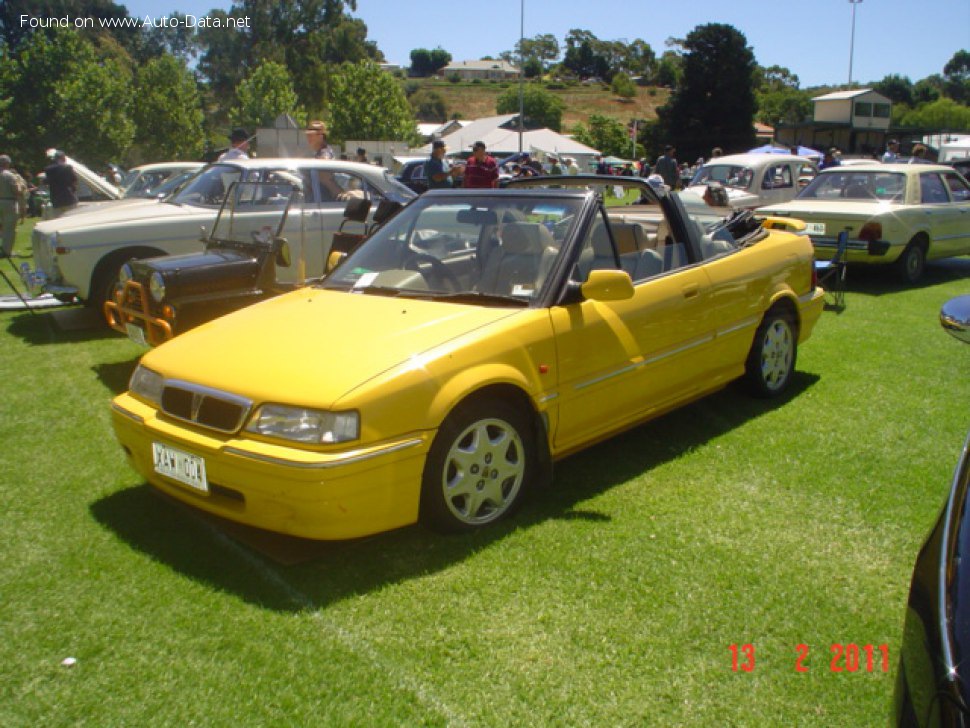
The Rover 200 Cabrio (XW) 214i, produced between 1993 and 2000, represented a significant offering in the compact convertible market. This variant, powered by a 1.4-liter, 103 horsepower engine, occupied a mid-range position within the 200 Cabrio lineup, offering a balance between affordability and reasonable performance. It was built upon the Rover 200/400 platform (XW), which was itself derived from the Honda Concerto, a result of the British Leyland/Honda partnership of the 1980s. The 214i Cabrio aimed to provide open-top motoring to a broader audience than the more expensive and performance-focused models.
The 1.4L 214i: Positioning and Target Audience
The 214i Cabrio was positioned as the entry-level convertible in the Rover 200 range. Above it sat the 216 Cabrio, boasting a larger 1.6-liter engine with increased power. While the 216 offered more spirited performance, the 214i appealed to buyers prioritizing fuel economy, lower insurance costs, and a more relaxed driving experience. The target demographic was typically young professionals, couples, or individuals seeking a stylish and affordable way to enjoy open-air driving. It was marketed as a fashionable and accessible alternative to more expensive European convertibles.
Powertrain & Engine Architecture
The heart of the 214i Cabrio was the Rover K-Series engine, specifically the 1.4-liter (1396 cc) inline-four cylinder unit. This engine, designated with various codes depending on the year of manufacture, was known for its relatively lightweight construction and good fuel efficiency. The engine featured a multi-port fuel injection system, delivering fuel directly into the intake ports, and a double overhead camshaft (DOHC) valvetrain operating four valves per cylinder. This configuration contributed to the engine’s respectable power output for its displacement. The compression ratio was set at 9.5:1. The engine produced 103 hp at 6000 rpm and 127 Nm (93.67 lb-ft) of torque at 5000 rpm.
The 214i Cabrio was primarily equipped with a five-speed manual transmission. However, a four-speed automatic transmission was also offered, though less common. The automatic gearbox, while providing convenience, did impact acceleration and fuel economy compared to the manual version. The transmission was front-wheel drive, as with all Rover 200 Cabrio models.
K-Series Engine Considerations
The Rover K-Series engine, while generally reliable, became known for potential head gasket failures, particularly in later iterations and when subjected to overheating. Proper cooling system maintenance – including regular coolant changes and inspection of the radiator and hoses – was crucial for longevity. The 1.4-liter version was generally considered less prone to these issues than the larger 1.6 and 1.8-liter variants, but vigilance remained important.
Driving Characteristics
The 214i Cabrio, with its 103 horsepower and relatively light weight (approximately 1075 kg or 2369.97 lbs), offered adequate performance for everyday driving. Acceleration from 0 to 60 mph took around 10.9 seconds, and 0-100 km/h in 11.5 seconds. Top speed was approximately 113 mph (182 km/h). The engine felt responsive at lower and mid-range revs, making it suitable for urban driving and cruising. However, it lacked the outright punch of the 216 Cabrio, especially when fully loaded with passengers and luggage. The automatic transmission, when equipped, resulted in slightly slower acceleration and a less engaging driving experience. The power-to-weight ratio was 95.8 hp per tonne, and the torque-to-weight ratio was 118.1 Nm per tonne.
Equipment & Trim Levels
The 214i Cabrio came reasonably well-equipped as standard. Interior features typically included cloth upholstery, a basic stereo system, and power steering. The dashboard layout was functional and straightforward, reflecting the car’s price point. Optional extras included leather upholstery, alloy wheels, a more sophisticated stereo system, and electric windows. Trim levels varied slightly depending on the year of manufacture, but generally offered incremental upgrades in terms of interior appointments and exterior styling. The convertible top was manually operated, adding to the car’s simplicity and reducing weight.
Chassis & Braking
The Rover 200 Cabrio utilized a front-wheel-drive chassis with independent wishbone suspension at the front and a coil spring rear suspension. This setup provided a comfortable ride, although handling was not as sharp as some contemporary rivals. The front brakes were discs, providing adequate stopping power, while the rear brakes were drums. Anti-lock Braking System (ABS) was available as an option, enhancing safety. The steering was rack and pinion with hydraulic power assistance, offering a light and easy driving experience. Tire size was typically 175/65 R14 H.
Market Reception & Comparison
The Rover 200 Cabrio 214i received generally positive reviews, particularly for its stylish design and affordable price. Critics praised its comfortable ride and reasonable fuel economy (7.2 l/100 km combined, 32.7 US mpg, 39.2 UK mpg). However, some reviewers noted the engine’s lack of outright power and the somewhat dated interior design. Compared to the 216 Cabrio, the 214i offered a more economical option, but at the expense of performance. Compared to other convertibles in its class, such as the Mazda MX-5, the Rover 200 Cabrio offered more practicality with its four-seat configuration, but lacked the MX-5’s sporty handling characteristics.
Technical Specifications
| Engine Type | Inline-4, Petrol |
| Engine Displacement | 1396 cc (85.19 cu in) |
| Engine Code | Various (depending on year) |
| Power Output | 103 hp @ 6000 rpm |
| Torque Output | 127 Nm (93.67 lb-ft) @ 5000 rpm |
| Compression Ratio | 9.5:1 |
| Fuel Injection | Multi-port |
| Valvetrain | DOHC, 4 valves per cylinder |
| Transmission | 5-speed manual or 4-speed automatic |
| Drive Type | Front-wheel drive |
| Kerb Weight | 1075 kg (2369.97 lbs) |
| Maximum Weight | 1550 kg (3417.17 lbs) |
| Fuel Tank Capacity | 55 liters (14.53 US gal) |
| 0-60 mph | 10.9 sec (estimated) |
| 0-100 km/h | 11.5 sec |
| Top Speed | 182 km/h (113.09 mph) |
| Fuel Consumption (Combined) | 7.2 l/100 km (32.7 US mpg) |
| Length | 4220 mm (166.14 in) |
| Width | 1680 mm (66.14 in) |
| Height | 1390 mm (54.72 in) |
Legacy
The Rover 200 Cabrio 214i remains a relatively affordable and stylish classic car. While the K-Series engine requires careful maintenance to avoid head gasket issues, the 1.4-liter version is generally considered more reliable than its larger counterparts. In the used car market, these cars are sought after by enthusiasts and those looking for a distinctive and affordable convertible. Parts availability can be a challenge, but a dedicated Rover enthusiast community exists to provide support and sourcing assistance. The 214i Cabrio represents a unique chapter in British automotive history, blending Honda engineering with Rover’s distinctive styling and offering a taste of open-top motoring to a wider audience.