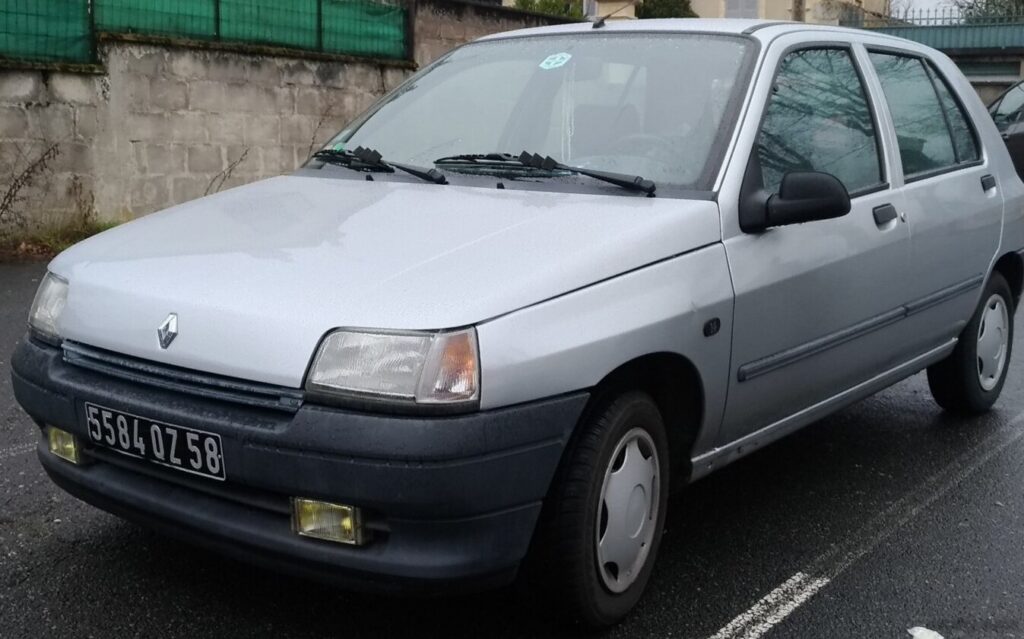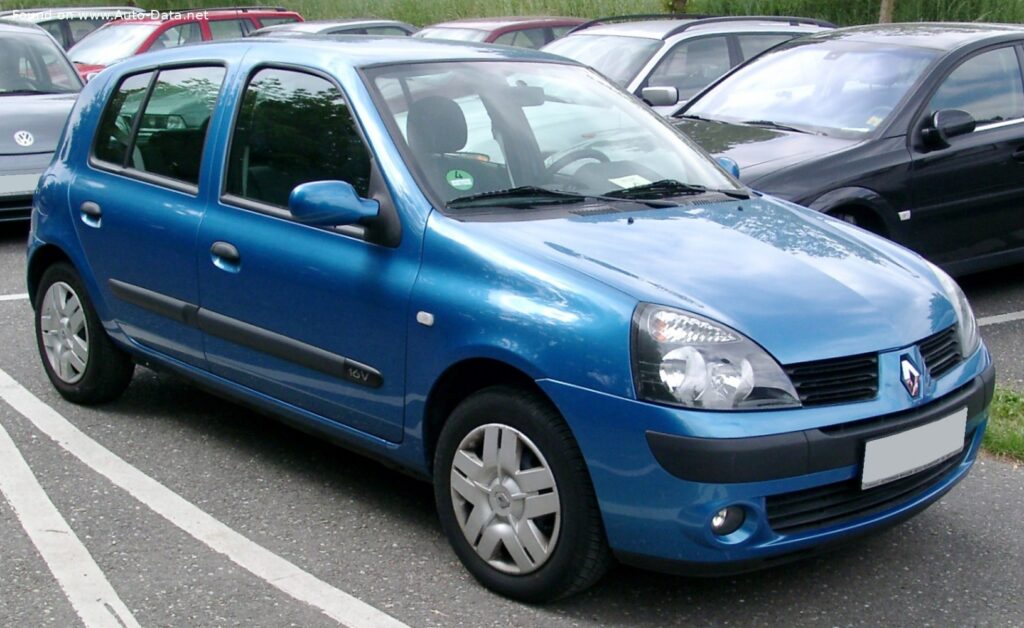
The Renault Clio II Phase III, produced from 2003 to 2006, represented a significant refresh of Renault’s popular supermini. Within the Phase III range, the 5-door 1.4 16V model, producing 98 horsepower, occupied a crucial position as a mainstream offering. It was designed to appeal to a broad customer base seeking a practical, economical, and relatively affordable hatchback. This variant sat between the base 1.2L engine options and the sportier, higher-performance versions like the Clio Renault Sport.
The 1.4 16V Clio II: A Mainstream Choice
The 1.4 16V engine was a mainstay of the Clio II Phase III lineup. It provided a balance between performance and fuel efficiency, making it a popular choice for everyday driving. The “16V” designation refers to the four valves per cylinder, a design intended to improve breathing and increase power output compared to older two-valve designs. This particular trim level was aimed at buyers who needed a versatile, five-door hatchback for commuting, family use, or general transportation, without prioritizing outright speed or luxury.
Powertrain & Engine Architecture
The heart of this Clio variant is the Renault K4J engine, a 1.390-liter (84.82 cubic inches) inline-four cylinder gasoline engine. This engine utilizes a multi-port fuel injection system, delivering fuel directly into the intake ports just before the intake valves. The engine features a double overhead camshaft (DOHC) valvetrain, further enhancing its breathing efficiency. The compression ratio is set at 10:1. The K4J engine is known for its relative simplicity and durability, though it is not without its potential maintenance needs, such as occasional issues with the throttle body and ignition coils.
The 1.4 16V engine was typically paired with a five-speed manual transmission, however, an optional four-speed automatic transmission was available, and is the focus of this article. This automatic transmission, while providing convenience, was not known for its particularly sporty or efficient operation. It featured traditional hydraulic control and torque converter technology. Gear ratios were geared towards fuel economy and smooth operation rather than rapid acceleration. First gear was relatively short for easy take-off, while higher gears were spaced to maintain reasonable engine speeds at highway cruising.
Driving Characteristics
The 1.4 16V automatic Clio II offered a comfortable, if not particularly exhilarating, driving experience. With 98 hp and 93.67 lb-ft of torque, acceleration from 0-62 mph took approximately 10.5 seconds. This placed it firmly in the slower end of the supermini spectrum, especially when compared to the more powerful versions of the Clio II or its competitors. The automatic transmission contributed to this, as it inherently loses some power to the torque converter and doesn’t allow the engine to operate at its most efficient RPM range.
The gear changes were generally smooth, but could feel somewhat sluggish, particularly during quick overtaking maneuvers. The engine itself was reasonably refined for its size, but could become noisy under heavy load. Handling was typical of a front-wheel-drive hatchback – safe and predictable, but not particularly engaging. The suspension was tuned for comfort, absorbing bumps and imperfections in the road reasonably well. The automatic transmission did not offer any manual shift modes or sport settings.
Equipment & Trim Levels
The 1.4 16V Clio II Phase III typically came equipped with a reasonable level of standard features. These included power steering, central locking, electric front windows, and an adjustable steering column. Safety features included ABS (Anti-lock Braking System) and driver and passenger airbags. Interior upholstery was typically cloth, with a relatively simple dashboard layout.
Optional extras included air conditioning, alloy wheels, a CD player, and rear electric windows. Higher trim levels, such as the “Expression” or “Dynamique” variants, added more features as standard, such as upgraded upholstery, a trip computer, and body-colored bumpers. The base trim level was fairly spartan, focusing on providing essential transportation at an affordable price.
Chassis & Braking
The Clio II Phase III utilized a McPherson strut independent suspension system at the front, providing a good balance of comfort and handling. The rear suspension employed a semi-independent beam axle with a stabilizer bar, which helped to reduce body roll during cornering. The front brakes were disc brakes, providing adequate stopping power, while the rear brakes were drum brakes, a cost-saving measure common in this class of vehicle. The hydraulic power steering provided light and easy steering, making it well-suited for urban driving. Tire sizes typically ranged from 175/65 R14 to 185/55 R15, depending on the trim level.
Market Reception & Comparison
The 1.4 16V Clio II Phase III was generally well-received by automotive critics as a practical and affordable supermini. It was praised for its fuel efficiency (around 35.1 US mpg combined), its comfortable ride, and its relatively spacious interior. However, it was also criticized for its lack of performance, particularly when equipped with the automatic transmission. Compared to the more powerful Clio variants, such as the 1.6 16V or the Renault Sport models, the 1.4 16V felt noticeably slower.
In terms of reliability, the K4J engine was generally considered to be reasonably reliable, but it was not without its potential issues. The automatic transmission, however, was sometimes reported to be less durable than the manual gearbox. Fuel economy was competitive with other superminis in its class, such as the Ford Fiesta and the Volkswagen Polo.
Technical Specifications
| Engine Type | Inline-4, Gasoline |
| Engine Displacement | 1390 cc (84.82 cu in) |
| Engine Code | K4J |
| Power Output | 98 hp @ 6000 rpm |
| Torque Output | 127 Nm (93.67 lb-ft) @ 3750 rpm |
| Fuel Injection | Multi-port Fuel Injection |
| Valvetrain | DOHC (Double Overhead Camshaft) |
| Compression Ratio | 10:1 |
| Transmission | 4-speed Automatic |
| Drive Wheels | Front Wheel Drive |
| Acceleration 0-62 mph | 10.5 seconds |
| Maximum Speed | 185 km/h (114.95 mph) |
| Fuel Consumption (Combined) | 6.7 l/100 km (35.1 US mpg) |
| CO2 Emissions | 160 g/km |
| Kerb Weight | 1000 kg (2204.62 lbs) |
| Fuel Tank Capacity | 50 liters (13.21 US gal) |
Legacy
Today, the Renault Clio II Phase III 1.4 16V automatic is a relatively common sight on the used car market. Its affordability and practicality continue to make it an appealing option for budget-conscious buyers. However, potential buyers should be aware of the potential for age-related issues, such as worn suspension components, corrosion, and potential problems with the automatic transmission. The K4J engine, while generally reliable, may require some maintenance due to its age. Despite its age, the Clio II remains a popular choice for those seeking a simple, economical, and reliable supermini.