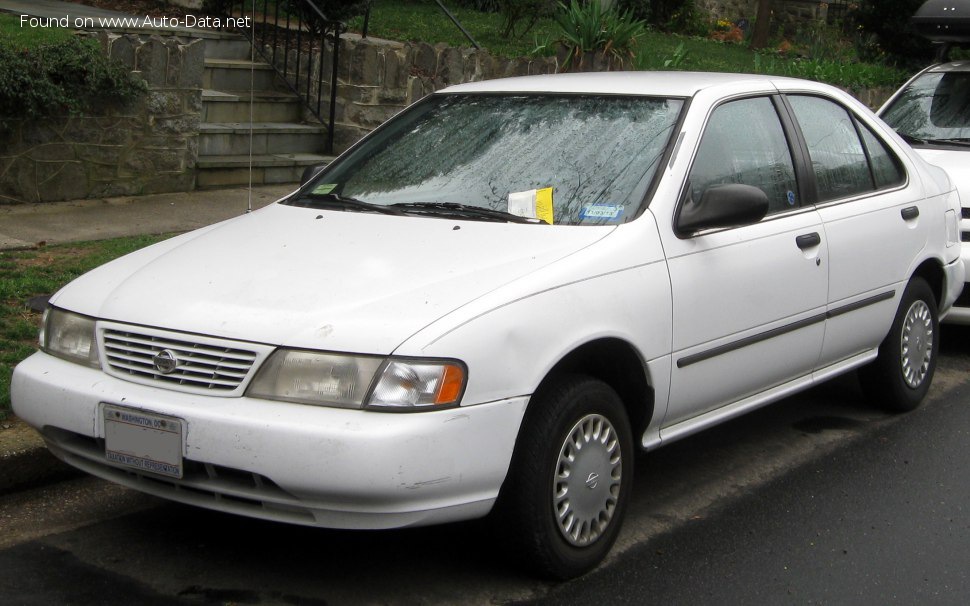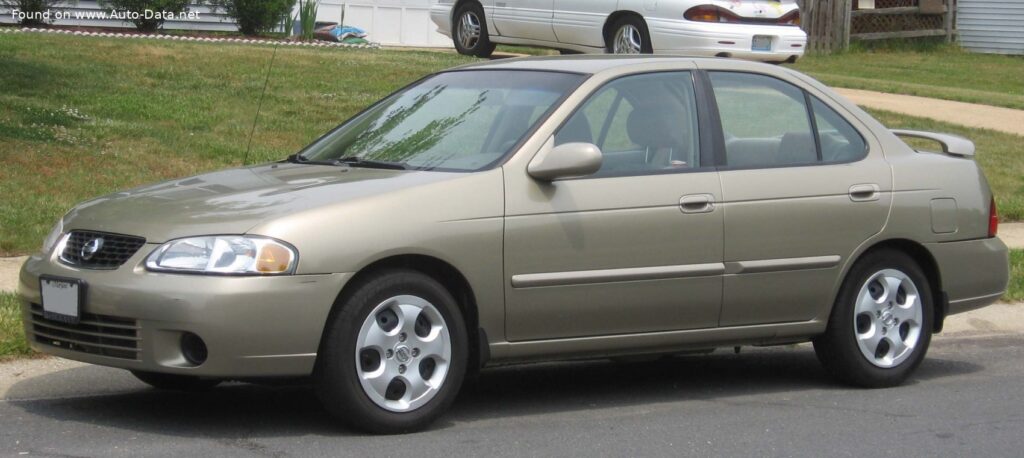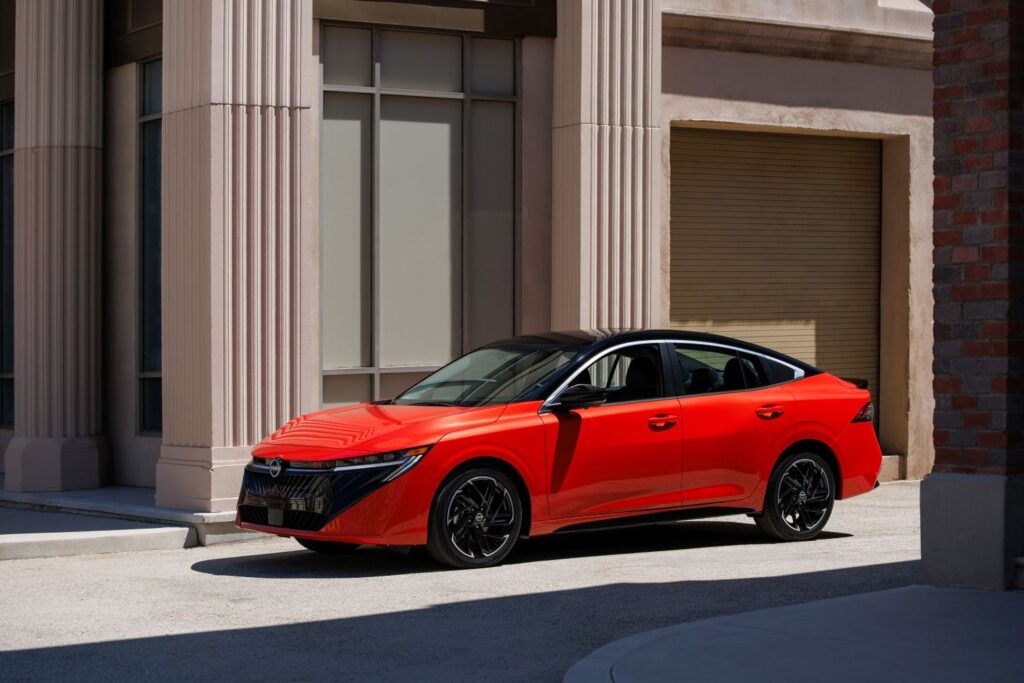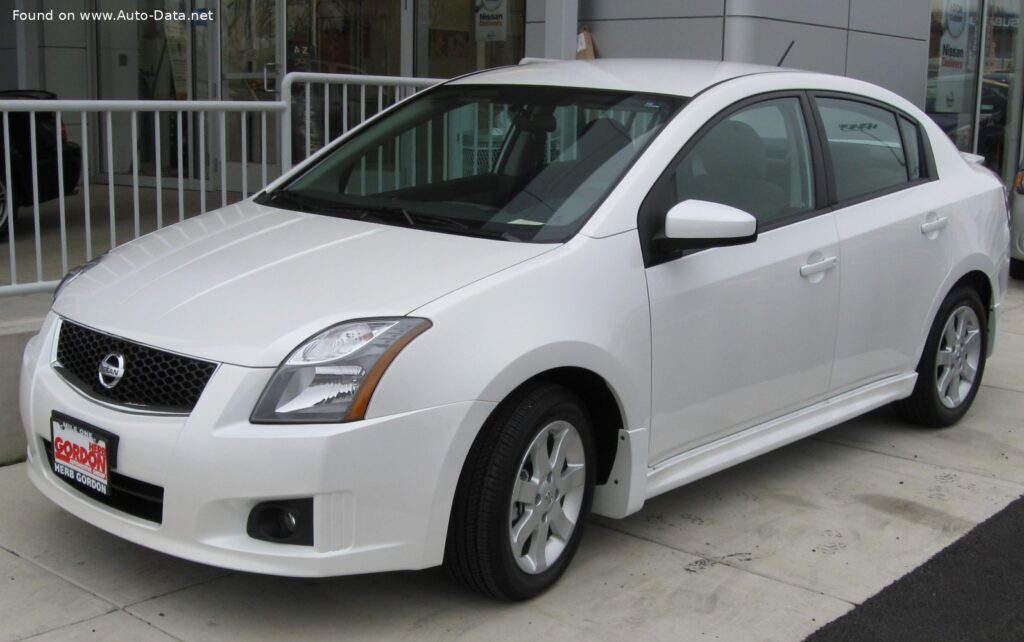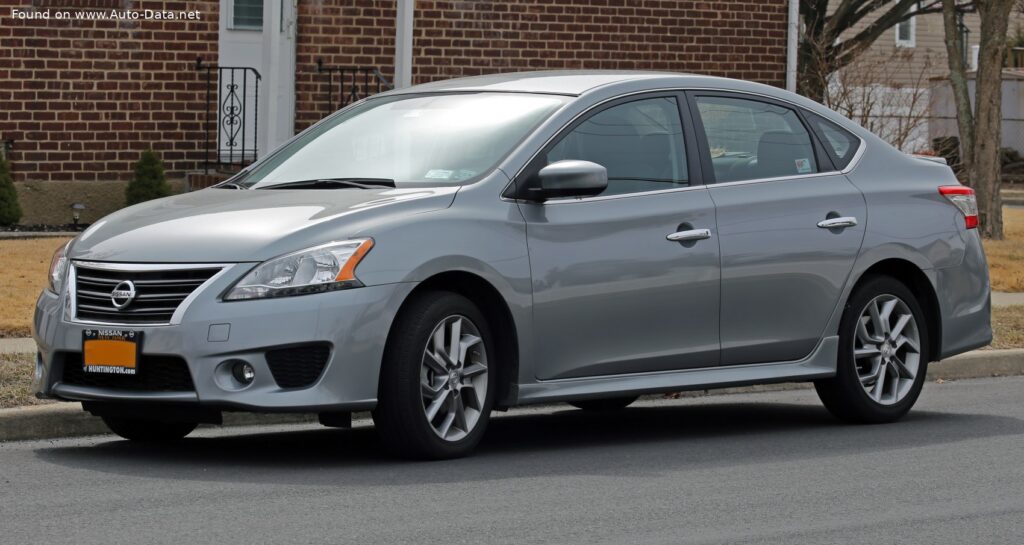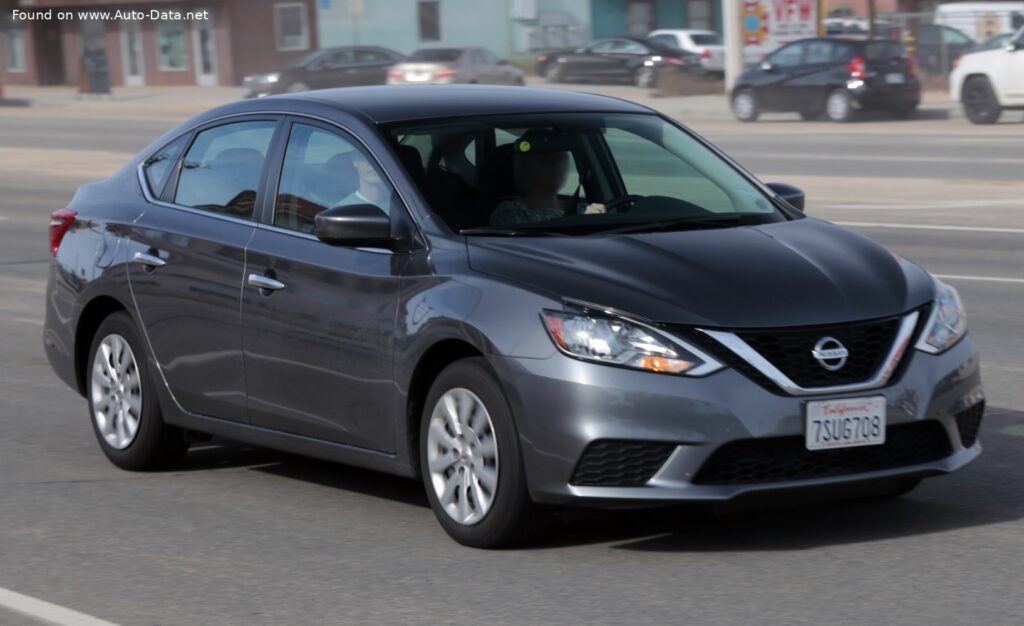
The Nissan Sentra VII, specifically the SR 1.6 Turbo (188 hp) equipped with the Xtronic continuously variable transmission (CVT), represented a significant step up in performance and features for the compact sedan when it was introduced for the 2017 model year. This variant was part of the B17 generation of the Sentra, a facelift of the original B17 released in 2016, and continued through the 2019 model year. Positioned as the near-top trim level, the SR 1.6 Turbo aimed to attract buyers seeking a more engaging driving experience and a more modern aesthetic than the base Sentra models.
Nissan Sentra B17 SR 1.6 Turbo: An Overview
The B17 Sentra, and particularly the SR 1.6 Turbo, was designed to address criticisms leveled at previous generations regarding bland styling and uninspired performance. Nissan sought to modernize the Sentra’s image and appeal to a younger demographic. The SR trim, combined with the turbocharged engine and CVT, offered a compelling package within the competitive compact car segment. It slotted above the base S and SV trims, offering more standard equipment and a sportier character, but below any potential special editions or higher-performance packages (which were not offered for this generation).
Powertrain & Engine Architecture
The heart of the SR 1.6 Turbo is the MR16DDT 1.6-liter inline-four cylinder engine. This engine is a key differentiator for the SR trim, as lower Sentra models utilized a naturally aspirated 1.8-liter engine. The MR16DDT utilizes direct fuel injection and a turbocharger with an intercooler to produce 188 horsepower at 6000 rpm and 177 lb-ft of torque between 1600-5200 rpm. The engine features a double overhead camshaft (DOHC) valvetrain with four valves per cylinder, contributing to its relatively high specific output of 116.2 hp per liter.
The engine’s turbocharging system is designed for quick spool-up and minimal turbo lag, providing a broad torque curve suitable for everyday driving. The direct injection system optimizes fuel delivery and combustion efficiency. The Xtronic CVT, while not a traditional geared transmission, is programmed to simulate gear changes and offers manual shift modes for drivers who prefer more control. The CVT’s continuously variable ratios allow the engine to operate within its optimal power band, maximizing efficiency and responsiveness.
Driving Characteristics
The SR 1.6 Turbo offers a noticeably more spirited driving experience compared to the base Sentra models. The increased horsepower and torque, combined with the CVT’s ability to keep the engine in its powerband, result in quicker acceleration and more confident passing maneuvers. While the CVT doesn’t provide the immediate response of a traditional automatic transmission, it is generally smooth and efficient. The simulated gear changes in manual mode offer a degree of driver engagement, though they don’t replicate the feel of a conventional gearbox.
The SR trim also benefits from a slightly sport-tuned suspension, which provides improved handling and reduced body roll compared to the standard Sentra. However, the ride quality remains comfortable enough for daily commuting. The steering is light and precise, making the car easy to maneuver in urban environments. The weight-to-power ratio of 7.4 kg/hp contributes to the car’s respectable acceleration, while the weight-to-torque ratio of 5.8 kg/Nm provides good responsiveness at lower speeds.
Equipment & Trim Levels
The SR trim level came standard with a number of features designed to enhance both comfort and convenience. These typically included 17-inch alloy wheels, a sport-tuned suspension, keyless entry with push-button start, NissanConnect with a 7-inch touchscreen display, Bluetooth connectivity, and a rearview camera. Interior appointments included sport seats with premium cloth upholstery and unique trim accents.
Optional extras available for the SR 1.6 Turbo included a Bose premium audio system, navigation, and various driver-assistance features such as blind-spot monitoring and rear cross-traffic alert. The SR trim also offered a range of exterior color options and styling packages, allowing buyers to personalize their vehicle.
Chassis & Braking
The Sentra B17 SR 1.6 Turbo utilizes an independent coil spring suspension in the front and a torsion beam suspension in the rear. This configuration provides a balance between ride comfort and handling performance. The front brakes are ventilated discs, providing ample stopping power, while the rear brakes are solid discs. The SR trim typically included anti-lock braking system (ABS) as standard equipment. The steering system is an electric power steering rack and pinion, offering light and precise steering feel. The vehicle rides on 205/50 R17 tires, providing good grip and handling characteristics.
Market Reception & Comparison
Critics generally praised the SR 1.6 Turbo for its improved performance and more engaging driving experience compared to the base Sentra models. The turbocharged engine was seen as a significant upgrade, providing a noticeable boost in power and responsiveness. However, some reviewers noted that the CVT, while efficient, lacked the refinement and responsiveness of a traditional automatic transmission.
Compared to other trims in the Sentra lineup, the SR 1.6 Turbo offered a more premium experience with its enhanced features and sportier styling. Fuel economy was comparable to the base 1.8-liter engine, with combined fuel consumption rated at 8.1 l/100 km (29 US mpg). In terms of reliability, the MR16DDT engine has generally proven to be a durable and dependable unit, although some owners have reported issues with the CVT. Compared to competitors like the Honda Civic and Toyota Corolla, the Sentra SR 1.6 Turbo offered a compelling value proposition with its combination of performance, features, and price.
Technical Specifications
| Engine Model/Code | MR16DDT |
| Engine Displacement | 1618 cm3 (98.74 cu. in.) |
| Number of Cylinders | 4, Inline |
| Cylinder Bore | 79.7 mm (3.14 in.) |
| Piston Stroke | 81.1 mm (3.19 in.) |
| Compression Ratio | 10.5:1 |
| Number of Valves per Cylinder | 4 |
| Fuel Injection System | Direct Injection |
| Engine Aspiration | Turbocharger, Intercooler |
| Maximum Power | 188 Hp @ 6000 rpm |
| Maximum Torque | 240 Nm @ 1600-5200 rpm (177.01 lb.-ft. @ 1600-5200 rpm) |
| Maximum Engine Speed | 6500 rpm |
| Engine Oil Capacity | 4.4 l (4.65 US qt | 3.87 UK qt) |
| Coolant Capacity | 8.7 l (9.19 US qt | 7.65 UK qt) |
| Kerb Weight | 1398 kg (3082.06 lbs.) |
| Max. Weight | 1840 kg (4056.51 lbs.) |
| Trunk (boot) space – minimum | 428 l (15.11 cu. ft.) |
| Fuel Tank Capacity | 50 l (13.21 US gal | 11 UK gal) |
| Length | 4636 mm (182.52 in.) |
| Width | 1760 mm (69.29 in.) |
| Height | 1499 mm (59.02 in.) |
| Wheelbase | 2700 mm (106.3 in.) |
| Transmission | Xtronic CVT |
| Front Brakes | Ventilated Discs |
| Rear Brakes | Discs |
Legacy
The Nissan Sentra B17 SR 1.6 Turbo represents a notable improvement over previous Sentra generations, offering a more engaging driving experience and a more modern aesthetic. While the CVT transmission may not appeal to all drivers, it contributes to the car’s fuel efficiency and smooth operation. The MR16DDT engine has proven to be a reliable powerplant, and the SR trim level offers a good balance of features and value. On the used car market, the SR 1.6 Turbo models tend to command a slightly higher price than the base Sentra trims, reflecting their enhanced performance and equipment. With proper maintenance, these vehicles can provide years of reliable service, making them a practical and enjoyable choice for budget-conscious buyers seeking a compact sedan with a bit of extra flair.