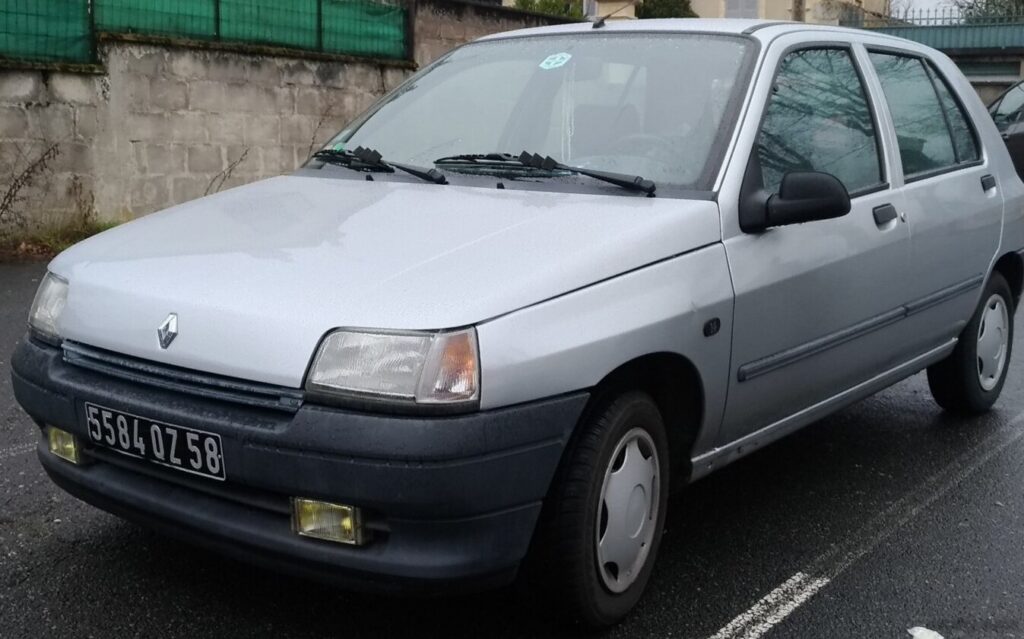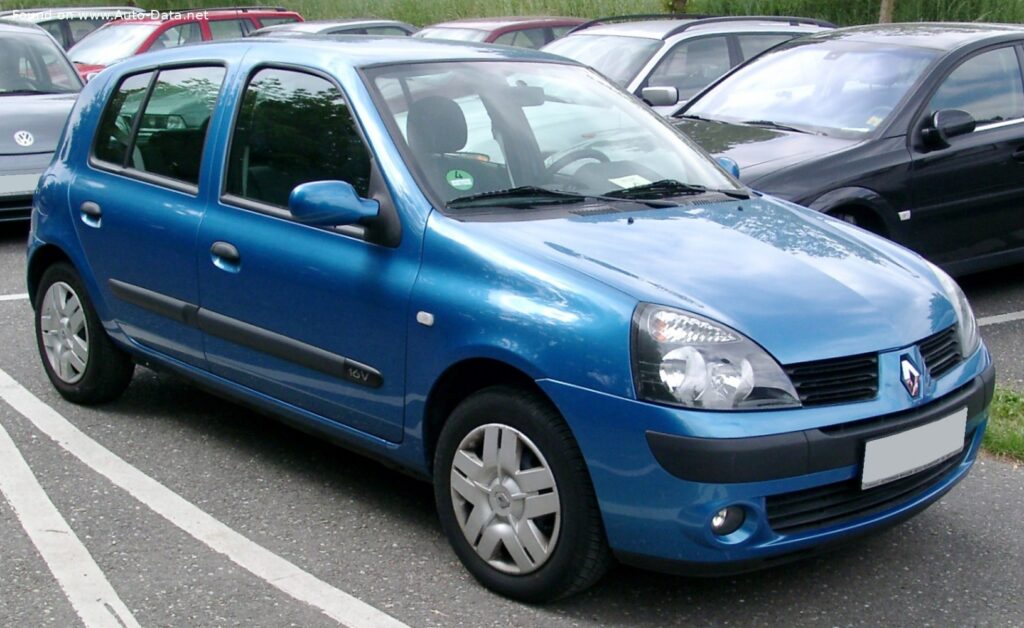
The Renault Clio II Phase III, produced from 2003 to 2006, represented a significant refresh of Renault’s popular supermini. Within this generation, the 5-door 1.4 16V variant, equipped with a 98 horsepower engine and an automatic transmission, occupied a crucial position as an accessible and practical option for buyers prioritizing ease of use over outright performance. This model aimed to provide a comfortable and convenient driving experience, particularly appealing to urban commuters and those new to driving. It was positioned as a step up from the base 1.2L engine, offering more power and refinement, but remained below the sportier trims like the Clio Renault Sport.
The 1.4 16V Automatic: A Detailed Overview
The 1.4 16V automatic Clio II Phase III was designed to broaden the Clio’s appeal. While manual transmission versions were more common and favored by driving enthusiasts, the automatic option catered to a different demographic. This variant offered a blend of reasonable performance, acceptable fuel economy, and the convenience of an automatic gearbox, making it a popular choice for those seeking a hassle-free driving experience. It was a common sight in European cities and represented a significant portion of Clio II sales during its production run.
Powertrain & Engine Architecture
At the heart of this Clio variant lies the Renault K4J engine, a 1.390-liter (84.82 cubic inches) inline-four cylinder gasoline engine. This engine utilizes a multi-point fuel injection system and a double overhead camshaft (DOHC) valvetrain with four valves per cylinder. The 16-valve configuration contributes to improved breathing and, consequently, increased power output compared to engines with fewer valves. The engine produces 98 hp (70.5 hp/liter) at 6,000 rpm and 127 Nm (93.67 lb-ft) of torque at 3,750 rpm.
The automatic transmission paired with the K4J engine is a four-speed unit. While not known for its cutting-edge technology, it provided smooth and predictable gear changes, prioritizing comfort over sporty responsiveness. The transmission’s gear ratios were optimized for everyday driving, focusing on fuel efficiency and drivability in urban environments. First gear was relatively short for easy acceleration from a standstill, while higher gears were geared for relaxed cruising on highways. The transmission’s control unit was designed to adapt to driving conditions and driver input, although it lacked the sophisticated electronic controls found in more modern automatic transmissions.
Driving Characteristics
The driving experience in the 1.4 16V automatic Clio II is best described as comfortable and undemanding. Acceleration from 0 to 62 mph (0-100 km/h) takes approximately 12.9 seconds, and the car reaches a top speed of 111.85 mph (180 km/h). While these figures aren’t particularly impressive, they are adequate for everyday driving needs. The automatic transmission contributes to a relaxed driving style, eliminating the need for constant gear changes. However, drivers seeking a more engaging experience might find the transmission somewhat sluggish, especially when attempting quick overtaking maneuvers. Compared to the manual transmission version of the same engine, the automatic suffers a slight performance penalty due to the transmission’s inherent inefficiencies. The higher-output 1.6 16V and 2.0 16V variants offered significantly more performance, but at a higher price point and with increased running costs.
Equipment & Trim Levels
The 1.4 16V automatic Clio II Phase III typically came equipped with a reasonable level of standard features. These included power steering, central locking, electric front windows, and an adjustable steering column. Interior upholstery was typically cloth, with a focus on durability and practicality. Higher trim levels, such as the “Expression” or “Dynamique” variants, added features like air conditioning, alloy wheels, a CD player, and upgraded interior trim. Optional extras included a sunroof, rear electric windows, and metallic paint. The dashboard layout was functional and user-friendly, with clearly labeled controls and a straightforward instrument cluster. Safety features included ABS (Anti-lock Braking System) as standard, although airbags were often optional depending on the specific market and trim level.
Chassis & Braking
The Clio II Phase III utilized a McPherson strut front suspension and a semi-independent beam rear suspension. This setup provided a good balance between ride comfort and handling. The front suspension incorporated a stabilizer bar to reduce body roll during cornering. The braking system consisted of disc brakes on the front wheels and drum brakes on the rear wheels. ABS was standard, enhancing braking performance and stability, particularly on slippery surfaces. The steering was rack and pinion, providing precise and responsive steering feel. The weight distribution was relatively balanced, contributing to predictable handling characteristics. The curb weight of the 1.4 16V automatic Clio II is approximately 1,050 kg (2,314.85 lbs).
Market Reception & Comparison
The 1.4 16V automatic Clio II received generally positive reviews from automotive critics. It was praised for its comfortable ride, ease of use, and reasonable fuel economy. However, some critics noted the engine’s lack of outright power and the automatic transmission’s somewhat sluggish performance. Compared to other trims in the Clio II lineup, the 1.4 16V automatic offered a good value proposition for buyers prioritizing practicality and convenience. Fuel economy figures were around 7.3 l/100 km (32.2 US mpg) combined, which was competitive for its class. Reliability was generally good, although some owners reported minor issues with the automatic transmission over time. Compared to rivals like the Ford Fiesta and Volkswagen Polo, the Clio II offered a stylish design, a comfortable interior, and a competitive price.
Technical Specifications
| Engine Type | Inline-4, Gasoline |
| Engine Displacement | 1390 cm3 (84.82 cu in) |
| Engine Code | K4J |
| Power Output | 98 hp @ 6000 rpm |
| Torque Output | 127 Nm @ 3750 rpm (93.67 lb-ft) |
| Fuel Injection | Multi-point |
| Valvetrain | DOHC, 16 valves |
| Transmission | 4-speed Automatic |
| Drive Wheels | Front |
| Curb Weight | 1050 kg (2314.85 lbs) |
| Maximum Speed | 180 km/h (111.85 mph) |
| 0-100 km/h | 12.9 sec |
| Fuel Consumption (Combined) | 7.3 l/100 km (32.2 US mpg) |
| CO2 Emissions | 174 g/km |
| Fuel Tank Capacity | 50 l (13.21 US gal) |
Legacy
The Renault Clio II 1.4 16V automatic has proven to be a relatively reliable and durable vehicle. While older examples may require some maintenance, the K4J engine is generally considered robust and long-lasting. The automatic transmission, however, can be prone to wear and tear, and regular servicing is essential. In the used car market today, these Clios are often available at affordable prices, making them an attractive option for budget-conscious buyers. They remain popular as city cars and are appreciated for their practicality, fuel efficiency, and ease of driving. While not a performance icon, the 1.4 16V automatic Clio II Phase III holds a significant place in the history of Renault and remains a testament to the brand’s commitment to providing accessible and reliable transportation.