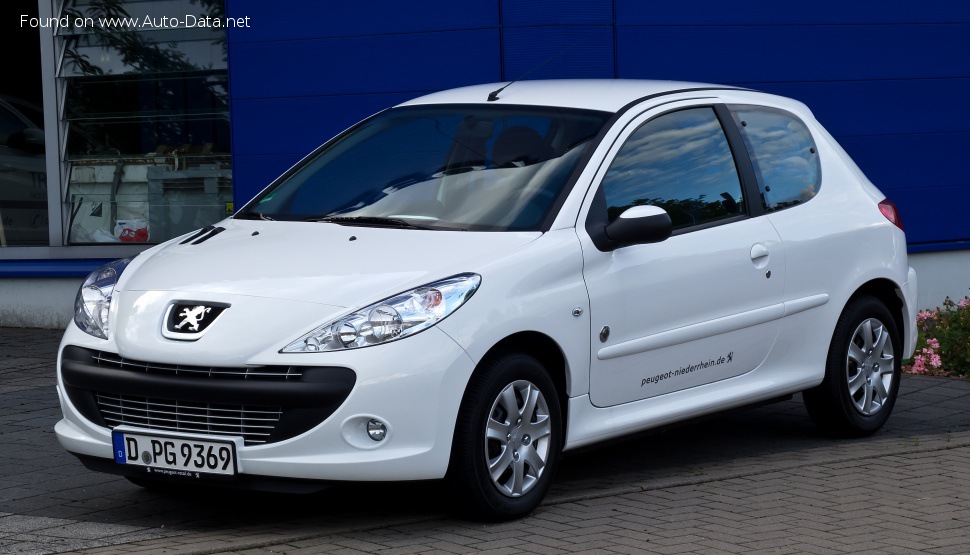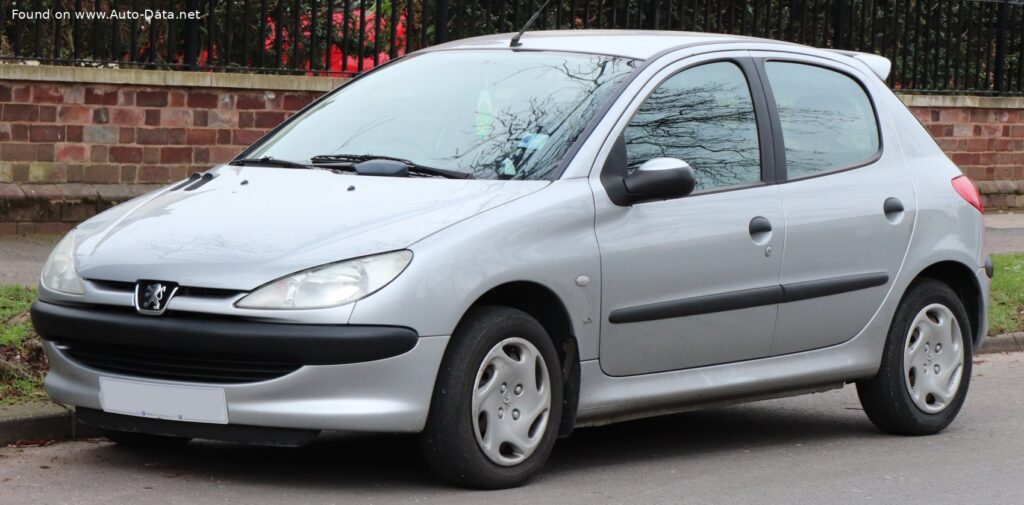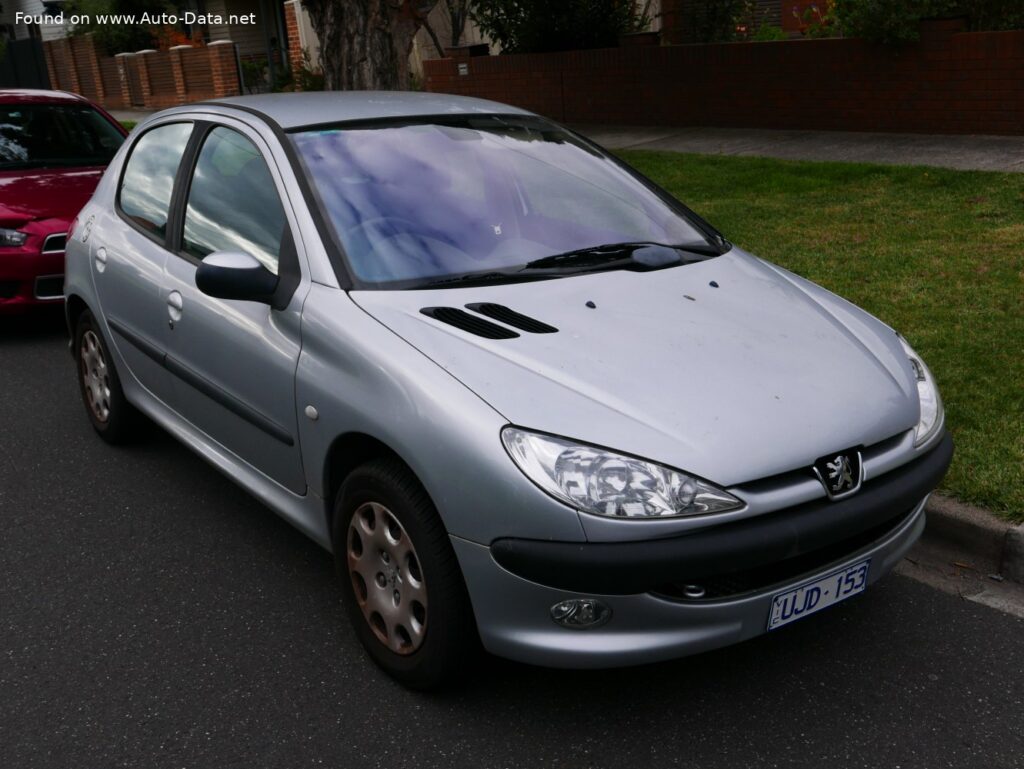
The Peugeot 206 2.0 GTI, produced from 2003 to 2007 as part of the facelifted second generation of the 206 series (T1A/T1C), represented the performance pinnacle of the model range. Positioned as the premium hot hatch variant, it offered a significant step up in power and handling compared to the lower-spec 1.4 and 1.6 liter models. Built on the Peugeot 206 platform, it aimed to compete with rivals like the Renault Clio Sport and Volkswagen Polo GTI, offering a blend of sporty driving dynamics and everyday practicality within a compact package.
Powertrain & Engine Architecture
The heart of the 206 2.0 GTI is the RFN (EW10J4) 2.0-liter inline-four cylinder gasoline engine. This engine is a naturally aspirated unit, producing 136 horsepower at 6000 rpm and 190 Nm (140.14 lb-ft) of torque at 4100 rpm. It features a multi-port fuel injection system and a double overhead camshaft (DOHC) valvetrain with four valves per cylinder. The engine’s bore and stroke are 85 mm (3.35 in) and 88 mm (3.46 in) respectively, resulting in a displacement of 1997 cm³ (121.86 cu. in). The compression ratio is set at 10.8:1. Engine oil capacity is 4.25 liters (4.49 US qt | 3.74 UK qt), and the recommended coolant capacity is 5 liters (5.28 US qt | 4.4 UK qt).
Unlike many contemporary hot hatches, the 206 2.0 GTI was exclusively offered with a five-speed manual transmission. This was a deliberate choice by Peugeot to maintain a more engaging driving experience, catering to enthusiasts who preferred direct control over gear selection. The transmission is front-wheel drive, delivering power to the front wheels. The gearbox ratios were tuned to maximize acceleration and provide a responsive feel.
Engine Code Specifics
The RFN engine code designates a specific iteration of the EW10J4 engine, optimized for the 206 GTI application. While sharing a basic architecture with other EW10J4 variants, the RFN benefits from revised engine management software, a higher-flow exhaust system, and internal component upgrades to withstand the increased power output. These modifications contribute to the engine’s characteristic responsiveness and willingness to rev.
Driving Characteristics
The 206 2.0 GTI delivers a noticeably more spirited driving experience than its lower-powered siblings. Acceleration from 0 to 100 km/h (0-62 mph) takes approximately 8.4 seconds, with a top speed of 210 km/h (130.49 mph). The five-speed manual transmission allows for precise gear changes, and the engine’s torque curve provides strong pull throughout the rev range. The relatively short wheelbase and responsive steering contribute to a nimble and engaging handling characteristic. While not as brutally fast as some of its rivals, the 206 GTI offers a balanced and enjoyable driving experience, particularly on winding roads.
Compared to the standard 206 models, the GTI benefits from a stiffer suspension setup, which reduces body roll and improves cornering stability. However, this does come at the expense of some ride comfort. The 2.0 GTI feels significantly more capable than the 1.6-liter models, offering a more rewarding and engaging driving experience. The absence of an automatic transmission option was a key differentiator, reinforcing its focus on driving enthusiasts.
Equipment & Trim Levels
The 206 2.0 GTI came generously equipped as standard, reflecting its position as the range-topping model. Standard features included air conditioning, power steering, electric front windows, central locking, and an RDS stereo system. The interior typically featured sport seats upholstered in a combination of cloth and Alcantara, with aluminum pedal caps and a leather-wrapped steering wheel. Exterior styling cues included a distinctive front bumper with fog lights, side skirts, a rear spoiler, and 16-inch alloy wheels.
Optional extras included a sunroof, automatic climate control, and upgraded audio systems. Metallic paint finishes were also available at an additional cost. The interior dashboard configuration was largely consistent across the 206 range, but the GTI featured unique instrument cluster graphics and a more sporty overall aesthetic.
Chassis & Braking
The 206 2.0 GTI utilizes a MacPherson strut front suspension and a torsion beam rear suspension. The suspension components were specifically tuned to provide a firmer ride and improved handling. The front brakes are ventilated discs, while the rear brakes are solid discs, providing adequate stopping power for the car’s performance capabilities. Anti-lock Braking System (ABS) was standard equipment. The car rides on 205/45 ZR16 tires, providing good grip and handling characteristics. The front track measures 1437 mm (56.57 in), and the rear track measures 1425 mm (56.1 in).
Market Reception & Comparison
The Peugeot 206 2.0 GTI was generally well-received by automotive critics, who praised its engaging handling, responsive engine, and stylish design. However, some reviewers noted that its interior quality was not quite as refined as some of its rivals, and the ride could be firm on rough roads. Fuel economy was rated at 7.7 l/100 km (30.5 US mpg, 36.7 UK mpg), which was reasonable for a hot hatch of its era.
Compared to the 1.4 and 1.6-liter 206 models, the 2.0 GTI offered a significant performance advantage, but at a higher price point. It also offered a more focused driving experience, appealing to enthusiasts who prioritized handling and responsiveness over comfort. In terms of reliability, the 206 GTI proved to be generally dependable, although owners should be aware of potential issues with the engine’s timing belt and the car’s electrical systems.
Technical Specifications
| Brand | Peugeot |
| Model | 206 |
| Generation | 206 (facelift 2003) |
| Type (Engine) | 2.0 GTI (136 Hp) |
| Start of production | 2003 |
| End of production | 2007 |
| Powertrain Architecture | Internal Combustion engine |
| Body type | Hatchback |
| Seats | 5 |
| Doors | 3 |
| Fuel consumption (urban) | 10.7 l/100 km (22 US mpg, 26.4 UK mpg) |
| Fuel consumption (extra urban) | 6.1 l/100 km (38.6 US mpg, 46.3 UK mpg) |
| Fuel consumption (combined) | 7.7 l/100 km (30.5 US mpg, 36.7 UK mpg) |
| CO2 emissions | 185 g/km |
| Fuel Type | Petrol (Gasoline) |
| Acceleration 0 – 100 km/h | 8.4 sec |
| Acceleration 0 – 62 mph | 8.4 sec |
| Acceleration 0 – 60 mph | 8 sec |
| Maximum speed | 210 km/h (130.49 mph) |
| Emission standard | Euro 3 |
| Weight-to-power ratio | 7.7 kg/Hp |
| Weight-to-torque ratio | 5.5 kg/Nm |
| Power | 136 Hp @ 6000 rpm |
| Torque | 190 Nm @ 4100 rpm (140.14 lb.-ft. @ 4100 rpm) |
| Engine layout | Front, Transverse |
| Engine Model/Code | RFN EW10J4 |
| Engine displacement | 1997 cm3 (121.86 cu. in.) |
| Number of cylinders | 4 |
| Engine configuration | Inline |
| Cylinder Bore | 85 mm (3.35 in.) |
| Piston Stroke | 88 mm (3.46 in.) |
| Compression ratio | 10.8:1 |
| Number of valves per cylinder | 4 |
| Fuel injection system | Multi-port manifold injection |
| Engine aspiration | Naturally aspirated engine |
| Valvetrain | DOHC |
| Engine oil capacity | 4.25 l (4.49 US qt | 3.74 UK qt) |
| Coolant | 5 l (5.28 US qt | 4.4 UK qt) |
| Kerb Weight | 1050 kg (2314.85 lbs.) |
| Max. weight | 1560 kg (3439.21 lbs.) |
| Trunk (boot) space – minimum | 210 l (7.42 cu. ft.) |
| Trunk (boot) space – maximum | 992 l (35.03 cu. ft.) |
| Fuel tank capacity | 50 l (13.21 US gal | 11 UK gal) |
| Length | 3822 mm (150.47 in.) |
| Width | 1673 mm (65.87 in.) |
| Height | 1425 mm (56.1 in.) |
| Wheelbase | 2442 mm (96.14 in.) |
| Drive wheel | Front wheel drive |
| Number of gears and type of gearbox | 5 gears, manual transmission |
Legacy
The Peugeot 206 2.0 GTI remains a popular choice among enthusiasts seeking an affordable and engaging hot hatch. Its relatively simple mechanical design and readily available parts contribute to its ongoing appeal. While age-related issues are common, the RFN engine is generally considered robust and reliable when properly maintained. Today, well-maintained examples command a premium in the used car market, attracting buyers who appreciate its classic hot hatch character and spirited driving dynamics. The 206 2.0 GTI is often remembered as one of the last truly analog hot hatches, offering a pure and engaging driving experience that is increasingly rare in modern cars.