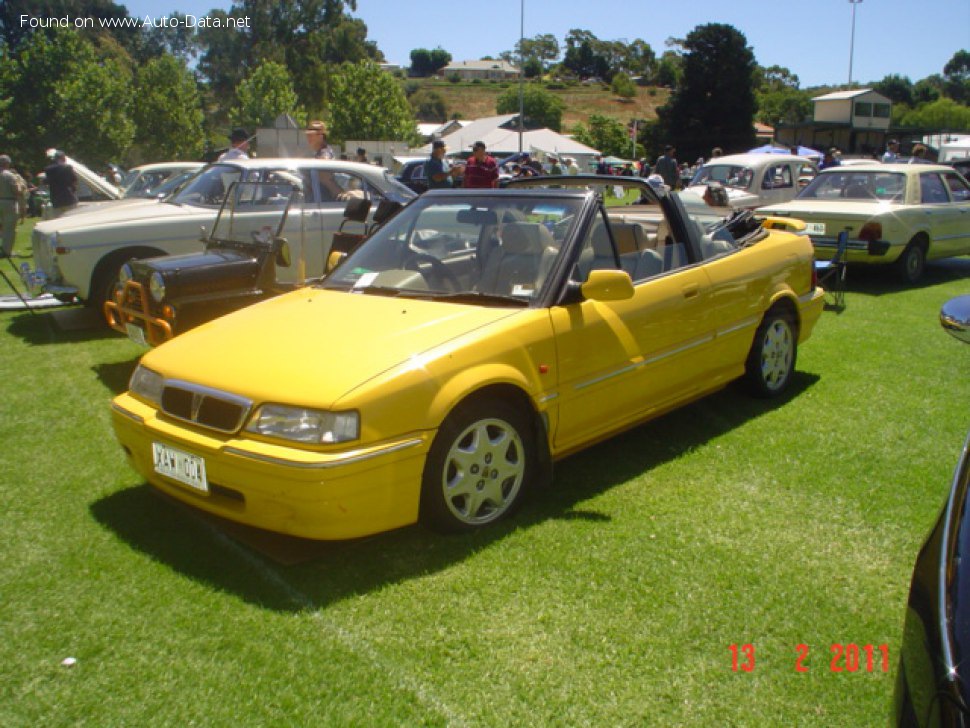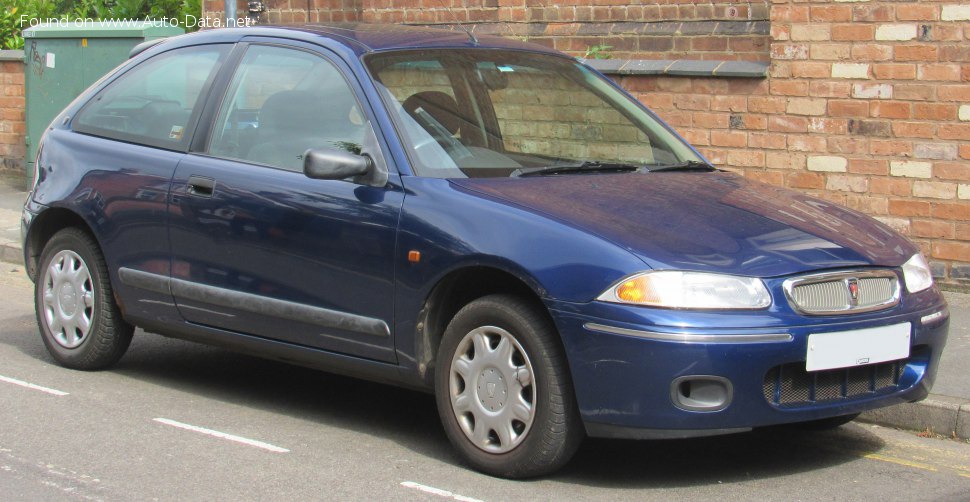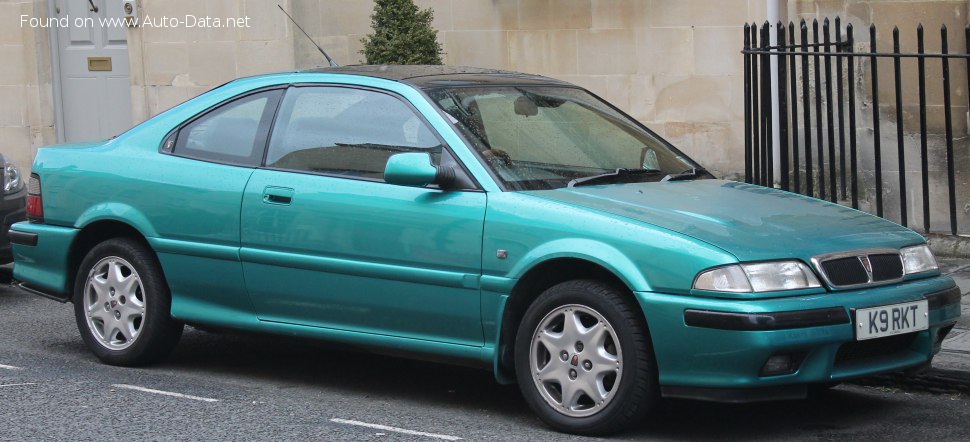
The Rover 200 Coupe (XW) 216, produced between 1992 and 2000, represented a sporting variant within the Rover 200 range. Based on the Honda Concerto platform – a result of the British Leyland/Honda partnership – the 200 Coupe aimed to offer a more stylish and engaging driving experience than the standard saloon. The 216 model, equipped with a 1.6-liter engine producing 122 horsepower, occupied a mid-range position in the Coupe lineup, bridging the gap between the base 1.4-liter models and the more performance-oriented V6 variants. It was marketed towards buyers seeking a blend of practicality, affordability, and a degree of sporting flair.
Rover 200 Coupe (XW) 216: Powertrain & Engine Architecture
The heart of the 216 Coupe was the 16K4F engine, a 1.6-liter inline-four cylinder gasoline engine. This engine was a product of Rover’s ‘K-Series’ family, known for its compact dimensions and relatively lightweight construction. The 16K4F featured multi-port fuel injection, a double overhead camshaft (DOHC) valvetrain with four valves per cylinder, and a compression ratio of 9.5:1. These features contributed to its respectable power output for its displacement. The engine produced 122 hp at 6800 rpm and 140 Nm (103.26 lb-ft) of torque at 5700 rpm.
While a five-speed manual transmission was the most common pairing for the 216, an optional four-speed automatic transmission was also available. This automatic, sourced from Honda as part of the platform sharing agreement, was a conventional hydraulic unit. It featured relatively widely spaced gear ratios, prioritizing smooth operation and fuel economy over outright performance. The automatic transmission was particularly popular with buyers prioritizing ease of use and comfort over sporty driving dynamics.
Engine Code Specifics
The 16K4F engine code designates this specific iteration of the K-Series. Early K-Series engines were known for potential head gasket failures, particularly when subjected to overheating. However, Rover implemented several revisions throughout the production run, improving the gasket design and cooling system. The 16K4F, particularly in later production years, benefited from these improvements, enhancing its overall reliability. Regular coolant checks and maintenance were still crucial to prevent issues.
Driving Characteristics
The Rover 200 Coupe 216 offered a reasonably engaging driving experience, particularly with the manual transmission. The 1.6-liter engine provided adequate power for everyday driving, with a noticeable surge in performance as the revs climbed. The 0-60 mph acceleration time was around 9.1 seconds, and it could achieve a top speed of approximately 124 mph. However, the automatic transmission version felt noticeably slower, due to the less aggressive gear ratios and the inherent power loss associated with the torque converter.
The Coupe’s handling was generally considered competent, benefiting from its relatively lightweight construction and well-tuned suspension. The front-wheel-drive layout provided predictable handling characteristics, although it could exhibit some understeer when pushed hard. The steering, utilizing a hydraulic rack and pinion system, offered a reasonable level of feedback and precision.
Equipment & Trim Levels
The 216 Coupe typically came equipped with a reasonable level of standard equipment. This included central locking, power steering, electric front windows, and an adjustable steering column. Interior upholstery was typically cloth, with a choice of colors available. The dashboard layout was functional and straightforward, with clearly labeled controls.
Optional extras included alloy wheels, a sunroof, air conditioning, and upgraded audio systems. Higher trim levels, such as the ‘SE’ and ‘S’ models, added additional features like leather upholstery, upgraded interior trim, and more sophisticated audio systems. The 216 Coupe was positioned as a step up from the base models, offering a more refined and well-equipped package.
Chassis & Braking
The Rover 200 Coupe utilized a front-wheel-drive chassis with independent wishbone suspension at the front and a coil spring rear suspension. This setup provided a good balance between ride comfort and handling. The front brakes were ventilated discs, offering good stopping power, while the rear brakes were solid discs. Anti-lock Braking System (ABS) was available as an option, enhancing safety and control during emergency braking.
The 216 Coupe rode on 185/60 R14 tires, providing adequate grip for most driving conditions. The kerb weight of the vehicle was approximately 1085 kg (2392 lbs), contributing to its relatively nimble handling characteristics.
Market Reception & Comparison
The Rover 200 Coupe 216 received generally positive reviews from automotive critics. It was praised for its stylish design, comfortable interior, and reasonable performance. However, some critics noted that the automatic transmission version felt underpowered and that the interior quality, while acceptable, wasn’t quite on par with some of its rivals.
Compared to other trims in the 200 Coupe lineup, the 216 offered a good balance between performance and fuel economy. The 1.4-liter models were more affordable but lacked the punch of the 1.6-liter engine. The V6 variants offered significantly more power but came at a higher price and with increased fuel consumption. The 216 Coupe was often seen as the sweet spot in the range, appealing to a broad range of buyers.
Technical Specifications
| Brand | Rover |
| Model | 200 Coupe (XW) |
| Type (Engine) | 216 (122 Hp) |
| Start of production | 1992 |
| End of production | 2000 |
| Fuel consumption (combined) | 8.3 l/100 km |
| Fuel consumption (US mpg) | 28.3 |
| Fuel consumption (UK mpg) | 34 |
| Fuel Type | Petrol (Gasoline) |
| Acceleration 0 – 100 km/h | 9.6 sec |
| Acceleration 0 – 62 mph | 9.6 sec |
| Acceleration 0 – 60 mph | 9.1 sec |
| Maximum speed | 200 km/h (124.27 mph) |
| Weight-to-power ratio | 8.9 kg/Hp |
| Power | 122 Hp @ 6800 rpm |
| Torque | 140 Nm @ 5700 rpm (103.26 lb.-ft. @ 5700 rpm) |
| Engine layout | Front, Transverse |
| Engine Model/Code | 16K4F |
| Engine displacement | 1590 cm3 (97.03 cu. in.) |
| Number of cylinders | 4 |
| Engine configuration | Inline |
| Cylinder Bore | 75 mm (2.95 in.) |
| Piston Stroke | 90 mm (3.54 in.) |
| Compression ratio | 9.5:1 |
| Number of valves per cylinder | 4 |
| Fuel injection system | Multi-port manifold injection |
| Engine aspiration | Naturally aspirated |
| Engine oil capacity | 3.5 l (3.7 US qt | 3.08 UK qt) |
| Coolant capacity | 5.5 l (5.81 US qt | 4.84 UK qt) |
| Kerb Weight | 1085 kg (2392.02 lbs.) |
| Max. weight | 1580 kg (3483.3 lbs.) |
| Trunk (boot) space – minimum | 299 l (10.56 cu. ft.) |
| Fuel tank capacity | 55 l (14.53 US gal | 12.1 UK gal) |
| Length | 4270 mm (168.11 in.) |
| Width | 1680 mm (66.14 in.) |
| Height | 1370 mm (53.94 in.) |
| Wheelbase | 2550 mm (100.39 in.) |
Legacy
The Rover 200 Coupe 216, while not a groundbreaking vehicle, remains a fondly remembered model among enthusiasts. The K-Series engine, despite its early reliability issues, proved to be a capable and efficient powerplant. The automatic transmission versions, while slower, offered a comfortable and convenient driving experience. Today, well-maintained examples of the 216 Coupe are becoming increasingly collectible, appealing to those seeking a stylish and affordable classic car. The long-term reliability of the powertrain is generally good, provided that regular maintenance has been carried out, particularly regarding coolant changes to prevent head gasket issues. The availability of spare parts is reasonable, although some components may be becoming increasingly difficult to source.