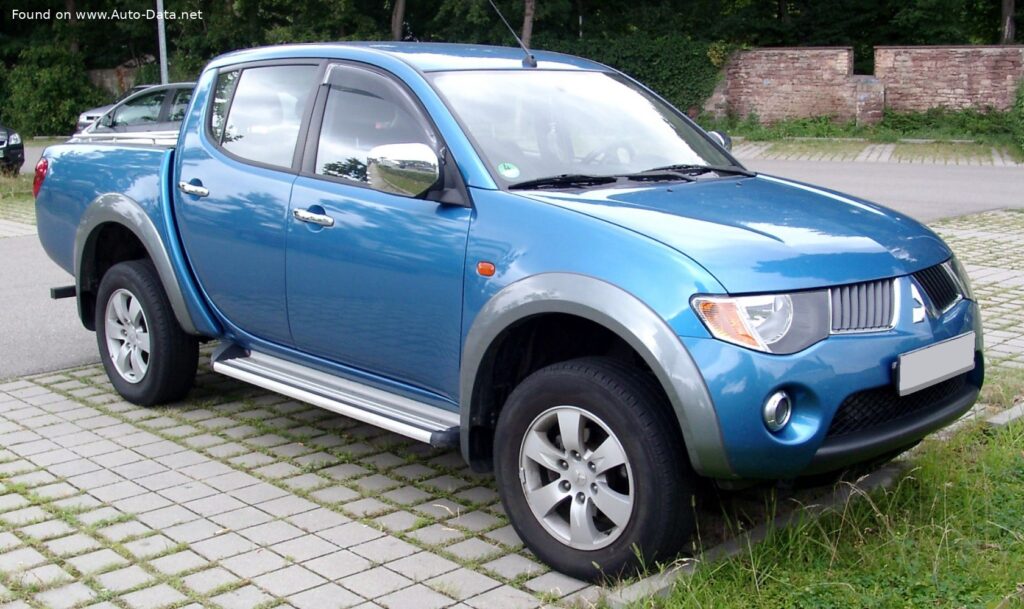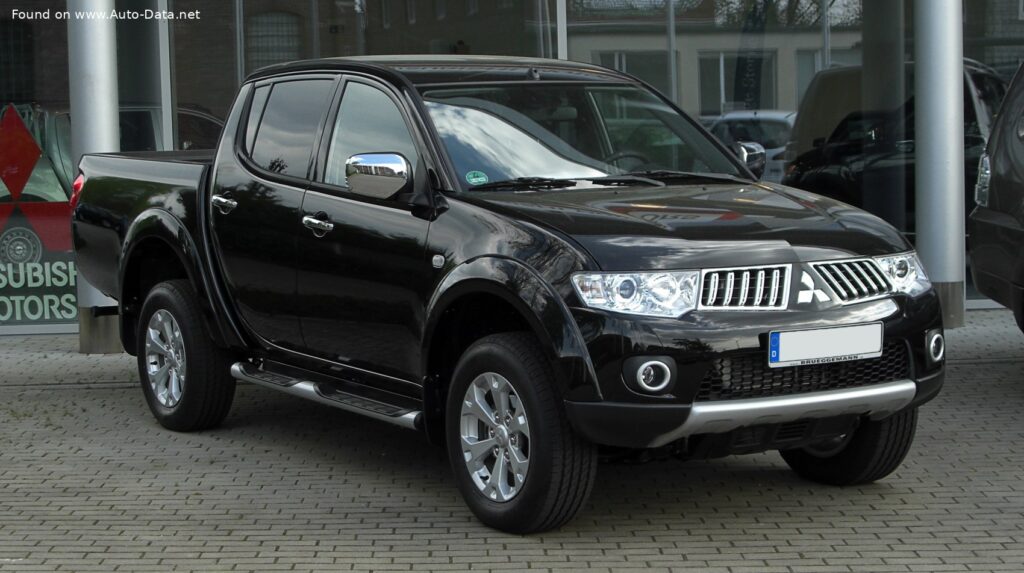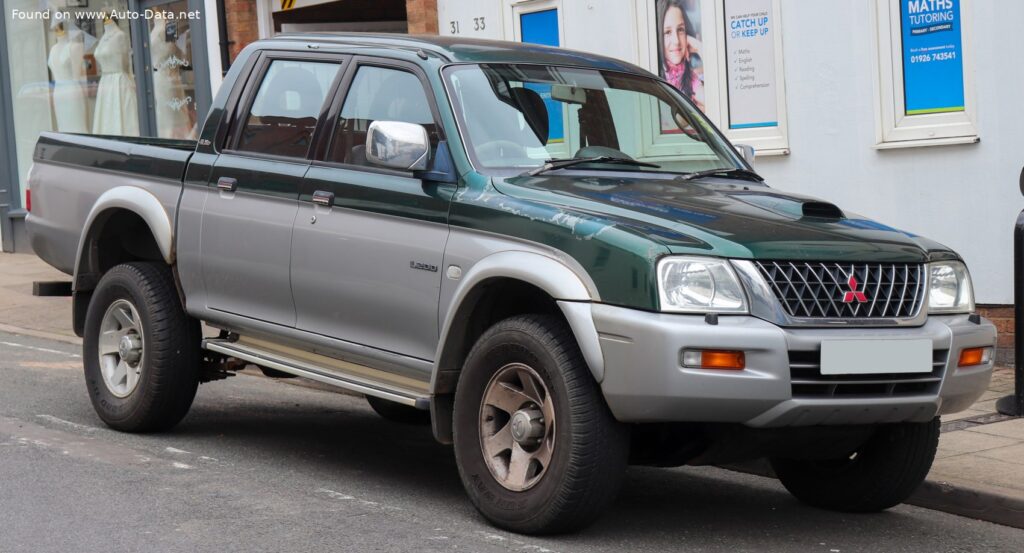
The Mitsubishi L200 III Double Cab 2.4 (132 Hp) 4WD, produced between 1996 and 2006, represents a significant iteration of Mitsubishi’s popular pickup truck. This variant occupied a middle ground within the L200 III range, offering a balance between affordability, practicality, and off-road capability. Built on the robust platform of the third-generation L200 (often referred to internally as the MJ series), the Double Cab configuration provided increased passenger space compared to the standard cab models, making it suitable for both work and family use. This specific 2.4-liter, four-wheel-drive version was aimed at buyers needing a versatile vehicle capable of handling both on-road commuting and moderate off-road tasks.
Powertrain & Engine Architecture
At the heart of the L200 III Double Cab 2.4 (132 Hp) 4WD lies the 4G64 engine, a 2.4-liter (2351 cc) inline-four cylinder gasoline engine. This engine utilizes a naturally aspirated configuration and a single overhead camshaft (SOHC) valvetrain, operating with four valves per cylinder. The 4G64 engine delivers a maximum power output of 132 horsepower at 5250 rpm and 192 Nm (141.61 lb-ft) of torque at 4000 rpm. Fuel delivery is managed by a multi-port fuel injection system, contributing to reasonable fuel efficiency for its class and time period. The compression ratio is set at 9.5:1. Engine oil capacity is 4.3 liters (4.54 US quarts or 3.78 UK quarts).
The powertrain is coupled with a five-speed manual transmission, sending power to all four wheels via a part-time four-wheel-drive system. This system typically allows the driver to switch between two-wheel drive (2H) for normal road conditions and four-wheel drive (4H and 4L) for increased traction in challenging terrain. The 4WD system employs an electrically or mechanically operated clutch to engage the front wheels when needed. The longitudinal engine layout contributes to a balanced weight distribution, enhancing handling characteristics.
Engine Code Specifics
The 4G64 engine code is crucial for identifying specific components and maintenance requirements. While generally reliable, the 4G64, like any engine, is susceptible to age-related issues such as oil leaks, timing chain wear, and sensor failures. Proper maintenance, including regular oil changes and coolant flushes, is essential for maximizing the engine’s lifespan.
Driving Characteristics
The driving experience of the L200 III Double Cab 2.4 (132 Hp) 4WD is characterized by its utilitarian nature. The 132 horsepower output, while adequate for everyday driving, doesn’t provide particularly brisk acceleration. The weight-to-power ratio of 12.6 kg/Hp reflects this, and drivers should expect a more relaxed pace. However, the 192 Nm of torque provides sufficient pulling power for hauling moderate loads and navigating challenging terrain. The five-speed manual transmission allows for precise control over gear selection, enabling drivers to optimize engine performance for different driving conditions. Compared to the higher-output engines available in the L200 III range (such as the 2.5-liter turbo diesel), this 2.4-liter gasoline version offers less outright performance but a simpler and potentially less expensive-to-maintain powertrain.
The four-wheel-drive system provides enhanced traction on loose surfaces, making it a capable off-road vehicle for recreational use. However, it’s not designed for extreme off-roading, and its capabilities are limited by its relatively modest ground clearance of 235 mm (9.25 inches).
Equipment & Trim Levels
The L200 III Double Cab 2.4 (132 Hp) 4WD typically came equipped with a relatively basic level of standard features, reflecting its positioning as a work-oriented vehicle. Standard equipment generally included power steering, a basic audio system, and vinyl or cloth upholstery. The Double Cab configuration offered seating for five passengers, with a rear bench seat providing additional versatility. Optional extras varied depending on the market and year of production, but could include air conditioning, power windows, central locking, and upgraded audio systems. The interior design was functional and durable, prioritizing practicality over luxury.
Chassis & Braking
The L200 III Double Cab 2.4 (132 Hp) 4WD features a robust chassis designed to withstand the rigors of pickup truck use. The front suspension utilizes a double wishbone configuration, providing a comfortable ride and good handling characteristics. The rear suspension employs a leaf spring setup, which is well-suited for carrying heavy loads. The braking system consists of ventilated discs on the front wheels (222 mm diameter) and drum brakes on the rear wheels (270 mm diameter). Hydraulic power steering is standard, providing assistance for maneuvering the vehicle at low speeds.
Market Reception & Comparison
The Mitsubishi L200 III Double Cab 2.4 (132 Hp) 4WD was generally well-received in markets where pickup trucks were popular. Critics praised its versatility, durability, and off-road capability. However, some reviewers noted that the 2.4-liter gasoline engine lacked the power and fuel efficiency of the diesel alternatives. Compared to the 2.5-liter turbo diesel versions of the L200 III, the 2.4-liter gasoline model offered lower running costs in terms of fuel, but potentially higher maintenance costs due to the complexity of the gasoline engine. The gasoline engine was often favored by buyers who preferred the smoother and quieter operation of a gasoline engine over the characteristic rumble of a diesel.
Fuel economy figures varied depending on driving conditions, but typically ranged from 18-22 mpg in mixed driving. Reliability was generally good, but as with any vehicle of this age, regular maintenance is crucial for preventing problems.
Technical Specifications
| Brand | Mitsubishi |
| Model | L200 |
| Generation | L200 III Double Cab |
| Type (Engine) | 2.4 (132 Hp) 4WD |
| Start of production | 1996 |
| End of production | 2006 |
| Powertrain Architecture | Internal Combustion engine |
| Body type | Pick-up |
| Seats | 5 |
| Doors | 4 |
| Fuel Type | Petrol (Gasoline) |
| Weight-to-power ratio | 12.6 kg/Hp |
| Power | 132 Hp @ 5250 rpm |
| Torque | 192 Nm @ 4000 rpm (141.61 lb.-ft. @ 4000 rpm) |
| Engine layout | Front, Longitudinal |
| Engine Model/Code | 4G64 |
| Engine displacement | 2351 cm3 (143.47 cu. in.) |
| Number of cylinders | 4 |
| Engine configuration | Inline |
| Cylinder Bore | 86.5 mm (3.41 in.) |
| Piston Stroke | 100 mm (3.94 in.) |
| Compression ratio | 9.5:1 |
| Number of valves per cylinder | 4 |
| Fuel injection system | Multi-port manifold injection |
| Engine aspiration | Naturally aspirated engine |
| Valvetrain | SOHC |
| Engine oil capacity | 4.3 l (4.54 US qt | 3.78 UK qt) |
| Kerb Weight | 1660 kg (3659.67 lbs.) |
| Max. weight | 2720 kg (5996.57 lbs.) |
| Max load | 1060 kg (2336.9 lbs.) |
| Fuel tank capacity | 75 l (19.81 US gal | 16.5 UK gal) |
| Permitted trailer load with brakes (12%) | 2700 kg (5952.48 lbs.) |
| Permitted trailer load without brakes | 500 kg (1102.31 lbs.) |
| Permitted towbar download | 100 kg (220.46 lbs.) |
| Length | 5010 mm (197.24 in.) |
| Width | 1775 mm (69.88 in.) |
| Height | 1800 mm (70.87 in.) |
| Wheelbase | 2960 mm (116.54 in.) |
| Front track | 1465 mm (57.68 in.) |
| Rear (Back) track | 1435 mm (56.5 in.) |
| Front overhang | 840 mm (33.07 in.) |
| Rear overhang | 1210 mm (47.64 in.) |
| Ride height (ground clearance) | 235 mm (9.25 in.) |
| Drivetrain Architecture | All wheel drive (4×4) |
| Number of gears and type of gearbox | 5 gears, manual transmission |
| Front suspension | Double wishbone |
| Rear suspension | Leaf spring |
| Front brakes | Ventilated discs, 222 mm |
| Rear brakes | Drum, 270 mm |
| Power steering | Hydraulic Steering |
| Tires size | 205/80 R16 |
| Wheel rims size | 6J x 16 |
Legacy
The Mitsubishi L200 III Double Cab 2.4 (132 Hp) 4WD remains a relatively common sight on used car markets today. Its durability and practicality have ensured its longevity. While the 4G64 engine may require more maintenance than some of its diesel counterparts, it is generally considered a reliable unit when properly cared for. These vehicles are often sought after by buyers looking for an affordable and capable pickup truck for work or recreational use. The Double Cab configuration continues to be popular, offering a good balance between cargo space and passenger comfort. However, potential buyers should be aware of the vehicle’s age and potential for age-related issues, and a thorough inspection is recommended before purchase.