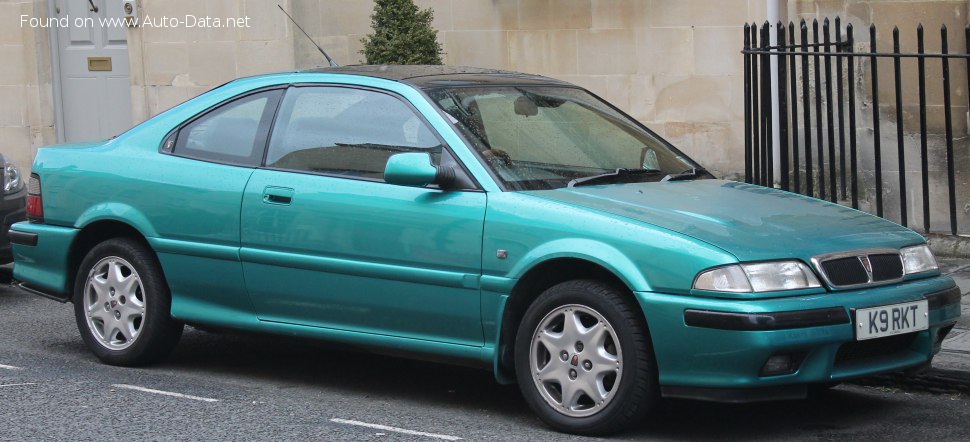
The Rover 200 Coupe (XW), produced between 1994 and 2000, represented a significant departure for Rover, offering a more sporting and stylish alternative to the traditional Rover saloon. Within the XW range, the 218i variant, powered by a 1.8-liter engine producing 145 horsepower, occupied a mid-range position. It aimed to bridge the gap between the more economical base models and the higher-performance V6 options, appealing to buyers seeking a balance of performance, style, and affordability. The 200 Coupe was based on the Honda Civic platform, a result of Rover’s partnership with Honda, and shared many components with its Japanese counterpart, but featured distinctive Rover styling and interior appointments.
Rover 200 Coupe (XW) 218i: An Overview
The 218i Coupe was a two-door, four-seater vehicle designed to attract a younger, more image-conscious buyer. It was positioned as a competitor to other compact coupes of the era, such as the Peugeot 306 Coupe and the Ford Escort Cabriolet. The XW designation refers to the specific coupe body style within the Rover 200 range. The 218i model was a key part of Rover’s attempt to modernize its image and appeal to a broader customer base. It represented a move away from the more conservative designs of previous Rover models and embraced a more contemporary aesthetic.
Powertrain & Engine Architecture
The heart of the 218i Coupe is the 18K4K engine, an 1795cc (109.54 cubic inches) inline four-cylinder gasoline engine. This engine is a product of Rover’s ‘K-Series’ engine family, known for its compact size and relatively high power output. The 18K4K features multi-port fuel injection and a double overhead camshaft (DOHC) valvetrain with four valves per cylinder. This configuration allows for efficient combustion and contributes to the engine’s respectable power output of 145 hp at 6750 rpm and 174 Nm (128.34 lb-ft) of torque at 4000 rpm. The engine boasts a compression ratio of 10.5:1. The engine is transversely mounted in the front of the vehicle, driving the front wheels.
The 218i Coupe was exclusively offered with a five-speed manual transmission. While an automatic transmission was available on other 200 models, it was not paired with the 218i engine. The manual gearbox provides a direct and engaging driving experience, allowing the driver to fully utilize the engine’s power. The gear ratios are tuned to provide a balance between acceleration and fuel efficiency. First gear is relatively short, providing brisk acceleration from a standstill, while fifth gear is geared for comfortable cruising at highway speeds.
Driving Characteristics
The Rover 200 Coupe 218i delivers a surprisingly engaging driving experience. The 145 hp engine provides ample power for spirited driving, and the car’s relatively light weight (1090 kg or 2403.04 lbs) contributes to its nimble handling. Acceleration from 0 to 60 mph is achieved in approximately 7.4-7.8 seconds, and the car has a top speed of 131.11 mph (211 km/h). The front-wheel-drive layout provides good traction in most conditions, although torque steer can be noticeable under hard acceleration. The steering is precise and well-weighted, providing good feedback to the driver. The suspension, featuring wishbone front suspension and coil springs at the rear, offers a comfortable ride without sacrificing handling. Compared to the lower-powered 1.6-liter models, the 218i offers a significant performance boost, while remaining more accessible and affordable than the V6 variants.
Equipment & Trim Levels
The 218i Coupe typically came equipped with a reasonable level of standard equipment. This included power steering, central locking, electric front windows, and an RDS stereo. Interior upholstery was typically cloth, although leather options were available. The dashboard layout was clean and functional, with easy-to-read gauges. Optional extras included air conditioning, alloy wheels, and a sunroof. The interior space is adequate for four adults, although rear passengers may find legroom somewhat limited. The trunk offers a usable 300-610 liters (10.59-21.54 cubic feet) of space, depending on the rear seats being folded down.
Chassis & Braking
The Rover 200 Coupe 218i utilizes a front-wheel-drive chassis with independent wishbone suspension at the front and a coil spring rear suspension. This setup provides a good balance between ride comfort and handling. The car is equipped with ventilated disc brakes at the front and disc brakes at the rear, providing ample stopping power. An Anti-lock Braking System (ABS) was standard, enhancing safety by preventing wheel lockup during hard braking. The steering system is a rack and pinion type with hydraulic power assistance, offering precise and responsive steering feel. The car rides on 185/55 R15 tires, which provide good grip and handling characteristics.
Market Reception & Comparison
The Rover 200 Coupe 218i was generally well-received by automotive critics. It was praised for its stylish design, engaging driving experience, and relatively affordable price. However, some critics noted that the interior quality was not quite up to the standards of some of its competitors. Compared to the lower-powered 1.6-liter models, the 218i offered a significant performance improvement, making it a more appealing option for drivers who enjoyed a more spirited driving experience. Fuel economy was respectable, with combined fuel consumption figures of around 37.3 US mpg (44.8 UK mpg). Compared to the V6 models, the 218i offered a better balance between performance and fuel efficiency, making it a more practical choice for everyday driving. Reliability was generally good, although the K-Series engine has been known to suffer from head gasket issues in some cases.
Technical Specifications
| Brand | Rover |
| Model | 200 |
| Generation | 200 Coupe (XW) |
| Type (Engine) | 218i (145 Hp) |
| Start of production | 1994 |
| End of production | 2000 |
| Engine Model/Code | 18K4K |
| Engine displacement | 1795 cm3 (109.54 cu. in.) |
| Number of cylinders | 4 |
| Engine configuration | Inline |
| Cylinder Bore | 80 mm (3.15 in.) |
| Piston Stroke | 89.3 mm (3.52 in.) |
| Compression ratio | 10.5:1 |
| Power | 145 Hp @ 6750 rpm |
| Torque | 174 Nm @ 4000 rpm (128.34 lb.-ft. @ 4000 rpm) |
| Fuel Type | Petrol (Gasoline) |
| Acceleration 0 – 100 km/h | 7.8 sec |
| Acceleration 0 – 62 mph | 7.8 sec |
| Acceleration 0 – 60 mph | 7.4 sec |
| Maximum speed | 211 km/h (131.11 mph) |
| Kerb Weight | 1090 kg (2403.04 lbs.) |
| Fuel tank capacity | 55 l (14.53 US gal | 12.1 UK gal) |
| Length | 4270 mm (168.11 in.) |
| Width | 1680 mm (66.14 in.) |
| Height | 1370 mm (53.94 in.) |
| Wheelbase | 2550 mm (100.39 in.) |
| Number of gears and type of gearbox | 5 gears, manual transmission |
Legacy
The Rover 200 Coupe 218i remains a popular choice among enthusiasts and collectors. The K-Series engine, while prone to head gasket issues if not properly maintained, is generally regarded as a robust and reliable unit. Parts availability can be a challenge, but a dedicated network of Rover specialists and online suppliers ensures that parts can still be sourced. Today, well-maintained examples of the 218i Coupe are appreciating in value, reflecting their growing popularity and the nostalgia surrounding the Rover brand. The 218i Coupe represents a high point in Rover’s design and engineering, offering a compelling blend of style, performance, and affordability.