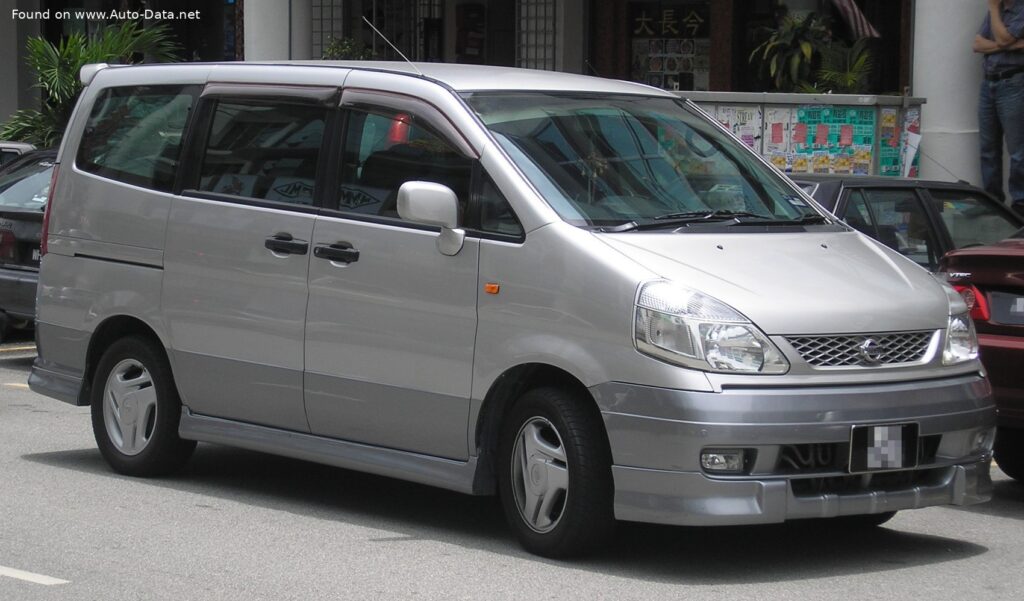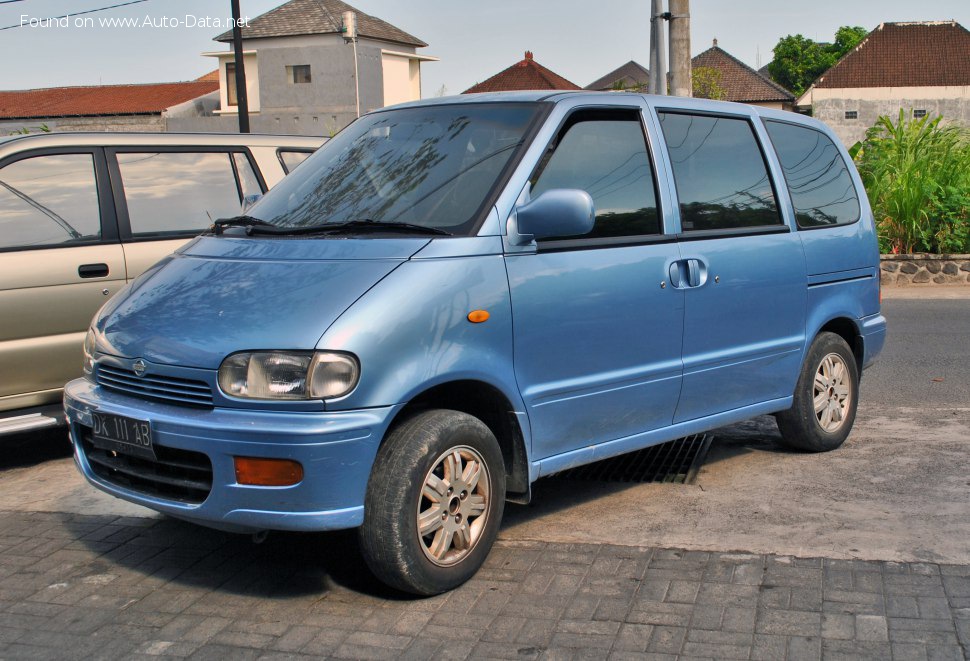
The Nissan Serena (C23M) 1.6 16V, producing 97 horsepower, was a variant of the third-generation Serena minivan produced between 1993 and 2000. This model occupied the entry-level position within the C23M lineup, offering a more affordable option for families seeking spacious and practical transportation. It was positioned below the higher-specification 2.0-liter engine options, and served as a more economical alternative to those models. The C23M Serena was built on the Nissan S platform, and represented a significant evolution in design and features compared to its predecessors.
1.6L 16V Powertrain & Engine Architecture
The heart of the Serena 1.6 16V was the GA16DE inline-four cylinder gasoline engine. This 1,597 cc (97.45 cubic inches) engine featured a cast iron block and an aluminum cylinder head. The ‘DE’ designation signified Nissan’s Dual Elevated Camshaft design, employing dual overhead camshafts (DOHC) and four valves per cylinder. This valvetrain configuration contributed to improved breathing and a broader powerband compared to older single overhead cam designs. Fuel delivery was managed by a multi-port fuel injection system, ensuring precise fuel metering for optimal combustion efficiency.
The engine produced a maximum power output of 97 hp (72 kW) at 5,600 rpm and 132 Nm (97.36 lb-ft) of torque at 3,600 rpm. While not a performance-oriented engine, the GA16DE was known for its reliability and relatively smooth operation. The engine was mounted longitudinally in the front of the vehicle, driving the rear wheels. The compression ratio was set at 9.8:1. Bore and stroke dimensions were 76 mm (2.99 in) and 88 mm (3.46 in) respectively.
The Serena 1.6 16V was typically paired with a 5-speed manual transmission. While an automatic transmission was available, it was often considered to further diminish the already modest acceleration performance. The manual transmission offered a more engaging driving experience and allowed the driver to better utilize the engine’s available power.
Transmission Details
The 5-speed manual transmission used in the Serena 1.6 16V was a standard design for Nissan vehicles of the era. Gear ratios were optimized for fuel efficiency and everyday drivability rather than outright performance. First gear was relatively short, providing good acceleration from a standstill, while fifth gear was tall, designed for comfortable highway cruising. The automatic transmission, when equipped, was a 4-speed unit, further impacting acceleration times and fuel economy.
Driving Characteristics
The Nissan Serena 1.6 16V offered a comfortable, but unhurried driving experience. Acceleration from 0 to 100 km/h (0-62 mph) took approximately 17.9 seconds, and 0 to 60 mph took around 17 seconds. The top speed was limited to 150 km/h (93.21 mph). The engine’s modest power output meant that fully loaded with passengers and luggage, performance could feel strained, particularly when climbing hills or overtaking.
The rear-wheel drive configuration provided a stable and predictable handling balance, although it wasn’t particularly sporty. Steering was via a hydraulic rack and pinion system, offering reasonable precision and feedback. The suspension, consisting of coil springs in the front and leaf springs in the rear, prioritized ride comfort over handling sharpness. The leaf spring rear suspension, while cost-effective, could sometimes result in a slightly bumpy ride, especially on uneven surfaces.
Compared to the 2.0-liter Serena variants, the 1.6L model felt noticeably slower and less refined. However, it offered a significant advantage in fuel economy, making it a popular choice for budget-conscious buyers.
Equipment & Trim Levels
The Serena 1.6 16V typically came with a relatively basic level of equipment, reflecting its position as the entry-level model. Standard features generally included power steering, a basic audio system, and cloth upholstery. Air conditioning was often an optional extra. Interior trim was functional and durable, prioritizing practicality over luxury. The dashboard layout was straightforward and easy to use, with clearly labeled controls.
Higher trim levels, available at an additional cost, could add features such as power windows, central locking, and upgraded audio systems. Some models also offered optional alloy wheels and a sunroof. The Serena was designed to accommodate up to eight passengers, with a flexible seating arrangement that allowed for various configurations to maximize cargo space. Trunk space ranged from 350 liters (12.36 cubic feet) with all seats in use to 620 liters (21.9 cubic feet) with some seats folded down.
Chassis & Braking
The Serena 1.6 16V featured a body-on-frame construction, which contributed to its robust and durable nature. The front suspension utilized coil springs, while the rear suspension employed leaf springs. The front brakes were ventilated discs, providing adequate stopping power, while the rear brakes were drums. Anti-lock braking system (ABS) was available as an option, enhancing safety by preventing wheel lockup during hard braking.
The vehicle’s curb weight of 1,396 kg (3,077.65 lbs) contributed to its somewhat sluggish acceleration. The maximum permissible weight was 2,100 kg (4,629.71 lbs), allowing for a substantial payload capacity of 704 kg (1,552.05 lbs). Tire size was typically 195/70 R14, mounted on 14-inch steel wheels.
Market Reception & Comparison
The Nissan Serena 1.6 16V was generally well-received as a practical and affordable family minivan. Critics praised its spacious interior, comfortable ride, and reliable engine. However, its modest performance and basic equipment levels were often noted. Compared to other minivans in its class, such as the Toyota Previa, the Serena offered a more budget-friendly option, but lacked some of the refinement and features of its competitors.
Fuel economy was a strong point for the 1.6L model, with combined fuel consumption averaging around 10.7 l/100 km (22 US mpg, 26.4 UK mpg). This made it an attractive choice for families seeking to minimize their running costs. Reliability was generally good, with the GA16DE engine proving to be a durable and long-lasting unit. However, the rear leaf spring suspension could require occasional maintenance.
Technical Specifications
| Brand | Nissan |
| Model | Serena |
| Generation | Serena (C23M) |
| Type (Engine) | 1.6 16V (97 Hp) |
| Start of production | 1993 |
| End of production | 2000 |
| Powertrain Architecture | Internal Combustion engine |
| Body type | Minivan |
| Seats | 8 |
| Doors | 4 |
| Fuel consumption (urban) | 11.3 l/100 km (20.8 US mpg) |
| Fuel consumption (extra urban) | 7.8 l/100 km (30.2 US mpg) |
| Fuel consumption (combined) | 10.7 l/100 km (22 US mpg) |
| Fuel Type | Petrol (Gasoline) |
| Acceleration 0 – 100 km/h | 17.9 sec |
| Acceleration 0 – 62 mph | 17.9 sec |
| Acceleration 0 – 60 mph | 17 sec |
| Maximum speed | 150 km/h (93.21 mph) |
| Weight-to-power ratio | 14.4 kg/Hp |
| Power | 97 Hp @ 5600 rpm |
| Torque | 132 Nm @ 3600 rpm (97.36 lb.-ft. @ 3600 rpm) |
| Engine layout | Middle, Longitudinal |
| Engine displacement | 1597 cm3 (97.45 cu. in.) |
| Number of cylinders | 4 |
| Engine configuration | Inline |
| Cylinder Bore | 76 mm (2.99 in.) |
| Piston Stroke | 88 mm (3.46 in.) |
| Compression ratio | 9.8:1 |
| Number of valves per cylinder | 4 |
| Fuel injection system | Multi-port manifold injection |
| Engine aspiration | Naturally aspirated engine |
| Valvetrain | DOHC |
| Kerb Weight | 1396 kg (3077.65 lbs.) |
| Max. weight | 2100 kg (4629.71 lbs.) |
| Max load | 704 kg (1552.05 lbs.) |
| Trunk (boot) space – minimum | 350 l (12.36 cu. ft.) |
| Trunk (boot) space – maximum | 620 l (21.9 cu. ft.) |
| Fuel tank capacity | 60 l (15.85 US gal | 13.2 UK gal) |
| Length | 4315 mm (169.88 in.) |
| Width | 1710 mm (67.32 in.) |
| Height | 1840 mm (72.44 in.) |
| Wheelbase | 2735 mm (107.68 in.) |
| Front track | 1490 mm (58.66 in.) |
| Rear (Back) track | 1460 mm (57.48 in.) |
| Drivetrain Architecture | Rear wheel drive |
| Number of gears and type of gearbox | 5 gears, manual transmission |
| Front suspension | Coil spring |
| Rear suspension | Leaf spring |
| Front brakes | Ventilated discs |
| Rear brakes | Drum |
| Assisting systems | ABS (Anti-lock braking system) |
| Steering type | Steering rack and pinion |
| Power steering | Hydraulic Steering |
| Tires size | 195/70 R14 |
| Wheel rims size | 14 |
Legacy
The Nissan Serena C23M 1.6 16V remains a relatively common sight on used car markets, particularly in regions where it was originally sold. The GA16DE engine is known for its durability and relatively low maintenance costs, making it a practical choice for budget-conscious buyers. However, potential buyers should be aware of the age-related issues common to vehicles of this era, such as corrosion and wear and tear on suspension components. The rear leaf spring suspension may require periodic attention. Overall, the Serena 1.6 16V represents a solid and reliable family minivan that continues to provide affordable transportation for many years after its production ended.